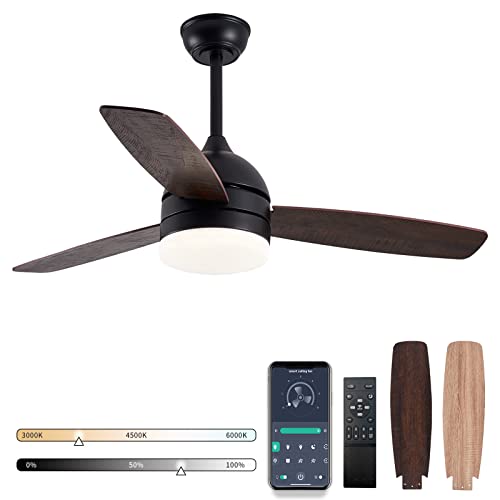
What Is The Green Wire On A Ceiling Fan Explained

The green wire on a ceiling fan plays a vital role that often goes unnoticed until something goes awry. This unassuming wire acts as a safety lifeline, ensuring that the fan is properly grounded and minimizing the risk of electrical mishaps. Many homeowners overlook it, assuming it’s just another colored wire, yet understanding its purpose can prevent costly repairs and dangerous situations. Its presence is more than just color-coded convention; it’s a critical component that links the fan’s metal frame to the electrical system's ground.
Typically, the green wire is connected directly to a grounding screw or the home’s grounded circuit, creating a safe path for stray electricity. This simple connection can mean the difference between a secure installation and a potential shock hazard. Its functionality complements the fan's other wires, but unlike the black or white wires responsible for power flow, the green wire doesn’t carry current under normal operation. Instead, it quietly ensures that, if a fault occurs, the electricity finds a safe route away from anyone touching the fan.
Installing a ceiling fan without properly connecting the green wire compromises safety. Electricians emphasize that skipping this step may not show immediate issues, but hidden risks accumulate over time. Even a minor short circuit or moisture-induced fault could energize the metal housing, and the green wire’s presence becomes the safeguard that prevents dangerous shocks. Understanding this wiring detail empowers installers and homeowners to secure their spaces effectively.
Modern fans often include clear instructions highlighting where the green wire must be attached, but knowing why it exists enriches comprehension. It’s a small component with a huge impact, offering peace of mind that the ceiling fan operates safely within the electrical system. Learning about the green wire also clarifies the broader concept of grounding, an essential principle in electrical installations, which ensures every metal fixture in the home can safely redirect unintended current.
Proper attention to the green wire on a ceiling fan is a subtle yet powerful way to maintain household safety. Beyond compliance, it’s about understanding the science behind electricity management and protecting everyone who uses the space. Simple actions, like ensuring the wire is secured and connected to the right point, can prevent accidents and extend the fan’s lifespan, blending safety and longevity seamlessly.

- LFR Score9.6
LFR Score is a ranking system developed by lightfansreviews.com. LFR Score has no relationship or impact from any manufacturers or sales agent websites. Learn more
- BrandAkahttbn

- LFR Score9.4
LFR Score is a ranking system developed by lightfansreviews.com. LFR Score has no relationship or impact from any manufacturers or sales agent websites. Learn more
- BrandGardner Bender

- LFR Score9.4
LFR Score is a ranking system developed by lightfansreviews.com. LFR Score has no relationship or impact from any manufacturers or sales agent websites. Learn more
- BrandUNIVILLE
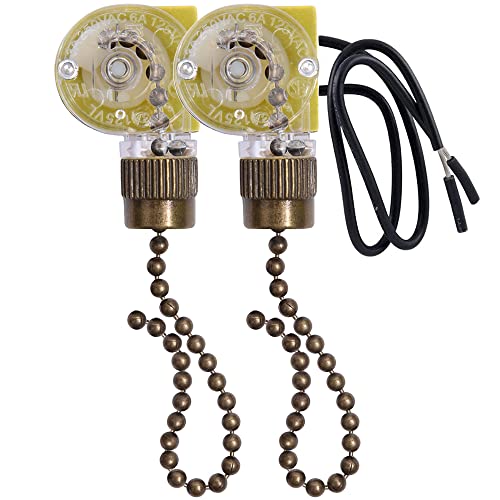
- LFR Score9.4
LFR Score is a ranking system developed by lightfansreviews.com. LFR Score has no relationship or impact from any manufacturers or sales agent websites. Learn more
- BrandAkahttbn
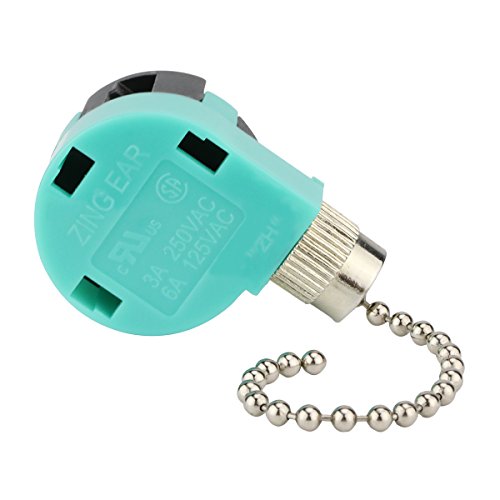
- LFR Score9.2
LFR Score is a ranking system developed by lightfansreviews.com. LFR Score has no relationship or impact from any manufacturers or sales agent websites. Learn more
- BrandDAYONE
- LFR Score8.8
LFR Score is a ranking system developed by lightfansreviews.com. LFR Score has no relationship or impact from any manufacturers or sales agent websites. Learn more
- BrandLPHUMEX

- LFR Score8.8
LFR Score is a ranking system developed by lightfansreviews.com. LFR Score has no relationship or impact from any manufacturers or sales agent websites. Learn more
- BrandOstrich

- LFR Score8.8
LFR Score is a ranking system developed by lightfansreviews.com. LFR Score has no relationship or impact from any manufacturers or sales agent websites. Learn more
- BrandTaigeguang

- LFR Score8.6
LFR Score is a ranking system developed by lightfansreviews.com. LFR Score has no relationship or impact from any manufacturers or sales agent websites. Learn more
- BrandYukiHalu

- LFR Score7.2
LFR Score is a ranking system developed by lightfansreviews.com. LFR Score has no relationship or impact from any manufacturers or sales agent websites. Learn more
- Branduaelua
Last update on 2026-06-08 / Affiliate links / Images, Product Titles, and Product Highlights from Amazon Product Advertising API
What Is The Green Wire On A Ceiling Fan
Home renovations often trip people up at the smallest details, especially when wiring enters the picture. That buzzing hum of uncertainty creeps in as you stare at colored wires and screws, trying not to zap yourself. One wire, modest in its green insulation, carries a weighty responsibility: grounding your ceiling fan and keeping the room safe. The green wire on a ceiling fan quietly safeguards every spin, yet so many skip over it in haste or assume it’s optional.
Green Wire Role
The green wire connects the metal frame of the ceiling fan to the home's grounding system, creating a crucial safety loop. If a fault occurs, electricity finds a safe path, dramatically reducing the risk of shock. Unlike black or white wires that shuttle power back and forth, the green wire remains a silent sentinel, stepping in only when something goes wrong. Its presence ensures the fan doesn’t become a hidden hazard in ordinary use.
Improper grounding can turn a harmless fan into a dangerous conductor, especially in damp conditions. Even minor faults can energize the metal housing, but a connected green wire keeps electricity flowing away from hands and ceilings alike. This simple connection is a cornerstone of household electrical safety that often gets overlooked by DIYers.
Professional electricians emphasize that the green wire’s correct attachment is non-negotiable. A securely fastened green wire to a grounding screw or existing home ground drastically lowers the risk of shocks. Skipping this step may not trigger immediate issues, but the lurking dangers accumulate silently, waiting for a storm or circuit fault to reveal themselves.
Beyond safety, the green wire also contributes to stable fan operation, preventing small electrical fluctuations from causing nuisance trips or sparking minor faults. It’s a small wire, but its key factor role in maintaining both safety and reliability can’t be overstated.
Common Wiring Mistakes
Homeowners frequently misidentify wires due to color confusion, assuming the green is optional or decorative. This misunderstanding leads to loose connections or complete omission, creating a high-risk situation. The green wire is specifically designed to channel stray electricity safely, so bypassing it undermines the fan’s protective system.
Another frequent mistake is twisting the green wire with live wires, thinking they need to be bundled. This misstep can introduce hazards instead of eliminating them. Correct installation keeps the green wire isolated to the grounding point, ensuring that it only activates under fault conditions.
Failing to secure the wire under the proper screw or grounding clip reduces its effectiveness. Even a partially attached wire can allow dangerous potential to linger on the fan's metal housing. The difference between a secure connection and a sloppy one can be dramatic in terms of household safety.
Electricians recommend double-checking the wire against the fan manual and home wiring standards. Correct alignment and firm connections turn the green wire from an invisible component into a dependable strength of your electrical system.
Safety Risks Without Green Wire
Skipping or ignoring the green wire introduces silent threats. Touching the fan during a fault could result in electric shock, ranging from mild tingle to serious injury. The green wire prevents this by providing a direct route to the ground, essentially acting as a shield for anyone in contact with the fan.
Electrical fires also become a potential hazard if grounding is bypassed. Sparks may ignite flammable dust or ceiling material, turning a small electrical oversight into a catastrophic event. Properly connected, the green wire mitigates this risk significantly.
Humidity exacerbates dangers by lowering resistance on metal surfaces, making ungrounded fans even more hazardous. The green wire maintains a safe path even when moisture enters the fixture, reinforcing important points in household protection. It’s not just compliance; it’s real-world risk reduction.
Insurance claims sometimes hinge on adherence to proper grounding protocols. A missing or disconnected green wire could complicate coverage after an accident, highlighting the wire’s critical role beyond immediate safety.
Proper Connection Techniques
Securing the green wire starts with identifying the grounding screw or metal box in the ceiling. Loosen the screw just enough to insert the stripped end of the green wire, then tighten firmly to prevent slipping. This ensures a main key pathway for fault currents without creating loose connections that reduce efficacy.
Electrical tape or wire nuts are often used for insulation, but the wire must remain connected to the grounding point at all times. Even temporary detachment can render the fan unsafe. Keeping the green wire properly affixed ensures the entire system remains robust and fault-tolerant.
When attaching to the ceiling box, verify that the box itself is grounded. Some older constructions may require an additional grounding jumper to establish a continuous path. Double-checking these connections makes the green wire’s function fully effective, reinforcing its strength in the system.
Routine maintenance should include inspecting the green wire for corrosion, loosening, or damage. A wire that looks intact but has internal wear can still fail under stress. Ensuring the wire’s integrity over time keeps the fan and occupants protected long-term.
Choosing Compatible Fans
Not all ceiling fans are created equal, and wiring configurations can vary. Selecting a fan with clearly marked grounding points and accessible green wire terminals simplifies installation and reduces mistakes. A fan designed with user-friendly terminals ensures the green wire can perform its role efficiently without complicated workarounds.
Some high-performance fans integrate multiple features that rely on stable grounding, such as built-in lights or smart controls. Skipping proper grounding could compromise these systems, causing flickering, noise, or intermittent operation. Properly connecting the green wire maintains key factors for both safety and functional reliability.
Ceiling fans with color-coded wiring and included instructions significantly reduce user error. Manufacturers often provide step-by-step guidance to ensure that the green wire connects to the right terminal, leaving less room for guesswork. This design feature directly addresses common installation frustrations.
When in doubt, consult product manuals or professional advice. Ensuring compatibility and correct connection enhances the fan’s longevity and maintains a secure household electrical system. Proper attention to the green wire transforms a tricky installation into a straightforward safety procedure.
Grounding for Metal Fixtures
Metal-bodied fans are particularly dependent on grounding. Without the green wire, the metal surfaces can carry stray voltage, especially in older wiring setups. A correctly attached green wire diverts electricity away from the fixture, eliminating a direct risk to anyone touching the fan.
Modern homes may have grounded junction boxes, but verification is crucial. The green wire ensures continuity between the fan and the building ground, forming a complete protective circuit. This important point differentiates a safe installation from a potentially dangerous one.
In multi-fan installations, each fixture requires its own grounding connection or a shared continuous ground. Overlooking this can create weak points, exposing users to voltage leaks. Consistent green wire connections across all fans reinforce safety uniformly throughout the home.
Even minor deviations, like connecting to a non-metal box, can undermine the system. Proper attention to these details ensures the fan's grounding system remains robust and reliable under varied conditions.
Green Wire in Smart Fan Systems
Smart ceiling fans with integrated lighting or IoT controls demand flawless electrical grounding. The green wire maintains a stable reference point for sensitive electronics, preventing glitches, flickering, or device malfunctions. It serves as more than just a safety mechanism; it preserves functional stability.
Advanced fans often include surge protection circuits that rely on a reliable ground. Without a correctly connected green wire, these protective features can fail silently. Proper connection maintains both strength and operational integrity of modern features.
Wiring smart fans incorrectly can also void manufacturer warranties. The green wire plays a pivotal role in compliance with installation standards, safeguarding both safety and warranty coverage. Neglecting it risks both electrical hazards and financial loss.
Routine inspection and testing with a multimeter can confirm the green wire’s connectivity. Ensuring that smart features operate under optimal grounding improves performance and reduces long-term maintenance headaches.
Green Wire Safety And Installation Tips For Ceiling Fans
Electrical setup surprises often surface when installing a ceiling fan in older homes. Wires that look similar may carry entirely different responsibilities, and the green wire on a ceiling fan is your frontline guardian against hazards. Proper grounding ensures that metal frames never carry stray current, turning what seems like a minor detail into a main key component of household safety. Even experienced DIYers can underestimate how critical this single wire is for preventing shocks and protecting sensitive electronics.
Inspection Before Installation
Before touching a single wire, inspect the fan and ceiling box for grounding points. Verify that the green wire is intact, without corrosion or frays, and that the ceiling junction box is properly grounded. This step safeguards the strength of your entire electrical setup and reduces risk when connecting multiple wires. Simple visual checks prevent long-term problems that might otherwise emerge after the fan is operational.
Older homes may have boxes without a dedicated ground wire. In such cases, attaching the green wire directly to a grounded metal frame or screw ensures continuity. It’s a small action that yields a key safety factor, protecting everyone from electric shocks. Electricians often highlight that skipping this inspection is one of the most common causes of DIY mishaps.
Check for manufacturer-specific instructions about grounding. Modern fans provide color-coded wires and terminal labels to guide proper attachment, ensuring the green wire connects to the correct point. Following these details helps preserve both fan functionality and safety features.
Routine inspections also include verifying that all mounting hardware is stable. Loose screws or uneven mounts can stress the green wire, weakening its effectiveness. Attention to these installation nuances strengthens the fan’s overall protective system.
Integration With Metal Fixtures
Ceiling fans with metal housings rely heavily on the green wire for safe operation. Any metallic part could conduct electricity if a fault occurs, but grounding redirects current harmlessly. Properly connecting the green wire ensures that the fan’s frame remains neutral, turning a potential hazard into a controlled safety feature.
Metal fans often combine features like lights or remote controls, which require consistent grounding. Without the green wire, these systems can experience flickering, electrical noise, or intermittent faults. Maintaining robust grounding protects these important points while enhancing device reliability.
Shared circuits with multiple fans or lighting fixtures also depend on continuous grounding paths. Each fan’s green wire must connect correctly to prevent weak links. This uniform connection preserves the strength of your electrical grid within the home.
Even minor errors, like connecting to a non-metallic box, can render the grounding ineffective. Ensuring that each green wire is securely fastened enhances safety and functionality across the setup.
Smart Fans And Electronics
Modern smart fans integrate sensors, lighting, and IoT functionality that demand precise electrical grounding. The green wire maintains a reliable reference, preventing glitches, flickering, or unpredictable behavior. Proper connection safeguards sensitive components and ensures longevity.
Integrated surge protection and circuit boards require uninterrupted grounding paths. A disconnected or poorly attached green wire could compromise these protections, creating subtle, long-term hazards. Ensuring correct wiring is both a safety measure and a performance enhancement.
Manufacturers often require strict adherence to wiring diagrams to maintain warranties. Neglecting the green wire can void coverage and expose users to liability, emphasizing its key factor role in both safety and compliance. Consistency and precision make a real difference.
Testing continuity with a multimeter after installation confirms that the green wire is operational. This simple step ensures that both safety and functionality are intact, reinforcing the importance of this seemingly minor wire.
Grounding In Low Ceilings And Tight Spaces
Installing fans in rooms with low ceilings or restricted access adds extra challenges. Ensuring that the green wire is securely attached may require maneuvering and careful routing. In these scenarios, selecting a fan with accessible terminals and thoughtful design makes a significant difference. A well-designed fan simplifies installation while preserving the green wire’s protective role.
Low ceilings may necessitate compact fan models, and it’s crucial that the green wire remains properly connected without kinks or tension. A strained wire loses efficiency, reducing its ability to protect against faults. Attention to these features prevents overlooked hazards.
When retrofitting older homes, verify that ceiling boxes support proper grounding. Some boxes may require additional grounding screws or adapters to accommodate modern fans. Ensuring a solid connection maintains the main key safety integrity of the installation.
Consider fans that are specifically designed for low-clearance areas with integrated safety guidance. These models provide clear pathways for the green wire and help avoid common pitfalls in tight spaces. The difference between a correct and careless setup can be critical.
Cooling And Environmental Considerations
Fans in rooms with high temperatures or heavy electronics need stable grounding to prevent minor current leakage from escalating. A secure green wire mitigates risks associated with environmental stress. This key factor ensures that the fan continues to operate safely even under challenging conditions.
Portable laptops or devices nearby can generate electromagnetic interference. A correctly grounded fan prevents this interference from affecting sensitive equipment. Integrating a best external cooling fan for portable laptop nearby enhances airflow while maintaining overall safety, showing how grounding works hand-in-hand with environmental management.
Rooms with LED lights or other low-voltage installations also benefit from proper grounding. A stable green wire ensures that auxiliary electronics function without glitches, reinforcing the strength of household circuits. Over time, this reduces maintenance and prevents accidental shocks.
Even in high-humidity areas, a correctly grounded fan prevents moisture-induced faults. Grounding is a subtle yet important point for long-term reliability in varied climates, protecting both occupants and devices.
LED Integrated Fans And Safety
Fans with built-in LED lights are common, but they require consistent grounding. Flickering, erratic operation, or degraded electronics can result if the green wire is neglected. Properly secured, it maintains key factors for both safety and functional reliability.
Integrated LED fans often come with multi-speed or remote controls. The green wire provides a grounding reference that prevents short circuits and enhances device longevity. Ensuring this connection is part of an effective installation routine.
Using a best ceiling fans for low ceilings led lights with clear grounding instructions simplifies setup and maintains safety standards. Modern designs allow quick attachment of the green wire, protecting electronics and users alike.
Routine checks for proper grounding maintain fan integrity and performance. A fan that’s correctly grounded will run quietly, efficiently, and safely, demonstrating the tangible benefits of diligent green wire connection.


Best Small Flush Mount Ceiling Fans 2026 Ultimate Picks

Best Smart Ceiling Fan India 2026 For Effortless Comfort

Best Smart Ceiling Fans with Lights for 2026: Top Picks

Best Smart Home Non Ceiling Fans 2026 For Ultimate Comfort

Best Outdoor Misting Ceiling Fan 2026 For Ultimate Comfort

Best Outdoor Ceiling Fans For Porch 2026 With Style And Breeze

Best Smart Bulb For Ceiling Fan 2026 That Brightens Life
Best Smart Ceiling Fan Control 2026 For Effortless Comfort