What Is the Largest Ceiling Fan Size for Big Rooms?

What Is the Largest Ceiling Fan Size becomes a surprisingly important question once a room starts feeling stuffy, uneven, or downright uncomfortable. Small ceiling fans might spin all day and still leave corners hot, especially in open-concept homes, vaulted ceilings, garages, patios, and oversized living spaces. A bigger fan doesn’t simply move more air. It changes how the entire room feels, sounds, and even functions during warmer months. Nobody wants to sit under weak airflow while energy bills keep climbing, and that frustration usually pushes people to start researching larger ceiling fan options.
Room size changes everything. A standard fan that works perfectly in a bedroom can feel almost useless inside a wide family room or tall-ceilinged great room. That’s where extra-large ceiling fans step in with wider blade spans, improved circulation, and better airflow coverage across larger square footage. Still, bigger isn’t always better in every situation. Blade pitch, ceiling height, motor strength, and mounting style all influence how effective a fan actually feels once installed.
Airflow balance matters more than many people expect. Oversized fans can cool large spaces quietly without creating the harsh wind tunnel effect that smaller high-speed fans sometimes produce. That smoother airflow often feels more natural indoors, especially during long afternoons when stagnant air becomes irritating. Also, large ceiling fans can help reduce strain on HVAC systems by circulating conditioned air more efficiently throughout the room.
Style plays a role too, honestly. Huge ceiling fans instantly become visual centerpieces, particularly in modern homes with tall ceilings and exposed beams. Some homeowners love the dramatic oversized look, while others worry the fan could overpower the room or hang too low. Those concerns are valid because installation spacing, ceiling clearance, and blade diameter all affect comfort and appearance at the same time.
What Is the Largest Ceiling Fan Size also ties directly into practical day-to-day comfort. Covered patios, workshops, barns, and commercial-style interiors often require industrial-sized fans that push air farther than residential models can handle. A fan that’s too small leaves dead zones. A fan that’s too large for the ceiling height can create awkward airflow and visual clutter. Getting that balance right saves money, improves comfort, and avoids the headache of replacing an underperforming fan later.
Noise becomes another sticking point people don’t always think about upfront. Cheap oversized fans may wobble, hum, or produce clicking sounds once they’ve been running for a while. Strong motor construction and blade stability matter much more in larger fan categories because longer blades put extra stress on the motor housing. That’s why researching size limits, airflow ratings, and installation conditions helps prevent expensive mistakes before buying.
Ceiling fan sizing isn’t just about measurements on a box. It’s about how a room actually feels after the fan starts spinning. Large spaces need consistent circulation without sacrificing comfort, aesthetics, or quiet operation. That balance sits at the heart of choosing the right oversized ceiling fan for real-world living conditions.

- LFR Score9.6
LFR Score is a ranking system developed by lightfansreviews.com. LFR Score has no relationship or impact from any manufacturers or sales agent websites. Learn more
- BrandHpxnionthr
![[HVLS]96 Inch Industrial Ceiling Fan, Extra Large Commercial Big Assed Ceiling Fan, 8 Aluminum Blades, Reversible DC Motor, Remote Control with 6 Speeds, 3 Downrods, for Shop, Garage, Gym, Black](https://m.media-amazon.com/images/I/41flayTieHL._SL160_.jpg "[HVLS]96 Inch Industrial Ceiling Fan, Extra Large Commercial Big Assed Ceiling Fan, 8 Aluminum Blades, Reversible DC Motor, Remote Control with 6 Speeds, 3 Downrods, for Shop, Garage, Gym, Black")
- LFR Score9.6
LFR Score is a ranking system developed by lightfansreviews.com. LFR Score has no relationship or impact from any manufacturers or sales agent websites. Learn more
- BrandEsxnaeplzx

- LFR Score9.4
LFR Score is a ranking system developed by lightfansreviews.com. LFR Score has no relationship or impact from any manufacturers or sales agent websites. Learn more
- BrandPhylluz
- LFR Score9.4
LFR Score is a ranking system developed by lightfansreviews.com. LFR Score has no relationship or impact from any manufacturers or sales agent websites. Learn more
- BrandFanbulous

- LFR Score9.4
LFR Score is a ranking system developed by lightfansreviews.com. LFR Score has no relationship or impact from any manufacturers or sales agent websites. Learn more
- BrandArtemis Air

- LFR Score9.2
LFR Score is a ranking system developed by lightfansreviews.com. LFR Score has no relationship or impact from any manufacturers or sales agent websites. Learn more
- BrandAmico

- LFR Score9.2
LFR Score is a ranking system developed by lightfansreviews.com. LFR Score has no relationship or impact from any manufacturers or sales agent websites. Learn more
- BrandBvenuBigLite
- LFR Score9.0
LFR Score is a ranking system developed by lightfansreviews.com. LFR Score has no relationship or impact from any manufacturers or sales agent websites. Learn more
- BrandDawn Whisper
- LFR Score9.0
LFR Score is a ranking system developed by lightfansreviews.com. LFR Score has no relationship or impact from any manufacturers or sales agent websites. Learn more
- BrandParrot Uncle

- LFR Score8.8
LFR Score is a ranking system developed by lightfansreviews.com. LFR Score has no relationship or impact from any manufacturers or sales agent websites. Learn more
- BrandZMISHIBO
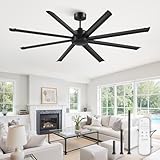
- LFR Score8.8
LFR Score is a ranking system developed by lightfansreviews.com. LFR Score has no relationship or impact from any manufacturers or sales agent websites. Learn more
- BrandZMISHIBO

- LFR Score8.6
LFR Score is a ranking system developed by lightfansreviews.com. LFR Score has no relationship or impact from any manufacturers or sales agent websites. Learn more
- BrandBvenuBigLite
Last update on 2026-07-07 / Affiliate links / Images, Product Titles, and Product Highlights from Amazon Product Advertising API
What Is The Largest Ceiling Fan Size
A wide room can feel oddly stubborn, even with the fan spinning overhead and the thermostat doing its thing. Hot pockets sit in corners, air hangs near tall ceilings, and that little 52-inch fan starts looking outmatched pretty fast. That is where what is the largest ceiling fan size becomes more than a curiosity. It becomes a real comfort question for large living rooms, vaulted spaces, covered patios, workshops, and open layouts that need steady air movement instead of a tiny breeze.
Largest Ceiling Fan Size Range
The largest ceiling fan size for residential use commonly reaches around 84 inches to 96 inches, while some oversized and commercial-style fans can go beyond 100 inches. Massive industrial ceiling fans may stretch much wider, but those are built for warehouses, gyms, barns, and commercial buildings rather than normal home ceilings. For most homes, the practical upper range sits where the fan still clears walls, lights, beams, cabinets, and tall furniture. Bigger blades need breathing room, or the airflow can feel awkward instead of comfortable.
A large ceiling fan doesn’t cool the air like an air conditioner. It moves air across skin, pushes warm layers away from the ceiling, and helps the room feel less stale. That’s why blade span matters so much in oversized rooms. A fan that’s too small may run at high speed all afternoon and still leave the far side of the room untouched.
Manufacturers often measure fan size by the full diameter of the blade sweep. So, a 72-inch fan means the spinning circle from blade tip to blade tip measures 72 inches across. That measurement gives a quick clue about the fan’s coverage, but it doesn’t tell the whole story. Motor strength, blade pitch, ceiling height, and airflow rating all shape the actual comfort level.
Large fans also look different in a room. A 96-inch ceiling fan can feel dramatic, clean, and architectural in the right setting. In a smaller room, though, it can look like a propeller parked over the sofa. That’s the tradeoff: more airflow coverage can help a big space, but poor scale can make the room feel crowded or visually heavy.
Room Size Changes The Answer
A bedroom, dining nook, or small office rarely needs the largest ceiling fan available. These rooms usually feel better with a moderate blade span because airflow stays controlled and less forceful. Large fans belong in rooms where air has more distance to travel. Open living rooms, lofts, garages, covered decks, and great rooms usually make better use of oversized blade spans.
For a room around 400 square feet or larger, a fan in the 60-inch to 72-inch range often starts making sense. Wide rooms above that may benefit from an 84-inch or 96-inch fan, especially if the ceiling is high. A vaulted ceiling adds another wrinkle because warm air collects overhead. Without enough blade reach, the fan may only stir the space directly beneath it.
Large ceiling fans work best when they move air slowly and evenly. That’s the sweet spot. Instead of blasting one chair with harsh airflow, a properly sized oversized fan spreads circulation across the room. This helps people sitting in different zones feel more consistent comfort.
One common mistake is buying the largest fan just because the room feels hot. Sometimes the real issue is poor placement, a low airflow rating, or a ceiling height mismatch. A huge fan mounted too close to the ceiling may not pull enough air through the blades. Correct mounting height can matter just as much as blade diameter.
Fixing airflow problems can also lead to other small home projects nearby. For safer lighting updates in older rooms, plan the wiring side carefully and use a practical guide such as replace pull chain light fixture before changing ceiling fixtures around the same area.
Blade Span Is Only One Factor
Blade span gets most of the attention, but it’s not the only number worth checking. A big fan with weak airflow can disappoint fast. The airflow rating, usually shown in cubic feet per minute, gives a better picture of how much air the fan can move. For large rooms, higher airflow capacity helps prevent dead zones where the air barely moves.
Blade pitch also affects performance. Blades set at a shallow angle may spin quickly without moving much air. A steeper pitch can push air more effectively, but only if the motor has enough strength to handle the resistance. That’s why motor quality matters more as fan size increases.
Long blades create more load on the motor and mounting hardware. Cheap oversized fans may wobble, click, or hum after regular use. That wobble isn’t just annoying. It can strain the mounting bracket and make the whole setup feel less secure. Strong construction helps a large fan stay quiet, balanced, and steady.
Outdoor and damp spaces need extra attention too. A covered patio may call for a larger fan, but moisture, wind, and dust can wear down the wrong model. For exterior airflow, choose a fan built for wet or damp conditions, and compare practical options like best wet rated outdoor ceiling fans before installing one outside.
Ceiling Height Makes Or Breaks It
A large ceiling fan needs proper clearance above the floor and around the blades. Low ceilings can make oversized fans feel intrusive, even if the room itself is wide. The blades should sit high enough to avoid feeling too close to people walking underneath. Safe clearance keeps the fan comfortable, practical, and less visually awkward.
High ceilings often need a downrod. Without one, the fan may sit too close to the ceiling and fail to circulate air where people actually live and sit. A downrod lowers the fan into a more useful airflow zone. That simple detail can turn a disappointing oversized fan into a much better performer.
Vaulted ceilings need even more planning. Sloped mounting kits, longer downrods, and blade clearance near angled surfaces all matter. A large fan should never look squeezed into the room. It needs space around the blade tips so air can move cleanly.
Ceiling shape also affects comfort. A tall rectangular room may need a different fan strategy than a square open room. Sometimes two smaller fans beat one giant fan because they spread airflow more evenly. The largest ceiling fan size isn’t always the smartest answer if the room has awkward zones, beams, or divided seating areas.
Home maintenance often happens in clusters, especially around garages, patios, and utility spaces. To keep nearby safety lighting in better shape, use a practical repair path like fix cracked tail light for related household or vehicle visibility issues before they become bigger headaches.
Large Fans Need Realistic Expectations
A huge ceiling fan can make a room feel cooler, but it won’t lower the actual temperature. That distinction matters. The comfort comes from air movement, not refrigerated air. Pairing a large fan with air conditioning can help distribute cooled air more evenly, which may let the room feel comfortable without pushing the thermostat lower.
Noise expectations should stay realistic too. A well-built large fan can run quietly, especially at low and medium speeds. But larger blades can amplify small balance problems. If the fan is poorly installed, even a good model can wobble or create a faint ticking sound that drives people nuts during quiet evenings.
Style can be a strength or a weakness. In a big open room, an 84-inch fan can look intentional and polished. In a room with lower ceilings or busy decor, it may dominate the space too much. Visual proportion should sit right alongside airflow needs during the decision.
Energy use depends on the motor type and how the fan is used. Many modern large fans use DC motors, which tend to be efficient and quieter than older motor styles. Still, running any fan in an empty room wastes electricity because ceiling fans cool people, not empty space. Smart controls and timers help avoid that easy mistake.
Single Huge Fan Or Multiple Fans
One oversized ceiling fan can work beautifully in a large square room with a central seating area. The airflow spreads from one point, the look stays clean, and the ceiling remains uncluttered. This setup often suits great rooms, large bedrooms, and open family spaces. Simple placement becomes a big advantage.
Long rectangular rooms can be trickier. One giant fan may leave the far ends feeling weak, even if the center feels breezy. Two medium or large fans may perform better because they divide airflow across the length of the room. That choice can feel less dramatic, but it often solves comfort problems more evenly.
Covered patios also vary a lot. A square patio may work with one large wet-rated fan. A long porch may need two smaller fans spaced along the sitting areas. Outdoor airflow has to fight humidity, radiant heat, and sometimes still air that lingers under a roofline.
Budget plays into the decision as well. One large fan may cost more upfront, especially with a stronger motor and longer blades. Multiple fans can increase installation costs because each fan needs wiring, mounting, and controls. The better option depends on room shape, ceiling structure, and how people actually use the space.
Largest Ceiling Fan Size For Large Rooms
Walking into a large room with stale air feels frustrating fast, especially after spending money on a ceiling fan that barely changes the comfort level. A weak breeze in one corner while the other side stays stuffy usually means the fan size doesn’t match the room. That’s why largest ceiling fan size for large rooms keeps becoming a bigger topic in homes with open layouts, tall ceilings, oversized patios, and expanded living spaces. Bigger fans can absolutely help, but the right setup depends on placement, blade span, and how the room actually gets used day to day.
Airflow Feels Different With Bigger Fans
A large ceiling fan moves air differently than a smaller fan spinning at high speed. Smaller fans often create concentrated airflow directly underneath the blades, while oversized fans spread circulation across a wider area. That smoother movement usually feels less harsh and more natural during long afternoons indoors. Balanced airflow coverage becomes the real advantage in larger rooms.
People often expect giant fans to blast air like a wind tunnel. That’s not really the goal in most living spaces. A properly sized oversized fan creates consistent circulation that reduces hot spots without overwhelming the room. The air feels calmer, steadier, and easier to live with during everyday activities.
Blade length changes the experience quite a bit. Longer blades move more air per rotation, which means the fan doesn’t always need extreme speed settings to stay effective. That slower rotation often helps keep noise levels lower too. Quiet circulation becomes especially important in bedrooms, media rooms, and covered patios where constant humming gets annoying fast.
Outdoor setups face another challenge because heat lingers differently under patio covers and pergolas. Airflow can feel trapped even on breezy days. To improve exterior comfort, compare practical airflow setups through outside patio ceiling fan options designed for larger outdoor living areas.
Motor Strength Matters More Than Looks
A giant fan with a weak motor usually disappoints after the excitement wears off. Long blades create extra resistance, and cheap motors struggle to maintain stable rotation over time. That’s when wobbling, clicking, or inconsistent speed starts creeping in. Motor durability becomes one of the most important factors in oversized ceiling fans.
DC motors have become more common in larger residential fans because they run quieter and use less electricity than older AC motors. They also tend to offer smoother speed control. That softer operation feels especially noticeable at night when constant humming becomes impossible to ignore. Strong motors paired with balanced blades help large fans feel refined instead of clunky.
Weight distribution matters too. Bigger blades place extra stress on mounting brackets and ceiling boxes. Poor installation can lead to shaking, uneven rotation, and long-term hardware strain. A heavy oversized fan should always connect to a properly rated ceiling support system.
Visual style can distract people from practical performance. A fan may look sleek online, yet still push weak airflow because the blade design focuses more on appearance than circulation. Real comfort depends on air movement efficiency, not just modern finishes or oversized blade shapes.
Outdoor Spaces Need Different Planning
Patios, screened porches, and outdoor kitchens behave differently than indoor rooms. Humidity, open air, and roof height all affect how airflow feels across the space. A fan that performs well indoors may struggle outside if the blades aren’t designed for exterior conditions. Weather resistance becomes part of the comfort equation.
Covered outdoor spaces often trap heat beneath the roofline, especially during humid afternoons. Larger fans help circulate that trapped air outward so the space feels less stagnant. A wider blade span also improves airflow across seating areas instead of concentrating breeze in one spot.
Wet-rated and damp-rated fans are not interchangeable in every environment. A covered patio with occasional moisture exposure may handle a damp-rated fan fine. Fully exposed areas near rain and storms need stronger protection against moisture and corrosion. That difference matters more over time than most people expect.
Outdoor comfort upgrades sometimes overlap with seasonal heating concerns too. Cooler evenings can make patios less usable without additional warmth nearby. To improve colder outdoor setups, compare practical heating solutions through solar powered heat lamp ideas that work alongside large ceiling fans.
Ceiling Fan Placement Changes Everything
Even the largest ceiling fan size can fail if the placement feels off. Fans mounted too close to walls or beams lose airflow efficiency because the blades can’t move air cleanly. That restriction creates uneven circulation and awkward dead zones. Proper spacing gives oversized fans room to work the way they were designed.
Center placement usually works best in square rooms, but long spaces often need a different strategy. A single oversized fan in the middle of a rectangular room may leave the ends feeling stale. Two medium or large fans can spread airflow more evenly across the entire space. The cleaner airflow pattern often feels better than one oversized fan trying to do all the work alone.
Furniture layout changes airflow too. Large sectionals, tall shelving, beams, and hanging lights can interrupt circulation patterns more than people expect. Ceiling fans don’t just move air downward. They create broader circulation paths that interact with the entire room setup.
Ceiling height still matters, even with giant fans. Mounting a large fan too high above the living area weakens the airflow people actually feel. Downrods help position the fan lower into the comfort zone, especially in vaulted spaces where heat collects near the ceiling.
Oversized Fans And Energy Use
Many people assume larger ceiling fans automatically use huge amounts of electricity. That’s not always true. A well-built oversized fan running at moderate speed can circulate air more efficiently than a small fan constantly spinning at maximum speed. Energy efficiency often depends more on motor design and usage habits than blade size alone.
Large fans can help rooms feel cooler without lowering the thermostat dramatically. That slight shift may reduce how often air conditioning cycles on during warm weather. The airflow itself creates the cooling sensation people notice most. Still, fans cool people, not empty rooms, so leaving them running in unused spaces wastes electricity.
Smart controls make oversized fans easier to manage. Remote controls, timers, and wall automation systems help adjust airflow based on time of day and room activity. That flexibility matters in large homes where comfort needs shift throughout the day.
DC motor fans tend to operate more efficiently at lower speeds, which works nicely in oversized rooms needing constant circulation rather than intense airflow bursts. The quieter operation also makes them feel less intrusive during everyday life. Strong circulation without constant noise becomes a noticeable quality-of-life improvement.
Common Mistakes With Large Ceiling Fans
One of the biggest mistakes people make is buying based entirely on blade span charts without considering the actual room layout. A room may technically support a 96-inch fan, but beams, low lighting, or awkward seating areas can make that size impractical. Real-world spacing matters more than a sizing chart alone.
Another issue appears with low ceilings. Oversized fans mounted too close to people can feel visually heavy and physically uncomfortable. The airflow may even feel choppy because the blades sit too close to the occupied space. A slightly smaller fan with stronger airflow can sometimes perform better overall.
Ignoring installation quality creates headaches too. Heavy fans need proper ceiling support, balanced blades, and stable mounting hardware. Skipping those details can lead to vibration, rattling, or long-term ceiling strain. A large fan should feel solid and stable at every speed setting.
Some homeowners also expect giant fans to replace proper insulation or cooling systems. Ceiling fans improve comfort through circulation, but they can’t solve every temperature problem by themselves. Poor insulation, direct sunlight, and heat-retaining materials may still require additional cooling strategies alongside the fan setup.


Best Small Flush Mount Ceiling Fans 2026 Ultimate Picks

Best Smart Ceiling Fan India 2026 For Effortless Comfort

Best Smart Ceiling Fans with Lights for 2026: Top Picks

Best Smart Home Non Ceiling Fans 2026 For Ultimate Comfort

Best Outdoor Misting Ceiling Fan 2026 For Ultimate Comfort

Best Outdoor Ceiling Fans For Porch 2026 With Style And Breeze

Best Smart Bulb For Ceiling Fan 2026 That Brightens Life
Best Smart Ceiling Fan Control 2026 For Effortless Comfort