What Is The Most Popular Ceiling Fan Color?

What Is The Most Popular Ceiling Fan Color often points to white, black, and brushed nickel, with matte black gaining the loudest buzz in modern homes. White remains a safe bet because it blends into most ceilings and keeps small rooms feeling open. Black gives a room sharper contrast, especially with wood floors, white walls, or modern fixtures. Brushed nickel still earns its keep in kitchens, bedrooms, and transitional spaces where metal finishes already show up.
Color choice sounds simple until the fan is hanging overhead every day. A finish that looks stylish online can feel too bold, too shiny, or oddly disconnected once it meets real furniture, wall paint, and daylight. That’s why neutral ceiling fan colors keep winning. They don’t fight the room, and they’re easier to live with after the décor changes.
Matte black works well when a room needs a clear focal point without looking fussy. It hides small smudges better than glossy finishes and pairs nicely with black door hardware, curtain rods, or lighting. Still, it can feel heavy in rooms with low ceilings or very little natural light. In those spaces, white ceiling fans usually feel calmer and less crowded.
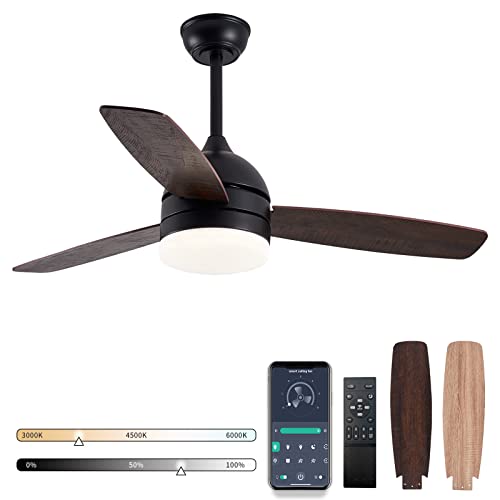
Wood-tone fans bring warmth where plain white or black feels too flat. Walnut, oak, and weathered wood finishes soften rooms with gray sofas, tile floors, or cool paint colors. The tradeoff is matching the wood tone carefully, because a fan blade that clashes with flooring can stick out like a sore thumb. A mixed finish, such as black with wood blades, often solves that problem neatly.
Dust, lighting, and ceiling height matter more than people expect. Glossy metal can show fingerprints and reflect bulbs in a way that feels distracting. Dark blades can show pale dust faster, while white blades may collect shadows around the edges. For a low-maintenance look, matte finishes usually age better than shiny ones.
What Is The Most Popular Ceiling Fan Color really comes down to balance. White blends in, black stands out, brushed nickel bridges old and new, and wood tones add warmth. The best-looking choice is the one that supports the room instead of shouting over it. Pick the finish that matches your lighting, ceiling height, hardware, and cleaning habits, and the fan will feel like it belongs instead of looking like an afterthought.

- LFR Score9.2
LFR Score is a ranking system developed by lightfansreviews.com. LFR Score has no relationship or impact from any manufacturers or sales agent websites. Learn more
- BrandSTERREN

- LFR Score9.0
LFR Score is a ranking system developed by lightfansreviews.com. LFR Score has no relationship or impact from any manufacturers or sales agent websites. Learn more
- BrandZMISHIBO

- LFR Score9.0
LFR Score is a ranking system developed by lightfansreviews.com. LFR Score has no relationship or impact from any manufacturers or sales agent websites. Learn more
- BrandAyaoty

- LFR Score9.0
LFR Score is a ranking system developed by lightfansreviews.com. LFR Score has no relationship or impact from any manufacturers or sales agent websites. Learn more
- BrandBevenus

- LFR Score8.8
LFR Score is a ranking system developed by lightfansreviews.com. LFR Score has no relationship or impact from any manufacturers or sales agent websites. Learn more
- BrandSurtime

- LFR Score8.6
LFR Score is a ranking system developed by lightfansreviews.com. LFR Score has no relationship or impact from any manufacturers or sales agent websites. Learn more
- BrandAmico

- LFR Score8.6
LFR Score is a ranking system developed by lightfansreviews.com. LFR Score has no relationship or impact from any manufacturers or sales agent websites. Learn more
- BrandZMISHIBO

- LFR Score8.4
LFR Score is a ranking system developed by lightfansreviews.com. LFR Score has no relationship or impact from any manufacturers or sales agent websites. Learn more
- BrandKviflon
- LFR Score8.2
LFR Score is a ranking system developed by lightfansreviews.com. LFR Score has no relationship or impact from any manufacturers or sales agent websites. Learn more
- BrandSurtime
Last update on 2026-07-09 / Affiliate links / Images, Product Titles, and Product Highlights from Amazon Product Advertising API
What Is The Most Popular Ceiling Fan Color
Picking a ceiling fan sounds easy until the room suddenly feels off after installation. The wall color works, the flooring looks clean, the furniture matches, yet the fan still sticks out like an awkward afterthought. That frustration pushes many homeowners into researching what is the most popular ceiling fan color before spending money on something hanging overhead every single day. A ceiling fan affects the room visually far more than most people expect, especially once lighting, ceiling height, and décor all collide in one space.
Why Ceiling Fan Color Matters More Than Expected
A ceiling fan isn’t tucked into a hidden corner. It sits right in the center of the room, constantly visible whether the blades are moving or not. That placement gives the fan a strange amount of visual power, and the wrong finish can make even expensive décor feel disconnected. Color balance, lighting reflection, and room proportion all shift depending on the fan finish overhead.
White ceiling fans remain popular because they quietly blend into white ceilings without creating visual clutter. Smaller bedrooms and lower ceilings usually benefit from this softer approach because darker colors can make the ceiling feel lower. Black fans create a stronger visual anchor, though they work better in rooms with enough natural light to support the contrast. A dark fan inside a dim room can feel heavier than expected.
Metal finishes like brushed nickel continue staying relevant because they bridge multiple décor styles without demanding attention. They also pair naturally with kitchen appliances, silver hardware, and cooler paint palettes. Glossy chrome sounds appealing online, but in real homes, it sometimes reflects light too aggressively. That glare becomes surprisingly annoying once ceiling lights switch on at night.
Wood-tone finishes carry a different mood altogether. Walnut, oak, and weathered textures soften rooms that feel too sterile or sharp. Some homeowners love that warmth immediately, while others struggle matching the blade tone with flooring or furniture. The fan ends up feeling disconnected if the wood shades clash too hard.
Why Matte Black Keeps Taking Over Modern Homes
Matte black ceiling fans keep gaining attention because they create definition without looking flashy. The finish feels cleaner, calmer, and easier to style compared with shinier metallic options. Black also pairs naturally with modern lighting, cabinet hardware, and window frames. Designers lean on that consistency heavily in open-concept spaces.
Dust visibility surprises a lot of people here. Matte black hides fingerprints fairly well, but lighter dust buildup still becomes noticeable over time. Homes near construction zones, busy roads, or dry climates may require more blade cleaning than expected. That maintenance tradeoff catches some homeowners off guard after installation.
Ceiling height changes everything with darker fans. A black fan in a tall living room creates strong visual structure and can make the space feel grounded. Inside smaller bedrooms with low ceilings, though, the same fan may feel visually bulky. Scale matters just as much as color choice.
Also, black fans don’t work equally well with every wall color. Warm beige walls sometimes clash with colder matte black finishes, especially under yellow-toned lighting. Cooler whites, grays, and natural wood accents usually create a smoother pairing. That contrast feels intentional instead of forced.
White Ceiling Fans Still Refuse To Go Away
Some trends fade quickly, yet white ceiling fans continue sticking around because they solve practical decorating problems. White blades visually disappear into lighter ceilings, helping smaller rooms feel less crowded. That subtle effect matters in apartments, guest bedrooms, and narrow spaces where visual openness matters more than bold style. The fan cools the room without demanding attention.
Maintenance plays a role too. White finishes hide dust differently than dark finishes, though they may develop faint discoloration after years in humid kitchens or poorly ventilated rooms. Glossy white models sometimes show yellowing faster under heavy sunlight exposure. Matte white usually ages more gracefully.
People also underestimate how adaptable white can be. Farmhouse interiors, coastal themes, minimalist rooms, and transitional spaces all handle white fans comfortably. That flexibility reduces decorating stress later if furniture or wall colors eventually change. Nobody wants to replace a ceiling fan every time a room gets repainted.
To improve airflow control alongside softer white finishes, compare best ceiling fan speed control options that help rooms feel more comfortable without leaning too heavily on the HVAC system. Small airflow adjustments often make a bigger difference than homeowners expect.
Wood Finishes Add Warmth Without Feeling Heavy
Modern rooms sometimes feel cold even after expensive renovations. Gray walls, black fixtures, and polished surfaces can accidentally strip warmth from the space. That’s where wood-tone ceiling fans quietly help. Natural textures soften hard lines and create a more relaxed atmosphere.
Walnut remains especially popular because it pairs well with both dark and light furniture. Lighter oak blades work nicely in Scandinavian-inspired rooms or coastal interiors where brightness matters. Weathered wood finishes lean more rustic and may clash with sleek contemporary furniture if not balanced carefully. Matching undertones becomes extremely important.
Mixed-material fans gained traction for exactly this reason. Black housings with wood blades create contrast without overwhelming the room. That combination feels more forgiving when flooring, cabinetry, and furniture don’t perfectly match. Open-concept homes benefit from this flexibility because multiple design styles often blend together.
Lighting still changes the appearance dramatically. Warm bulbs enhance wood textures beautifully, while cooler LED lighting may flatten some finishes visually. Testing bulb temperature before committing to a fan finish saves a surprising amount of frustration later. Warmth, texture, and undertone matching decide whether a wood fan feels natural or oddly out of place.
Brushed Nickel Continues Staying Safe And Flexible
Brushed nickel ceiling fans rarely dominate design conversations, yet they consistently survive changing trends because they adapt so easily. Kitchens, dining areas, and transitional living rooms often benefit from softer metallic finishes that don’t scream for attention. The subtle sheen works well without turning the fan into the room’s focal point. That’s useful in spaces already filled with appliances, cabinet pulls, and lighting hardware.
Unlike polished chrome, brushed nickel diffuses reflections more gently. That softer appearance matters at night when ceiling lights bounce off metallic surfaces. Sharp glare overhead can make a room feel colder and more clinical than intended. Brushed finishes avoid most of that problem.
Homeowners also appreciate how brushed nickel pairs naturally with stainless appliances and cooler paint tones. Gray cabinets, white tile, and marble-look counters usually blend smoothly with this finish. The fan becomes part of the room instead of visually fighting everything around it. Finish consistency keeps the design from feeling patched together.
Still, brushed nickel isn’t right for every environment. Rooms filled with warm wood tones or bronze hardware may feel disconnected if cooler silver finishes suddenly appear overhead. Mixing metals can work, but it needs repetition elsewhere in the room. Without that repetition, the fan may look like it wandered in from another house.
Ceiling Height Changes How Fan Colors Feel
People often focus entirely on blade style while forgetting how much ceiling height affects visual balance. Dark fans naturally pull attention downward, which works beautifully in tall spaces needing more structure. In lower rooms, though, darker finishes can make the ceiling feel closer than it actually is. That subtle effect changes how comfortable the room feels.
White fans visually blend upward into the ceiling plane, making compact rooms feel more open. That trick works especially well in condos, smaller homes, and basement renovations with limited vertical space. The fan cools the room without visually shrinking it. Low-profile design and lighter finishes make a strong team.
Large rooms with vaulted ceilings usually handle bold finishes much better. Matte black, bronze, and darker wood fans help fill the visual emptiness overhead. A tiny white fan inside a huge living room can disappear too much and leave the space feeling unfinished. Balance matters more than trend-following.
Before changing ceiling fixtures, handle nearby lighting access safely by reviewing how to open fluorescent light cover tips, especially around older ceiling setups. Ceiling work gets messy fast if covers, panels, or brittle plastic pieces are forced the wrong way.
Outdoor Ceiling Fans Need Different Color Logic
Outdoor spaces change the rules completely. Sunlight, humidity, pollen, and weather exposure all affect how fan colors age over time. A glossy black finish that looks sharp indoors may fade unevenly outside after months of direct sunlight. That wear becomes visible surprisingly fast in harsh climates.
Outdoor ceiling fans usually perform better with softer matte finishes or textured coatings that hide dirt and moisture marks. White fans outdoors may collect discoloration more quickly near grills, smoke, or dusty patios. Bronze and weathered wood finishes often hide environmental wear more naturally. Practical color choice matters more outside than pure trend appeal.
Covered patios benefit from warmer tones that complement outdoor furniture and wood decking. Cooler metallic finishes can sometimes feel too sterile outside, especially beside plants, brick, stone, or natural landscaping. The goal shifts from sleek interior styling toward durability and visual comfort. A finish should look relaxed, not showroom-stiff.
For patios and humid spaces that deal with changing weather year-round, compare best outdoor ceiling fans for moisture-friendly finishes, easier upkeep, and airflow that fits covered outdoor living areas. A fan color outside has to handle dust, damp air, and sunlight without looking tired too quickly.
Best Ceiling Fan Colors For Different Room Styles
A ceiling fan can either quietly support the room or completely throw it off balance. Plenty of homeowners realize this only after installation, once the fan starts pulling attention away from furniture, flooring, or lighting they already spent serious money on. That’s why room style compatibility, finish consistency, and lighting behavior matter just as much as airflow performance. The wrong fan color doesn’t just look awkward. It changes the entire mood of the room.
Modern Rooms Usually Lean Toward Darker Finishes
Modern interiors often rely on contrast to create structure. White walls, clean lines, black window frames, and minimal furniture naturally pair well with darker ceiling fans because the fan becomes part of the design rhythm instead of floating awkwardly overhead. Matte black remains one of the strongest fits for this style because it feels sharp without looking flashy. That balance matters in spaces already filled with bold geometric elements.
Large open-concept homes especially benefit from darker fan finishes. Black fans visually anchor tall ceilings and help the room feel more grounded. Without that contrast, oversized living areas can feel visually empty near the ceiling line. A darker finish creates structure while still keeping the space clean and uncluttered.
Still, black doesn’t automatically solve every design problem. Smaller modern bedrooms with limited sunlight sometimes feel too heavy with oversized dark fans overhead. In those situations, softer charcoal finishes or mixed black-and-wood combinations usually create a smoother look. Tiny details like blade thickness and motor housing size also affect visual weight.
Desk lighting can affect ceiling fan finishes more than people expect, especially in workspaces or compact apartments with layered lighting setups. To improve smaller study areas while keeping the room visually balanced, explore best led desk lamp options that pair naturally with modern ceiling fan finishes.
Farmhouse Spaces Feel Better With Softer Warm Tones
Farmhouse-inspired interiors usually feel more inviting when the ceiling fan includes warmth instead of sharp contrast. White fans still work nicely here, though wood-tone blades tend to create a cozier atmosphere overall. Walnut, oak, and weathered wood finishes soften the room and connect naturally with furniture, beams, or rustic flooring. That warmth keeps the space from feeling too plain.
Bronze motor housings also fit farmhouse interiors surprisingly well. The darker metal adds depth without creating the harsh contrast that glossy black sometimes introduces. A lightly distressed finish usually blends more naturally into farmhouse décor than polished metallic surfaces. Texture matters heavily in this style.
Scale becomes important too. Oversized fans with chunky blades may look appealing online but can overpower smaller farmhouse kitchens or dining rooms. Medium-sized fans with simpler blade profiles usually age better visually. A fan shouldn’t dominate the room unless the space is large enough to support it.
Mixing wood tones carefully prevents visual confusion. Cool gray flooring paired with orange-toned fan blades can make the entire room feel disconnected. Matching undertones matters more than exact color matching. Warm woods generally pair best with warm flooring and creamier wall colors.
Small Rooms Benefit From Lighter Ceiling Fan Colors
Compact rooms already battle visual clutter constantly. Heavy furniture, crowded storage, and low ceilings can make the room feel boxed in before the fan even enters the picture. That’s why lighter ceiling fan finishes usually perform better in tighter spaces. White, soft gray, and pale wood tones help maintain visual openness.
Low-profile fans often look cleaner when their finish blends into the ceiling instead of contrasting against it. White fans almost disappear overhead, which helps small bedrooms feel less cramped. That subtle visual trick makes a noticeable difference in apartments and guest rooms. People often feel the improvement before they fully recognize why the room feels calmer.
Dark finishes can still work in compact rooms, but scale control becomes critical. A slim black fan with narrow blades may look modern and intentional, while a bulky industrial-style fan can overpower the room instantly. Balance always matters more than chasing trends. Bigger isn’t automatically better.
Natural light also changes how fan colors behave throughout the day. White finishes reflect sunlight softly, while darker finishes absorb more visual attention. Rooms with only one small window usually benefit from brighter ceiling fan finishes that keep the space feeling lighter overall.
Metallic Finishes Can Age Faster Than Expected
Metallic ceiling fans often look polished in product photos, yet real homes reveal their weaknesses fairly quickly. Glossy chrome reflects every bulb, fingerprint, and smudge overhead, especially at night. That sharp reflection sometimes creates a colder feeling than homeowners anticipated. The room starts feeling more clinical than comfortable.
Brushed nickel avoids some of those problems because the softer finish diffuses light instead of bouncing it harshly across the ceiling. Satin metals usually age better visually than mirror-like surfaces. They also pair more naturally with mixed materials like stone countertops, wood cabinetry, or textured fabrics. The softer sheen feels easier to live with long term.
Cleaning habits matter too. Polished metal surfaces reveal dust and fingerprints quickly, especially in humid climates where residue builds faster. Some homeowners love the sleek appearance initially but grow tired of constant maintenance after a few months. That tradeoff rarely shows up in product listings.
Metallic finishes can also drift in and out of style more noticeably than neutral matte finishes. Chrome-heavy interiors from older design trends sometimes feel dated now, while matte black and soft white continue adapting more easily across changing décor styles. Flexibility becomes valuable once furniture and paint colors inevitably evolve.
Ceiling Fan Trends Keep Changing But Neutral Colors Stay Safe
Trends move fast, especially online where dramatic room designs constantly grab attention. Bold gold finishes, oversized industrial fans, and ultra-dark wood stains cycle through social media every year. Some styles genuinely look beautiful for a while. Others lose appeal quickly once everyday living takes over.
Neutral ceiling fan colors survive longer because they adapt better to changing furniture, flooring, and wall colors. White remains safe because it blends quietly into most ceilings. Matte black stays flexible because it pairs naturally with modern fixtures and simple palettes. Soft wood tones continue working because they add warmth without overwhelming the room.
That flexibility matters financially too. Replacing a ceiling fan isn’t as quick or cheap as swapping throw pillows or lamps. Wiring, mounting brackets, ceiling height, and balancing issues all make replacements more annoying than most people expect. A neutral finish reduces the chances of needing another upgrade too soon.
People questioning whether ceiling fans still fit modern interiors often end up surprised by how much design flexibility they actually offer. To compare evolving styles and room trends, explore ceiling fans out ideas that break down how ceiling fans continue adapting to newer home aesthetics.
Lighting Temperature Changes Ceiling Fan Appearance
Bulb color temperature completely changes how a ceiling fan looks once evening hits. Warm yellow lighting softens wood tones and creamy whites beautifully, while cooler daylight LEDs may make those same finishes appear flatter or duller. A fan that looked right in the showroom can feel surprisingly different after installation at home. Lighting rarely gets enough attention during fan shopping.
Black fans react strongly to lighting shifts too. Warm lighting creates a softer, more relaxed appearance, while cooler lighting sharpens contrast dramatically. Some homeowners love that crisp modern look. Others feel the room becomes colder and less inviting once the sun goes down.
Metallic finishes react even more aggressively to direct ceiling lighting. Glossy chrome or polished nickel may reflect bulbs harshly, especially in rooms with recessed lighting aimed directly downward. Brushed textures usually handle these reflections more comfortably. Softer finishes reduce visual glare and eye fatigue.
Testing bulb temperatures before finalizing a ceiling fan color saves money and frustration later. Small adjustments in lighting can completely reshape how the fan blends into the room. The finish itself may not actually be the problem. Sometimes the lighting simply pushes the color in the wrong direction visually.


Best Small Flush Mount Ceiling Fans 2026 Ultimate Picks

Best Smart Ceiling Fan India 2026 For Effortless Comfort

Best Smart Ceiling Fans with Lights for 2026: Top Picks

Best Smart Home Non Ceiling Fans 2026 For Ultimate Comfort

Best Outdoor Misting Ceiling Fan 2026 For Ultimate Comfort

Best Outdoor Ceiling Fans For Porch 2026 With Style And Breeze

Best Smart Bulb For Ceiling Fan 2026 That Brightens Life
Best Smart Ceiling Fan Control 2026 For Effortless Comfort