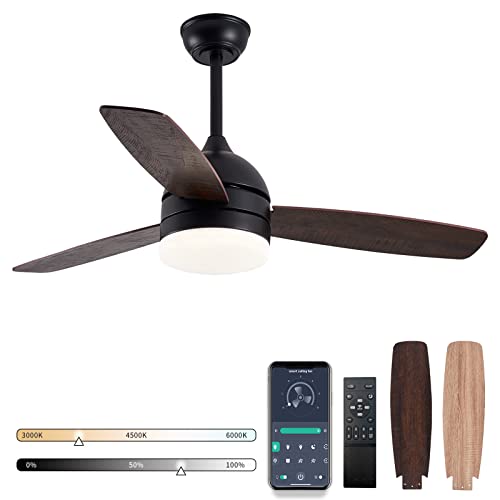
What Is the Purpose of Reversing a Ceiling Fan?

What is the purpose of reversing a ceiling fan often sounds like one of those tiny home questions people ignore for years. Then the room suddenly feels stuffy, the air turns uneven, or the heating bill creeps higher for no obvious reason. Ceiling fans quietly change how a room feels, yet many people never touch the reverse switch sitting right above the blades. Funny enough, that single adjustment can completely change airflow without buying new equipment or cranking the thermostat.
Summer airflow and winter airflow aren't supposed to work the same way. A ceiling fan spinning counterclockwise pushes air downward, creating that familiar breeze people rely on during hot afternoons. Reverse the direction, though, and the fan gently pulls cooler air upward while circulating trapped warm air near the ceiling. That subtle movement helps rooms feel more balanced instead of creating cold spots near the floor and overheated pockets above eye level.
Energy waste sneaks into homes through small habits people rarely think about. Running a ceiling fan in the wrong direction can leave rooms feeling uncomfortable even while the HVAC system works overtime. Proper fan direction supports indoor airflow naturally, which may help reduce how often heating or cooling systems cycle throughout the day. So yeah, something as simple as flipping a switch can make a room feel less chaotic and far more comfortable.
Rooms with tall ceilings usually expose airflow problems faster than smaller spaces. Warm air rises, hangs around overhead, and leaves lower areas cooler than expected during colder months. Reversing the fan creates a softer circulation pattern that redistributes heat without producing a strong draft. That matters because nobody wants warm air trapped ten feet above the couch while their feet stay cold all evening.
Ceiling fan direction also affects how air feels against the skin. A direct breeze during summer creates an evaporative cooling effect that makes temperatures feel lower than they really are. Winter settings work differently by reducing stagnant air instead of blasting airflow downward. The room feels calmer, more balanced, and less stuffy without creating that annoying chilly sensation people often complain about.
Dust, humidity, and stale air can build up faster in rooms with poor circulation. Reversing a ceiling fan occasionally helps keep indoor air moving more evenly throughout the space. While it won't replace proper ventilation or air filtration, consistent airflow reduces that heavy, trapped feeling many rooms develop over time. Little details like this often separate a room that feels fresh from one that feels oddly uncomfortable for no clear reason.
Fan speed matters just as much as blade direction. High speed during winter usually creates too much downward airflow, which defeats the purpose of reversing the fan in the first place. Lower settings keep warm air circulating gently without turning the room drafty. People often miss this step, then assume reversing the fan doesn't work, even though the issue comes from using the wrong speed combination.
Older homes and modern apartments both benefit from better air circulation, though the challenges look slightly different. Small apartments can feel trapped and warm, while larger homes often struggle with uneven temperatures between rooms or floors. Efficient airflow helps smooth out those differences so indoor spaces feel more consistent throughout the day. That's why ceiling fan direction becomes more than just a seasonal adjustment. It directly affects daily comfort.

- LFR Score10.0
LFR Score is a ranking system developed by lightfansreviews.com. LFR Score has no relationship or impact from any manufacturers or sales agent websites. Learn more
- BrandMy Fan Parts

- LFR Score10.0
LFR Score is a ranking system developed by lightfansreviews.com. LFR Score has no relationship or impact from any manufacturers or sales agent websites. Learn more
- BrandSQXBK

- LFR Score9.6
LFR Score is a ranking system developed by lightfansreviews.com. LFR Score has no relationship or impact from any manufacturers or sales agent websites. Learn more
- BrandSwitchPrince

- LFR Score9.0
LFR Score is a ranking system developed by lightfansreviews.com. LFR Score has no relationship or impact from any manufacturers or sales agent websites. Learn more
- BrandReluen

- LFR Score9.0
LFR Score is a ranking system developed by lightfansreviews.com. LFR Score has no relationship or impact from any manufacturers or sales agent websites. Learn more
- BrandHQRP

- LFR Score9.0
LFR Score is a ranking system developed by lightfansreviews.com. LFR Score has no relationship or impact from any manufacturers or sales agent websites. Learn more
- BrandMOTOKU

- LFR Score8.8
LFR Score is a ranking system developed by lightfansreviews.com. LFR Score has no relationship or impact from any manufacturers or sales agent websites. Learn more
- BrandPower & Data

- LFR Score8.6
LFR Score is a ranking system developed by lightfansreviews.com. LFR Score has no relationship or impact from any manufacturers or sales agent websites. Learn more
- BrandAnderic

- LFR Score8.4
LFR Score is a ranking system developed by lightfansreviews.com. LFR Score has no relationship or impact from any manufacturers or sales agent websites. Learn more
- BrandZZLZX
Last update on 2026-05-19 / Affiliate links / Images, Product Titles, and Product Highlights from Amazon Product Advertising API
What Is The Purpose Of Reversing A Ceiling Fan
A room can feel oddly wrong even when the thermostat says everything should be fine. One corner feels stuffy, the couch area feels chilly, and the ceiling seems to hold onto warm air like it paid rent. That’s where what is the purpose of reversing a ceiling fan becomes more than a small switch nobody touches. The reverse setting changes how air moves, helping a room feel steadier, less stale, and easier to live in without constantly poking the thermostat.
Fan Direction Basics
Ceiling fan direction controls whether air is pushed downward or pulled upward. During warm weather, most fans should spin counterclockwise so the blades push air down and create a cooling breeze. That breeze doesn’t actually lower the room temperature, but it helps skin feel cooler by moving air across the body. Pretty simple, right, but that little detail is where many comfort problems start.
During colder months, reversing the fan usually means switching it to a clockwise rotation at a low speed. This motion pulls cooler air upward and nudges warmer air trapped near the ceiling back down along the walls. The result is a gentler circulation pattern that feels less drafty than a downward breeze. Warm air redistribution matters most in rooms with tall ceilings, open layouts, or awkward heating patterns.
The trick is matching direction with the season instead of leaving the fan on one setting all year. A fan spinning the wrong way can make a room feel cooler in winter or fail to provide enough breeze in summer. That creates a weird comfort gap where the HVAC system works, but the room still feels off. Correct rotation helps the fan support the room instead of fighting it.
Some fans use a small switch on the motor housing, while newer models may have a remote or wall control. The location can feel annoying if the fan sits high above the floor, but it’s worth checking before the season changes. A quick direction adjustment often does more for comfort than raising or lowering the thermostat again. To brighten nearby outdoor areas with better visual control, compare gobo light ideas for patterned, focused lighting that adds character without flooding the whole space.
Summer Cooling Comfort
Hot rooms need airflow that people can actually feel. A counterclockwise fan direction pushes air downward, creating a breeze that makes sweat evaporate faster. That’s why summer fan direction feels cooler even though the air temperature stays the same. It’s not magic, but it sure feels like relief after a muggy afternoon.
The biggest mistake is using the fan like an air conditioner. A ceiling fan cools people, not empty rooms. Leaving it running in an empty space wastes electricity because there’s no skin there to feel the moving air. Smart fan use means turning it on while the room is occupied and shutting it off after leaving.
Fan speed also changes the comfort level. Higher speeds work well during sticky weather, especially in rooms with poor airflow or strong sunlight. Lower speeds may be enough during mild evenings when a hard breeze feels annoying. The right speed keeps air moving without papers flying off the coffee table or dry eyes becoming part of the deal.
Rooms with ceiling fans can often feel comfortable at a slightly higher thermostat setting during warm weather. That can reduce pressure on the cooling system, especially during long afternoons when heat builds up indoors. Air movement helps people feel cooler without forcing the AC to do every bit of the work. The fan becomes a support tool, not a replacement for proper cooling.
Winter Heat Circulation
Cold weather creates the opposite problem. Warm air rises, gathers near the ceiling, and leaves the lower part of the room cooler than expected. Reversing the ceiling fan helps move that trapped heat back into the living area. Clockwise rotation at low speed is the key because it circulates air gently without creating a chilly blast.
This matters a lot in rooms with vaulted ceilings or stairway openings. Heat can drift upward and stay there while people sitting below keep turning up the thermostat. Reversed airflow helps break up that layering so warmth spreads more evenly. It’s a small adjustment, but in the right room, it can make the space feel less stubborn.
Low speed is not optional here. A fan running too fast in winter can create a draft, even if the direction is technically correct. That’s why gentle circulation beats aggressive airflow during colder months. The goal is to mix the air, not make the room feel like a wind tunnel.
People often notice the benefit most in the evening. After the heater has run for a while, warm air collects overhead, especially in living rooms, bedrooms, and loft spaces. Reversing the fan helps bring some of that warmth back down where it can actually be felt. For outdoor setups where airflow and lighting both matter, upgrade comfort with a powerful outdoor ceiling fan built for patios, porches, and covered spaces that need stronger movement.
Energy Use And Thermostat Habits
Reversing a ceiling fan can support better energy habits, but it won’t fix every comfort problem by itself. The fan helps distribute air, while the HVAC system still handles heating and cooling. Used together, they can make a room feel more balanced without constant thermostat changes. That’s the practical win.
During summer, a cooling breeze may let people raise the thermostat a little without feeling uncomfortable. During winter, clockwise circulation can help reduce the urge to crank up the heat because warm air isn’t just hanging near the ceiling. Those small changes add up through daily habits. Thermostat discipline gets easier when the room feels even instead of patchy.
Ceiling fans use electricity too, so running them nonstop isn’t automatically smart. The benefit comes from matching fan direction, speed, and room occupancy. A fan spinning in an empty bedroom all day does nothing helpful for comfort. Efficient use means letting the fan help only where people are actually spending time.
Some rooms still need better insulation, sealed air leaks, or HVAC service. A ceiling fan can’t cover up a drafty window, a clogged filter, or a poorly sized heating system. That limitation matters because people sometimes expect too much from one fixture. The fan improves circulation, but the room’s shell and equipment still shape the bigger comfort picture.
Room Types That Benefit Most
Not every room feels the same difference after reversing a fan. Spaces with high ceilings usually benefit more because warm air has more room to rise and separate. Living rooms with open layouts can also feel more even after the fan starts circulating air correctly. Ceiling height plays a huge role in how noticeable the change feels.
Bedrooms can benefit in a quieter, more personal way. Summer direction helps with nighttime cooling, especially for people who sleep hot but don’t want the AC blasting all night. Winter direction can keep air from feeling stale without creating a direct draft over the bed. Sleep comfort often depends on softer airflow rather than stronger airflow.
Kitchens and dining areas can be trickier. Cooking heat, appliance warmth, and changing humidity all affect how the room feels. A fan can move air around, but strong downward airflow may disturb steam, paper napkins, or lightweight decor. That’s where speed control becomes just as important as direction.
Covered patios need a different mindset. Outdoor fans don’t manage heated or cooled air the same way indoor fans do, but direction still affects perceived comfort. Strong downward airflow helps with heat, humidity, and flying insects around seating areas. For low-voltage yard lighting that pairs well with outdoor fan zones, plan safer power distribution with a low voltage transformer that fits path lights, garden beds, and accent fixtures.
Common Direction Mistakes
The most common mistake is setting the fan once and forgetting it exists. A fan left in summer mode during winter can push air downward and make people feel colder. A fan left in winter mode during summer may fail to create the breeze people expect. Seasonal adjustment solves that mismatch before comfort problems pile up.
Another mistake is judging direction while standing directly under the fan without checking the season setting. In summer, airflow should feel noticeable below the blades. In winter, airflow should feel much softer because the fan is pulling air upward instead. Airflow feel tells a lot, but only after the speed is set correctly.
People also confuse blade direction because they look at the fan from the wrong angle. Direction is usually described from standing underneath and looking up at the blades. Counterclockwise from below is the typical summer setting, while clockwise from below is the typical winter setting. That small viewpoint detail saves plenty of head-scratching.
Remote controls can add another layer of confusion. Some fans show direction icons, while others hide the reverse function behind a button combination. A quick check of the manual or motor housing usually clears it up. Reverse controls vary by model, so guessing can waste time and leave the fan spinning the wrong way.
Speed Settings And Draft Control
Fan speed decides whether reversing helps or annoys everyone in the room. Summer can handle stronger airflow because the goal is direct cooling. Winter needs a calmer setting because the goal is circulation, not breeze. That difference sounds small until a high-speed fan makes a heated room feel cold.
Low speed in winter keeps air moving along the ceiling and walls with less noticeable draft. This works especially well in rooms where warm air gathers overhead after the heater runs. The room feels more blended, not blasted. Draft control is the whole point of using reverse mode properly.
Medium speed can work in large rooms, but it depends on ceiling height and seating placement. A fan above a couch may feel too strong even at medium speed, while a fan in a tall foyer may need a little more movement. The best setting is the one that improves comfort without calling attention to itself. Good airflow should feel natural, not bossy.
High speed in reverse mode rarely makes sense indoors during winter. It may stir air quickly, but it often creates discomfort and noise. That tradeoff isn’t worth it for most bedrooms or living spaces. Quiet circulation usually beats raw fan power when heat distribution is the goal.
Switch Timing Through The Year
The best time to reverse a ceiling fan is before the weather fully shifts. Waiting until a room feels uncomfortable usually means the thermostat has already been doing extra work. A quick check during seasonal cleaning is easier than troubleshooting comfort after the fact. Routine fan adjustment keeps the switch from becoming one of those forgotten household mysteries.
Spring and fall are good moments to test both directions. These shoulder seasons often bring mixed temperatures, so rooms may need cooling one day and gentle circulation the next. Running the fan briefly in each direction helps confirm the switch still works. It also gives a better feel for which speed suits the room.
Dust buildup deserves attention before switching direction. Reversing a dusty fan can send debris into the air, especially after months of sitting in one mode. Wiping the blades first keeps airflow cleaner and prevents dust from raining down onto furniture. Clean blades move air better and make the fan less noisy.
Homes with multiple fans may need a small routine. Bedrooms, living rooms, and covered patios may not all need the same direction at the same time. A room-by-room check works better than treating every fan the same. Room-specific airflow gives better results because each space has its own heat, ceiling height, and comfort pattern.
Best Ceiling Fan Direction For Summer And Winter
Little comfort problems tend to pile up slowly. The upstairs bedroom feels warmer than the rest of the house, the living room gets chilly near the floor, and somebody keeps touching the thermostat every few hours. Those patterns usually point back to air circulation problems, not always the heating or cooling system itself. That’s why learning the best ceiling fan direction for summer and winter can make everyday rooms feel steadier without turning the house into a constant temperature battle.
How Blade Pitch Changes Airflow
Blade pitch affects how aggressively a ceiling fan moves air through the room. Steeper blade angles usually push more air downward, while flatter designs may feel softer and quieter. That difference becomes obvious during summer because stronger airflow creates a more noticeable cooling effect. A weak blade pitch can leave large rooms feeling stale even when the fan runs nonstop.
Cheap fans sometimes struggle because the blades flex too much at higher speeds. That wobble reduces consistent airflow and adds noise people eventually get tired of hearing. Better blade construction helps the fan move air evenly without sounding like it’s trying to take off from the ceiling. Small design details matter more than people expect.
Room size also changes how airflow feels. A compact bedroom may only need gentle circulation, while an oversized living area requires broader air movement. Fans with wider blade spans tend to distribute air more evenly across open spaces. Explore large industrial ceiling fans for oversized rooms where ordinary airflow barely reaches beyond the center of the ceiling.
Blade material changes long-term performance too. Lightweight composite blades resist humidity better than some thin wood styles that may warp over time in damp climates. Warped blades affect balance, airflow consistency, and overall comfort. Balanced airflow depends on the entire fan setup working together instead of one part carrying all the load.
Why Some Rooms Still Feel Stuffy
A ceiling fan can spin all day and still fail to fix a stuffy room. Closed doors, blocked vents, thick curtains, and poor insulation all interfere with airflow patterns. The fan helps circulate air, but trapped heat and humidity still need somewhere to go. Ventilation balance matters just as much as blade direction.
Kitchens often hold heat longer because appliances constantly release warmth into the air. Even with the fan reversed properly, cooking zones may still feel warmer than nearby rooms. That doesn’t mean the fan setting failed. It simply means heat sources continue feeding warm air into the space faster than circulation alone can redistribute it.
Humidity creates another hidden problem. Damp indoor air feels heavier and less comfortable even at moderate temperatures. Ceiling fans improve evaporation against the skin, but they don’t remove moisture from the room itself. Air conditioning, ventilation, and airflow all need to work together for the space to feel balanced.
Furniture placement affects airflow more than most people realize. Large shelving units, tall cabinets, or oversized sectionals can interrupt circulation patterns. The room ends up with dead zones where air barely moves. Open airflow paths help ceiling fans distribute comfort more evenly instead of concentrating movement in one spot.
Ceiling Height And Air Movement
Ceiling height changes how fan direction behaves inside a room. Standard ceilings around eight or nine feet typically feel airflow quickly because the blades sit closer to occupied space. Taller ceilings create more separation between people and circulating air. That extra height can trap warmth overhead unless the fan helps redistribute it.
Vaulted ceilings often exaggerate temperature layering during winter. Heat naturally rises and hangs near the upper portion of the room while the lower level stays cooler. Reversing the fan on low speed helps break up those layers without blasting cold air downward. The effect feels subtle at first, then suddenly the room feels easier to relax in.
Short ceilings need a softer approach. A fan mounted too close to people can create an overwhelming breeze, especially at higher speeds. That’s why lower ceilings often benefit from medium or low settings even during hot weather. Comfort should feel steady instead of aggressive.
Outdoor patios with high overhead structures may require stronger airflow because heat lingers above seating areas. Larger blades and stronger motors usually perform better in those spaces. Improve evening visibility around those seating zones with tips from make ceiling fan light brighter setups that help covered patios feel less dim and closed in after sunset.
Noise Problems And Fan Direction
People often blame fan direction for noise even though the real issue comes from loose parts or dirty blades. Clicking sounds may point to loose screws, while humming often comes from motor vibration or dimmer compatibility problems. Reversing the fan simply changes airflow patterns, making existing noise more noticeable. Noise control starts with maintenance before replacing the entire fixture.
Dust buildup creates uneven blade weight over time. One blade collects more debris, balance shifts slightly, and the wobble begins. That wobble may feel minor at first, but eventually it creates distracting noise during quiet evenings. Cleaning the blades regularly helps airflow stay smooth and keeps movement more stable.
Loose mounting brackets can also cause rattling. Some people immediately suspect the motor is failing, but a quick hardware check often solves the issue. Ceiling fans naturally vibrate a little while moving air, so secure mounting matters. Tiny hardware problems can make a decent fan feel far worse than it actually is.
Speed settings influence noise too. High speed naturally creates more airflow sound, especially in larger rooms. Reverse mode at low speed usually stays quieter because the air movement feels gentler overall. Low-speed circulation tends to create the calmest indoor environment during colder seasons.
Seasonal Cleaning Before Reversing
Dusty fan blades can make reversing the fan feel like a bad idea within seconds. Dirt collected during one season gets tossed back into the air once airflow changes direction. That dust settles on furniture, floats through bedrooms, and irritates allergies. Cleaning before switching directions prevents that annoying surprise.
Microfiber cloths usually work best because they trap dust instead of scattering it. Some people use pillowcases to slide over each blade and catch debris while wiping. The method looks silly at first, but it keeps dust from drifting all over the room. Simple routines save a lot of cleanup later.
Fan motors benefit from occasional inspection too. Loose screws, cracked blade arms, or worn pull chains often show up during seasonal cleaning. Catching those issues early prevents larger wobbling problems later. A few extra minutes can extend the fan’s usable life significantly.
Glass light covers collect grime faster than many homeowners realize. A dirty light kit makes the room feel dim even if the bulbs themselves are fine. Clean covers improve brightness immediately without changing the fixture. Cleaner airflow and better lighting help the entire room feel fresher after a seasonal reset.
Remote Controls And Smart Fan Features
Modern fans sometimes hide basic controls behind complicated remotes. Reversing direction may require pressing and holding buttons instead of flipping a visible switch. That confusion leads some people to assume their fan doesn’t even support reverse mode. Smart fan controls simplify things once the setup makes sense, but the learning curve can feel annoying at first.
Wall controls help reduce daily frustration because speed and direction adjustments stay accessible. Climbing onto furniture just to flip a tiny switch gets old fast, especially with tall ceilings. Remote access encourages people to actually use seasonal settings instead of ignoring them. Convenience changes habits.
Some smart fans connect with home automation systems and scheduled routines. The fan can automatically switch speeds depending on room temperature or time of day. That sounds fancy, but practical comfort is the real advantage. Small automation tweaks can make airflow feel more consistent throughout the week.
Technology still has limits, though. Smart features won’t fix poor insulation or airflow blocked by furniture placement. Fancy controls help manage circulation more easily, but the room itself still determines how comfortable the air feels. Physical airflow always matters more than flashy settings on an app screen.
Signs The Fan Direction Is Wrong
A room usually gives clues when the fan direction doesn’t match the season. Winter airflow feels drafty instead of balanced, or summer airflow barely cools the space at all. Those discomfort patterns tend to show up gradually, which is why people often blame the thermostat first. Comfort imbalance usually points toward airflow before anything else.
Paper movement can reveal airflow direction quickly. In summer mode, lightweight objects below the fan may shift slightly from the downward breeze. Winter mode should create gentler movement because air circulates upward first. Watching airflow patterns helps confirm the direction without guessing.
Body temperature tells the story too. If the room feels colder during winter even while the heat runs regularly, the fan may still spin counterclockwise at high speed. That downward airflow creates a cooling sensation people mistake for heating problems. Reversing the direction often fixes the issue faster than adjusting the thermostat again.
Summer discomfort feels different. Air may seem stagnant even while the blades spin overhead. That often means the fan is still running in winter mode and failing to push enough air downward. Correct blade rotation creates noticeable comfort changes within minutes once the settings match the season properly.


Best Small Flush Mount Ceiling Fans 2026 Ultimate Picks

Best Smart Ceiling Fan India 2026 For Effortless Comfort

Best Smart Ceiling Fans with Lights for 2026: Top Picks

Best Smart Home Non Ceiling Fans 2026 For Ultimate Comfort

Best Outdoor Misting Ceiling Fan 2026 For Ultimate Comfort

Best Outdoor Ceiling Fans For Porch 2026 With Style And Breeze

Best Smart Bulb For Ceiling Fan 2026 That Brightens Life
Best Smart Ceiling Fan Control 2026 For Effortless Comfort