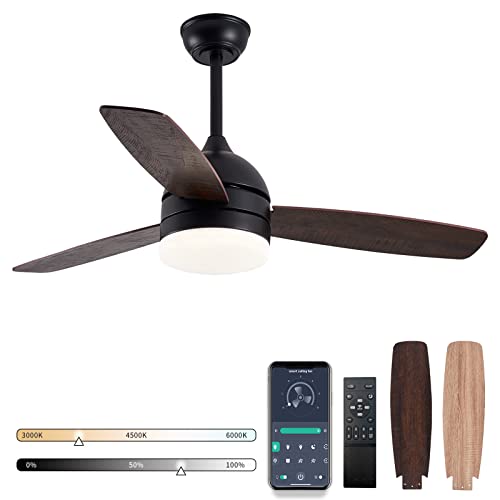
What Is the Shortest Downrod for Ceiling Fan?

What Is the Shortest Downrod for Ceiling Fan becomes a surprisingly big question once low ceilings, wobbling blades, and awkward airflow start causing headaches around the house. Plenty of rooms simply don't have enough vertical space for a long hanging fan, especially in apartments, basements, older homes, or renovated spaces with lowered ceilings. A bulky setup can make a room feel cramped fast. Worse yet, poor clearance may create safety concerns that nobody wants to deal with after installation day.
Short ceiling fan downrods exist for one main reason: keeping the fan close enough to the ceiling while still allowing proper blade movement and airflow. That's where many homeowners hit a wall. Flush mount fans sometimes reduce airflow too much, but oversized downrods can leave people ducking their heads every time they walk underneath. A compact downrod creates a middle ground that feels practical instead of frustrating. Small details like a 6-inch downrod versus a 12-inch downrod can completely change how the fan performs in tighter spaces.
Ceiling height changes everything. Standard rooms usually work well with shorter rods because the fan can still circulate air effectively without hanging too low. Vaulted ceilings, though, play by different rules and often need extra length for balanced airflow. So, the shortest option isn't automatically the smartest option for every setup. A fan mounted too close to the ceiling may struggle to move air efficiently, especially during hot summer months when circulation matters most.
Another issue sneaks in during installation. Some fans only support specific downrod lengths made by the same manufacturer. People often assume every short rod fits every fan, then end up dealing with wobble problems, threading mismatches, or unstable mounting. That's a costly mistake. Checking compatibility before installation saves a ton of irritation later, especially with heavier modern ceiling fans.
Style also enters the conversation more than expected. Shorter downrods create a cleaner, tighter visual profile that works well in contemporary interiors, compact bedrooms, and minimalist spaces. Long hanging fans can overpower smaller rooms visually, making ceilings appear lower than they actually are. A compact setup keeps proportions balanced while still maintaining solid airflow performance. Little adjustments like this can make a room feel more open without touching the walls or furniture.
Noise becomes another hidden factor. Fans mounted improperly or hanging at awkward heights often create humming, rattling, or vibration issues over time. A properly sized short downrod helps stabilize movement and reduces unnecessary stress on mounting hardware. That means fewer annoying sounds during quiet evenings or overnight use. Nobody wants a ceiling fan that sounds like loose kitchenware spinning overhead.
Maintenance matters too, believe it or not. Shorter downrods make cleaning fan blades easier because the fan stays more accessible without needing oversized ladders or risky balancing acts. Dust buildup impacts both air quality and fan efficiency, so easier maintenance becomes a real advantage over time. A fan that's simple to clean usually stays cleaner longer.
Room function also changes the ideal setup. Bedrooms often benefit from lower-profile installations that feel quieter and visually softer, while kitchens and utility rooms may prioritize stronger airflow over aesthetics. A compact downrod works differently depending on the room layout, furniture placement, and even lighting fixtures nearby. That's why blindly buying the shortest available rod rarely ends well.

- LFR Score9.8
LFR Score is a ranking system developed by lightfansreviews.com. LFR Score has no relationship or impact from any manufacturers or sales agent websites. Learn more
- BrandFEHEED

- LFR Score9.6
LFR Score is a ranking system developed by lightfansreviews.com. LFR Score has no relationship or impact from any manufacturers or sales agent websites. Learn more
- BrandGHHQIANG

- LFR Score9.6
LFR Score is a ranking system developed by lightfansreviews.com. LFR Score has no relationship or impact from any manufacturers or sales agent websites. Learn more
- BrandBaYiToo
- LFR Score9.2
LFR Score is a ranking system developed by lightfansreviews.com. LFR Score has no relationship or impact from any manufacturers or sales agent websites. Learn more
- BrandFEHEED

- LFR Score9.2
LFR Score is a ranking system developed by lightfansreviews.com. LFR Score has no relationship or impact from any manufacturers or sales agent websites. Learn more
- BrandAICWIOO

- LFR Score9.2
LFR Score is a ranking system developed by lightfansreviews.com. LFR Score has no relationship or impact from any manufacturers or sales agent websites. Learn more
- BrandSibosen

- LFR Score9.2
LFR Score is a ranking system developed by lightfansreviews.com. LFR Score has no relationship or impact from any manufacturers or sales agent websites. Learn more
- BrandKichler

- LFR Score9.0
LFR Score is a ranking system developed by lightfansreviews.com. LFR Score has no relationship or impact from any manufacturers or sales agent websites. Learn more
- BrandDPXMYG
Last update on 2026-05-19 / Affiliate links / Images, Product Titles, and Product Highlights from Amazon Product Advertising API
What Is The Shortest Downrod For Ceiling Fan
Low ceilings can make a ceiling fan feel like it’s hanging right in your personal space. A few inches may not sound like much, but those inches decide whether the fan feels clean and tucked-in or awkward and too low. The real answer to what is the shortest downrod for ceiling fan depends on the fan model, ceiling height, and how much blade clearance the room can safely handle. Most short downrods start around 3 inches to 6 inches, though some fans need brand-specific rods to fit correctly.
Shortest Downrod Size
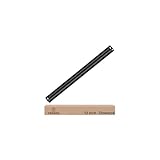
The shortest downrod for ceiling fan is commonly around 3 inches, but not every fan accepts one that short. Some brands offer a 4-inch or 6-inch downrod as their smallest safe option because the motor housing, canopy, and wiring need enough room to sit properly. That tiny gap between the fan and ceiling isn’t just for looks. It helps the blades move air instead of choking against the ceiling.
A short downrod works best in rooms where a standard rod makes the fan hang too low. Bedrooms, home offices, hallways, and small dining spaces often benefit from a tighter profile. Still, shorter doesn’t always mean better. A fan mounted too close to the ceiling can lose airflow, especially if the blades sit less than several inches below the surface.
Ceiling fans also need safe walking clearance. A common guideline is to keep fan blades at least 7 feet above the floor, which matters a lot in rooms with 8-foot ceilings. A long rod might look dramatic in a showroom, but at home it can turn into a head-bumping problem. That’s why short rods and low-profile fans exist in the first place.
Compatibility deserves a hard look before buying. Downrods are not always universal, even if they look similar in product photos. Thread size, pin holes, wiring space, finish, and mounting design can vary between manufacturers. Using the wrong short downrod may cause wobbling, loose mounting, or annoying vibration later.
Why Ceiling Height Changes Everything
Ceiling height is the first thing to measure before picking a short downrod. An 8-foot ceiling usually calls for either a flush mount fan or the shortest manufacturer-approved downrod. A 9-foot ceiling gives more breathing room, so a slightly longer rod may improve airflow without making the fan feel low. That extra inch or two can make the difference between a fan that circulates air well and one that mostly spins in place.
Rooms with sloped ceilings add another wrinkle. A very short downrod may not give the blades enough clearance from the ceiling angle. In that setup, the fan might need a longer rod even if the room feels compact. Safety beats style every single time, especially with angled ceilings and wider blade spans.
A flat ceiling in a small room is usually more forgiving. Short rods can keep the fan visually neat while helping the room feel open. This matters in apartments or older homes where the ceiling already feels close. A compact fan profile can make the whole space feel less cramped without changing the ceiling itself.
Airflow still needs room to breathe. Fan blades pull and push air around the motor housing, so a fan jammed too close to the ceiling may underperform. The goal is balanced clearance, not just the shortest possible rod. A fan should feel comfortable overhead and still move enough air to cool the room.
Short Downrod Versus Flush Mount
A short downrod and a flush mount fan are not the same thing. A short downrod still creates a little space between the ceiling and the fan body. A flush mount ceiling fan, often called a hugger fan, sits closer to the ceiling with little or no rod showing. Both help with low ceilings, but they solve the problem in different ways.
Flush mount fans usually win in rooms with very tight clearance. They keep the blades as high as possible, which helps prevent the fan from feeling intrusive. The tradeoff is airflow. Since the blades sit closer to the ceiling, some hugger fans may move less air than a similar fan on a short downrod.
A short downrod gives the fan slightly more room to work. That gap can improve air circulation, reduce strain on the motor, and make the fan feel more balanced in the room. It also creates a more traditional ceiling fan look without hanging too far down. For many standard 8-foot ceilings, this can be a sweet spot.
The better choice depends on the room. A compact bedroom with a low ceiling may need a flush mount design. A living room with just enough clearance may perform better with a 3-inch or 6-inch downrod. For extra airflow in small spaces, compare portable cooling backup options like best usb powered portable fan before relying on one ceiling fan to handle every hot corner.
Clearance And Safety Rules
Blade height matters more than the downrod length printed on the box. A short downrod can still hang too low if the fan body is bulky or the blade arms drop sharply. Always measure from the floor to the lowest point of the fan blades, not just to the motor housing. That’s the number that affects daily comfort and safety.
Most rooms feel better when blades sit at least 7 feet above the floor. Taller rooms can place blades closer to 8 or 9 feet for stronger air movement across the space. Low ceilings leave less room for error, so every inch counts. A decorative fan with a deep motor housing may not be the smartest pick for a compact room.
Furniture placement also matters. A fan above a bed, dining table, or seating area may feel less intrusive than one centered over a walking path. Still, nobody wants blades hovering too close during everyday movement. The safest setup gives enough clearance for people, furniture, and airflow to coexist without feeling forced.
Outdoor ceiling fans need extra caution. Pergolas, patios, and covered porches often have beams, uneven mounting points, and wind exposure. To plan airflow for outdoor seating without guessing, explore best outdoor fan for pergola before using an indoor-style short downrod outside. Outdoor-rated hardware and stable mounting matter more than a low-profile look.
Fit Problems That Cause Wobble
A fan can look fine after installation and still wobble once it starts spinning. The culprit is often a mismatch between the downrod, mounting bracket, and fan body. Even a small alignment issue can create vibration at higher speeds. That’s why manufacturer-approved downrods are usually safer than random universal rods.
Threaded downrods need to seat firmly into the fan coupler. Pin-style rods need the right holes, clips, and locking hardware. If those parts don’t line up cleanly, the fan may sway, click, or hum. Short rods leave less room for adjustment, so sloppy fit becomes obvious fast.
Weight also plays a role. Larger ceiling fans put more stress on the mounting system, even with a short rod. A heavy fan on a weak or incompatible rod is asking for trouble. The safest route is using a ceiling fan-rated electrical box, proper mounting hardware, and a rod designed for that exact fan series.
Small home fixes can overlap during renovation work. Separately, if lighting repairs are also on the list, use a careful guide like how to remove refrigerator light bulb cover instead of forcing plastic covers or guessing at hidden clips. Different fixtures, same lesson: the right method prevents broken parts.
Airflow Tradeoffs With Very Short Rods
A very short downrod can make a ceiling fan look cleaner, but airflow may take a hit. Fan blades need open space above them to pull air efficiently. If the ceiling blocks that space, the fan may run without creating the breeze people expect. That can feel pretty frustrating after the work of installation.
Blade span affects the outcome too. A large fan with wide blades may need more ceiling clearance than a compact fan. Short rods pair better with fans designed for low ceilings, especially models with shallow motor housings and efficient blade pitch. The whole design matters, not just the rod length.
Noise may increase if the fan is too close to the ceiling or mounted with the wrong hardware. Air turbulence can create a faint rushing sound, while loose hardware can lead to rattles. A properly fitted short downrod helps reduce those problems. The fan should sound steady, not like it’s arguing with the ceiling.
The smartest setup balances clearance, airflow, and visual proportion. A 3-inch rod may work beautifully for one fan and poorly for another. A 6-inch rod may look slightly lower but move air better. That’s the practical tradeoff many homeowners miss while chasing the shortest possible option.
Best Downrod Length For Low Ceiling Fans
Living with a low ceiling changes how every ceiling fan feels once it’s installed. A fan that looked sleek in the store can suddenly feel oversized, noisy, or awkwardly close to your head at home. That’s why the conversation around best downrod length for low ceiling fans matters more than most people expect. The right setup creates better airflow, safer clearance, quieter performance, and a cleaner visual balance across the entire room.
Small Rooms Need Different Fan Spacing
Compact rooms expose ceiling fan problems fast. A long downrod can make the blades dominate the room visually, especially above beds or dining tables. Short downrods help tighten the profile so the fan feels connected to the ceiling instead of hanging awkwardly in the middle of the space. That subtle adjustment can make a small bedroom feel noticeably more open.
Air movement behaves differently in smaller rooms too. Strong airflow bouncing around a tight space may create cold spots or uncomfortable drafts if the fan hangs too low. A shorter downrod keeps circulation more balanced while maintaining safe clearance overhead. The fan still moves air, but it doesn’t feel aggressive or intrusive.
Furniture placement matters more than people realize. A fan centered above a sofa or bed can tolerate a slightly lower profile because nobody walks directly underneath it all day. Hallways and compact kitchens leave less margin for error, though. A short downrod helps maintain breathing room without sacrificing fan performance.
Lighting can also affect how low a fan feels visually. Rooms with darker ceilings or bulky light kits may appear more cramped once the fan is installed. Soft ambient lighting from best solar lamps indoor home can help smaller spaces feel brighter and less crowded without relying entirely on a large ceiling fixture.
Blade Size Impacts Short Downrods
Not every ceiling fan works well with the shortest rod available. Larger blade spans often need more breathing room between the blades and ceiling surface. A fan with oversized blades mounted too close to the ceiling may struggle to circulate air efficiently. That’s why blade diameter and downrod length need to work together instead of fighting each other.
A compact 42-inch fan usually adapts better to a short rod than a wide 60-inch fan. Smaller blades create less visual bulk and often feel more natural in low-ceiling spaces. Bigger fans may technically fit, but the room can start feeling crowded fast. That balance between blade span and ceiling clearance affects both comfort and appearance.
Blade pitch also changes airflow performance. Steeper blade angles push more air but may require better spacing from the ceiling for smooth circulation. A shallow blade pitch may look sleek yet struggle during hot weather if the room already lacks airflow. The fan should match how the room actually feels during daily use, not just how it looks online.
Motor strength matters too. Some low-profile fans compensate for reduced clearance using stronger motors and carefully shaped blades. Others rely heavily on open space above the blades to move air properly. Reading installation specifications carefully saves frustration later, especially with modern decorative fans that prioritize style over airflow.
Noise Problems Often Start Above The Ceiling
A noisy ceiling fan rarely starts with the blades alone. Loose mounting brackets, poor electrical box support, or mismatched downrods often create the humming and wobbling people complain about later. Short downrods can reduce movement, but only if the mounting system underneath is solid. A shaky ceiling connection turns even expensive fans into annoying background noise.
Ceiling fan-rated electrical boxes make a huge difference. Standard light fixture boxes may not safely support the constant movement created by spinning fan blades. That movement builds slowly over time. Months later, tiny vibrations can turn into clicking noises, loose screws, or unstable mounting.
Blade balancing also gets overlooked during installation. A slightly warped blade or uneven blade arm can create constant wobble that feels worse with low ceilings because the fan sits closer to ear level. Proper balancing kits help smooth out rotation and reduce unnecessary vibration. The difference feels surprisingly noticeable during quiet evenings.
People sometimes worry about ceiling fans falling entirely, especially after hearing strange noises overhead. Realistically, properly installed fans are generally secure, but loose hardware should never be ignored. For added peace of mind, review practical safety concerns through how often do ceiling fans fall before dismissing unusual movement or vibration.
Short Downrods And Seasonal Comfort
Summer airflow usually gets all the attention, yet winter performance matters too. Ceiling fans help redistribute warm air trapped near the ceiling during colder months. A fan mounted too close to the ceiling may struggle to pull and redirect that trapped heat efficiently. Proper spacing improves year-round comfort instead of helping only during hot weather.
Fan direction changes seasonally for a reason. Counterclockwise rotation creates a cooling breeze in warmer weather, while clockwise rotation helps circulate warm air more gently during winter. A short downrod still allows that seasonal airflow adjustment, though extremely tight ceiling clearance may slightly reduce efficiency. Small differences become more noticeable in larger rooms.
Humidity also changes how airflow feels. A fan that seems adequate during dry weather may feel weak during humid summer afternoons. That’s one reason some homeowners regret ultra-flush installations later. A slight gap from a short downrod can improve airflow enough to make the room feel noticeably fresher.
Bedrooms often benefit the most from balanced airflow. Too much direct air can feel uncomfortable overnight, while weak circulation leaves the room stuffy. A properly sized short downrod helps create steady movement without blasting air aggressively across the bed. The room feels calmer and more consistent throughout the night.
Visual Balance Changes The Whole Room
Ceiling fans affect room proportions more than people expect. A fan hanging too low can visually shrink the room even if the actual ceiling height hasn’t changed. Short downrods help maintain cleaner sightlines, especially in apartments, condos, and older homes with standard ceiling heights. The room simply feels less cluttered overhead.
Fan finish and blade color also influence visual weight. Dark blades on a low ceiling may feel heavier and more dominant, while lighter finishes tend to blend into the ceiling more naturally. That doesn’t mean darker fans are wrong. They just need better proportion and placement to avoid overwhelming smaller rooms.
Light kits can complicate things. Some decorative fixtures extend farther downward than expected, reducing clearance even if the downrod itself is short. Measuring total fan height before installation prevents unpleasant surprises later. A compact fan body often works better than a bulky designer fixture in low-ceiling rooms.
Open-concept layouts create different challenges. One oversized fan may not circulate air evenly across connected spaces, especially if the ceiling height changes between rooms. In some homes, two smaller low-profile fans perform better than one massive fixture hanging from the center of the ceiling.
Maintenance Feels Easier With Lower Profiles
Cleaning ceiling fans becomes a chore quickly if the fixture hangs too high or sits in an awkward spot above furniture. Short downrods make blade access easier without dragging out oversized ladders every few weeks. Dust buildup affects both airflow and indoor air quality over time. Easier access usually means fans actually get cleaned instead of ignored.
Low-profile setups also simplify seasonal maintenance. Tightening screws, checking blade stability, and cleaning motor housings take less effort when the fan remains accessible. Small maintenance habits help fans stay quieter and more stable over the long haul. Ignoring loose hardware almost always leads to bigger headaches later.
Pets and indoor dust can accelerate buildup faster than expected. Ceiling fans near kitchens may collect grease residue that attracts even more dust over time. A compact fan mounted with the correct short downrod remains easier to wipe down regularly without climbing dangerously high. That practical convenience matters more after months of ownership than it does during shopping.
Long-term reliability usually comes down to proper installation, realistic sizing, and regular upkeep. A carefully selected short downrod keeps the fan stable, balanced, and visually comfortable without sacrificing too much airflow. The smallest rod available may not always be the smartest move, but the right short downrod can make a low ceiling feel far less restrictive every single day.


Best Small Flush Mount Ceiling Fans 2026 Ultimate Picks

Best Smart Ceiling Fan India 2026 For Effortless Comfort

Best Smart Ceiling Fans with Lights for 2026: Top Picks

Best Smart Home Non Ceiling Fans 2026 For Ultimate Comfort

Best Outdoor Misting Ceiling Fan 2026 For Ultimate Comfort

Best Outdoor Ceiling Fans For Porch 2026 With Style And Breeze

Best Smart Bulb For Ceiling Fan 2026 That Brightens Life
Best Smart Ceiling Fan Control 2026 For Effortless Comfort