
What Is the Size of a Standard Light Bulb Socket?

A burned-out bulb sits on the kitchen counter while someone peers into the threaded metal socket of a dark table lamp. Across North America, that everyday opening is an E26 socket, measuring 26 millimeters wide, or roughly one inch across. It matches the classic screw base found in standard living room lamps, pendant fixtures, and hallway ceiling domes.
A few household details can shift that measurement. European fixtures and imported lamps usually take an E27 bulb, which is just one millimeter wider than the American standard. Small dining chandeliers rely on thinner candelabra sockets, while certain recessed spotlights ditch screw threads entirely for two-pin twist connections. Learning how to check the socket width and read base labels saves a frustrating return trip to the hardware store.
The Exact Standard Socket Dimensions in Inches and Millimeters
In North America, the standard light bulb socket measures 26 millimeters across the opening, which equals roughly 1.02 inches, or just over one inch. In retail stores and electrical catalogs, this size is officially designated as an E26 base, commonly called a standard medium screw base. When you buy a basic household light bulb in the United States or Canada, it almost always has this 26-millimeter base.
Many homeowners confuse the size of the socket base with the overall shape of the glass bulb. It is very common to see the code "A19" on a bulb package and assume that A19 refers to the socket. In reality, A19 describes the classic teardrop glass bulb shape commonly used in table lamps and hallway ceiling mounts. The code E26 describes only the threaded metal cup at the bottom that screws into the socket. Round vanity globe bulbs (labeled G25), wide flood bulbs for recessed ceiling cans (labeled BR30), and directional indoor spotlight bulbs (labeled PAR20) all share this exact same E26 standard screw base.
The threaded metal shell of an E26 socket does more than hold the bulb in place; it forms half of the electrical circuit. Turning the bulb clockwise brings the outer screw threads into contact with the neutral side of your household wiring. At the center of the socket bottom sits a flexible metal tab, usually brass or copper. When the bulb is fully seated, the contact button at the tip of the bulb base presses against this tab, delivering the hot electrical current. Knowing how these two contacts work makes it simple to spot dirty connections, bent tabs, or mismatched bulbs.
Decoding Bulb Base Codes from Candelabra to Mogul
The letter "E" in base codes stands for Edison, honoring Thomas Edison, who developed the screw base design. The number that follows gives the exact exterior diameter of the threaded base in millimeters. Once you know this numbering system, reading any light bulb package becomes second nature.
While the E26 medium screw base is the most common size in residential lighting, homes frequently rely on a few other socket types:
- E12 candelabra base: Measures 12 millimeters across (about 0.47 inches, or roughly half an inch). This small screw base is standard for dining room chandeliers, decorative wall sconces, and ceiling fan light kits.
- E39 mogul base: Measures 39 millimeters across (about 1.53 inches). This is a large commercial screw base used in high-output floodlights, barn fixtures, and industrial shop lights.
- GU10 twist-and-lock two-prong base: Instead of screw threads, this socket features two small metal pins with wider feet spaced 10 millimeters apart. You push the bulb into the socket and give it a slight clockwise quarter-turn to lock it into place, common in track heads and mini spotlights.
- GU5.3 two-pin push-in base: Features two thin straight pins spaced 5.3 millimeters apart that slide directly into low-voltage recessed puck lights and under-cabinet fixtures without twisting.
When shopping for replacement bulbs, retail packaging highlights brightness in lumens rather than electrical power in watts. Instead of guessing based on old incandescent watt ratings, shop by lumens to get the brightness you want. A bulb producing around 450 lumens replaces a classic 40-watt bulb, 800 lumens replaces a 60-watt bulb, 1,100 lumens replaces a 75-watt bulb, and 1,600 lumens matches a bright 100-watt bulb.
Retail boxes also list color temperature ratings in Kelvin to describe room ambiance. A rating of 2700K produces a soft warm white with a cozy, amber glow for bedrooms and living rooms. A 3000K bulb provides a warm white that looks clean and crisp in bathrooms and vanity mirrors. A 4000K bulb yields a natural or cool white for kitchens, and 5000K provides a daylight white tint that works well for task lighting in workbenches and laundry rooms. If your fixture features an open pendant or clear glass shade where the lamp remains visible, finding the best bulb for exposed light fixtures pairs that standard medium base with attractive exposed filaments.
How to Measure Your Lamp Socket and Spot E26 vs. E27 Differences
Safety comes first when working with lighting fixtures. Before putting fingers, a ruler, or tools near a socket, cut the power. For a plug-in lamp, pull the cord from the wall outlet. For a ceiling fixture or wall sconce, switch off the breaker at your electrical panel. Never rely on just a wall switch, because older home wiring can leave live voltage present at the fixture. Let any recently used bulb cool down, just as you would when reviewing how to change a halogen light bulb safely at home, to prevent burns.
Once the power is off, use this quick checklist to confirm your socket size at home:
- Check the manufacturer markings: Look closely at the porcelain or plastic rim inside the socket cup. Most certified fixtures have the base type stamped directly into the material, often reading "E26" or "660W 250V".
- Compare the opening to a U.S. quarter: A standard U.S. quarter measures roughly 24.26 millimeters across (about 0.95 inches). If you hold a quarter up to the mouth of the socket, it should fit right across the rim with just a tiny sliver of space to spare. If the socket opening is far too small for a coin and looks closer to the width of a AAA battery, you have an E12 candelabra socket.
- Measure across the opening with a ruler: Place a ruler across the center of the socket mouth. Measure from the inner metal thread on one side straight across to the inner thread on the other side. An E26 standard socket will measure right around 1 inch (26 millimeters).
- Check an existing working bulb: If you have a bulb that already fits, unscrew it and examine the base. Manufacturers often print the base size, lumen output, and voltage in faint gray lettering directly on the collar just above the screw threads.
You might also encounter fixtures or bulbs labeled E27, especially when buying fixtures online from overseas sellers. An E27 base is the standard household size used across Europe and parts of Asia. It measures 27 millimeters across, making it only one millimeter wider than the North American E26 standard. Because that difference is so small, an E27 bulb will physically screw into an E26 socket without sticking.
Even though they fit mechanically, watch out for electrical differences. European power grids run on 220 to 240 volts, whereas North American homes use 120 volts. A bulb manufactured strictly for 230-volt power will glow very dimly or not at all in a standard 120-volt fixture. Also, E27 sockets have slightly deeper thread wells. Screwing an American E26 bulb into an imported E27 socket can leave live metal threads exposed above the rim, creating a potential shock hazard if someone touches the base while the fixture is turned on.
Choosing Replacement Sockets, Extenders, and Practical Adapters
When an existing lamp socket wears out or sits too deep inside a fixture housing, the right replacement socket or adapter can restore your lighting without replacing the entire fixture. Standard medium screw sockets come in several materials, depending on where the light sits and how much heat it produces.
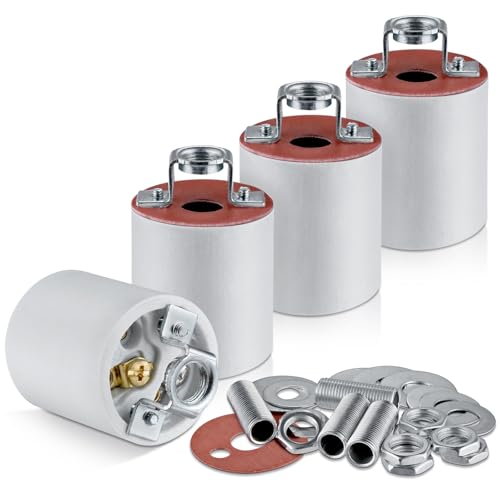
For high-heat environments or fixtures using traditional incandescent or halogen bulbs, porcelain or ceramic sockets are the safest option. Ceramic handles high heat without scorching, melting, or becoming brittle over time. These sockets usually come with heat-resistant wire leads or simple screw terminals for direct wiring. If you are fixing an enclosed ceiling dome, a workshop trouble light, or an outdoor porch lantern, a ceramic holder provides superior durability and fire resistance. For basic decorative table lamps using cooler LED bulbs, standard phenolic plastic sockets work well, offering lightweight shells that are easy to assemble.
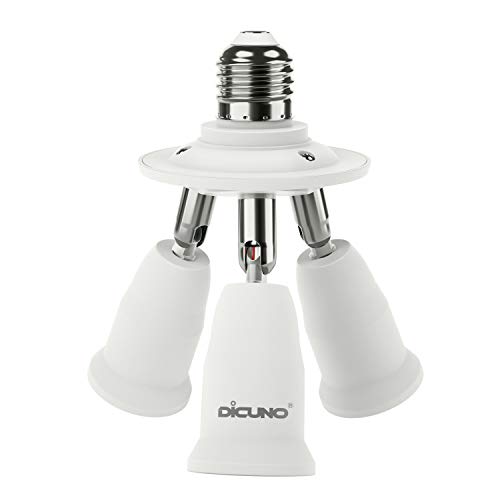
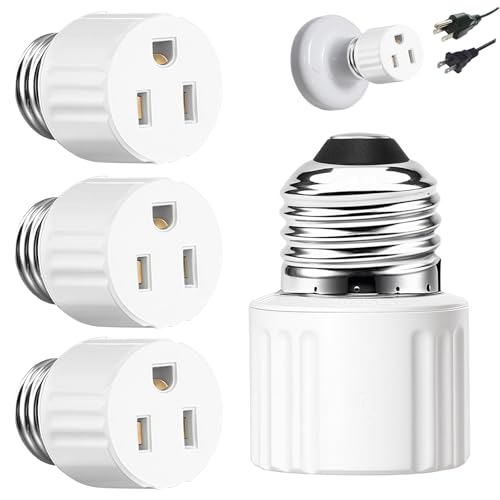
Socket extenders solve a completely different problem: bulbs that sit so far up inside a recessed can or deep glass shade that the light cannot spread out. A standard screw-in extender threads into your existing E26 socket and drops the bulb down by an inch or two, helping light disperse evenly across the room. Multi-socket splitters also thread into a single standard socket to let you run two or three bulbs at once, which is helpful for brightening up dark garages or basements without installing new electrical boxes.
Before purchasing any replacement socket, extender, or plug adapter, check four key details:
First, verify that the base threading matches your fixture. Look for standard E26 medium screw threads, or dual-rated E26/E27 fittings. Second, check the maximum wattage and voltage limits on the product label, and never exceed the rated limit of your fixture. Third, check the location rating. Sockets in bathroom showers or outdoor lanterns must be damp-location or wet-location rated, while enclosed glass globes require enclosed-fixture-rated hardware so heat does not build up. Finally, consider your switch type. Standard sockets only handle simple on-and-off functions. If your table lamp has a turn knob that clicks through three distinct brightness levels, you need a socket designed for a three-way light bulb, which features dual electrical contacts inside the socket cup.

- LFR Score9.4
LFR Score is a ranking system developed by lightfansreviews.com. LFR Score has no relationship or impact from any manufacturers or sales agent websites. Learn more
- BrandEMNOOTI

- LFR Score9.4
LFR Score is a ranking system developed by lightfansreviews.com. LFR Score has no relationship or impact from any manufacturers or sales agent websites. Learn more
- BrandeRqILUJI

- LFR Score9.2
LFR Score is a ranking system developed by lightfansreviews.com. LFR Score has no relationship or impact from any manufacturers or sales agent websites. Learn more
- BrandRTNLIT
- LFR Score9.2
LFR Score is a ranking system developed by lightfansreviews.com. LFR Score has no relationship or impact from any manufacturers or sales agent websites. Learn more
- BrandDiCUNO
- LFR Score9.2
LFR Score is a ranking system developed by lightfansreviews.com. LFR Score has no relationship or impact from any manufacturers or sales agent websites. Learn more
- BrandPaeorRorL
- LFR Score9.2
LFR Score is a ranking system developed by lightfansreviews.com. LFR Score has no relationship or impact from any manufacturers or sales agent websites. Learn more
- BrandEMNOOTI

- LFR Score9.2
LFR Score is a ranking system developed by lightfansreviews.com. LFR Score has no relationship or impact from any manufacturers or sales agent websites. Learn more
- BrandDiCUNO

- LFR Score8.6
LFR Score is a ranking system developed by lightfansreviews.com. LFR Score has no relationship or impact from any manufacturers or sales agent websites. Learn more
- BrandAILVKANG

- LFR Score8.4
LFR Score is a ranking system developed by lightfansreviews.com. LFR Score has no relationship or impact from any manufacturers or sales agent websites. Learn more
- Brandodlamp
Last update on 2026-10-01 / Affiliate links / Images, Product Titles, and Product Highlights from Amazon Product Advertising API
FAQs
Can I put an LED bulb with a standard base into an older lamp socket?
Yes, as long as the base size matches the socket, an LED bulb will screw right in and work properly. LED bulbs consume far fewer watts than older incandescent bulbs, meaning they run significantly cooler and put much less thermal stress on older socket materials. Just check whether the lamp is connected to a wall dimmer switch. If it is on a dimmer, make sure you choose an LED clearly labeled as dimmable to prevent buzzing sounds, flickering, or premature failure.
What should I do if a light bulb breaks off inside the socket?
Start by cutting all power to the fixture at the breaker panel or unplugging the lamp cord from the wall. Never reach into a broken socket with bare hands or metal tools while power is live. Once you have verified the power is off, put on thick work gloves and eye protection. You can use needle-nose pliers to grasp the rim of the broken metal base and turn it counterclockwise. Alternatively, press a large raw potato cut in half firmly against the broken glass remnants and twist it counterclockwise until the base unscrews.
Why does a standard size bulb flicker or hum when screwed into my fixture?
Flickering usually points to either a loose connection or an incompatible control switch. First, turn off the switch, let the bulb cool, and check that the bulb is screwed firmly into the socket so the center tab makes solid contact. Over decades of use, the small brass tongue at the bottom of the socket can get flattened down and fail to touch the bulb tip; with the power switched off at the breaker, you can gently pry that tab upward with a small wooden stick or insulated screwdriver. If the bulb hums rather than flickers, you likely have a non-dimmable LED bulb installed on a dimmer switch.

Best Bulb For Exposed Light 2026 That Shines Bright

Best Industrial Light Bulb Reviews: Top Picks for 2026
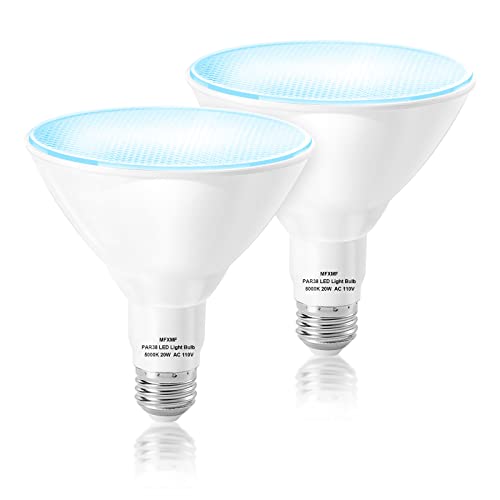
Best Outdoor Light Bulb Reviews: Top-Rated Picks for 2026
Best LED Reading Light Bulb Reviews - Top Picks for 2026

Best Vintage Light Bulb 2026 With Style And Glow
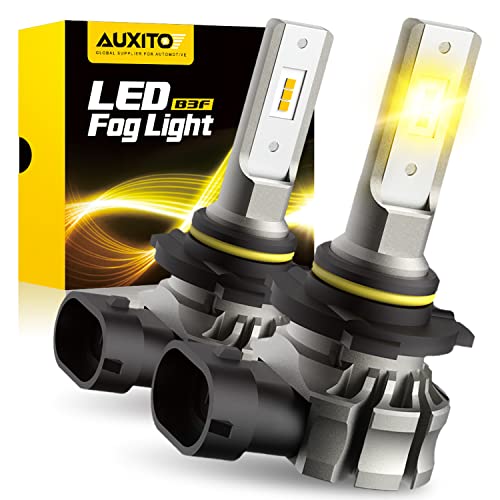
Best Yellow Fog Light Bulb 2026 For Clearer Night Drives

Best Z Wave Light Bulb 2026 Top Picks For Smart Control
Best Light Bulb For Vanity Mirror 2026 Brightness Boost






