What Is the Standard Light Bulb Base Size?

The standard light bulb base size across homes in the United States is the E26 medium screw base, which measures 26 millimeters across the threaded metal bottom. That standard changes only when a fixture comes from overseas or uses specialty wiring built for decorative accent lights. In everyday lamps, ceiling fixtures, and porch lanterns, this 26-millimeter fitting is the default choice. It measures roughly one inch wide, or just about the diameter of a standard quarter, which makes it easy to recognize right away.
A few common fixtures do branch off from this standard rule. Chandeliers and small wall sconces typically rely on E12 candelabra bases with much thinner screw threads, while imported light fixtures often take European E27 bulbs that are one millimeter wider. Industrial fixtures or heavy outdoor floodlights might also require an extra-wide mogul base. Checking these simple dimensions before shopping ensures your replacement bulb twists in cleanly on the first try.
E26 Medium Screw Bases Fit Most American Fixtures
When you walk into any hardware store or supermarket in the United States to replace a dead light bulb, almost every standard option on the shelf shares one base size. That standard base is labeled as E26, though retail packages and lamp makers often call it a medium screw base or standard medium base. If you are changing a bulb in a living room floor lamp, a bedside table reading light, a hallway ceiling mount, or a porch lantern, you are almost certainly looking at an E26 socket.
The code on the box tells you two practical facts about how the bulb attaches to your fixture. The letter "E" stands for Edison screw, which describes the threaded metal collar that screws into the socket. Thomas Edison developed this threaded brass design in the late nineteenth century, and it remains the primary mechanical connection for residential lighting across the country. The number "26" indicates the outer diameter of the threaded metal base measured in millimeters.
In everyday measurements, 26 millimeters works out to just over one inch wide. This width became the universal domestic standard across North America because it pairs cleanly with 120-volt household wiring. The 26-millimeter base provides sufficient surface area to conduct power safely without overheating, while remaining compact enough to fit inside slim decorative fixtures, enclosed globes, and ceiling fans.
A Standard Quarter Measures Your Socket in Seconds
If you are holding an unlabelled dead bulb or looking at an empty lamp socket, you do not need calipers or special tools to confirm the base size. A United States quarter measures 24.26 millimeters across, which is roughly 0.95 inches. Because an E26 base measures 26 millimeters across the outer threads, a quarter is almost the exact same width as the bottom of a standard bulb.
Follow these straightforward steps to check your bulb or fixture safely:
- Cut the electrical power completely. Switch off the wall switch before handling a bulb. If you are checking a table or floor lamp, unplug the cord directly from the wall outlet so no electrical current reaches the socket.
- Let the old bulb cool down. If the light was on recently, wait at least ten minutes before touching the glass or metal base. Hot glass can crack under pressure, and hot metal threads can burn your skin.
- Hold the quarter against the bottom threads. Turn the dead bulb upside down and place your quarter flat against the threaded metal collar. If the threaded base is just a hair wider than the coin, you have a standard E26 bulb.
- Check an empty socket opening with a ruler. If the old bulb was already discarded, hold a tape measure across the opening of the empty, unplugged socket cup. A standard medium socket measures roughly one inch across the inside opening.
If the threaded base of your bulb is noticeably narrower than a quarter, like the width of your pinky finger, you have a smaller specialty base. Forcing a smaller bulb into an E26 socket will cause it to drop loosely inside without catching the threads.
Different Rooms Use Candelabra and Intermediate Screw Sizes
While the E26 medium screw base handles most household lighting tasks, residential fixtures rely on a few other screw sizes for specific roles. Knowing how these alternative sizes compare to a standard base helps you identify what your fixture requires without guessing.
The most common alternative screw size in American homes is the E12 base, universally known as the candelabra base or small screw base. An E12 base measures 12 millimeters across, or roughly half an inch wide. You will find these slender screw bases in dining room chandeliers, formal wall sconces, holiday window candles, and compact ceiling fans, allowing fixtures to hold several flame-shaped bulbs without visual clutter.
Another size you might encounter is the E17 base, commonly called an intermediate screw base. Measuring 17 millimeters across, or roughly five-eighths of an inch, the E17 sits right between a candelabra base and a standard medium base. Intermediate screw bases commonly power appliance lights, such as over-the-range microwave cooktops, refrigerator interiors, and older ceiling fan fixtures.
In heavy-duty settings, you might spot an E39 base, widely known as the mogul screw base. A mogul base measures 39 millimeters across, or roughly one and a half inches wide, and powers high-wattage commercial fixtures. Some household fixtures do not use screw threads at all, relying instead on two-pin bases like GU10 or GU5.3. If you have accent lights with push-in pins instead of screw threads, review our guide on changing a halogen light bulb safely to handle pin-base connections correctly.
European E27 Bulbs Do Not Match US Voltage
If you shop for vintage pendant lights online or purchase imported fixtures from European stores, you will likely see bulbs and sockets labeled as E27. An E27 base measures 27 millimeters across the metal threads, which is a single millimeter wider than the standard American E26 base. Because that one-millimeter difference is barely visible, many people wonder whether they can treat the two sizes as interchangeable.
Physically, an E27 bulb will usually screw into a domestic E26 socket with just slight friction, and an E26 bulb will screw into an E27 socket. However, using them interchangeably in an American home introduces electrical hazards that you should avoid.
The main concern between these two bases is electrical voltage rather than thread width. The American E26 standard is built for residential grids supplying 120 volts of electricity. The European E27 standard is engineered for electrical systems overseas where wall outlets supply 230 to 240 volts. Because 240-volt systems require higher insulation standards, E27 bases feature slightly taller thread crests and a different contact point length.
When you screw an E26 bulb into an imported E27 socket, the center contact button on the bottom of the bulb might not seat firmly against the socket contact tab. A loose contact creates electrical resistance, generating excess heat, flickering, or electrical arcing. Stick to replacement bulbs that explicitly list an E26 base on the box for all fixtures connected to standard 120-volt wiring.
Base Code Tells Size While Shape Letters Describe Glass
One of the most frequent mistakes shoppers make when buying replacement light bulbs is confusing the base size code with the bulb shape code. Walking down the lighting aisle, you might see boxes labeled with codes like A19, ST58, G25, or BR30 right next to the E26 label. These letters do not describe the socket size; they tell you the shape and dimensions of the glass bulb itself.
The base code describes the metal screw collar at the bottom, while the shape code describes the glass profile above it. The standard E26 medium screw base is used across dozens of different glass shapes, allowing you to choose how the bulb looks without changing your socket:
- A19 and A21 bulbs: These are standard household teardrop bulbs used in everyday lamps and ceiling domes. An A19 bulb is roughly 2.37 inches wide and serves as the default choice for general home illumination.
- ST58 and ST64 bulbs: These are vintage filament bulbs, often called Edison bulbs, featuring a straight-sided tubular teardrop profile. If you have an open socket or bare glass pendant, choosing the best bulb for exposed light fixtures gives your room a cozy vintage feel without harsh glare.
- G25 and G40 bulbs: These are round vanity globe bulbs commonly found in bathroom mirror strips and dressing room fixtures, screwing into the exact same E26 socket as a regular living room bulb.
- BR30 and PAR38 bulbs: These are wide floodlight and spotlight bulbs designed for recessed ceiling cans and exterior security lights, casting broad beams downward while still using the standard E26 base.
Once you confirm that a bulb has the right E26 base and the shape you want, check the operational features. If your lamp has a turn knob that clicks through low, medium, and high light levels, check out our guide on what is a three way light bulb and how it works so you select a bulb with double base contacts rather than a standard single-contact bulb.
Always shop by lumens rather than wattage to get the brightness you expect. Watts measure the electrical energy a bulb consumes, while lumens measure actual visible light output. An 800-lumen LED bulb produces the same brightness as an old 60-watt incandescent bulb while consuming only 8 to 9 watts of power. If you want softer light for a nightstand, look for roughly 450 lumens, which matches a traditional 40-watt bulb.
Check the color temperature printed on the package, measured in Kelvins. A rating of 2700K produces a soft warm white tone with a cozy amber glow for living rooms and bedrooms. A rating of 3000K provides a crisp warm white for bathroom vanity mirrors, while 4000K gives a clean, cool white light for kitchen counters. For bright, blue-tinted illumination in a home office or garage workbench, choose a 5000K daylight white bulb.
Choosing the Right E26 LED Solves Burnt Out Lights
Replacing a dead bulb with a modern E26 LED bulb gives you dependable light that lasts for years while cutting energy use. Because the standard medium screw base is universal across domestic lighting, you can easily find an LED bulb that matches the physical requirements and mood of your room.
Before you choose your new bulb, take a quick moment to verify three practical details about your light fixture:
- Check for an enclosed fixture rating: If your bulb screws inside an airtight glass globe, a ceiling flush mount, or an outdoor lantern, look for a bulb explicitly rated for enclosed fixtures. Heat cannot escape from sealed glass globes, and using an unrated bulb will trap heat around the internal LED driver, causing early failure.
- Verify your dimmer switch compatibility: If your wall switch or lamp has a sliding or rotating dimmer control, make sure the bulb packaging states that it is dimmable. Installing a non-dimmable LED bulb on a dimmer circuit will cause the bulb to buzz, flicker, or stop working completely within a few weeks.
- Measure the physical clearance: Confirm that the overall length and width of the glass bulb fit inside your lamp shade or decorative glass cover. While every E26 bulb shares the exact same metal base, some antique ST58 bulbs or wide decorative globes are taller or wider than standard A19 teardrop bulbs, which can make it hard to clip on a wire shade harp.
- LFR Score9.4
LFR Score is a ranking system developed by lightfansreviews.com. LFR Score has no relationship or impact from any manufacturers or sales agent websites. Learn more
- BrandE ENERGETIC LIGHTING
- LFR Score9.4
LFR Score is a ranking system developed by lightfansreviews.com. LFR Score has no relationship or impact from any manufacturers or sales agent websites. Learn more
- BrandAscher
- LFR Score9.4
LFR Score is a ranking system developed by lightfansreviews.com. LFR Score has no relationship or impact from any manufacturers or sales agent websites. Learn more
- BrandSphoon

- LFR Score9.4
LFR Score is a ranking system developed by lightfansreviews.com. LFR Score has no relationship or impact from any manufacturers or sales agent websites. Learn more
- BrandZEQIDOU
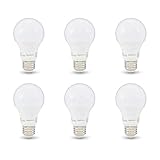
- LFR Score9.4
LFR Score is a ranking system developed by lightfansreviews.com. LFR Score has no relationship or impact from any manufacturers or sales agent websites. Learn more
- BrandAmazon Basics

- LFR Score9.4
LFR Score is a ranking system developed by lightfansreviews.com. LFR Score has no relationship or impact from any manufacturers or sales agent websites. Learn more
- BrandPARTPHONER

- LFR Score9.2
LFR Score is a ranking system developed by lightfansreviews.com. LFR Score has no relationship or impact from any manufacturers or sales agent websites. Learn more
- BrandTJOY

- LFR Score9.2
LFR Score is a ranking system developed by lightfansreviews.com. LFR Score has no relationship or impact from any manufacturers or sales agent websites. Learn more
- BrandAmazon Basics

- LFR Score9.0
LFR Score is a ranking system developed by lightfansreviews.com. LFR Score has no relationship or impact from any manufacturers or sales agent websites. Learn more
- BrandAmazing power

- LFR Score8.8
LFR Score is a ranking system developed by lightfansreviews.com. LFR Score has no relationship or impact from any manufacturers or sales agent websites. Learn more
- BrandNight Blazers
Last update on 2026-09-30 / Affiliate links / Images, Product Titles, and Product Highlights from Amazon Product Advertising API

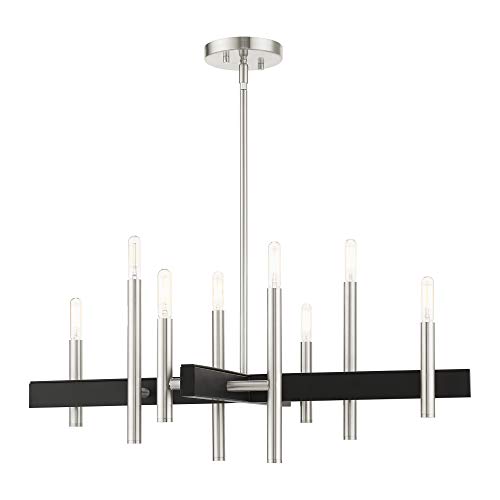
Best Bulb For Exposed Light 2026 That Shines Bright

Best Industrial Light Bulb Reviews: Top Picks for 2026
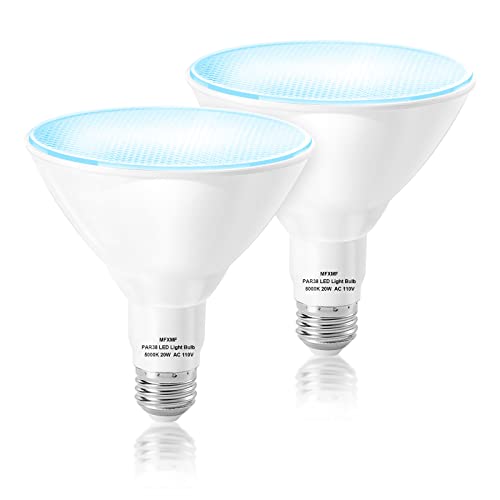
Best Outdoor Light Bulb Reviews: Top-Rated Picks for 2026
Best LED Reading Light Bulb Reviews - Top Picks for 2026

Best Vintage Light Bulb 2026 With Style And Glow
Best Yellow Fog Light Bulb 2026 For Clearer Night Drives

Best Z Wave Light Bulb 2026 Top Picks For Smart Control
Best Light Bulb For Vanity Mirror 2026 Brightness Boost