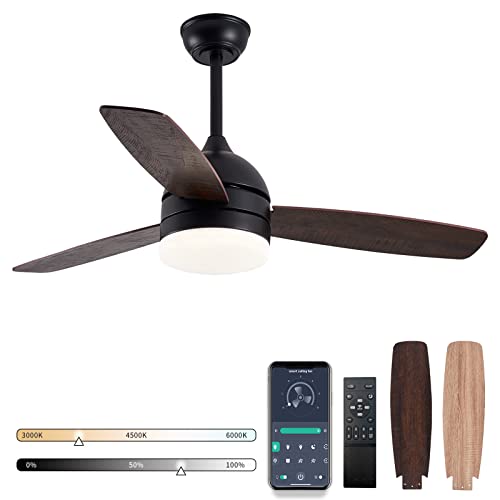
What Is the Summer Direction for a Ceiling Fan?

What Is the Summer Direction for a Ceiling Fan sounds like a tiny detail at first. Then summer heat rolls in, the air feels sticky, and suddenly that little switch on the fan becomes a bigger deal than expected. Plenty of people crank the fan speed higher and higher, yet the room still feels heavy and warm. A ceiling fan spinning the wrong way can push warm air around instead of creating that refreshing breeze everyone’s after.
Counterclockwise rotation usually creates the cooling airflow people expect during hotter months. Air moves downward, brushes across the skin, and helps sweat evaporate faster. That simple wind-chill effect can make a room feel noticeably cooler without touching the thermostat. Better airflow, lower energy strain, and a more comfortable living space often come from one quick adjustment.
Rooms with poor ventilation tend to trap heat in corners and near ceilings. That’s where frustration starts creeping in, especially during humid afternoons or sleepless nights. A fan spinning in the proper summer direction helps break up stagnant air and keeps circulation moving naturally. Comfort improves because the breeze reaches the areas that usually feel stuffy and uncomfortable.
Fan direction also affects how efficiently an air conditioner performs. Warm air lingering around the room forces cooling systems to work harder and longer. A properly adjusted ceiling fan helps distribute cooled air more evenly, which can reduce that constant cycle of blasting the AC all day. Energy savings become more realistic when airflow and cooling work together instead of fighting each other.
Oddly enough, many homeowners never check their ceiling fan direction after installation. Some fans stay in winter mode for months because the switch is easy to overlook. Then the room feels muggy no matter how high the speed setting goes. That small oversight can quietly affect sleep quality, relaxation, and even daily productivity during hotter seasons.
Noise and airflow patterns can also hint that something feels off. A fan may seem busy while barely delivering noticeable cooling underneath. In many cases, the issue isn’t the fan size or motor strength at all. Blade direction changes how air moves throughout the room, and that shift makes a surprisingly big impact on overall comfort.
Ceiling height matters too. Taller ceilings often allow warm air to linger higher above the living area, creating uneven temperatures. Running the fan correctly during summer helps push cooler air downward where people actually spend time. That steady circulation can make large rooms feel less stuffy and more balanced from wall to wall.
People often assume every ceiling fan works the same way year-round. Nope, not even close. Seasonal direction changes exist for a reason, and ignoring them can leave a room feeling awkwardly warm despite constant airflow. What Is the Summer Direction for a Ceiling Fan matters because comfort depends on how efficiently air moves, not just how fast the blades spin.

- LFR Score10.0
LFR Score is a ranking system developed by lightfansreviews.com. LFR Score has no relationship or impact from any manufacturers or sales agent websites. Learn more
- BrandSQXBK
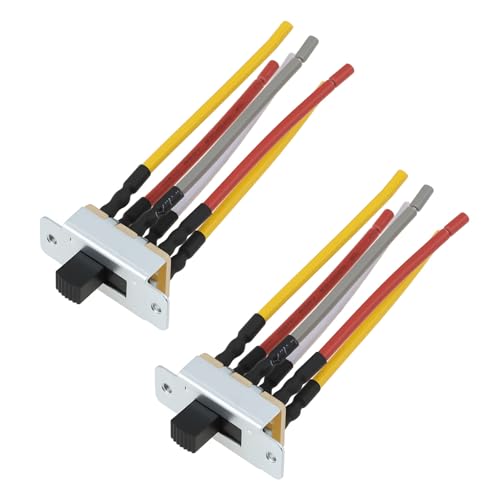
- LFR Score10.0
LFR Score is a ranking system developed by lightfansreviews.com. LFR Score has no relationship or impact from any manufacturers or sales agent websites. Learn more
- BrandECSiNG

- LFR Score9.6
LFR Score is a ranking system developed by lightfansreviews.com. LFR Score has no relationship or impact from any manufacturers or sales agent websites. Learn more
- BrandSwitchPrince
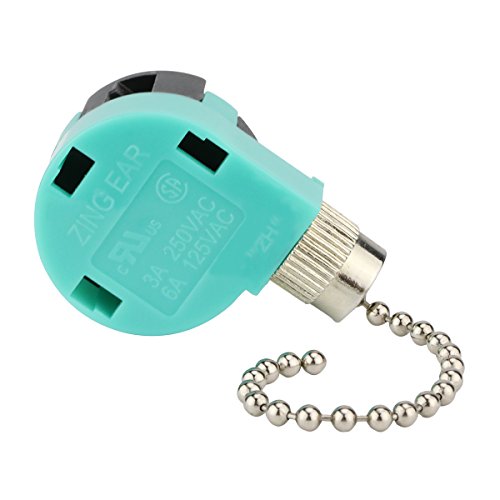
- LFR Score9.2
LFR Score is a ranking system developed by lightfansreviews.com. LFR Score has no relationship or impact from any manufacturers or sales agent websites. Learn more
- BrandDAYONE

- LFR Score9.0
LFR Score is a ranking system developed by lightfansreviews.com. LFR Score has no relationship or impact from any manufacturers or sales agent websites. Learn more
- BrandReluen

- LFR Score9.0
LFR Score is a ranking system developed by lightfansreviews.com. LFR Score has no relationship or impact from any manufacturers or sales agent websites. Learn more
- BrandMEETOOT

- LFR Score9.0
LFR Score is a ranking system developed by lightfansreviews.com. LFR Score has no relationship or impact from any manufacturers or sales agent websites. Learn more
- BrandHQRP
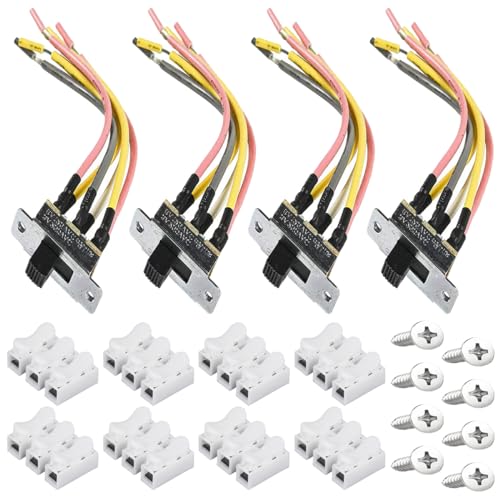
- LFR Score9.0
LFR Score is a ranking system developed by lightfansreviews.com. LFR Score has no relationship or impact from any manufacturers or sales agent websites. Learn more
- BrandDKARDU

- LFR Score8.6
LFR Score is a ranking system developed by lightfansreviews.com. LFR Score has no relationship or impact from any manufacturers or sales agent websites. Learn more
- BrandAmico

- LFR Score8.4
LFR Score is a ranking system developed by lightfansreviews.com. LFR Score has no relationship or impact from any manufacturers or sales agent websites. Learn more
- BrandZZLZX
Last update on 2026-05-19 / Affiliate links / Images, Product Titles, and Product Highlights from Amazon Product Advertising API
What Is The Summer Direction For A Ceiling Fan
Hot rooms have a way of making every little household choice feel personal. The thermostat drops, the fan spins, and somehow the couch still feels like a warm sponge. That’s where what is the summer direction for a ceiling fan becomes more than a random ceiling-fan question. The short answer is simple: during summer, the fan should spin counterclockwise so it pushes air downward and creates a cooling breeze.
Why Fan Direction Feels So Confusing
Ceiling fans look simple until that tiny direction switch starts messing with the whole room. A fan can spin fast, look busy, and still fail to make anyone feel cooler. The issue often comes down to blade direction, not fan speed. A fast fan moving air the wrong way can leave the room feeling oddly stale.
During summer, the goal is downward airflow. That breeze moves across your skin and helps sweat evaporate faster, which creates a cooler feeling even though the room temperature itself may not drop. Fans don’t chill air like an air conditioner. They help your body feel cooler by moving air where it actually matters.
A ceiling fan spinning clockwise usually pulls air upward. That setting can help during colder months because it gently moves warm ceiling air around the room. In summer, though, that upward pull often feels weak at floor level. Sitting under the fan, you may hear the motor running but barely feel that clean, direct breeze.
The easiest test is the hand test. Stand under the fan while it’s on a medium or high setting. If you feel a steady breeze pushing down, the fan is likely set for summer comfort. If the air feels soft, indirect, or barely noticeable, the direction may need a quick switch.
Counterclockwise Is The Summer Setting
The summer direction for most ceiling fans is counterclockwise when viewed from below. That rotation angle forces air downward, creating a wind-chill effect in the room. Your skin feels cooler because moving air helps moisture evaporate. Yep, that little switch can change the whole mood of a room.
This setting matters most in rooms where people actually sit, sleep, cook, or work. Bedrooms need gentle cooling that doesn’t feel like a wind tunnel. Living rooms need airflow that reaches chairs and sofas without blasting papers off the coffee table. The right counterclockwise rotation helps balance comfort and practicality.
Fan speed still matters, but direction comes first. A low-speed fan spinning correctly can feel more useful than a high-speed fan spinning the wrong way. High speed may help in extra hot rooms, but it can also dry eyes, disturb light curtains, or make small rooms feel chaotic. Proper direction gives you control before you crank everything up.
Think of it like watering plants with the nozzle turned the wrong way. The hose has water, the pressure is there, but the result misses the target. A ceiling fan works the same way. Airflow placement matters because comfort depends on where the moving air lands.
How To Check The Direction Fast
Start by turning the fan on and standing directly below it. Look up carefully and watch the blades move. If they spin counterclockwise, they should scoop and push air downward. That downward push is the summer airflow people usually want during hot weather.
Some fans make the direction hard to read because blade shapes vary. Curved, angled, or decorative blades can confuse the eye. In that case, trust what you feel more than what you see. A clear breeze hitting your face, arms, or shoulders usually means the fan is set correctly.
Most traditional fans have a small switch on the motor housing. Flip that switch only after the fan is completely off and the blades have stopped. Changing direction while the fan is moving can strain parts over time. Safety matters here, especially if you’re using a ladder or step stool.
Remote-controlled fans may hide the setting inside a button sequence or app menu. Some remotes label it as reverse, direction, or seasonal mode. Smart ceiling fans may also allow adjustment through a connected device, much like smart lights do during setup. To simplify other connected home controls, organize your lighting first with setup sengled light bulb so your room routines don’t turn into a guessing game.
Why Summer Airflow Saves Comfort
A counterclockwise fan can make a room feel cooler without forcing the AC to do all the heavy lifting. The actual room temperature may stay the same, but your body reacts to the moving air. That’s the wind-chill effect at work indoors. It’s practical, cheap, and honestly a little underrated.
Energy.gov has long noted that ceiling fans can let people raise the thermostat by about 4°F without reducing comfort, as long as the fan is used correctly. That doesn’t mean every room will feel identical. Humidity, ceiling height, insulation, window exposure, and fan size all change the result. Still, better air movement can reduce the urge to drop the thermostat too aggressively.
Bedrooms often show the biggest difference. A room that feels stuffy at bedtime can become noticeably easier to settle into with the fan set correctly. Air moves across the bed instead of hovering near the ceiling. Sleep comfort improves because the breeze reaches the body instead of wasting movement overhead.
Living rooms need a slightly different approach. People sit at different distances from the fan, and furniture can block airflow. A medium setting often spreads the breeze more comfortably than a harsh high setting. The goal is steady circulation, not turning movie night into a weather event.
Room Size Changes The Feel
Small rooms can feel overpowered by a fan set too high. A compact bedroom, nursery, or home office may only need low or medium speed in the correct summer direction. The counterclockwise setting still matters, but speed should match the space. Too much airflow can feel annoying rather than refreshing.
Large rooms need wider circulation. Open living areas, vaulted ceilings, and sun-heavy rooms often need larger fan blades or stronger airflow to feel balanced. A small fan in a big room may spin correctly and still feel weak. Fan size and direction work together, so one can’t fully fix the other.
Outdoor covered patios bring another wrinkle. Heat, humidity, and open air make airflow disappear faster than it does indoors. A fan built for covered outdoor use can help move heavy air away from seating areas. For porch comfort without walking back and forth to the wall switch, upgrade summer lounging with outdoor ceiling fans with remote control that fit covered spaces and casual evening use.
Ceiling height also changes how quickly you feel the breeze. Standard ceilings usually deliver airflow more directly. High ceilings may need a downrod so the fan sits low enough to move air through the living zone. Air placement matters because cooling comfort happens where people are, not where the ceiling is.
Common Mistakes With Fan Direction
The most common mistake is assuming fan direction never changes. Many fans stay in the same mode for years because nobody thinks about the switch. Then summer arrives, the fan runs daily, and the room still feels muggy. Seasonal adjustment is small, but it can solve a surprisingly stubborn comfort problem.
Another mistake is using the fan in an empty room. Ceiling fans cool people, not spaces. Leaving one running after everyone leaves wastes electricity without adding comfort. The smarter habit is simple: run the fan while the room is occupied, then turn it off when the room clears.
Some people compensate for wrong direction by pushing the fan to maximum speed. That can create noise, wobble, and unnecessary wear without fixing the airflow pattern. Speed should fine-tune the breeze after the direction is correct. Direction first, speed second, comfort third.
Remote confusion causes plenty of headaches too. A ceiling fan remote, TV remote, soundbar remote, and light remote can clutter the table fast. A cleaner control setup helps reduce those small daily annoyances. For shared living rooms with too many devices, streamline the setup with universal remote control for samsung smart tv and keep the fan routine from feeling like another chore.
Best Speed For Hot Weather
High speed feels tempting during a heat wave, and sometimes it’s the right move. A hot kitchen, crowded room, or west-facing space may need stronger airflow for quick relief. Still, high speed can feel harsh in smaller rooms. The breeze should cool you, not make you squint.
Medium speed is often the sweet spot for everyday summer use. It moves enough air to feel refreshing without creating too much noise. In bedrooms, medium can work well before sleep, then low may feel better overnight. Comfort control comes from matching airflow to the moment.
Low speed still has a place in summer. During mild evenings or while the air conditioner is running, a gentle downward breeze can spread cooled air more evenly. It’s especially useful for people who dislike direct airflow while sleeping. A subtle cooling breeze can be more pleasant than a strong blast.
Fan quality affects speed comfort too. Some older fans wobble, hum, or tick at higher settings. Loose screws, dusty blades, or unbalanced blade arms can make the problem worse. Keeping the fan clean and secure helps maintain smooth airflow without turning the ceiling into a noisy distraction.
How AC And Ceiling Fans Work Together
An air conditioner lowers air temperature, while a ceiling fan moves air across the room. Those jobs are different, but they pair well. A fan set to counterclockwise summer direction helps cooled air feel more present around the body. That can reduce the need to keep dropping the thermostat.
Rooms with vents near walls often develop uneven cooling. One side feels chilly while another corner feels stubbornly warm. A ceiling fan helps mix the air so comfort feels more even. Balanced circulation makes a room feel less patchy and more livable.
Humidity changes the experience. In sticky climates, moving air can make sweat evaporate faster, but it won’t remove moisture like a dehumidifier or AC system can. A fan helps comfort, not moisture control. That distinction matters because realistic expectations prevent disappointment.
Closed doors can limit airflow too. A bedroom with the door shut may trap cool air differently than an open living area. The fan still helps, but the room’s layout controls how far the benefit goes. Airflow path, vent placement, and fan direction all shape the final feel.
Signs Your Fan Is Set Wrong
A room that feels warm even with the fan running may be giving you a clue. If you don’t feel a direct breeze beneath the blades, the fan may be spinning clockwise. That upward movement can be useful in winter but disappointing in summer. Weak airflow under the fan is the first sign to check.
Another clue is comfort that improves only near the walls or ceiling, not in the sitting area. That can happen when air circulates above you instead of down onto you. The fan sounds active, but the breeze misses the people below. Air movement without body-level impact doesn’t help much during hot weather.
Dust patterns can offer hints as well. A fan that has sat unused or reversed for months may collect dust along blade edges. Cleaning the blades before switching direction keeps dust from scattering across the room. Nobody wants a “cooling breeze” with a side of ceiling fuzz.
Wobbling after a direction change may mean the fan needs attention. Direction itself usually isn’t the problem, but loose blades or uneven buildup can show up once airflow changes. Tighten visible screws, clean the blades, and check balance if the fan shakes. Stable operation keeps summer airflow comfortable and safer.
Best Way To Use Ceiling Fan Direction In Summer
Once the fan is spinning counterclockwise, the next step is making that breeze feel useful instead of random. A room can still feel uneven if the fan speed, ceiling height, and AC settings don’t line up. The best way to use ceiling fan direction in summer is to treat airflow like a room habit, not a one-time switch. Small adjustments can turn a hot, stale space into a room that feels lighter, calmer, and easier to live in.
Match Airflow To Daily Routines
Morning airflow usually doesn’t need to be aggressive. A low or medium setting can move air around while the room is still cool from the night before. The real goal is gentle circulation, not a blast of wind before coffee. That softer setting also keeps papers, curtains, and lightweight decor from flapping around for no good reason.
Afternoon heat changes the rules. Sun-facing rooms tend to trap warmth near windows, walls, and ceilings. A ceiling fan running counterclockwise can help push moving air through the sitting area so the heat feels less stubborn. Pair that with blinds or curtains, and summer comfort starts to feel more manageable.
Evening comfort depends heavily on how the room was used all day. Kitchens, upstairs bedrooms, and enclosed living rooms often hold onto warm air longer than expected. Running the fan before the room feels unbearable helps prevent that heavy, stuck feeling. Prevention works better than trying to rescue a room after it already feels like a sauna.
Nighttime airflow needs a lighter touch. A fan that feels great at 7 p.m. may feel too direct at 2 a.m. Lowering the speed while keeping the counterclockwise direction keeps air moving without drying out your throat or making sleep uncomfortable. Comfort should feel steady, not pushy.
Use The Right Fan For The Room
A fan set in the correct summer direction still has limits. Small blades in a wide room may not move enough air to reach the main seating area. Large blades in a tiny bedroom may feel too strong, even on low speed. Room size and airflow capacity matter just as much as direction.
Airflow is often measured in CFM, which refers to cubic feet of air moved per minute. Higher airflow can help in larger rooms, open layouts, and covered outdoor spaces. But bigger numbers aren’t always better if the fan becomes noisy or uncomfortable in a smaller space. For stronger circulation in rooms that always feel stuffy, compare best airflow ceiling fans before blaming the direction switch alone.
Ceiling height also changes the feel. A fan mounted too close to a tall ceiling may move air above the living zone instead of across your skin. A fan mounted too low can feel intrusive or unsafe. The best setup keeps air movement where people sit, walk, sleep, and relax.
Blade pitch plays a quiet role too. Blades with a useful angle can move air more effectively than flat decorative blades that mostly spin for show. A beautiful fan that barely creates a breeze can become frustrating fast. Function should not disappear behind style, especially in rooms that heat up every afternoon.
Balance Cooling Without Wasting Energy
A ceiling fan should support your cooling system, not replace it in every situation. On muggy days, the fan helps people feel cooler, but it won’t remove humidity from the air. An air conditioner or dehumidifier still handles moisture better. Realistic expectations keep the fan from getting blamed for a job it was never built to do.
Running a fan in an empty room wastes energy because fans cool people through air movement. They don’t lower the room temperature the way AC does. That means the smartest habit is simple: turn the fan off after leaving the room. Occupied-room use keeps the benefit where it actually counts.
Thermostat settings can be nudged upward when the fan creates enough comfort. The room may still read the same temperature, but your body feels cooler because air is moving across your skin. That gives the AC a little breathing room. Lower strain can matter during long summer stretches when cooling bills creep up.
Open floor plans need extra attention. One fan may not move air evenly across the whole space, especially around corners or behind large furniture. In that case, placement, fan size, and speed matter more than people expect. Airflow paths should feel natural, not blocked by sofas, shelves, or awkward room layouts.
Fix Weak Breeze Problems
A weak breeze doesn’t always mean the fan is broken. Dust buildup on blades can reduce smooth air movement and add wobble. Cleaning the top and edges of each blade helps restore cleaner airflow. Basic maintenance often solves more problems than replacing the whole fan.
Loose blade screws can also make airflow feel uneven. A fan that shakes slightly may still run, but it won’t feel as smooth or stable. Tightening visible hardware can reduce vibration and noise. Stable blades help the fan move air more consistently.
Old fans may struggle if the motor is worn or the blade design is poor. Some builder-grade fans look fine but don’t push much air where it’s needed. That can be especially frustrating in warm bedrooms or upstairs rooms. Weak performance becomes more obvious once summer heat settles in.
Brand familiarity can help during replacement decisions, but it shouldn’t be the only factor. Airflow rating, room fit, control style, and installation setup all deserve attention. For homeowners comparing common store brands, research who makes hampton bay before assuming every similar-looking ceiling fan performs the same. A familiar label still needs the right size and airflow for the room.
Avoid Common Summer Fan Habits
Leaving the fan on high all day can feel like the easy answer, but it isn’t always the best one. High speed can create extra noise, dry eyes, and make lightweight items move around. Medium speed often feels more comfortable for daily use. Balanced airflow beats brute force in most rooms.
Ignoring the reverse switch is another sneaky mistake. Many people set the fan once and forget about it for years. Seasonal changes matter because clockwise and counterclockwise airflow serve different purposes. Summer direction should push air downward, while winter use often benefits from gentler upward circulation.
Closing every interior door can also limit how air moves through the home. A closed bedroom may cool differently than a hallway or connected living area. The fan still helps the person in the room, but whole-home airflow becomes more restricted. Room layout can make comfort feel uneven even with the correct fan direction.
Using a ceiling fan as a substitute for shade is a losing battle. Direct sunlight through windows can heat a room faster than airflow can offset. Curtains, blinds, window film, or exterior shade can reduce heat gain before the fan has to work harder. Heat control starts with blocking the source, then moving air where comfort is needed.
Make Summer Direction A Seasonal Habit
A quick seasonal check saves a lot of guessing. At the start of warm weather, turn the fan on, stand underneath it, and confirm the breeze pushes downward. That simple habit catches the wrong setting before the hottest days arrive. Counterclockwise airflow should feel obvious, not mysterious.
Remote-controlled fans need the same check. A reverse button can get pressed accidentally, especially in homes where multiple people use the remote. Smart fan settings can also change after app updates or routine edits. Control consistency matters because one wrong tap can undo the setup.
Households with kids, guests, or renters benefit from simple labeling. A small note near the remote or switch can prevent confusion. Something as plain as “summer: counterclockwise” does the job. Clear habits reduce repeated fixes and make the room easier for everyone to manage.
Seasonal fan direction works best with a broader cooling routine. Clean blades, adjust speeds, block harsh sun, and avoid running the fan in empty rooms. The fan doesn’t need to do everything by itself. Smarter summer airflow comes from stacking small, practical choices that make hot rooms feel less stubborn.


Best Small Flush Mount Ceiling Fans 2026 Ultimate Picks

Best Smart Ceiling Fan India 2026 For Effortless Comfort

Best Smart Ceiling Fans with Lights for 2026: Top Picks

Best Smart Home Non Ceiling Fans 2026 For Ultimate Comfort

Best Outdoor Misting Ceiling Fan 2026 For Ultimate Comfort

Best Outdoor Ceiling Fans For Porch 2026 With Style And Breeze

Best Smart Bulb For Ceiling Fan 2026 That Brightens Life
Best Smart Ceiling Fan Control 2026 For Effortless Comfort