What Is Trending in Ceiling Fans Right Now?

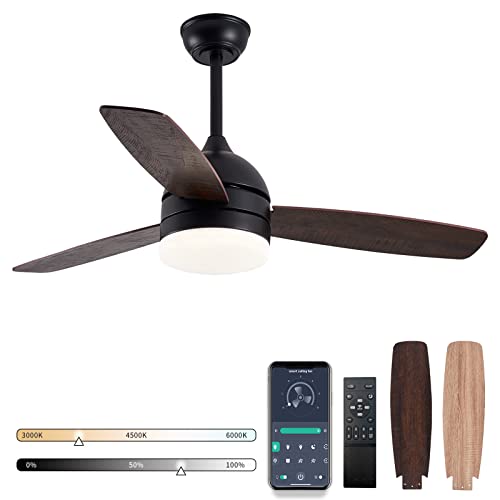
What Is Trending in Ceiling Fans has shifted far beyond plain white blades spinning overhead. Homeowners now lean toward cleaner finishes, softer lighting, and fans that quietly disappear into the room instead of stealing attention. Matte black housings, warm wood blades, and low-profile designs have become common because bulky fixtures often make ceilings feel crowded. Rooms feel calmer with streamlined styles, and honestly, that subtle visual balance matters more than people expected.
Smart controls have also crept into everyday routines. Pull chains still exist, sure, but app-connected systems and voice compatibility now feel less like luxury extras and more like practical conveniences. Nobody wants to stumble across a dark room trying to adjust speed settings after settling into bed. Smart ceiling fan controls help simplify airflow management while reducing constant trips to the wall switch, especially in larger homes with vaulted ceilings.
Quiet motor technology keeps showing up in newer releases for a reason. Constant humming or wobbling drives people nuts after a while, especially in bedrooms or office spaces where background noise gets irritating fast. DC motors continue gaining traction because they use less electricity while maintaining smoother airflow. That balance between energy efficiency and reduced noise has become one of the strongest buying factors today.
Blade shapes are changing too. Curved blades and wider spans now appear more often because they move air efficiently without making the fan look oversized or industrial. Compact rooms benefit from flush-mount styles, while larger open-concept layouts tend to favor oversized fans with slower blade rotation. Funny enough, many people now prefer slower visible movement because aggressive spinning can feel distracting in relaxed spaces.
Integrated lighting remains another major trend, though preferences have clearly changed. Harsh bright LEDs have lost appeal in favor of softer adjustable lighting that works throughout the day. Warm color temperatures help living rooms and bedrooms feel less sterile, creating a more comfortable atmosphere during evening hours. Dimmable lighting systems paired with ceiling fans continue gaining popularity because they eliminate the need for multiple overhead fixtures.
Outdoor ceiling fans have quietly become more stylish too. Covered patios and screened porches now get the same design attention as indoor spaces, so weather-resistant finishes matter more than ever. Damp-rated materials, rust-resistant hardware, and sealed motors help fans survive humid climates without turning into maintenance headaches. Durability counts, but nobody wants a bulky outdoor fan ruining the overall look of a relaxing backyard setup.
Natural textures and mixed materials keep showing up across modern collections. Wood grain finishes paired with metal accents create a softer balance compared to fully metallic designs. Minimalist interiors especially benefit from these combinations because they add warmth without cluttering the ceiling line. Modern ceiling fan trends now revolve around blending airflow, comfort, and aesthetics into one cohesive fixture instead of treating the fan as an afterthought.

- LFR Score9.4
LFR Score is a ranking system developed by lightfansreviews.com. LFR Score has no relationship or impact from any manufacturers or sales agent websites. Learn more
- BrandTCL

- LFR Score9.2
LFR Score is a ranking system developed by lightfansreviews.com. LFR Score has no relationship or impact from any manufacturers or sales agent websites. Learn more
- BrandAmico

- LFR Score9.2
LFR Score is a ranking system developed by lightfansreviews.com. LFR Score has no relationship or impact from any manufacturers or sales agent websites. Learn more
- BrandDepuley

- LFR Score9.0
LFR Score is a ranking system developed by lightfansreviews.com. LFR Score has no relationship or impact from any manufacturers or sales agent websites. Learn more
- BrandDINGLILIGHTING

- LFR Score8.8
LFR Score is a ranking system developed by lightfansreviews.com. LFR Score has no relationship or impact from any manufacturers or sales agent websites. Learn more
- BrandSofucor

- LFR Score8.8
LFR Score is a ranking system developed by lightfansreviews.com. LFR Score has no relationship or impact from any manufacturers or sales agent websites. Learn more
- BrandTCL

- LFR Score8.8
LFR Score is a ranking system developed by lightfansreviews.com. LFR Score has no relationship or impact from any manufacturers or sales agent websites. Learn more
- Brandaddlon

- LFR Score8.8
LFR Score is a ranking system developed by lightfansreviews.com. LFR Score has no relationship or impact from any manufacturers or sales agent websites. Learn more
- Brandaddlon

- LFR Score8.6
LFR Score is a ranking system developed by lightfansreviews.com. LFR Score has no relationship or impact from any manufacturers or sales agent websites. Learn more
- BrandAmico

- LFR Score8.6
LFR Score is a ranking system developed by lightfansreviews.com. LFR Score has no relationship or impact from any manufacturers or sales agent websites. Learn more
- BrandPassky
Last update on 2026-06-08 / Affiliate links / Images, Product Titles, and Product Highlights from Amazon Product Advertising API
What Is Trending In Ceiling Fans For Modern Homes
Hot rooms, noisy motors, and clunky fixtures can make a home feel more frustrating than comfortable. A fan that rattles above the bed or throws harsh light across the living room gets old fast. That is why what is trending in ceiling fans now centers on quiet airflow, cleaner styling, and smarter control instead of plain spinning blades. Style still matters, but comfort has taken the wheel.
Trending Ceiling Fan Styles
Ceiling fan design has moved away from bulky, overly decorative fixtures that look stuck in a rental from years ago. Clean housings, simple blade shapes, and softer finishes now fit better with modern furniture, open layouts, and calmer color palettes. Matte black remains popular because it adds contrast without shouting for attention. Warm wood tones also keep showing up because they soften white ceilings and make rooms feel less sterile.
Low-profile ceiling fans are gaining traction in bedrooms, apartments, and rooms with lower ceilings. Nobody wants to duck under a fan or feel like the fixture is hovering too close. Flush-mount designs solve that awkward problem while still keeping airflow steady. The tradeoff is that some compact models may move less air than larger downrod fans, so room size still needs a sober look.
Oversized ceiling fans have become the go-to move for open living rooms and covered patios. A larger blade span can move air at a slower speed, which often feels smoother and less choppy. That slower movement also looks calmer, especially in rooms where people gather to relax. Still, a fan that is too large for a small room can feel visually heavy, so bigger is not always better.
Minimalist fan shapes are having a real moment because fewer details usually mean fewer design clashes. Three-blade fans, sculpted blades, and hidden fasteners create a cleaner ceiling line. The look feels less like hardware and more like part of the room. For a brighter living area that needs both scale and built-in lighting, compare options like a 56 inch ceiling fan with light before settling on a size.
Quiet Motors Matter More
Noise control has become one of the biggest reasons people replace older ceiling fans. A low hum may seem harmless at first, but it becomes annoying during sleep, video calls, or quiet evenings. Newer DC motor fans often run smoother than older AC motor models. That makes quiet operation a serious comfort feature, not just a nice bonus.
DC motor ceiling fans usually use less power while offering more speed settings. ENERGY STAR states that certified ceiling fans can be up to 44% more efficient than conventional fans, which explains why efficiency keeps showing up in buying decisions. A smoother motor also helps reduce wobble when the fan is properly installed. That said, DC models can cost more upfront, so the value depends on how often the fan runs.
Bedroom ceiling fans need a different mindset than fans for garages or patios. Airflow should feel gentle, consistent, and quiet enough to fade into the background. A fan that blasts air straight down can dry out eyes or make sleep uncomfortable. Better blade pitch, balanced construction, and stable mounting help create that softer movement people actually want at night.
Wobble prevention starts with the fan body, but installation plays a huge role too. Loose brackets, uneven blades, and weak ceiling boxes can ruin even a well-designed fan. That is why a solid mount matters just as much as blade style or motor type. As the old contractor saying goes, “A quiet fan starts before the switch flips,” and honestly, that’s dead on.
Smart Controls Feel Practical
Smart ceiling fans no longer feel like tech for tech’s sake. App controls, remote scheduling, and voice commands solve small daily annoyances that pile up fast. Nobody enjoys climbing out of bed just to lower the fan speed. A simple phone adjustment can make the room feel right without breaking the mood.
Voice control works especially well in kitchens, bedrooms, and open living spaces. Hands full with laundry or cooking? A quick command changes airflow without hunting for a remote. Smart features also help in homes with high ceilings where wall controls may be the only easy access point. Still, Wi-Fi dependent models can be irritating if the app is clunky or the connection drops.
Scheduling features can help reduce wasted energy during daily routines. A fan can slow down after bedtime, turn off after the room cools, or run during warmer afternoon hours. That kind of control feels less flashy and more genuinely useful. It also supports better comfort habits without forcing anyone to think about the fan all day.
Remote control fans remain a practical middle ground for people who do not want smart-home setup headaches. A reliable handheld remote can handle speed, direction, and lighting without passwords or apps. For many homes, that is plenty. Smart features are trending, yes, but simple control still wins when convenience beats novelty.
Lighting Is Softer And Smarter
Integrated ceiling fan lights have changed because harsh, cool-toned bulbs can make a room feel flat and uncomfortable. Softer LED light kits now pair better with bedrooms, living rooms, and dining spaces. Dimmable lighting gives the fan more flexibility across morning routines, evening downtime, and casual gatherings. A fan should not make the room feel like a waiting room.
Warm light temperatures are more popular because they flatter wood floors, soft furniture, and neutral paint colors. Bright white light can work in laundry rooms or task-heavy spaces, but it often feels too sharp in bedrooms. Adjustable color temperature gives more control over the room’s mood. That small detail can make a fixture feel more expensive without getting flashy.
LED fan lights also help reduce heat from the fixture itself. ENERGY STAR has noted that certified fan light kits can produce up to 90% less heat than conventional lighting setups. That matters in warmer rooms where every little bit of heat feels like a personal insult. Less heat, lower energy use, and smoother lighting make the upgrade easier to justify.
Light kit limitations still deserve attention. Some integrated LEDs cannot be replaced as easily as standard bulbs, which may bother anyone who likes simple repairs. Brightness can also vary a lot from one model to another. So, checking lumens, color temperature, and dimming compatibility saves headaches later.
Energy Efficiency Drives Buying Decisions
Energy-efficient ceiling fans are trending because cooling costs are not exactly getting friendlier. A fan does not lower room temperature like an air conditioner, but moving air helps skin feel cooler. That comfort effect can reduce the urge to crank the thermostat down. Used wisely, a fan becomes part of a smarter cooling routine.
Motor efficiency matters most in rooms where fans run for long hours. Bedrooms, home offices, nurseries, and living rooms can rack up usage without anyone noticing. A more efficient fan may cost more upfront, but steady daily use can make that choice feel sensible over time. The real value comes from matching efficiency with actual habits, not chasing labels blindly.
Blade design also affects airflow efficiency. Wide blades are not automatically better, and steep blade pitch is not always the answer either. The motor, pitch, blade length, and room size need to work together. A well-balanced fan moves air comfortably without sounding like it is trying too hard.
Seasonal fan direction still gets overlooked, even though it is a simple comfort trick. Counterclockwise airflow helps create a cooling breeze during warm months. Clockwise rotation on low speed can help circulate warmer air during cooler months. That little switch does not feel exciting, but it can make a room feel more balanced.
Outdoor Fans Look More Polished
Outdoor ceiling fans have become more stylish because patios, porches, and covered decks now act like real living spaces. People want airflow without making the outdoor area look like a storage shed. Sleek finishes, wood-look blades, and darker metals fit better with outdoor furniture. Comfort outside should feel intentional, not patched together.
Damp-rated ceiling fans suit covered porches where moisture is present but direct rain is limited. Wet-rated fans are better for exposed areas because they are built to handle more direct weather contact. Mixing those up can lead to rust, motor issues, or ugly blade damage. The rating matters more than the color or blade shape.
Humidity resistance is especially important in sticky climates. Blades that warp or hardware that corrodes can turn a good-looking fan into a maintenance headache. Sealed motors, weather-resistant finishes, and sturdy blade materials help outdoor fans last longer. Anyone maintaining patio plants nearby should also manage heat carefully, and for that separate need, support healthier indoor starts with heat lamps for plants.
Outdoor airflow needs a different expectation than indoor cooling. Open spaces do not trap air the same way enclosed rooms do, so stronger airflow may be needed. Larger blade spans and higher CFM ratings can help, but placement still matters. A fan over a seating area works harder for comfort than one floating too far away from where people actually sit.
Installation Details Shape The Experience
Ceiling fan installation can make or break the whole upgrade. A stylish fan with a weak mount can wobble, click, or feel unsafe. The ceiling box must be fan-rated, especially for heavier models or larger blade spans. Skipping that detail is asking for trouble.
Fan height also affects comfort. A fan mounted too close to the ceiling may not circulate air as well, while one hanging too low can feel intrusive. Downrods help position the blades correctly in taller rooms. Low ceilings, on the other hand, usually need flush-mount models to keep the layout comfortable.
Electrical compatibility deserves a careful look before buying smart fans or integrated light kits. Older wall switches may not work well with certain DC motors or dimmable LED systems. That mismatch can cause flickering, buzzing, or limited speed control. For a separate lighting repair project outside the home, fix visibility issues properly with a replace a fog light guide instead of guessing through wiring steps.
Professional installation may be worth it for high ceilings, old wiring, or heavier fans. A confident DIY setup is fine for straightforward replacements, but awkward wiring and weak ceiling boxes can turn a quick job into a mess. Safety, balance, and clean control wiring all affect daily satisfaction. A fan should feel solid from day one, not like something that needs constant tinkering.
What Ceiling Fan Features Are Trending Most
Living with stale air, uneven cooling, or a loud fan buzzing overhead can quietly wear people down over time. Plenty of homes still rely on outdated fixtures that waste energy while barely improving comfort. That growing frustration explains why what ceiling fan features are trending most now revolves around smarter airflow, low-noise performance, and practical comfort upgrades instead of flashy gimmicks. Daily convenience matters more than ever because nobody wants to fight their ceiling fan just to relax.
Airflow Feels More Balanced
Air circulation has become a bigger priority because uneven cooling can make one side of a room feel stuffy while another feels freezing. Newer fan designs focus on smoother airflow patterns instead of blasting direct wind downward. Wider blades and improved motor calibration help spread air more evenly across the room. That softer circulation feels far more comfortable during long evenings, especially in bedrooms and open living spaces.
CFM ratings are getting more attention from homeowners who want actual airflow performance instead of marketing fluff. CFM, or cubic feet per minute, measures how much air a fan moves. Higher numbers usually help larger rooms, but excessive airflow in a smaller bedroom can feel annoying rather than refreshing. Matching the fan size to the room remains one of the smartest ways to avoid buyer regret.
Blade pitch also shapes how air feels in a room. Fans with aggressive blade angles may move more air, though they can sometimes create more noise at higher speeds. Moderate blade pitch often creates a calmer balance between cooling and comfort. That balance matters during sleep, movie nights, or long workdays at home where constant wind can become irritating.
Open-concept homes continue pushing ceiling fan trends toward larger blade spans and broader airflow coverage. One small fan rarely handles an oversized kitchen and living room combo effectively. Bigger fans running at lower speeds often feel smoother while helping reduce hot spots. Outdoor setups also benefit from stronger cooling support, and for patios that struggle in humid heat, improve airflow with a portable misting fan during peak summer weather.
Natural Finishes Keep Winning
Wood-inspired finishes continue dominating ceiling fan collections because people want rooms to feel warmer and less industrial. Real wood blades and realistic wood-look materials help soften modern interiors filled with metal, glass, and concrete textures. Light oak, walnut, and weathered finishes pair especially well with neutral paint colors. That visual warmth helps large rooms feel more relaxed and less sterile.
Mixed material fans are trending because they blend clean metal housings with textured blades instead of leaning too heavily into one style. Black metal paired with medium wood tones creates a grounded look that fits both modern and farmhouse-inspired interiors. Glossy chrome has faded a bit in popularity because it can feel cold or overly reflective. Softer matte finishes create a calmer visual flow overhead.
Blade texture now plays a larger role in how expensive a fan appears. Flat, cheap-looking plastic blades can make an otherwise decent fixture feel underwhelming. Slight grain patterns, curved edges, and layered finishes add more depth without becoming distracting. Those little details matter because ceiling fans sit directly in the visual center of many rooms.
Neutral color palettes remain popular partly because they age better than trend-heavy colors. Bright bronze, red-toned wood, or overly decorative blades can start feeling outdated surprisingly fast. Simpler finishes usually adapt better as furniture or wall colors change over time. That flexibility keeps the room feeling fresh without forcing another ceiling fan replacement a few years later.
Fans Are Blending Into Decor
Ceiling fan integration has become more intentional because people no longer see fans as purely functional hardware. Fans now need to support the room’s style instead of interrupting it. Slimmer motor housings, hidden hardware, and cleaner blade connections help fans disappear visually when needed. A good ceiling fan should feel like part of the room rather than an afterthought hanging from the ceiling.
Modern minimalist fans often rely on fewer blades and sleeker proportions to reduce visual clutter. That cleaner shape works especially well in bedrooms where too many overhead details can make the ceiling feel crowded. Smaller decorative accents also help prevent dust buildup around intricate blade brackets. Less visual noise usually translates into a calmer atmosphere overall.
Statement ceiling fans still have a place, especially in vaulted living rooms or covered patios with tall ceilings. Larger fixtures with dramatic blade spans can anchor the space while still improving comfort. The key difference today is restraint. Fans still make a visual impact, but they avoid the heavy ornamental look that once dominated traditional designs.
Outdoor decor matching has become more important too. Covered patios now function like second living rooms, so fan finishes need to coordinate with outdoor furniture, lighting, and flooring. Salt air near coastal areas can be rough on cheaper hardware, which is why durable options like outdoor ceiling fans for salt water atmosphere help prevent corrosion problems before they start.
Smarter Cooling Habits Save Money
Cooling efficiency has become a stronger focus because energy bills can climb fast during warmer months. Ceiling fans help rooms feel cooler by moving air across the skin, which may reduce the urge to lower the thermostat aggressively. That combination often creates a more comfortable balance between comfort and energy use. Small adjustments in airflow can make a surprising difference over time.
Timer settings and scheduling tools support better cooling habits without demanding constant attention. A bedroom fan that automatically slows overnight avoids unnecessary energy use while still keeping airflow comfortable. Smart scheduling also helps people who forget to shut fans off before leaving home. Convenience and efficiency tend to work better together than most homeowners expect.
Summer humidity creates another reason airflow trends matter so much. Heavy air can make rooms feel warmer even when the temperature itself is not extreme. Better circulation helps reduce that sticky feeling, especially in kitchens, bedrooms, and upstairs spaces where warm air tends to collect. A smoother breeze usually feels more comfortable than simply blasting colder air.
Ceiling fan direction changes remain one of the easiest comfort tricks people ignore. Counterclockwise rotation during warmer weather creates the cooling effect most people expect. Clockwise movement at lower speed can help distribute warmer air during cooler months. That simple switch supports year-round comfort without needing major adjustments.
Small Rooms Need Different Solutions
Compact ceiling fans are trending because more homes now include smaller guest rooms, apartments, home offices, and converted spaces. Oversized fans in tight rooms can feel visually overwhelming while creating too much direct airflow. Smaller blade spans help maintain comfort without turning the room into a wind tunnel. Scale matters more than many people realize.
Flush mount fans solve another common frustration in lower-ceiling spaces. Nobody wants a fan hanging awkwardly close to eye level in a small bedroom or hallway. Hugger-style fans create better clearance while still improving airflow. The compromise is that flush designs may circulate air less efficiently in larger rooms.
Home office airflow has become a bigger concern since more people spend long hours working indoors. Poor circulation can make rooms feel stale and uncomfortable during extended screen time. A quieter compact fan helps improve comfort without distracting background noise during meetings or calls. Consistent airflow often feels more productive than aggressive cooling.
Lightweight fan designs also simplify installation in smaller spaces where ceiling support may be limited. Heavier decorative fans can require more reinforcement or more complicated mounting hardware. Streamlined compact models reduce that hassle while still improving daily comfort. Simpler installations usually mean fewer long-term maintenance headaches too.
Maintenance Trends Are Getting Simpler
Easy-clean blade finishes are trending because nobody enjoys climbing ladders to scrub thick dust buildup every few weeks. Smoother blade coatings help reduce visible dust accumulation compared to textured glossy finishes. That keeps the fan looking cleaner longer between maintenance sessions. Less dust overhead also helps rooms feel fresher overall.
Integrated LED systems reduce bulb replacement hassles, though they come with tradeoffs. Some built-in systems last for years, while others can become frustrating if replacement parts are hard to source later. Buyers now pay closer attention to repairability before committing to fully integrated lighting systems. Convenience still matters, but long-term practicality matters too.
Remote storage sounds minor until the remote disappears for the third time in one week. Some newer fans include wall cradles, magnetic holders, or app backup controls to reduce that daily annoyance. Tiny frustrations add up fast in everyday routines. Better organization features quietly improve satisfaction more than flashy extras.
Motor durability remains one of the biggest long-term concerns behind current ceiling fan trends. Quiet operation means very little if the motor starts clicking after a year or two. Better bearing quality, balanced blades, and sealed internal components help reduce wear over time. Consistent performance often matters more than loading a fan with unnecessary smart features.
Comfort Trends Continue Shaping Fan Choices
Comfort-focused ceiling fans now dominate the market because people want their homes to feel calmer, quieter, and easier to live in. The trend is less about showing off technology and more about reducing little annoyances that build up daily. Better airflow, smoother lighting, and quieter motors all contribute to that shift. The fan simply needs to make the room feel better without demanding attention.
Sleep-friendly airflow keeps influencing fan design because harsh direct wind can become uncomfortable overnight. Slower low-speed settings, quieter motors, and balanced blade rotation help create gentler circulation. Bedrooms especially benefit from fans that disappear into the background while still improving comfort. A restless room can ruin sleep faster than most people expect.
Visual simplicity also continues shaping what sells. People seem tired of oversized decorative hardware dominating ceilings. Cleaner lines, softer colors, and natural textures create a more relaxed atmosphere that adapts well over time. That understated look often survives changing furniture trends better than flashy statement pieces.
Practical upgrades ultimately drive the strongest ceiling fan trends right now. Better control systems, quieter operation, improved airflow, and easier maintenance solve real daily frustrations instead of inventing new ones. Ceiling fans are finally being treated like comfort tools instead of background fixtures. That shift explains why thoughtful design now matters just as much as airflow performance.


Best Small Flush Mount Ceiling Fans 2026 Ultimate Picks

Best Smart Ceiling Fan India 2026 For Effortless Comfort

Best Smart Ceiling Fans with Lights for 2026: Top Picks

Best Smart Home Non Ceiling Fans 2026 For Ultimate Comfort

Best Outdoor Misting Ceiling Fan 2026 For Ultimate Comfort

Best Outdoor Ceiling Fans For Porch 2026 With Style And Breeze

Best Smart Bulb For Ceiling Fan 2026 That Brightens Life
Best Smart Ceiling Fan Control 2026 For Effortless Comfort