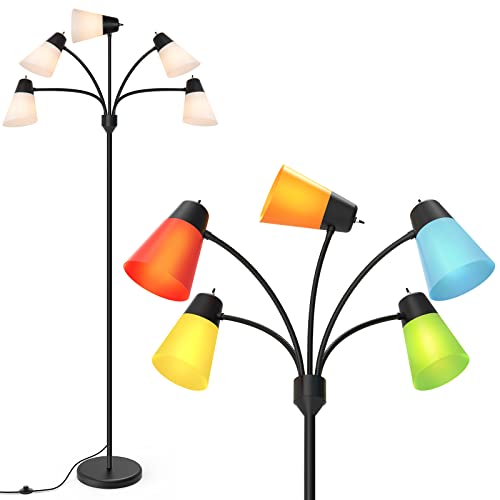
What Is Volume Lighting for Your Home?

Most people assume this phrase describes a complicated wiring system or a special bulb type. In reality, it usually means illuminating tall vertical space in an open room, though it can also refer to a fixture company name on a box. Rooms with vaulted ceilings hold massive overhead areas that easily become shadowy and dark. The true goal is spreading balanced light through that open height so the entire room feels comfortable.
What the words mean for a home depends on the situation. Seeing the name on a carton usually means a standard fixture from a manufacturer using everyday household wiring. In renovation plans, a contractor is usually describing hanging lights that brighten tall, open ceilings. Other times, someone might actually mean visible rays of sunlight streaming through the air. Here is how each meaning works and how to light an airy room properly.
The Term Means a Brand, a Room Shape, or Sunbeams
When you see the phrase volume lighting on a cardboard box, in a renovation estimate, or on an interior design website, it almost always points to one of three distinct things. Most shoppers encounter it as a brand name. Volume Lighting is an established lighting manufacturer that produces residential light fixtures, including entry lanterns, dining chandeliers, bathroom vanity bars, and ceiling mounts. If you are looking at a product label in a home improvement store and see the words printed in bold across the packaging, it is simply the company that made the light. You do not need unusual electrical boxes, rare bulbs, or proprietary wiring to install their products.
The second meaning comes from architects, builders, and interior designers talking about a volume ceiling (a tall or vaulted ceiling with extra overhead height). When a room has ten-foot, twelve-foot, or two-story walls, designers describe the open overhead space as the room volume. In this context, lighting room volume refers to the technique of filling that cavernous vertical air with balanced illumination so the upper half of your living room or foyer does not feel like a dark, abandoned warehouse.
The third meaning comes from visual arts and photography, where people casually shorten the term volumetric lighting (visible beams or rays of light shining through air). You see this effect when sunlight streams through morning mist in a forest, or when a spotlight cuts through haze in a theater. In residential home design, however, you will almost never deal with volumetric light beams unless you intentionally install theatrical fog machines. For everyday homeowners, the conversation always centers on either the specific fixture company or the challenge of lighting tall, open rooms.
Homeowners often confuse volume lighting with ambient light (soft background light that fills an entire room). While ambient light provides the baseline glow that lets you walk safely through a space without bumping into furniture, volume lighting focuses specifically on how light travels across vertical cubic footage. Standard rooms with eight-foot flat ceilings hold light easily because the drywall surfaces sit close together. Once ceilings open up past twelve feet, light disperses quickly, requiring a deliberate approach to fixture choice and placement.
Tall Rooms Need Light at Three Different Heights
Lighting a high-ceiling space requires a three-tier strategy. If you place every light fixture high on an eighteen-foot ceiling, the floor below remains dim while the light scatters uselessly in the rafters. If you place all your lamps down on end tables, the ceiling disappears into gloomy shadows, creating an uncomfortable cavern effect. You can solve this balance problem by dividing your room into three horizontal zones.
The top zone covers everything from twelve feet up to the ceiling peak. This zone needs soft uplighting to define the roofline and bounce illumination back down into the living space. Recessed eyeball spotlights aimed at angled drywall, lights hidden behind structural timber beams, and architectural cove trim all work well here. If your room features crown molding or high display ledges, placing hidden accent strips like reliable voice control LED strip lights on top of the ledges washes the upper ceiling in soft, indirect glow without requiring you to climb a ladder whenever you want to adjust the brightness.
The middle zone sits between six feet and ten feet from the floor. This is where your main decorative fixtures must live to establish a human scale. Large hanging chandeliers, multi-tier pendants, and tall wall sconces occupy this band of air. They bridge the gap between where your family sits and where the ceiling begins. Wall sconces placed along two-story drywall expanses are especially useful because they project light both upward and downward, breaking up blank drywall that would otherwise look flat and cold.
The bottom zone runs from the floor up to eye level, roughly six feet high. This is your personal living space, which relies on task lighting and localized accent lamps. Floor reading lamps next to armchairs, table lamps on consoles, and under-cabinet puck lights in open-concept kitchens handle this layer. When all three levels work together, the room feels cozy and bright rather than hollow.
Pay close attention to color tone or warmth (Kelvin) across all three heights. For residential living rooms and bedrooms, stick with 2700K (warm soft white) or 3000K (clean warm white) across every bulb. If you put 5000K (crisp daylight) bulbs in your ceiling recessed cans and 2700K warm bulbs in your floor lamps, the high ceiling will look sterile and icy while the lower room looks yellow. Matching color warmth ties the entire vertical volume together into a unified space.
Pick Fixtures That Fill Air Without Blocking Sightlines
Selecting fixtures for open vertical spaces requires balancing physical dimensions with visual weight. A fixture that looks enormous on a showroom floor can look tiny when suspended inside a two-story foyer. Conversely, a solid, heavy metal fixture can block daylight from upper windows and make an open floor plan feel cramped. Look for fixtures that expand outward and downward while maintaining an open, airy framework.
To choose the correct diameter for your main hanging fixture, use standard room dimension sizing. Measure the length and width of the room in feet, add those two numbers together, and convert the total to inches. For example, a great room that measures eighteen feet wide by twenty feet long needs a fixture roughly thirty-eight inches across (18 + 20 = 38). For tall volume spaces, you also need to calculate the vertical height of the fixture. Aim for roughly two and a half to three inches of fixture height for every foot of total ceiling height. In a sixteen-foot room, look for a chandelier that stands between forty and forty-eight inches tall from its top loop to its lowest decorative point.
Certain fixture styles perform exceptionally well in rooms with high overhead space:
- Open geometric cages: These designs use thin metal bands formed into spheres, rectangles, or diamonds. They consume substantial cubic space without blocking the view across second-story balconies or window transoms.
- Multi-tier chandeliers: Fixtures with two or three stacked tiers of bulb arms distribute light evenly across several vertical feet rather than concentrating illumination on a single flat plane.
- Cascading bubble pendants: Modern fixtures featuring individual glass globes suspended at varying cord lengths fill vertical drops naturally, creating gentle sparkles at different sightlines.
- Up-and-down wall sconces: Wall fixtures that cast illumination simultaneously toward the ceiling and the floor create vertical light columns that make large, empty walls feel intentional and finished.
For walls that display paintings or family photos, consider color accuracy (CRI), which measures how true skin, paint, or art appears under artificial light. Choosing sconces or picture lights with 90+ CRI ensures that rich wall colors and framed artwork look natural rather than washed out under artificial light.
Avoid Dark Ceilings and Blinding Downward Glare
Homeowners often make predictable mistakes when attempting to illuminate rooms with tall ceilings. The most common error is relying entirely on ceiling recessed downlights. When builders install standard recessed can lights sixteen feet in the air, the light beams narrow as they travel downward. By the time the light hits the floor, it creates isolated pools of intense glare while leaving the upper walls and ceiling pitch black. If you sit on a sofa directly beneath one of these high downlights, the beam shines straight into your eyes, casting harsh shadows across your face.
Hanging height mistakes create another common set of problems. In a multi-story entryway or loft, suspending a chandelier too close to the high ceiling leaves it looking stranded, as if it floated away like a loose balloon. Hanging it too low, however, creates a safety hazard for tall family members or blocks the walking corridor from the front door. Follow clear vertical clearance guidelines to ensure safe, natural sightlines:
- In open walkways, entry halls, and corridors, maintain at least seven feet of clearance between the bottom of the fixture and the floor so people can walk underneath without ducking.
- In two-story entry foyers with second-floor walkways, hang the fixture so its center hangs roughly level with the second-floor handrail, allowing people upstairs and downstairs to enjoy the view.
- Above a dining table, kitchen island, or conversation coffee table, suspend the bottom rim thirty to thirty-six inches above the tabletop to prevent the fixture from obstructing faces across the table.
- When mounting wall sconces along open walls, position the center of the fixture between sixty and sixty-six inches above the finished floor, which keeps the bulb right around average human eye level.
Another major mistake involves using clear glass shades with exposed, clear glass filament bulbs in high-mounted fixtures. Clear filament bulbs look charming in magazine photos, but in real rooms, the exposed filaments become piercing pinpoint light sources that cause intense eye fatigue. In tall rooms where hanging fixtures remain visible from multiple seating angles and staircases, choose frosted bulbs, seeded glass shades, fabric drum diffusers, or milk glass globes to soften the output.
Finally, never leave tall lighting on a simple on-off wall switch. Because tall spaces require higher total brightness in lumens (the actual measure of light output, unlike watts which only measure electrical power draw), running all fixtures at full brightness during a quiet evening will make the room feel like an operating room. Install an LED-compatible dimmer switch for each lighting zone. Older wall switches designed for incandescent bulbs often cause humming, buzzing, or rapid strobing when paired with modern dimmable LED fixtures.
These Fixtures Use Standard Wiring and Everyday Bulbs
Many homeowners worry that buying a large chandelier or a fixture labeled Volume Lighting requires industrial electrical service or rewiring their house. In residential construction, this is never the case. These units connect to standard US 120-volt household alternating current, just like any bedside lamp or kitchen fixture. The wiring inside the ceiling uses the same black hot wire, white neutral wire, and bare copper ground wire found in standard ceiling junction boxes.
The primary mechanical concern is not electrical voltage, but physical weight. A standard plastic or thin metal ceiling junction box (the standard ceiling electrical box holding wire splices and supporting the mounting bracket) is only rated to hold fixtures weighing up to fifty pounds. Many large, multi-tier chandeliers suitable for tall spaces weigh forty, sixty, or over eighty pounds due to heavy iron frames, chains, and glass shades. Before you install any large fixture, you must verify the rating stamped inside the ceiling box.
If your intended light fixture weighs more than fifty pounds, standard plastic ceiling boxes will not support it safely. You must swap the housing for a heavy-duty steel fan-rated box or install a structural support bar that bolts directly into the wooden ceiling joists. If you cannot access the framing above the ceiling through an attic space, a qualified professional can install an expanding retrofit support bar through the drywall cutout.
Bulb replacement is another critical factor to verify before hanging a fixture high overhead. Most residential fixtures use a standard screw-in bulb base (E26 medium base) or a candelabra base (E12). Some modern styles feature a built-in LED (a permanent light emitter integrated directly into the fixture frame without replaceable bulbs). Built-in LEDs eliminate the need to climb tall ladders for bulb changes for many years, but if the diode fails, the entire fixture or its internal electronic driver must be serviced. If you choose a fixture with standard screw-in bulb sockets, install high-grade LED bulbs rated for 15,000 to 25,000 hours of operating life so you are not dragging out sixteen-foot extension ladders every few months.
Always confirm the fixture location rating on the product box or specification sheet before purchasing:
- Dry-rated fixtures: Designed exclusively for interior rooms with normal humidity, such as living rooms, bedrooms, dining spaces, and high entry halls.
- Damp-rated fixtures: Built to withstand moisture and condensation without corroding, making them mandatory for high ceilings over steamy master bathtubs, covered outdoor porches, and open breezeways.
- Wet-rated fixtures: Sealed against direct rain and outdoor weather exposure, required for open gazebos or exterior walls exposed to storms.
Before inspecting, adjusting, or replacing any hardwired fixture (a light wired directly into a ceiling or wall electrical box rather than plugged into a standard wall outlet), always shut off the circuit breaker at the main electrical panel. Never rely on the wall switch alone, as switches can fail or be accidentally flipped on while you are working. If your ceiling height requires scaffolding, harness equipment, or structural attic bracing, stop and contact a licensed electrician who owns the necessary staging platforms and safety gear.


Best Lighting For Makeup 2026 Bright Ideas For Flawless Looks

Best Wall Sconces For Staircase 2026 Brighten Your Home
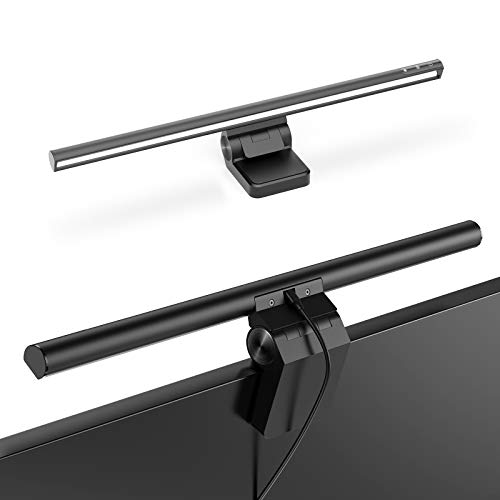
Best Lighting For Computer Desk 2026 For Focused Work

Best Boat Black Lights 2026 For Nighttime Adventure

Best Black 30 Inch Light Bar Reviews – Top Picks of 2026

Best Black Light For Aquarium 2026 For Vibrant Glow

Best Black Light for Authenticating Glass 2026 Top Picks
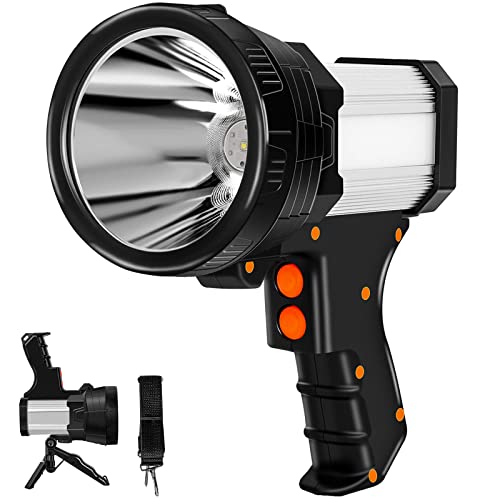
Best Waterproof Spotlight 2026 That Outshines Expectations