
What Kind of Light Bulbs Should You Use in a Bathroom?

Most people assume the brightest daylight bulbs work best for a bathroom. In reality, harsh cool-white beams wash out skin in the mirror, making a damp-rated LED bulb with a warm-neutral glow the true sweet spot. This type of bulb resists moisture from daily showers while keeping skin tones looking natural. It gives you clear visibility without the cold glare of a hospital hallway.
The ideal choice still shifts based on fixture placement and moisture levels. Multi-socket vanity bars around a mirror work best with round globe bulbs to soften glare at eye level, while enclosed ceiling domes take standard bulb shapes. Shower stalls also require fully wet-rated glass covers to handle direct steam. Here is how to balance light color, bulb shape, and moisture safety across every fixture.
Aim for high color accuracy and damp ratings right from the start
Stepping in front of a bathroom mirror should never feel like a surprise. When you turn on the light switch, you want to see your real skin tone, clear facial details, and a warm, inviting room. Many people grab whatever spare bulb sits in their utility closet, only to find their bathroom suddenly looks like a dreary basement or a sterile hospital room. Getting the right light comes down to understanding three basic bulb specifications: moisture protection, light color warmth, and color accuracy.
Modern LED bulbs are the standard choice for bathrooms today. They produce very little heat, use minimal electricity, and reach full brightness the instant you flip the wall switch. But not all LED bulbs behave the same way in a humid space. For any bathroom fixture, your baseline starting point should always be a bulb marked as damp-rated. This mark guarantees that moisture from hot showers and baths will not seep into the internal electronics and ruin the bulb prematurely.
Next, pay attention to the color accuracy score, which is printed on packaging as the Color Rendering Index or CRI. Think of CRI as a score from 0 to 100 that measures how true skin tones, makeup colors, clothing, and wall paint look under artificial light compared to natural midday sunlight. Standard household bulbs often have a CRI score of 80, which is fine for a storage closet but can make your face look dull, gray, or washed out in a bathroom mirror. For vanity fixtures, look for a bulb with a CRI score of 90 or higher. This high rating shows subtle tones in your skin, making grooming, shaving, and makeup application much simpler.
Finally, stop shopping by wattage. Watts only measure how much electrical power a bulb pulls from your wall, not how bright the room will be. Look instead for bulb brightness in lumens. A bulb that uses just 6 to 9 watts of LED power can easily put out 500 to 800 lumens of clean light. Most bathroom fixtures use a standard screw-in bulb base (an E26 medium base), which is the familiar screw base found on everyday household lamps. Checking that your socket matches this standard size ensures you will not end up with bulbs that fail to fit.
Match your light color warmth to how you actually use the room
Light color warmth is measured on the Kelvin scale, and it changes the entire mood of your bathroom. When you see numbers like 2700K, 3500K, or 5000K on a box, they describe the color tone of the glow, ranging from warm golden amber to cool bluish-white. Picking the wrong number is the main reason a bathroom feels uncomfortable or unflattering.
A rating of 2700K gives you a warm soft white light. This tone feels cozy, relaxing, and gentle on the eyes, making it a great choice for soaking in the tub at night or taking a quiet shower before bed. But if your bathroom has dark tile or no windows, a 2700K bulb can sometimes look slightly too yellow for detailed morning tasks like applying foundation or trimming a beard.
A rating between 3000K and 3500K is considered neutral white, and it is usually the sweet spot for vanity mirrors and general bathroom lighting. This range gives you a crisp, clean white glow that does not skew yellow or blue. It highlights details clearly while keeping the space feeling warm and residential. You can see blemishes, skin undertones, and grooming lines without squinting.
Be careful with bulbs marked 5000K, often sold under the name daylight. While daylight sounds natural, 5000K bulbs produce an intense, icy white light with strong blue undertones. In an office building or commercial parking garage, cool light keeps people alert. In a residential bathroom with white porcelain fixtures, glass mirrors, and glossy tile, 5000K light can create an aggressive glare that emphasizes dark circles under your eyes and makes the room feel sterile. Unless you specifically want a cool, modern studio feel, stick between 2700K and 3500K for everyday comfort.
If you want bright clarity in the morning and a relaxed ambiance at night, install an LED-compatible dimmer switch. Older wall switches built for traditional incandescent bulbs can cause LED bulbs to buzz, emit high-pitched hums, or flicker visibly. Pairing dimmable LED bulbs with an updated wall dimmer lets you transition between energizing morning prep and a calm evening soak.
Check the moisture rating on the box before putting bulbs near steam
Bathrooms create unique electrical challenges because hot showers produce dense clouds of steam. When that warm, moist air hits cold glass or metal, it condenses into water droplets. If your bulbs are not sealed properly against this vapor, moisture creeps into the socket threads and the internal electrical driver, leading to corrosion, flickering, and sudden bulb failure.
Look at the small print on the packaging to verify where the bulb is certified to operate safely:
- Dry-rated bulbs: Designed strictly for dry living rooms, dining rooms, and bedrooms. These bulbs should never be used in a full bathroom where steam lingers in the air after a shower.
- Damp-rated bulbs: Built with sealed components that resist airborne moisture, condensation, and humidity. These are the standard, safe choice for bathroom ceiling fixtures, wall sconces, and vanity mirror light bars.
- Wet-rated bulbs: Built to withstand direct contact with dripping, splashing, or flowing water. You only need wet-rated fixtures and bulbs if you are installing a recessed light directly inside the ceiling of an enclosed shower stall or above a soaking tub where water can splash.
If you notice green or white crust forming on the metal screw base of an old bulb, that is a clear sign that moisture has entered the socket. Whenever you inspect or replace bulbs in a humid bathroom, shut off the circuit breaker at the main electrical panel first. Never rely solely on the wall light switch when dealing with corroded fixtures or sockets that have been exposed to steam, as moisture can carry electrical current and create a shock hazard. If a socket feels loose, looks scorched, or shows heavy rust, stop and contact a licensed electrician to replace the fixture.
Choose the right bulb shape and base to fit your fixture glass
Bathroom fixtures generally fall into two broad designs: covered ceiling lights and open vanity strips. The shape of the bulb you buy must match the physical space inside the fixture and how the light spreads across the room.
The standard household bulb shape is called an A19 bulb. This is the classic pear-shaped bulb that most people picture when they think of indoor lighting. A19 bulbs work well inside enclosed ceiling fixtures, such as flush mount fixtures (mounted flat against the ceiling) or semi-flush fixtures (hanging down a few inches on a short stem). They also fit neatly inside wall sconces that have frosted cylindrical glass shades. Because the glass shade diffuses the light, the bulb itself remains hidden from view.
For open vanity light bars mounted directly above or beside a mirror, standard A19 bulbs look awkward and unfinished. Instead, use G25 globe bulbs. A G25 bulb is a round, decorative sphere designed specifically to stay visible. The wide circular shape distributes light evenly across 360 degrees, sending illumination forward toward your face and backward against the wall to eliminate harsh shadows.
Pay close attention to whether the bulb glass is clear or frosted. Clear glass bulbs look striking when turned off, but once you flip the switch, the bare LED filament can create sharp pinpoints of light that hurt your eyes when you look in the mirror. Frosted or milky white globe bulbs scatter the light softly across the entire glass surface, creating a smooth glow that prevents painful glare during your morning routine.
Always verify the socket base size before buying a multipack. While most vanity bars use the standard screw-in bulb base (E26 medium base), some decorative European sconces use smaller candelabra bases (E12). Checking the socket diameter on your existing fixture takes five seconds and prevents an unnecessary return trip to the store.
Calculate your total room lumens instead of guessing on wattage
A common mistake in bathroom lighting is putting one overpowering bulb in the center of the ceiling and wondering why the room feels full of harsh shadows. When light comes purely from directly above your head, it casts deep dark pockets under your eyes, nose, and chin. Balancing brightness across multiple light sources solves this problem completely.
To light a bathroom properly, calculate your total brightness needs in lumens using this practical approach:
- Assess the room size: A small half-bath or powder room generally needs about 1,200 to 1,500 total lumens. A standard full bathroom requires 2,500 to 4,000 total lumens, while a large primary bathroom with a separate tub and walk-in shower may need 5,000 lumens or more across all fixtures combined.
- Divide brightness between tasks: Dedicate roughly 60 percent of your total lumens to the vanity area where you look in the mirror, and the remaining 40 percent to overhead ceiling fixtures that fill the rest of the room.
- Count your vanity sockets: If your mirror light bar has four sockets, do not buy four 800-lumen bulbs, as 3,200 lumens shining straight at your face from two feet away will cause intense glare. Instead, choose four 450-lumen or 500-lumen bulbs. Together, they provide 1,800 to 2,000 lumens of gentle, even light that flatters your face from every angle.
- Balance ceiling fixtures: Use one or two 800-lumen bulbs in an overhead flush mount fixture to illuminate walking paths, storage cabinets, and the shower curtain area without overpowering the room.
If you get up frequently during the night, pairing your main lights with indoor motion sensor lights for hallways and bathrooms creates a soft, low-level guide path that keeps you safe without waking you up with full bathroom glare. You can also integrate your fixtures into dependable home automation lighting routines to keep lights softly dimmed after midnight and automatically bright during morning rush hours.
Look for dedicated vanity globe bulbs if you have an open mirror light bar
When you have an open multi-socket fixture mounted directly over your bathroom mirror, dedicated vanity globe bulbs are the best solution. These bulbs combine a round decorative profile with frosted glass to give you wide, glare-free coverage right where you stand to shave, brush your teeth, or style your hair.
Before purchasing a pack, count the exact number of sockets on your light bar. Vanity fixtures commonly feature three, four, six, or eight sockets, so buying a multipack that matches or exceeds your socket count ensures all your bulbs share the identical color tone and brightness level. Mixing different brands or ages of bulbs on the same vanity strip often leads to mismatched light colors that make your mirror area look uneven.
Look for packages that specifically confirm damp-rated certification, a standard screw-in medium base, and high color accuracy on the label. Selecting frosted globes in a comfortable 2700K to 3500K warmth range will instantly transform a harsh, shadowy bathroom into a clean, flattering space that feels great to use every single day.

- LFR Score8.9
LFR Score is a ranking system developed by lightfansreviews.com. LFR Score has no relationship or impact from any manufacturers or sales agent websites. Learn more
- BrandTJOY
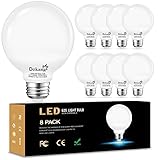
- LFR Score8.8
LFR Score is a ranking system developed by lightfansreviews.com. LFR Score has no relationship or impact from any manufacturers or sales agent websites. Learn more
- BrandDekang

- LFR Score8.4
LFR Score is a ranking system developed by lightfansreviews.com. LFR Score has no relationship or impact from any manufacturers or sales agent websites. Learn more
- BrandGvvooHome
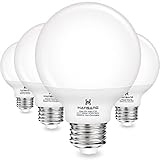
- LFR Score7.7
LFR Score is a ranking system developed by lightfansreviews.com. LFR Score has no relationship or impact from any manufacturers or sales agent websites. Learn more
- Brandhansang

- LFR Score7.4
LFR Score is a ranking system developed by lightfansreviews.com. LFR Score has no relationship or impact from any manufacturers or sales agent websites. Learn more
- BrandBrtstiun
Last update on 2026-10-18 / Affiliate links / Images, Product Titles, and Product Highlights from Amazon Product Advertising API
FAQs
Can regular living room light bulbs be used in a bathroom?
You can use standard bulbs temporarily, but regular bulbs made for dry living spaces are not built to withstand high humidity. Shower steam can enter unsealed bulb components, causing the internal electronics to fail early and corroding the metal socket threads. To keep your bathroom safe and avoid frequent bulb replacements, always choose bulbs labeled as damp-rated.
What light color is best for applying makeup and shaving?
A neutral white light between 3000K and 3500K paired with a color rendering score of 90 CRI or higher provides the most natural reflection. This color range reveals accurate skin tones and subtle makeup shades without casting yellow shadows or cold bluish glare. It lets you see details clearly so there are no surprises when you step outside into natural sunlight.
Why do light bulbs burn out so quickly in bathrooms?
Premature bulb burnout is usually caused by moisture accumulation, trapped heat, or electrical vibration from an overhead exhaust fan. Using dry-rated bulbs in a steamy room allows humidity to corrode the bulb base, while fully enclosed ceiling fixtures can trap excess heat and degrade the internal LED driver. Checking that your bulbs are damp-rated and properly rated for enclosed fixtures will help them last for years.
What is the difference between A19 and G25 light bulbs?
The difference comes down to shape and how the bulb is meant to be displayed. An A19 bulb has the traditional pear shape and is designed to sit hidden inside enclosed ceiling fixtures or shaded wall sconces. A G25 bulb is a round decorative globe designed to stay visible on open vanity light bars, spreading soft, even light across your mirror without casting harsh shadows.


Best Lighting For Makeup 2026 Bright Ideas For Flawless Looks

Best Wall Sconces For Staircase 2026 Brighten Your Home

Best Lighting For Computer Desk 2026 For Focused Work

Best Boat Black Lights 2026 For Nighttime Adventure

Best Black 30 Inch Light Bar Reviews – Top Picks of 2026

Best Black Light For Aquarium 2026 For Vibrant Glow

Best Black Light for Authenticating Glass 2026 Top Picks

Best Waterproof Spotlight 2026 That Outshines Expectations






