
What Light Bulb Is Right for Flattering Bathroom Lighting?

Most people assume ultra-bright daylight bulbs are best for getting ready in the bathroom. In reality, that harsh blue tint washes out skin, so the best choice is a neutral white LED bulb with a high color accuracy rating. This balanced light mimics gentle morning sun, showing your natural skin tone without dark shadows under your eyes or sickly yellow tones.
The ideal bulb still shifts based on where the socket sits and how much steam fills the room. Vanity strips beside or above the mirror work best with round globe bulbs that spread smooth, even light across your face, while overhead ceiling fixtures need wider beams to brighten the whole space. Shower steam also matters, meaning any bulb near moisture should carry a damp rating for safety. Here is how to match the right brightness, shape, and color to your setup.
Check The Box For Three Key Numbers First
Walk into any hardware store or browse online, and the lighting aisle presents a wall of confusing numbers. You see watts, lumens, kelvins, color rendering scores, and bulb shape codes. Picking the right bulb becomes simple once you focus on three details that matter for a bathroom mirror.
First, look for brightness in lumens instead of wattage. For decades, shoppers judged a bulb by whether the box said forty, sixty, or one hundred watts. Watts only measure the electrical power a bulb pulls from your wall, not how much light it produces. Modern LED bulbs produce substantial light while drawing very little electricity. Lumens measure actual brightness, so this number tells you whether your bathroom will feel clean and bright or dark and dingy.
Second, check the color tone or warmth, printed as a Kelvin rating ending with a capital K. This number reveals whether the bulb glows with a warm, golden candle flame tint, a clean morning white, or a cool, icy blue. Choosing the wrong Kelvin number is the main reason people dislike their bathroom lighting after screwing in a new bulb.
Third, look for the color accuracy score, listed as CRI, which stands for Color Rendering Index. This score ranges from zero to one hundred and measures how true skin, paint, and makeup appear under artificial light. For vanity mirrors, check the back of the package and aim for a score of 90 or higher.
Finally, confirm the bulb carries a damp-rated mark. Bathrooms fill with steam after hot showers, and bulbs without moisture protection fail early. Matching these core specifications ensures your mirror delivers clean, flattering light every day.
Neutral White Light Shows Your Real Skin Tone Best
Light color completely changes how your face looks in the mirror. Many people apply makeup or shave in their bathroom, feel satisfied, and then catch their reflection in a car mirror or office elevator and feel surprised. That mismatch happens because common household bulbs distort natural skin tones.
Warm soft white bulbs typically sit at 2700K. This warm, golden glow feels cozy in a living room beside a couch or on a bedroom nightstand. In front of a bathroom vanity, however, 2700K casts a heavy yellow and orange tone across your face. It masks redness, softens blemishes artificially, and makes teeth look slightly yellowed. Applying foundation under warm yellow light often leads to blending mistakes because the yellow cast masks your real skin undertones.
Daylight bulbs sit at the other extreme, usually rated at 5000K or higher. While bright daylight sounds appealing, 5000K produces an intense, bluish-white beam. It resembles the stark lighting found in hospital examination rooms or office basements. In a bathroom, crisp daylight bounces harshly off porcelain sinks and mirror glass. It washes out warm skin tones, highlights fine lines and pores, and feels aggressive during an early morning routine.
The ideal choice for flattering bathroom lighting is neutral white light, which sits between 3000K and 4000K. A clean 3500K to 4000K bulb closely matches natural morning sunlight through a window. It reveals skin tones accurately without adding an artificial yellow tint or an icy blue glare.
Color accuracy matters just as much as color warmth. Budget LED bulbs often come with a color accuracy score around 80. Light from low-accuracy bulbs lacks red spectrum balance, making healthy skin look flat, tired, or slightly grey. Selecting bulbs rated at 90 CRI or above ensures that your skin tones, hair color, and makeup shades look vibrant and true to reality.
Aim For Five Hundred Lumens Per Vanity Mirror Bulb
Balancing brightness in a bathroom requires counting the sockets you need to fill. In a room with mirrors, glossy tile, and white porcelain, excessive brightness creates blinding glare, while weak light leaves the room feeling dark.
Most bathroom mirrors feature a multi-socket vanity bar mounted above the glass or a pair of wall sconces mounted on either side. These fixtures usually hold three, four, or five bulbs. If you install bulbs producing 800 to 1,000 lumens in every socket of a four-bulb bar, you blast 3,200 to 4,000 lumens directly at your eyes from two feet away. You will end up squinting every time you brush your teeth.
For multi-bulb vanity bars, aim for roughly 450 to 600 lumens per bulb. When you install several 500-lumen bulbs side by side, their light overlaps smoothly across your face. This delivers plenty of clear task lighting for grooming without producing harsh glare.
Ceiling fixtures serve a different purpose than vanity lights. A ceiling fixture, whether a flush mount mounted flat against the ceiling or a semi-flush fixture hanging down a few inches on a short stem, provides general ambient lighting. A central ceiling fixture usually needs between 800 and 1,200 lumens to illuminate the shower entrance, tub, and floor area comfortably.
Never mix bulbs with different brightness levels or color temperatures in the same fixture. Screwing a 450-lumen warm bulb into one socket and a 600-lumen cool bulb into the next creates an uneven, patchy checkerboard of light across your face. Always replace vanity bulbs in matching sets so the brightness and color stay uniform.
Round Globe Bulbs Spread Light Evenly Across Your Mirror
The shape of a bulb affects how light travels across your face just as much as brightness does. Many homeowners grab standard A19 bulbs, the classic teardrop shape found in tabletop lamps, simply out of habit. Using teardrop bulbs in an exposed bathroom vanity bar usually creates poor lighting.
Standard A19 bulbs project most of their light forward from the rounded tip. When screwed into an exposed horizontal vanity strip above a mirror, they create hot spots on the wall and cast dark shadows beneath your eyes, nose, and chin. Those downward shadows make you look tired even after a good night of rest.
Round globe bulbs, known as G25 bulbs, solve this problem with their spherical glass shape. A G25 globe bulb measures about three inches across and features a frosted white coating. This round shape allows light to disperse evenly in all directions. Instead of projecting a directional beam, the frosted globe diffuses light softly, filling in harsh shadows across your cheeks and jawline.
Checking the base size before buying is also essential. Most American bathroom vanity fixtures use a standard screw-in bulb base, known as an E26 medium base. This is the same threaded base found on standard lamps. However, some slim modern sconces use smaller candelabra bases, known as E12 sockets.
To avoid buying the wrong size, unscrew an old bulb and check the threaded metal end. A standard screw-in bulb base measures about one inch across, roughly the width of a quarter. If the base is narrow like a pencil, your fixture requires candelabra bulbs. You can also check the label stamped inside the fixture socket to confirm the exact base code.
Steam Demands Damp Ratings And Proper Dimmer Switch Matches
Bathrooms create a demanding environment for sensitive electronics. Every hot shower fills the room with water vapor that settles onto cool surfaces, including fixtures and exposed light bulbs. Using the wrong bulb in a humid space creates safety hazards and causes premature failures.
Check the moisture rating on the packaging before buying. Electrical safety ratings include three main categories:
- Dry-rated bulbs are built for living rooms and bedrooms where the air stays dry.
- Damp-rated bulbs feature sealed internal circuits, making them safe for steamy bathrooms and covered patios.
- Wet-rated bulbs handle direct contact with dripping water, making them necessary for enclosed fixtures inside shower stalls.
Installing dry-rated bulbs in a steamy bathroom allows moisture to creep inside the plastic housing. Over time, that trapped condensation corrodes the circuit board, leading to buzzing, flickering, or early burnout.
Dimmer controls require equal attention. Many people like dimming bathroom lights for a relaxing evening bath. However, older wall switches were built for incandescent filaments, not low-power LED electronics. Pairing dimmable LED bulbs with an outdated switch often causes buzzing, hums, or rapid flickering.
Make sure your wall switch is an LED-compatible dimmer switch, and verify that the bulb packaging clearly states dimmable. Installing non-dimmable bulbs on a dimmer switch causes flickering and permanent bulb damage.
If you dislike bright lights during late-night bathroom visits, flipping on a vanity bar can shock your eyes. Installing indoor motion sensor lights for hallways and bathroom baseboards creates a gentle path of low light that guides your steps without waking you up completely.
Whenever you replace a damaged socket, repair a fixture, or work on a hardwired fixture wired directly into a ceiling or wall electrical box, put safety first. Always shut off the circuit breaker at the main electrical panel before touching any wires or sockets. Never rely only on the wall light switch, because switches can leave live current in the electrical box. If you see scorched wires or smell burning plastic, stop immediately and call a licensed electrician.
Pick Damp-Rated Vanity Globe Bulbs To Solve Mirror Shadows
Upgrading your bathroom lighting does not require remodeling the room or hiring a contractor to move electrical boxes. In most homes, replacing dull, yellow, or mismatched bulbs with properly chosen LED vanity globes transforms how the room looks.
Look for damp-rated frosted globe bulbs with a standard screw-in base. Choose a neutral white color tone between 3000K and 4000K, combined with a color accuracy score of 90 or higher. This setup eliminates dingy yellow tones and harsh blue glare, giving you balanced light that shows natural skin tones in the mirror.
Before buying a pack of bulbs, inspect your fixture. Count the sockets so you can pick bulbs with the right lumen output, keeping each bulb around 500 lumens for a multi-socket bar. Check the threaded metal base of your current bulbs to verify the size, and confirm whether your wall switch needs dimmable or non-dimmable bulbs. Choosing the right specifications will keep your bathroom bright, clean, and flattering.

- LFR Score8.9
LFR Score is a ranking system developed by lightfansreviews.com. LFR Score has no relationship or impact from any manufacturers or sales agent websites. Learn more
- BrandTJOY
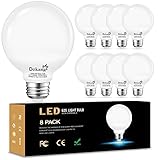
- LFR Score8.8
LFR Score is a ranking system developed by lightfansreviews.com. LFR Score has no relationship or impact from any manufacturers or sales agent websites. Learn more
- BrandDekang

- LFR Score8.5
LFR Score is a ranking system developed by lightfansreviews.com. LFR Score has no relationship or impact from any manufacturers or sales agent websites. Learn more
- Brandhansang
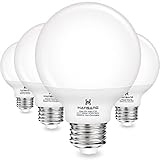
- LFR Score7.7
LFR Score is a ranking system developed by lightfansreviews.com. LFR Score has no relationship or impact from any manufacturers or sales agent websites. Learn more
- Brandhansang

- LFR Score7.4
LFR Score is a ranking system developed by lightfansreviews.com. LFR Score has no relationship or impact from any manufacturers or sales agent websites. Learn more
- BrandBrtstiun
Last update on 2026-10-09 / Affiliate links / Images, Product Titles, and Product Highlights from Amazon Product Advertising API


Best Lighting For Makeup 2026 Bright Ideas For Flawless Looks

Best Wall Sconces For Staircase 2026 Brighten Your Home

Best Lighting For Computer Desk 2026 For Focused Work

Best Boat Black Lights 2026 For Nighttime Adventure

Best Black 30 Inch Light Bar Reviews – Top Picks of 2026

Best Black Light For Aquarium 2026 For Vibrant Glow

Best Black Light for Authenticating Glass 2026 Top Picks

Best Waterproof Spotlight 2026 That Outshines Expectations






