
What Light Bulbs Should You Use in a Bathroom?

Check the bulb box for warm white or neutral white LEDs with a color rating between 2700K and 3500K. That balanced light tint keeps skin tones looking healthy and natural in the mirror instead of ghostly pale or sickly yellow. Make sure the package also lists a damp-location rating so moisture from daily showers does not ruin the bulb prematurely.
The right bulb shape and brightness depend on where the fixture sits in the room. Vanity strips over a mirror usually need round globe bulbs that spread even light across your face, while enclosed ceiling lights take standard household shapes. Fixtures connected to a dimmer switch also require bulbs clearly marked as dimmable to prevent buzzing or flickering. Here is how to choose the right brightness, shape, and base size for every fixture.
Match Your Light Warmth to Skin Tones and Morning Routines
The color tone or warmth of your bulbs, measured in Kelvin, determines how your face looks in the mirror and how comfortable the room feels. When bathroom lighting looks harsh, sterile, or sickly, the bulb warmth is almost always the cause. Many people buy crisp daylight bulbs thinking brighter, whiter light is always better. Instead, those cool bulbs cast blue-gray shadows across your face, make skin look pale, and highlight every blemish under cold glare.
For everyday vanity mirrors and grooming, aim for a warm soft white bulb rated around 2700K to 3000K, or a neutral white bulb up to 3500K. Warm soft white mimics the flattering, gentle glow of morning sunlight and incandescent bulbs. Neutral white offers a clean, crisp balance without shifting into harsh blue tones. Both options keep your skin looking natural and healthy while you shave, apply makeup, or brush your teeth. Crisp daylight bulbs rated at 5000K work well in commercial garages or utility closets, but they make a home bathroom feel like a walk-in hospital exam room.
Pay close attention to color accuracy, which appears on packaging as CRI (color rendering index). Color accuracy measures how true skin, paint, makeup, and clothing appear under artificial light compared to natural sunlight. Bulbs with low color accuracy wash out subtle tones, making your foundation makeup look mismatched once you step outside into genuine daylight. Look for bulbs marked with a 90+ CRI score for vanity fixtures. A high color accuracy rating ensures that what you see in your bathroom mirror matches what everyone else sees throughout your day.
Calculate Your Total Brightness Before You Buy Replacements
Measure your lighting needs by looking at brightness in lumens rather than old-fashioned wattage numbers. Watts only measure how much electrical power a bulb draws from your wall, while lumens measure actual visible brightness. In the past, shoppers simply bought a 60-watt bulb for everyday fixtures. Modern LED bulbs produce the exact same amount of light using only a fraction of the electricity, drawing around 8 or 9 watts to deliver roughly 800 lumens of light.
Before you pick replacement bulbs, count how many sockets your fixtures have and calculate the brightness you need:
- Vanity mirror task light: Aim for 1,200 to 1,600 total lumens across the entire mirror area. If your vanity bar holds four separate sockets, choose bulbs that provide around 400 to 450 lumens each. Putting four 800-lumen bulbs into a four-socket mirror fixture creates blinding glare that hurts your eyes early in the morning.
- Ceiling ambient light: Aim for 2,000 to 4,000 total lumens to fill the general room, depending on the square footage. A small powder room only requires a single fixture producing about 800 to 1,200 lumens, while a large master bathroom needs multiple light points across the ceiling.
- Shower task light: A recessed shower fixture needs roughly 600 to 800 lumens to keep the stall bright and safe without casting blinding reflections off wet wall tiles.
If you only need a gentle glow for late-night trips to the bathroom, you do not want to flip on blinding overhead fixtures. Setting up motion sensor lights for indoor hallways and stairs gives you soft, automatic illumination that guides your steps without waking you up completely.
Check Socket Sizes and Bulb Shapes Against Your Fixture Type
Bathroom fixtures use distinct bulb shapes to distribute light where you need it most. Matching the shape to your fixture prevents dark spots and keeps exposed bulbs looking neat. The standard screw-in bulb base found in most American homes is an E26 medium base, measuring about one inch across. While most fixtures use this standard screw base, the glass bulb shape mounted on top varies widely.
Vanity bars mounted directly above or beside mirrors usually require round globe bulbs, labeled as G25 bulbs. The round glass globe diffuses light evenly across 360 degrees, which softens harsh shadows on your cheeks and jawline. Because vanity bar sockets are usually exposed without shades, the round shape looks finished and decorative. If your vanity fixture uses narrow glass cylinder shades, check the width of the shade opening before buying globe bulbs. Some round globe bulbs are too wide to slide into tight decorative glass covers.
Ceiling fixtures, such as a flush mount mounted flat against the ceiling or a semi-flush fixture hanging down a few inches on a short stem, usually take standard pear-shaped bulbs marked as A19. These fixtures conceal the bulbs behind frosted glass or acrylic covers, so standard bulb shapes work perfectly. For recessed ceiling cans, pick reflector bulbs marked as BR30 or PAR20. Reflector bulbs have an internal angled mirror that pushes a wide downward beam, preventing light from getting trapped inside the ceiling opening. If your bathroom has small wall sconces, verify the socket size before shopping, because smaller decorative fixtures occasionally use a slim candelabra screw base instead of the standard screw base.
Look for Damp Ratings to Protect Bulbs from Shower Steam
Bathrooms create intense humidity that ruins ordinary household light bulbs. Every time you take a hot shower, warm steam rises toward the ceiling and condenses into fine water droplets across cool glass and metal surfaces. Standard bulbs labeled as dry-rated for living rooms and bedrooms are not sealed against this constant moisture. Steam creeps past the socket threads and enters the internal circuitry of dry-rated LED bulbs, corroding solder points and causing premature bulb death, flickering, or internal electrical shorts.
Always verify the location safety rating printed on the bulb box or stamped on the bulb base:
- Damp-rated bulbs: These bulbs are built to resist moisture and steam accumulation. Use damp-rated bulbs in vanity bars, wall sconces, and ceiling flush mounts throughout steamy bathrooms and covered patios. As long as water does not splash directly onto the bulb, a damp rating keeps the electronics safe.
- Wet-rated bulbs: These bulbs feature watertight seals designed to withstand direct water sprays and dripping condensation. You must use wet-rated bulbs inside enclosed shower stalls, above steam showers, or directly over open soaking tubs where splashing occurs.
Always put safety first when changing bulbs in a moist environment. Before you unscrew an old bulb or clean out a fixture that collects moisture, shut off the circuit breaker at the main electrical panel rather than just flipping the wall light switch. Wall switches only interrupt the hot wire, leaving residual electrical current at the socket that can shock you if condensation is present.
Pair Dimmable Bulbs with Modern Switches to Stop Buzzing
A common frustration with bathroom lighting is an annoying buzzing sound or rapid flickering after installing new LED bulbs. This problem almost always comes from a mismatch between the bulb electronics and your wall switch. Many older bathroom switches are standard incandescent sliders designed decades ago for bulbs that drew 60 to 100 watts of power. Modern low-wattage LEDs only draw 5 to 10 watts, which confuses the older switch and creates rapid voltage spikes that make the bulb buzz or pulse.
Follow these checks to eliminate buzzing and flickering in your bathroom:
- Verify the bulb box says dimmable: Non-dimmable LED bulbs installed on a circuit controlled by a dimmer switch will buzz loudly, flicker erratically, and burn out within a few months. If your wall switch has a slider or dial, you must buy dimmable bulbs.
- Install an LED-compatible dimmer switch: If your bulbs are marked dimmable but still hum, your wall control is likely an older model. Swapping the wall control for an LED-compatible dimmer switch ensures smooth power flow and quiet operation.
- Match all bulbs on the same switch: Never mix old halogen bulbs and new LED bulbs in the same multi-socket vanity bar. The different electrical loads create uneven resistance, causing the LED bulbs to flash or hum. Replace all bulbs in the fixture at the same time using the exact same model.
If you want custom lighting scenes that automatically brighten for your morning grooming and soften for a relaxing bath, connecting your fixtures to home automation lights gives you reliable brightness control without manual switch hum. If you replace the switch and bulbs and still hear buzzing from a hardwired fixture wired directly into a ceiling or wall electrical box, stop and call a licensed electrician to inspect the circuit wiring.
Choose Globe Vanity Bulbs with High Color Accuracy for Mirrors
When you need reliable replacement bulbs for a bathroom mirror, standard round globe bulbs designed for vanity bars solve most lighting frustrations. These bulbs spread soft, shadow-free light across your face, fit standard screw-in bulb bases, and look attractive when mounted in open multi-socket bars. Before you head to the checkout counter, confirm that the bulbs feature a standard E26 screw base, a color tone between 2700K and 3500K, and a damp-location rating. Check that the color accuracy rating is 90+ CRI, and make sure the brightness per bulb matches the number of sockets on your mirror bar so you avoid overwhelming glare.

- LFR Score8.9
LFR Score is a ranking system developed by lightfansreviews.com. LFR Score has no relationship or impact from any manufacturers or sales agent websites. Learn more
- BrandTJOY
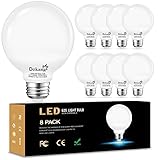
- LFR Score8.8
LFR Score is a ranking system developed by lightfansreviews.com. LFR Score has no relationship or impact from any manufacturers or sales agent websites. Learn more
- BrandDekang
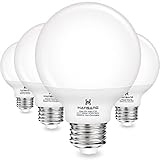
- LFR Score7.7
LFR Score is a ranking system developed by lightfansreviews.com. LFR Score has no relationship or impact from any manufacturers or sales agent websites. Learn more
- Brandhansang

- LFR Score7.4
LFR Score is a ranking system developed by lightfansreviews.com. LFR Score has no relationship or impact from any manufacturers or sales agent websites. Learn more
- BrandBrtstiun
Last update on 2026-10-18 / Affiliate links / Images, Product Titles, and Product Highlights from Amazon Product Advertising API
FAQs
What color light looks best in a bathroom mirror?
A warm soft white to neutral white light between 2700K and 3500K looks best in a bathroom mirror. This color temperature mimics natural morning light and prevents the washed-out, sickly look caused by cool blue bulbs. Look for a 90+ CRI rating so your skin tones and makeup shades appear true and accurate.
Can I use regular indoor light bulbs in a bathroom?
You should only use bulbs labeled as damp-rated or wet-rated in a bathroom that has a shower or tub. Regular dry-rated indoor bulbs lack protective seals against steam and condensation. Moisture can enter the base of an unrated bulb, corroding the electronic parts and causing early failure or electrical shorts.
How many lumens do I need for a four-bulb bathroom vanity?
A four-bulb bathroom vanity needs a total of 1,200 to 1,600 lumens to light your face without blinding glare. Divide that total by four and choose bulbs rated around 300 to 400 lumens each. Using standard 800-lumen bulbs in every socket creates an uncomfortably harsh wall of light.
Why do my new bathroom LED bulbs buzz when I turn them on?
Bathroom LED bulbs usually buzz because they are paired with an older wall dimmer switch that is not compatible with low-wattage LEDs. Buzzing also happens if you put non-dimmable bulbs on a dimmer circuit, or if you mix different bulb brands in the same multi-socket fixture. Installing an LED-compatible dimmer switch and using matched dimmable bulbs stops the noise.
What bulb shape fits standard vanity light bars?
Standard vanity light bars usually take round G25 globe bulbs with a standard E26 screw base. The spherical shape disperses light outward in all directions, which prevents harsh shadows around your face and eyes. Globe bulbs also look decorative and finished when mounted in exposed sockets without glass shades.


Best Lighting For Makeup 2026 Bright Ideas For Flawless Looks

Best Wall Sconces For Staircase 2026 Brighten Your Home

Best Lighting For Computer Desk 2026 For Focused Work

Best Boat Black Lights 2026 For Nighttime Adventure

Best Black 30 Inch Light Bar Reviews – Top Picks of 2026

Best Black Light For Aquarium 2026 For Vibrant Glow

Best Black Light for Authenticating Glass 2026 Top Picks

Best Waterproof Spotlight 2026 That Outshines Expectations






