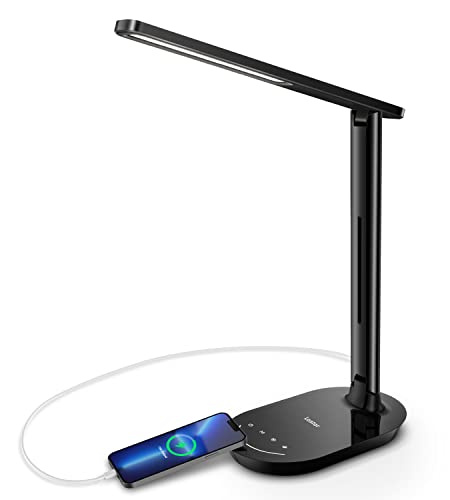
What Size Ceiling Light Do You Need for a Bedroom?

A balanced bedroom ceiling light should measure as wide in inches as the room's length and width added together in feet. That starting number changes, though, once you factor in ceiling height and where the fixture actually hangs. For a ten by twelve foot space, a light around 22 inches across gives you clean visual balance without crowding the ceiling.
Vertical clearance is the main detail to watch. Standard eight-foot ceilings call for a flush mount that sits flat against the surface to protect tall sleepers, while nine-foot ceilings give you room for a light that drops down a few inches. Placement also matters, because centering a fixture over your bed allows for a slightly wider shape than hanging it over an open walkway. Here is how to find the exact dimensions for your space without second-guessing.
The Short Version
- Use the diameter rule: Add your bedroom length and width in feet. That total number in inches gives you the ideal light diameter (width across the widest part). A 10 by 12 foot room needs a fixture around 22 inches across.
- Protect your headroom: Keep at least 7 feet of open space between the bottom of the fixture and the bedroom floor. For standard 8-foot ceilings, stick with a flush mount (mounted flat against the ceiling).
- Match the room layout: Center the light in the middle of the room for even floor coverage, or center it over the lower two-thirds of the bed if your bed dominates the floor plan.
- Aim for soft brightness: Target 10 to 20 lumens (actual brightness) per square foot, and pick warm white light (around 2700K) with a diffuser shade so you never look up into bare bulb glare.
The Two-Minute Sizing Rule for Fixture Diameter
Finding the right fixture size does not require complex design calculations. The most reliable method in home lighting uses a direct conversion from room feet to fixture inches. You simply take the two main dimensions of your bedroom and add them together.
First, grab a tape measure and find the length and width of the main room in feet. If your bedroom measures 11 feet wide and 13 feet long, add 11 plus 13 to get 24. Next, take that number and change the unit to inches. For an 11 by 13 foot room, your target fixture diameter is roughly 24 inches.
Diameter simply means the measurement straight across the widest part of the light fixture. If you are looking at a square or drum fixture, you measure straight across from one side to the other. For a starburst or multi-arm fixture, the diameter is the widest distance between the tips of opposite arms.
Visual scale matters because your eyes quickly notice when an overhead object feels out of place. A fixture that is too small looks like a tiny button lost on a vast ceiling. It makes the rest of the bedroom feel empty, sparse, and poorly planned. A fixture that is too wide acts like a visual anchor that weighs down the entire room. It crowds the space, distracts from your headboard and furniture, and makes a standard bedroom feel smaller than it really is.
If your room is an irregular shape with an entry alcove or a walk-in closet cutout, measure only the primary rectangular area where the bed sits and where you walk. Do not inflate your numbers by adding hallway nooks or deep wardrobe entries. Sizing for the primary living rectangle keeps the fixture balanced directly over your living area.
Bedroom Size Chart and Common Room Dimensions
Every bedroom layout creates different spatial demands. A compact nursery or guest room requires a trim profile, while a sprawling primary suite looks bare without substantial visual weight overhead. Here is how standard bedroom dimensions translate to ceiling light sizes.
Compact Bedrooms and Guest Rooms (10 by 10 Feet)
A 10 by 10 foot bedroom has a combined measurement of 20. The ideal light diameter sits between 18 and 20 inches. In very tight secondary bedrooms with lower ceilings, you can also look at compact 10 to 13 inch fixtures. These smaller options provide clean overhead clearance while leaving plenty of visual breathing room for small dressers and twin or full beds.
Standard Secondary Bedrooms (10 by 12 Feet to 12 by 12 Feet)
A 10 by 12 foot space adds up to 22 inches, while a 12 by 12 foot room adds up to 24 inches. Fixtures between 20 and 24 inches across fit these spaces naturally. This size category represents the most common bedroom footprint in modern homes. A 22-inch drum light or circular mount creates enough surface area to illuminate the corners without overwhelming a queen-size bed.
Large Primary Bedrooms (12 by 14 Feet to 14 by 16 Feet)
A 12 by 14 foot primary room calls for a 26-inch fixture, and a 14 by 16 foot suite calls for a 30-inch fixture. In spaces this wide, fixtures under 24 inches tend to disappear. A wider fixture between 26 and 30 inches establishes a clear focal point. If your bedroom features high ceilings alongside these wider dimensions, you can comfortably explore wider statement lights or tiered designs.
Expansive Suites (16 by 18 Feet and Larger)
When a primary suite reaches 16 by 18 feet or larger, the formula suggests a 34-inch or larger fixture. While a large single fixture works well, rooms of this size often benefit from layered light. You might install a 28 to 32 inch central fixture and supplement reading corners with floor lamps, wall sconces, or bedside task lights.
Room colors also influence your choice. Dark accent walls, navy bedding, and heavy drapery absorb light and shrink visual space, allowing you to choose a slightly bolder fixture. Pale walls, light oak flooring, and white linens reflect ambient light, meaning a slightly smaller or lower-profile fixture will still stand out clearly.
Ceiling Height and Drop Clearance
Room width determines how wide your light should be, but ceiling height dictates how far down it can hang. Ignoring vertical clearance is the quickest way to end up with a fixture that bumps your head or interferes with changing your bed sheets.
The standard safety rule for bedroom walk paths requires at least 7 feet (84 inches) of clearance between the finished floor and the bottom of the light fixture. If a tall family member or guest walks through the bedroom, they should never have to duck or worry about their hair brushing the shade.
Standard 8-Foot Ceilings
An 8-foot ceiling measures 96 inches from floor to drywall. When you subtract the required 84 inches of walking clearance, you are left with just 12 inches of total fixture depth. For an 8-foot ceiling, a flush mount fixture is almost always the right choice. A flush mount sits completely flat against the ceiling, typically extending downward only 2 to 6 inches. This leaves more than 7.5 feet of open air beneath the glass, keeping walk paths open and safe.
9-Foot Ceilings
A 9-foot ceiling provides 108 inches of total vertical room. Subtracting your 84-inch floor clearance leaves 24 inches of available drop space. This extra height allows you to install a semi-flush mount light. A semi-flush mount fixture drops down a few inches on a short metal stem or canopy rod. This small gap lets light bounce off the ceiling surface, creating a pleasant glow across the upper walls while maintaining plenty of walking clearance.
10-Foot and Taller Ceilings
Once your ceiling reaches 10 feet or higher, standard flush mounts look uncomfortably distant and flat. Taller ceilings let you use drop rods, hanging pendants, or chandeliers. As a helpful guideline, you can add 2 to 3 inches of fixture depth for every extra foot of ceiling height above 8 feet. If you have a 10-foot ceiling, a fixture that hangs down 16 to 18 inches will look proportional and elegant without intruding on the space below.
Always consider daily movement around the bedroom before picking a deep fixture. You raise your arms when pulling on sweaters, you shake out fluffy comforters when making the mattress, and closet doors swing open. If the light fixture hangs in the travel path of an upper wardrobe door, you must use a flatter flush mount to prevent collisions.
Centering the Light: Room Center vs. Over the Bed
Where you place your bedroom light changes how big it needs to be and how low it can hang. Most builders install the ceiling electrical box in the dead center of the room drywall. But bedrooms rarely place furniture symmetrically, creating a common choice between room center and bed center.
Centering in the Middle of the Room
Centering the fixture in the architectural middle of the bedroom provides even illumination across every wall. This placement works best if your bedroom serves multiple functions, such as housing a desk, a reading chair, or wide dresser mirrors. Because people walk directly under the middle of the room, you must enforce the strict 7-foot bottom clearance rule. The sizing formula (length plus width in feet converted to inches) works directly for this layout because the fixture addresses the whole room volume equally.
Centering Directly Over the Bed
If your bed is the undeniable visual centerpiece of the room, positioning the fixture over the mattress creates a tailored, intentional aesthetic. This approach works especially well in long bedrooms where centering the light on the drywall leaves the bed in shadow while illuminating empty floorboards.
Mounting the light over the bed introduces different clearance options. Because nobody walks across the mattress, you can lower the bottom of the fixture slightly below the usual 7-foot line. Aim for roughly 36 to 48 inches of clearance between the top of your mattress and the lowest point of the light. This gives you plenty of space to sit upright against pillows without knocking your head.
Take care not to center a hanging light directly over your pillows. Staring straight up into a bright light fixture while reading or falling asleep is uncomfortable. Position the fixture over the lower two-thirds of the mattress, closer to the foot of the bed. This keeps the light in front of your natural sightline and eliminates overhead glare when you recline.
If shifting your fixture requires moving an electrical box, check how you travel through adjacent areas. If you frequently get up during the night to check nearby hallways or stairs, consider pairing soft bedroom switches with motion sensor lights for hallways so you do not have to turn on bright main bedroom lights in the dark.
Brightness, Lumens, and Shade Selection
Getting the physical dimensions right solves only half the puzzle. You also need the right amount of light, delivered with comfortable warmth and zero harsh glare.
Lumens Instead of Watts
When shopping for bulbs or built-in LED fixtures, check the brightness in lumens rather than watts. Watts measure the electrical power draw of a fixture, while lumens measure the actual brightness produced by the light source. A traditional 60-watt incandescent bulb produced about 800 lumens, while an energy-efficient built-in LED uses under 10 watts to generate that same brightness.
For general bedroom lighting, aim for 10 to 20 lumens per square foot of floor space. To find your bedroom needs, multiply your room length by its width, then multiply that result by 15. For example, a 120-square-foot bedroom needs about 1,800 lumens of total ambient light. A fixture producing 1,500 to 2,000 lumens will fill that room with comfortable, clear light without washing out the room.
Color Tone and Warmth
Light color tone or warmth is measured in Kelvin. The Kelvin rating tells you whether the illumination feels golden and cozy or cool and blue.
- 2700K (Warm Soft White): The ideal color tone for sleeping spaces. It gives off a warm, amber-tinted glow similar to evening incandescent bulbs. This warmth signals to your brain that it is time to unwind.
- 3000K (Warm White): A slightly crisper white that still feels friendly and comfortable. It works well in modern bedrooms with cool gray or clean white walls.
- 4000K to 5000K (Neutral to Crisp Daylight): Bright, blue-toned light that mimics midday sun. While practical for garages or laundry rooms, it is usually too harsh for a bedroom and can disrupt sleep cycles.
If you enjoy watching movies or reading from bed late in the evening, avoid blasting 5000K overhead light. You can keep your ceiling light at a low warm glow and use dedicated backlights for a television to relieve visual strain without lighting up the entire room.
Shades, Diffusers, and Dimming Controls
The bottom of your bedroom ceiling fixture should always have a diffuser. A diffuser is a frosted glass or milky acrylic panel that covers the bulbs. Without a diffuser, you will look up from your bed directly into bare LED diodes or bulb filaments, which causes sharp afterimages in your eyes. Fabric drum shades, frosted bowl glass, and sealed acrylic covers scatter the light sideways and downward, producing soft, flattering illumination across the ceiling.
Always pair your bedroom fixture with an LED-compatible dimmer switch. Standard dimmers designed for older bulbs can cause built-in LED fixtures or LED bulbs to emit an annoying buzz, hum, or visible flicker when turned down low. An LED-rated dimmer switch lets you dial the brightness down to a gentle whisper for winding down at night, or turn it up fully when folding laundry and cleaning.
Keep electrical safety at the front of your project. Bedrooms are classified as dry locations, so look for fixtures labeled as dry-rated for living rooms and bedrooms. Whenever you inspect existing wiring or install a new hardwired fixture (wired directly into a ceiling electrical box), always shut off the circuit breaker at the main electrical panel. Never rely on just turning off the wall switch, as switch wires can still carry live current.
Choosing the Right Bedroom Ceiling Fixture
When selecting a bedroom ceiling light, standard flush mounts measuring between 10 and 13 inches across offer an ideal balance for secondary bedrooms, guest rooms, and low-ceiling layouts. These fixtures sit close to the ceiling drywall, preserving your head clearance while delivering broad illumination.
Before purchasing your light, verify the specific dimensions listed on the box or product page. Check the fixture diameter to match your room calculation, and check the total drop height to ensure you keep 7 feet of clear walking space below. Verify whether the unit has a built-in LED array or uses a standard screw-in bulb base (E26 medium base). A screw-in base allows you to pick your own bulb warmth and brightness, while a built-in LED provides a very slim, modern profile.
Finally, confirm that the light is marked as dimmable and that it is fully hardwired for standard junction boxes. Taking two minutes to confirm these simple measurements ensures you get balanced lighting that looks built for your bedroom on the very first try.

- LFR Score9.7
LFR Score is a ranking system developed by lightfansreviews.com. LFR Score has no relationship or impact from any manufacturers or sales agent websites. Learn more
- BrandAmazeFan
- LFR Score9.2
LFR Score is a ranking system developed by lightfansreviews.com. LFR Score has no relationship or impact from any manufacturers or sales agent websites. Learn more
- Brandhepside

- LFR Score9.1
LFR Score is a ranking system developed by lightfansreviews.com. LFR Score has no relationship or impact from any manufacturers or sales agent websites. Learn more
- Brandhepside

- LFR Score7.2
LFR Score is a ranking system developed by lightfansreviews.com. LFR Score has no relationship or impact from any manufacturers or sales agent websites. Learn more
- BrandSKEJAO

- LFR Score7.1
LFR Score is a ranking system developed by lightfansreviews.com. LFR Score has no relationship or impact from any manufacturers or sales agent websites. Learn more
- BrandVikaey
Last update on 2026-10-24 / Affiliate links / Images, Product Titles, and Product Highlights from Amazon Product Advertising API
FAQs
Can a ceiling light be too big for a bedroom?
Yes, a fixture that exceeds your room calculation by more than 4 to 6 inches can easily overwhelm a bedroom. It creates an unbalanced focal point that makes standard 8-foot ceilings feel lower and crowds other furniture. Sticking within 2 inches of your calculated diameter keeps the room feeling open and balanced.
How low can a ceiling light hang over a bed?
When mounted directly over a mattress where nobody walks, a fixture can hang down to within 36 to 48 inches of the mattress surface. This gives you plenty of headroom to sit up and read against your pillows. Be careful not to hang it so low that you bump into it while changing fitted sheets or making the bed.
Do I need an electrician to replace my bedroom ceiling light?
Swapping an existing light for a similar flush mount is a straightforward task if you are comfortable turning off the circuit breaker at the main electrical panel and connecting matching colored wires. If you need to cut drywall, run fresh wiring, or move an off-center electrical box, hire a licensed electrician to ensure the installation meets local electrical codes.
What is the difference between a flush mount and a semi-flush mount?
A flush mount installs completely flat against the ceiling surface with no open space above the frame. A semi-flush mount attaches to a ceiling canopy and drops down a few inches on a short stem. Flush mounts work best for 8-foot ceilings, while semi-flush fixtures suit 9-foot or taller ceilings where extra vertical space is available.


Best Lighting For Makeup 2026 Bright Ideas For Flawless Looks

Best Wall Sconces For Staircase 2026 Brighten Your Home
Best Lighting For Computer Desk 2026 For Focused Work

Best Boat Black Lights 2026 For Nighttime Adventure

Best Black 30 Inch Light Bar Reviews – Top Picks of 2026

Best Black Light For Aquarium 2026 For Vibrant Glow

Best Black Light for Authenticating Glass 2026 Top Picks
Best Waterproof Spotlight 2026 That Outshines Expectations