What Size Light Bulb for Ceiling Fan Explained Clearly
What size light bulb for ceiling fan is a question that sounds simple, yet trips up more people than you’d expect. Ceiling fans vary widely in socket type, wattage limits, and shade design, and picking the wrong bulb can leave a room dim, overheated, or just plain awkward. Some fans are built for compact bulbs tucked into narrow glass shades, while others are designed to show off decorative bulbs as part of the room’s look. Miss that detail, and suddenly the fan feels like it’s fighting the space instead of finishing it.
Beyond physical fit, brightness plays a huge role in satisfaction. A bulb that’s too weak forces you to squint, while an oversized, ultra-bright bulb can feel harsh and uninviting. That’s why understanding lumens, not just wattage, matters when answering what size light bulb for ceiling fan. Ceiling fans often sit higher than lamps, so light distribution and beam spread affect how usable the room feels at night.
Heat is another quiet troublemaker. Ceiling fan light kits usually have strict wattage caps, and exceeding them can shorten bulb life or damage the fixture. LED bulbs changed the game here, offering strong brightness with far less heat, but only if the bulb’s shape and base match the fan’s design. Ignoring that balance is like wearing shoes that almost fit, tolerable at first, miserable over time.
Style sneaks into the decision too. Clear bulbs, frosted bulbs, globe shapes, and candle styles all create different moods under a spinning fan. Choosing the right size isn’t just about function, it’s about harmony. Get it right, and the fan fades into the background while the room shines.
Why light bulb size matters more than you think
What size light bulb for ceiling fan often gets treated like an afterthought, yet it quietly controls how livable a room feels. A bulb that’s too large can crowd the light kit, trap heat, and even crack glass shades over time. On the flip side, a bulb that’s too small may technically fit but leave the space feeling gloomy and unfinished. That subtle mismatch shows up night after night, turning a simple fixture into a daily annoyance.
Ceiling fans sit higher than most light sources, which changes how brightness spreads across a room. Because of that height, bulb size and shape affect how evenly light travels downward. A compact bulb with the wrong beam pattern can create harsh shadows or dark corners. Choosing the right size isn’t just about clearance, it’s about balanced illumination that feels natural.
Heat buildup is another hidden issue that sneaks up on people. Many ceiling fan light kits have strict wattage limits, and oversized incandescent bulbs can push past safe levels fast. LEDs help reduce heat, but only if the bulb’s physical size allows proper airflow. Ignoring this factor risks shortening the life of both the bulb and the fan.
There’s also the matter of aesthetics, whether people admit it or not. A bulb that sticks out awkwardly or presses against the shade disrupts the look of the entire fan. When the size is right, the light feels intentional, almost invisible. That harmony is why what size light bulb for ceiling fan deserves more attention than it usually gets.
Common ceiling fan socket types and size limits
Most ceiling fans rely on a few standard socket types, and each comes with its own size expectations. The most common is the medium base, often paired with compact A15 or A19 bulbs depending on the fixture depth. Smaller fans or decorative models may use candelabra bases that demand slimmer, shorter bulbs. Getting this wrong leads to bulbs that technically screw in but don’t actually fit.
Glass shades play a huge role in size limitations. Some shades narrow toward the opening, leaving very little room for longer bulbs. In these cases, a shorter bulb profile becomes essential to avoid contact with the glass. Even a few extra millimeters can make the difference between a clean fit and constant rattling.
Manufacturers usually specify maximum bulb length and wattage, but those details often get overlooked. Checking these limits saves time, money, and frustration later. It also helps explain why two fans with the same socket might require different bulb sizes. Fixture depth matters just as much as the base type.
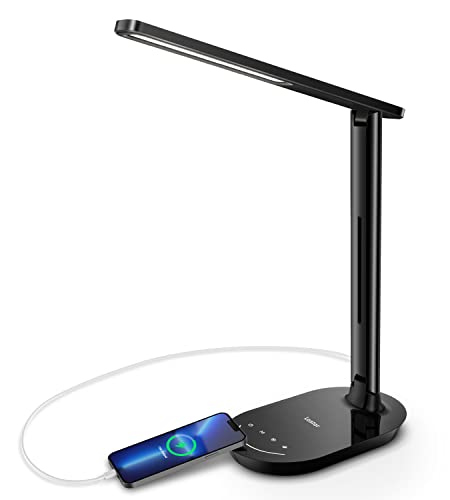
People who’ve struggled with other lighting setups often recognize this pattern. For example, desk lighting requires careful bulb selection to avoid glare and eye strain, a concern echoed in guides about best desk lamp for hobby use. Ceiling fans demand the same thoughtful approach, just from a different angle.
Brightness versus bulb size in ceiling fans
Brightness is where many people get tripped up, confusing bulb size with light output. A physically larger bulb doesn’t automatically mean more light, especially with modern LEDs. Lumens tell the real story, not the bulb’s length or width. Choosing a compact bulb with sufficient lumens often delivers better results than a bulky, outdated option.
Ceiling fans typically need moderate brightness rather than intense spotlighting. Too much light can feel harsh, especially in bedrooms or living rooms meant for relaxation. A properly sized bulb spreads light evenly without overwhelming the space. That balance is central to answering what size light bulb for ceiling fan correctly.
Room size also influences how brightness feels from a ceiling fan. Larger rooms may benefit from multiple bulbs or higher lumen ratings, but still within size limits. Smaller rooms often feel brighter than expected once the right bulb size is installed. It’s a reminder that scale matters in lighting decisions.
Similar logic applies in specialized lighting setups. Grow lights, for instance, focus on output efficiency rather than sheer size, as discussed in comparisons like best led grow lights for high yield. Ceiling fan lighting follows the same principle, favoring efficient brightness over bulky design.
How bulb shape affects fit and comfort
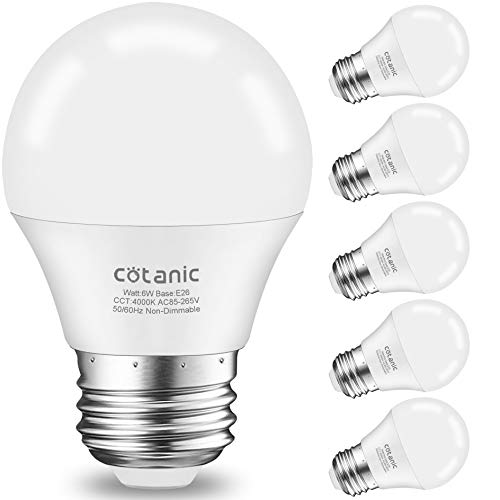
Bulb shape quietly dictates whether a ceiling fan light feels pleasant or problematic. Standard A-shaped bulbs may work in open fixtures but struggle inside narrow shades. Globe and candle shapes often fit better in compact designs, reducing the risk of contact with glass. Shape isn’t just decorative, it’s functional.
The way light diffuses also changes with bulb shape. Frosted bulbs soften brightness, reducing glare when viewed from below. Clear bulbs can look striking but may feel too intense in frequently used rooms. Choosing the right shape helps maintain visual comfort without sacrificing style.
Fans installed over dining tables or seating areas demand extra care. A poorly chosen bulb shape can shine directly into eyes, turning meals or conversations uncomfortable. Compact, well-diffused bulbs avoid that issue while staying within size limits. This small decision has an outsized impact on daily comfort.
Outdoor and decorative lighting choices show similar patterns. Holiday setups often rely on precise bulb sizing to avoid sagging or uneven light, as seen in recommendations for best christmas lights for gutters. Ceiling fan bulbs follow that same logic of fit before flair.
Why oversized bulbs cause long-term problems
Oversized bulbs rarely cause instant failure, which is why they’re so tempting to ignore. The trouble builds slowly, with excess heat stressing sockets and wiring. Over time, this can loosen connections or discolor the fixture. What seems harmless at first quietly shortens the fan’s lifespan.
Weight is another overlooked factor. Larger bulbs weigh more, and constant vibration from the fan can amplify that strain. This may lead to wobbling bulbs or even cracked sockets. A properly sized bulb avoids unnecessary mechanical stress.
Maintenance becomes harder with oversized bulbs too. Removing a bulb that’s wedged tightly into a shade often risks breaking glass or cutting fingers. A correctly sized bulb slips in and out smoothly, making routine changes painless. Convenience matters more than people expect.
Ultimately, respecting size guidelines protects both comfort and safety. The right choice supports airflow, manages heat, and keeps lighting consistent. That’s why what size light bulb for ceiling fan isn’t just a preference, it’s a practical decision with lasting effects.
Choosing the right bulb size for different rooms
Room function changes how what size light bulb for ceiling fan should be approached, even when the fan itself looks similar. Bedrooms usually benefit from slightly smaller bulbs with softer diffusion to avoid harsh light late at night. A compact bulb with moderate lumens creates a calm atmosphere without sacrificing visibility. That balance helps the room feel restful instead of overlit.
Living rooms often demand a different strategy because they serve multiple purposes. Reading, watching TV, and hosting guests all require adaptable lighting. A properly sized bulb that spreads light evenly prevents dark corners while avoiding glare. Choosing size with room versatility in mind keeps the space comfortable at any hour.
Kitchens and dining areas lean toward clarity rather than mood. Here, a slightly brighter bulb within the recommended size range works best. The key is ensuring the bulb fits the shade cleanly so light isn’t blocked or distorted. Size mistakes show up fast in task-oriented rooms like these.
Outdoor ceiling fans add another layer of consideration. Weather-rated fans often use enclosed shades that restrict bulb length. Selecting the right size protects against heat buildup and moisture issues, keeping the fixture reliable over time.
LED advantages when size limits are tight
LED technology has reshaped how people answer what size light bulb for ceiling fan. LEDs produce high brightness from smaller physical packages, making them ideal for shallow light kits. This allows users to stay within size limits while still achieving strong illumination. It’s efficiency without compromise.
Heat reduction is one of the biggest LED benefits. Less heat means safer operation inside enclosed fan shades. This not only protects the fixture but also preserves bulb lifespan. Long-term reliability becomes a built-in advantage.
LEDs also offer a wider range of shapes designed specifically for compact fixtures. Shorter profiles, globe designs, and slim bulbs solve clearance issues easily. These options let size constraints fade into the background. The result feels intentional rather than restrictive.
Energy savings quietly add up as well. Using an LED bulb that fits correctly lowers power consumption without sacrificing comfort. That combination makes LEDs a natural choice when space is limited.
How installation and placement affect bulb choice
Installation height changes how bulb size performs in real life. High ceilings amplify the impact of bulb brightness and beam spread. A bulb that’s too small may technically fit but struggle to light the room adequately. Size and output must work together.
Fan placement relative to furniture also matters. A fan centered over seating areas benefits from diffused light that doesn’t shine directly downward. Choosing a compact bulb with frosted glass softens the effect. This protects eye comfort during everyday use.
Some fans allow multiple bulbs, which changes the sizing equation. Smaller bulbs distributed evenly often outperform a single large bulb. This setup improves light coverage while staying within individual size limits. It’s a smarter way to scale brightness.
Installation guides often overlook these nuances. Yet, taking a moment to consider placement avoids repeat adjustments later. Correct sizing upfront saves both time and patience.
Balancing style and function without oversizing
Style preferences often tempt people toward larger, decorative bulbs. While these can look appealing, they must still respect the fixture’s limits. A bulb that dominates the shade visually disrupts the fan’s design. Subtlety usually wins in ceiling fan lighting.
Modern fans often blend into minimalist interiors. Compact bulbs complement this aesthetic by staying visually quiet. The light feels present without drawing attention to the hardware. That restraint enhances the overall room design.
In outdoor or accent spaces, decorative lighting still plays a role. However, even here, proper sizing keeps things polished. For example, deck lighting relies on proportion and placement, much like recommendations for best solar deck post lights. Ceiling fans benefit from the same proportional thinking.
Function should always anchor style decisions. When size supports airflow, heat control, and light spread, the fixture performs as intended. Beauty follows naturally from balance.
Practical mistakes people keep repeating
One common mistake is assuming wattage equals brightness. This leads to oversized incandescent bulbs where compact LEDs would work better. The result is excess heat and wasted energy. Rethinking brightness through lumens fixes this issue fast.
Another error involves ignoring manufacturer guidelines. These specs exist for safety and performance, not decoration. Overlooking them often results in bulbs that barely fit or fail early. Respecting limits protects both the fan and the room.
People also underestimate how bulb size affects maintenance. Tight fits make bulb changes stressful and risky. Choosing the correct size simplifies upkeep and reduces breakage. Convenience becomes an everyday benefit.
These missteps echo across other lighting projects too. For instance, improper sizing complicates setups like installing accent lighting, where guides such as install rgb led strip lights emphasize planning before placement. Ceiling fan bulbs deserve that same foresight.
Making a confident final decision
Answering what size light bulb for ceiling fan confidently comes down to combining fit, brightness, and purpose. Checking socket type, shade depth, and wattage limits forms a solid starting point. From there, selecting a bulb shape that complements the room seals the decision. Each step reduces guesswork.
Testing light quality mentally before buying helps avoid disappointment. Visualize how the bulb will look from below and how it spreads light across the room. This habit prevents impulse choices based on packaging alone. Thoughtful selection pays off quickly.
Reliable lighting feels invisible when done right. The room feels comfortable, the fan runs smoothly, and nothing draws unwanted attention. That quiet success is the mark of a correct choice. Size stops being a concern because everything simply works.
In the end, the best bulb is the one that fits cleanly, lights evenly, and respects the fixture’s limits. Prioritizing those factors ensures lasting comfort and fewer adjustments over time.


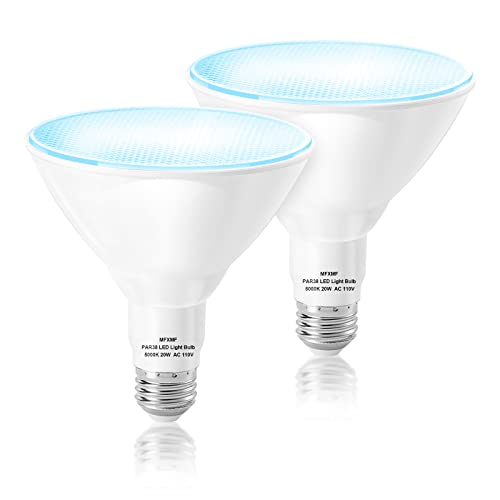
Best Outdoor Light Bulb Reviews: Top-Rated Picks for 2026
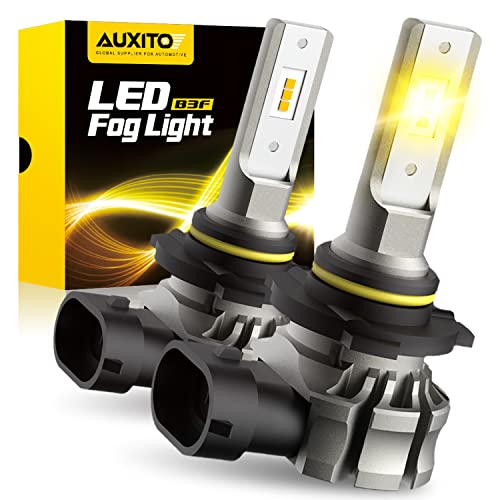
Best Yellow Fog Light Bulb 2026 For Clearer Night Drives

Best Z Wave Light Bulb 2026 Top Picks For Smart Control

Best Vintage Light Bulb 2026 With Style And Glow
Best LED Reading Light Bulb Reviews - Top Picks for 2026

Best Light Bulb to Mimic Sunlight - Top Picks 2026

7 best light bulb to heat dog house picks that work
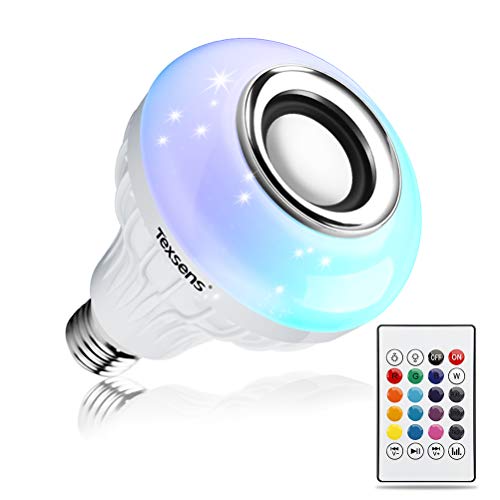
Best Bluetooth Speaker Light Bulb 2026 With Style And Power