What Size Light Fixture Do You Need for a Bedroom?

Add room length and width in feet. Combine those two numbers, then swap feet for inches to find your ideal fixture diameter. A 10 by 12 foot bedroom, for example, calls for a light roughly 22 inches across. That basic math keeps the fixture from looking like an afterthought without crowding the ceiling.
Ceiling height and room layout will adjust that target. Standard eight-foot ceilings require a flush mount (a light sitting flat against the ceiling) to keep at least seven feet of clearance for walking. Taller ceilings allow a gentle hanging drop, while centering the light directly over a mattress gives you room to go slightly bigger. Here is how to calculate the exact size and hanging height for your space.
The Two-Minute Sizing Formula: Length Plus Width Equals Diameter
Choosing the right light fixture starts with basic room proportions. When an overhead light looks wrong in a bedroom, it is almost always because the diameter is out of scale with the floor plan. A fixture that is too small looks like a lone button stuck on an empty ceiling, while a fixture that is too large crowds the room and makes the ceiling feel lower than it really is.
Interior lighting designers rely on a simple calculation to avoid this mismatch. You can figure out the ideal fixture diameter in about two minutes using a tape measure and a notepad. Follow these four steps:
- Measure the length of the room in feet. Run your tape measure along the longest wall from baseboard to baseboard. If the room measures 12 feet, write down 12.
- Measure the width of the room in feet. Measure the adjacent wall across the room. If the wall measures 10 feet, write down 10.
- Add those two numbers together. In this example, 12 plus 10 equals 22.
- Convert that total directly to inches. The resulting number is your target fixture diameter. For a 10 by 12 foot bedroom, your ideal light fixture is roughly 22 inches across.
This formula works because it ties the visual footprint of the ceiling light directly to the floor area below it. A square bedroom measuring 11 by 11 feet gives you 22 inches (11 plus 11). A slightly larger bedroom measuring 12 by 14 feet points you toward a 26-inch fixture. The math gives you a clear target so you do not have to guess when browsing fixture dimensions online.
If your bedroom has an unusual shape, adjust where you take your measurements. In an L-shaped room or a bedroom with an offset dressing nook, measure only the main sleeping zone. Measuring into an entry alcove or a bank of deep closets will artificially inflate your total number, leading to an oversized fixture that overwhelms the actual bed area. Focus your tape measure on the primary rectangle where you spend your time relaxing and sleeping.
Bedroom Dimension Cheat Sheet for Common Room Layouts
While the sizing formula provides a precise number, light fixtures are manufactured in standard size brackets. You will rarely find an exact 21.5-inch light, but you will find plenty of models measuring 20, 22, or 24 inches. A difference of two inches in either direction will still look balanced to the naked eye. Keep this checklist handy when matching standard bedroom layouts to fixture diameters:
- Small bedrooms (10 by 10 feet): Aim for a fixture between 18 and 20 inches wide. In tight guest rooms or home nurseries with tall furniture, a 16-inch light also works well without crowding the ceiling.
- Standard secondary bedrooms (10 by 12 feet): Look for fixtures measuring 20 to 22 inches across. This provides enough presence to anchor the room without overpowering a queen bed.
- Average bedrooms (12 by 12 feet): Choose a fixture between 22 and 24 inches in diameter. This scale keeps the center of the ceiling visually anchored over standard dressers and nightstands.
- Medium master bedrooms (12 by 14 feet): Select a fixture between 24 and 26 inches wide. This size easily balances the footprint of a king-size bed frame.
- Large master suites (14 by 16 feet or larger): Choose a fixture measuring 28 to 32 inches across. For rooms larger than 16 by 18 feet, consider a wide statement fixture or pair a central light with supplemental recessed lighting.
Beyond the raw tape measure numbers, you also need to factor in visual weight. Visual weight refers to how heavy, dense, or solid a fixture appears when you look up at it. Two fixtures with the exact same 22-inch diameter can feel completely different in the same bedroom.
A fixture with an opaque fabric drum shade, a thick wooden rim, or a solid frosted glass dome has substantial visual weight. It blocks sightlines and commands attention. If you pick a solid, heavy-looking design, you can safely lean toward the smaller end of your size range so the bedroom stays light and airy. On the other hand, an open metal cage, a fixture with thin extending arms, or a cluster of clear glass globes has light visual weight. Because you can see right through the frame to the ceiling, you can easily go two to four inches larger than your calculated size without making the room feel crowded.
Ceiling Height and Vertical Clearance: Flush Mounts Versus Hanging Drops
Getting the diameter right solves half of your layout puzzle. The other half is vertical clearance, which is the distance between the bottom of the light and your bedroom floor. Hanging a fixture too low creates an awkward obstacle that tall family members bump into, while hugging the ceiling too tightly in a tall room makes the light look distant and ineffective.
The standard clearance rule across residential living spaces requires at least seven feet of open space between the floor and the bottom of any hanging fixture. If your bedroom ceiling is eight feet high, which is the standard height in most modern American homes, you have only 12 inches of total vertical space to work with. That tight clearance determines which mounting style you should choose:
A flush mount (a light mounted completely flat against the ceiling) is the safest choice for an eight-foot ceiling. Most flush mounts drop down only three to six inches from the drywall. This leaves more than seven and a half feet of headroom below, keeping the path clear when you carry laundry, lift storage boxes, or change bed sheets.
A semi-flush fixture (a light that hangs down a few inches on a short central stem) works best on ceilings that measure nine feet or higher. A semi-flush fixture typically drops between 8 and 14 inches below the ceiling. That small gap allows light to reflect upward onto the ceiling surface as well as downward into the bedroom, creating a soft, warm wash of indirect light that makes the entire room feel larger.
If your bedroom has ten-foot ceilings or a steep vaulted roof, you can move away from flush styles entirely. Taller ceilings provide enough headroom for a hanging pendant or a small bedroom chandelier dropped on downrods or a chain. On a ten-foot ceiling, dropping a fixture 18 to 24 inches fills the vertical void beautifully while still leaving more than eight feet of open clearance beneath the lowest bulb.
This vertical rule changes if your light fixture hangs directly over the mattress instead of an open walkway. In many bedroom layouts, the ceiling electrical box sits directly over the center of the bed. Because nobody walks on top of the mattress, you do not strictly need seven feet of floor clearance here. You can lower a decorative semi-flush light or chandelier so it hangs roughly six to six and a half feet from the floor.
When lowering a fixture over a bed, always maintain at least 36 to 48 inches of space between the top of your mattress and the lowest point of the light. This gives you plenty of room to sit up straight, lean against pillows, or make the bed without hitting your head or bumping the light with your hands. If you like to stand on the mattress to reach high storage or rotate ceiling fans, stick to the conservative seven-foot rule to avoid accidental head bumps.
What to Look for in a Bedroom Light Fixture Before You Buy
Once you know your target diameter and vertical drop, you can narrow down fixture styles that suit a bedroom environment. Bedrooms require a different lighting approach than kitchens or home offices. In a kitchen, you need crisp, intense illumination to chop food safely. In a bedroom, the primary goal is rest, comfort, and relaxation.
For smaller secondary bedrooms, children's rooms, or spaces with standard eight-foot ceilings, look for compact, low-profile flush mounts measuring between 12 and 14 inches. Slim round fixtures with clean metal rims sit tight to the ceiling plaster, delivering broad ambient coverage without turning into a visual distraction. If you have a larger master bedroom or a nine-foot ceiling, expand your search to wide-diameter semi-flush models with multi-bulb layouts or soft fabric diffusers that scatter light evenly across the room.
Pay close attention to brightness in lumens rather than wattage. Watts only measure how much electrical power a light uses, while lumens measure actual light output. For general bedroom lighting, a total output of 1,500 to 2,500 lumens across all ceiling bulbs provides plenty of light to fold laundry and tidy up without feeling like a commercial showroom. You can then layer that base overhead light with bedside lamps for reading.
Check the color tone or warmth, which is measured in Kelvin. For a cozy sleeping space, look for 2700K (warm soft white) or 3000K (soft warm white). These warmer tones feel restful on tired eyes in the evening. Avoid 5000K (crisp daylight) fixtures in a bedroom ceiling, as high-kelvin, blue-leaning light can feel cold and disrupt your body's natural wind-down routine before sleep.
Control makes a major difference in bedroom comfort. If you buy a dimmable fixture, verify that your wall switch is an LED-compatible dimmer switch. Older wall dimmers designed for incandescent bulbs can cause annoying buzzing sounds, faint humming, or light flickering when paired with modern low-voltage LEDs. Setting your ceiling fixture to 10 percent brightness on a quiet dimmer switch makes waking up on dark winter mornings much gentler. If you want automatic guidance when slipping out of bed at night, installing indoor motion sensor lights for hallways and stairs gives you soft ground-level lighting outside the bedroom door without having to flip on bright overhead lights.
Before buying, confirm that the light is dry-rated for living rooms and bedrooms. Wet-rated or damp-rated fixtures are built to withstand rain or steamy shower vapor, which adds unnecessary cost for an indoor bedroom setting.
When it is time to replace your old light, prioritize safety before touching any tools. Always shut off the circuit breaker at the main electrical panel, rather than just switching off the wall toggle. Confirm the power is dead using a simple non-contact voltage pen against the ceiling electrical box. If you open the junction box (the metal or plastic electrical box inside the ceiling) and find crumbling wire insulation, missing ground wires, or an unanchored box that wiggles under light pressure, stop immediately. Call a licensed electrician to inspect the wiring and secure the box before mounting your new fixture.
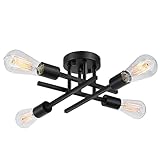
- LFR Score9.5
LFR Score is a ranking system developed by lightfansreviews.com. LFR Score has no relationship or impact from any manufacturers or sales agent websites. Learn more
- BrandSunRider

- LFR Score9.4
LFR Score is a ranking system developed by lightfansreviews.com. LFR Score has no relationship or impact from any manufacturers or sales agent websites. Learn more
- Brandlibtit

- LFR Score7.4
LFR Score is a ranking system developed by lightfansreviews.com. LFR Score has no relationship or impact from any manufacturers or sales agent websites. Learn more
- BrandDINGLILIGHTING
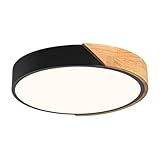
- LFR Score7.1
LFR Score is a ranking system developed by lightfansreviews.com. LFR Score has no relationship or impact from any manufacturers or sales agent websites. Learn more
- BrandVikaey
Last update on 2026-10-25 / Affiliate links / Images, Product Titles, and Product Highlights from Amazon Product Advertising API
FAQs
What should I do if my bedroom math falls between two common fixture sizes?
Round up to the larger size if your light has an airy frame, open metal branches, or clear glass shades. Round down to the smaller size if the fixture features a solid fabric drum, dark metal bands, or a heavy opaque shade. Choosing the smaller size prevents a visually heavy fixture from crowding a modest bedroom.
Can I put a hanging chandelier over my bed if my ceiling is only eight feet high?
You can hang a small chandelier directly over a bed on an eight-foot ceiling, but only if the fixture drops 12 to 14 inches or less. Maintain at least 36 to 48 inches of vertical clearance between the mattress surface and the bottom of the chandelier. If the fixture drops lower than that, stick to a semi-flush mount so you do not hit your head when sitting up in bed.
How bright should my bedroom ceiling light be in total lumens?
A standard bedroom ceiling fixture should produce between 1,500 and 2,500 total lumens of general ambient light. This level provides adequate illumination for cleaning, packing, and dressing without washing out the room. Pairing the ceiling fixture with an LED-compatible dimmer switch lets you soften the output down to cozy levels at bedtime.


Best Lighting For Makeup 2026 Bright Ideas For Flawless Looks

Best Wall Sconces For Staircase 2026 Brighten Your Home

Best Lighting For Computer Desk 2026 For Focused Work

Best Boat Black Lights 2026 For Nighttime Adventure

Best Black 30 Inch Light Bar Reviews – Top Picks of 2026

Best Black Light For Aquarium 2026 For Vibrant Glow

Best Black Light for Authenticating Glass 2026 Top Picks

Best Waterproof Spotlight 2026 That Outshines Expectations