What Size Vanity Light for a 24-Inch Mirror?

Getting the proportions right is much simpler than it seems, so there is no need to stress over the math. For a standard 24-inch mirror, the ideal overhead fixture is 16 to 18 inches wide. That span covers roughly 70 to 75 percent of the mirror width, which keeps the wall balanced and prevents the glass from looking top-heavy.
A few practical details can shift that recommendation. Switching from an overhead bar to side sconces changes what fits, since you need enough wall space on either side of the glass. The total width of the sink cabinet below also matters, along with the visual bulk of the fixture. A slim metal strip carries far less weight than multi-bulb glass shades. Here is how to dial in the exact size and placement for your wall.
Why is a 16 to 18-inch light best?
A vanity light that measures between 16 and 18 inches hits the visual sweet spot above a 24-inch mirror. Interior designers follow a simple rule of thumb: an overhead light fixture should cover roughly 70 to 75 percent of the mirror width. When you multiply 24 inches by 0.70, you get 16.8 inches. Multiplying by 0.75 gives you exactly 18 inches.
This proportional sizing creates visual balance on your wall. Leaving three to four inches of empty space on each side of the fixture prevents the arrangement from looking crowded. If your light bar stretches all the way to the outer edges of the frame, the top of the mirror feels heavy and pinched. An oversized fixture can make a small bathroom look even narrower than it really is.
The style of your mirror frame also changes how this proportion looks in person. A frameless piece of glass or a thin metal frame has very little visual weight. A delicate 16-inch fixture sits cleanly above it without competing for attention. A chunky wood or ornate carved frame carries much more presence. That thicker border can easily support an 18-inch fixture without looking top-heavy.
Mirror shape makes a big difference as well. A rectangular 24-inch mirror carries its full width straight across the top edge, giving you a broad horizontal line. A 24-inch round mirror curves inward as it reaches the top. An 18-inch light bar can look wider than the curved glass underneath it. For a 24-inch round mirror, stay closer to 14 or 16 inches so the fixture never extends past the curved shoulders of the glass.
Can your vanity light match the mirror width?
You can use a 24-inch light over a 24-inch mirror, but the style of the fixture determines whether it looks balanced or awkward. The deciding factor is visual bulk. A slim, modern built-in LED bar that sits tight against the wall creates a crisp, intentional line. Because it has a low profile with no protruding shades, matching the 24-inch mirror width looks like tailored architectural lighting.
The problem starts when you look at multi-bulb fixtures with projecting shades. A traditional three-bulb or four-bulb fixture with glass globes extends outward into the room by several inches. Even if the metal mounting bar measures exactly 24 inches, the glass shades often push past that boundary. That extra physical depth tricks your eye into seeing a massive fixture that completely overpowers a modest 24-inch mirror.
You also need to look below the mirror at your vanity sink cabinet. If your 24-inch mirror sits above a wider 30-inch or 36-inch vanity cabinet, the broader countertop anchors the wall. In that setup, a 24-inch light bar looks grounded because the cabinet provides a wider base. The entire grouping naturally tapers upward from the wide cabinet to the medium mirror and light.
If your mirror hangs above a narrow 24-inch floating sink or a pedestal basin, a 24-inch fixture creates a vertical column from floor to ceiling. That vertical block can make a small powder room feel like a tight elevator shaft. In that situation, stepping down to a 16-inch or 18-inch light creates much-needed breathing room around the glass.
Should you choose an overhead bar or side sconces?
Choosing between an overhead light bar and side sconces comes down to two things: available wall width and how you use the mirror. A sconce is a wall light mounted beside a mirror. Sconces provide the most flattering illumination for daily grooming because they sit at eye level. Light hits your face evenly from both sides, washing away dark shadows under your eyes, nose, and chin.
An overhead fixture mounts directly above the glass and casts light downward. While modern diffusers help spread the beam, downward light will always create subtle shadows along your jawline. For general handwashing or quick tooth brushing in a guest bathroom, an overhead light is more than adequate. If you do detailed makeup application or close shaves at this sink, side illumination makes daily tasks much easier.
The physical width of your wall will often make this decision for you. To mount side sconces correctly, you need about three to four inches of space between the mirror edge and the light fixture. You also need another four to six inches of clear drywall between the light fixture and any corner wall or door molding. When you add a 24-inch mirror, two sconces, and the necessary gaps, you need at least 38 to 42 inches of unobstructed wall space.
Many powder rooms and half baths simply do not have 40 inches of open wall. In tight alcoves, an overhead light fixture remains your best option because it uses vertical space rather than horizontal space. If you are updating multiple lights during your remodel and want subtle night illumination in adjacent pathways, you can explore motion sensor lights for hallways and stairs to keep late-night trips safe without turning on bright bathroom vanity lights.
How high should you hang the light fixture?
Hanging your vanity light at the right height keeps the fixture from bumping into the mirror frame and prevents harsh glare from bouncing off the top of the glass. Follow these steps to measure and position your fixture accurately:
- Shut off the circuit breaker at the main electrical panel. Never rely solely on a standard wall light switch when measuring around electrical cutouts or handling wall plates. Walk to your electrical panel, locate the correct breaker, flip it off, and verify the circuit has no power using a voltage tester before touching any wiring.
- Position your mirror at eye level. Before mounting any light, verify the mirror height. In most homes, the center of a 24-inch mirror should hang roughly 60 to 65 inches above the finished bathroom floor. This puts the middle of the glass at average eye level for adults.
- Leave a vertical clearance gap. Measure two to four inches above the top edge of your mirror frame. That space creates a clean visual break between the glass and the metal light base. Mounting the light too close causes awkward reflections of the light bulbs inside the top margin of the mirror.
- Check your junction box location. A junction box is the wall container that houses electrical wire splices. The center of this box should generally sit 75 to 80 inches above the finished floor. Measure from the floor to the center of your existing box to see where your fixture will land. Some lights have backplates that mount dead-center on the box, while others sit higher or lower on their mounting brackets.
- Account for shade direction. If your fixture features shades that point downward, the bulbs hang several inches below the wall mounting plate. You may need to position the junction box higher up to keep the shades from hitting the mirror. If the shades point upward toward the ceiling, ensure you have at least six inches of open space between the top of the shade and your ceiling drywall.
What brightness and color tone work best for grooming?
Getting the right size light bar is only half the battle. If the bulbs are blindingly bright or cast a strange yellow tint, grooming becomes frustrating. Use this checklist to dial in comfortable, practical lighting:
- Brightness in lumens: Lumens measure actual brightness, while watts only measure power draw. For a compact 24-inch vanity, look for a total output of 1,200 to 1,600 lumens across the entire fixture. This provides ample task lighting without overpowering a small powder room. If your fixture has two bulb sockets, look for bulbs delivering roughly 800 lumens each.
- Color tone or warmth (Kelvin): The Kelvin scale describes the warm or cool appearance of white light. A rating of 2700K produces a warm soft white that feels cozy like a living room lamp, but it can make skin tones appear yellow. A rating of 5000K produces crisp daylight, which can feel harsh and clinical in a small room. Aim for 3000K to 3500K for a clean, neutral white that displays skin tones naturally.
- Color accuracy (CRI): The color rendering index measures how true colors look under artificial light compared to natural sunlight. Look for a rating of 90+ CRI on the packaging. High color accuracy helps you see makeup shades, clothing colors, and hair tones accurately before leaving the house.
- Damp-rated safety: Bathrooms collect steam quickly during hot showers. Choose a fixture that is damp-rated for steamy bathrooms and covered patios. In a simple powder room that only contains a toilet and sink, a standard dry-rated fixture is safe, but damp-rated hardware offers better rust resistance over time.
- Dimmer compatibility: Install an LED-compatible dimmer switch on the wall. Incompatible older switches can cause annoying buzzing sounds, audible hums, or rapid flickering when paired with modern fixtures. A dimmer lets you keep the light gentle for late-night visits and bright for morning routines.
What should you look for in a compact fixture?
When shopping for a light to pair with your 24-inch mirror, focus on fixtures that keep visual weight low and offer flexible lighting options. A great compact vanity light balances practical grooming brightness with clean lines that do not dominate a small bathroom wall.
Look for fixtures with frosted acrylic diffusers or milk glass shades rather than clear glass. Clear glass exposes bare light filaments, creating harsh hot spots and uncomfortable glare when you look in the mirror. Diffused lenses spread the beam into a smooth, flattering glow that wraps gently around your face.
Pay close attention to the size of the backplate. If you are replacing an older fixture, the existing wall cutout or paint line might be larger than you expect. A wide backplate covers old paint rings and drywall gaps around the junction box, saving you from patching and repainting the wall.
Fixtures with selectable color switches give you added flexibility. These lights feature a small toggle switch on the backplate or driver that lets you choose between warm white, neutral white, and bright daylight during installation. This takes the guesswork out of matching your vanity light to existing ceiling fixtures.
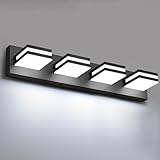
IZORRO LED Modern Bathroom Lights Fixtures(4-Light,Dimmable,360°Rotate),Matte Black Acrylic Wall Lighting,Vanity
View on Amazon- LFR Score8.5
LFR Score is a ranking system developed by lightfansreviews.com. LFR Score has no relationship or impact from any manufacturers or sales agent websites. Learn more
- BrandIZORRO

- LFR Score8.2
LFR Score is a ranking system developed by lightfansreviews.com. LFR Score has no relationship or impact from any manufacturers or sales agent websites. Learn more
- Brandmirrea

- LFR Score7.4
LFR Score is a ranking system developed by lightfansreviews.com. LFR Score has no relationship or impact from any manufacturers or sales agent websites. Learn more
- BrandAmansour

- LFR Score7.4
LFR Score is a ranking system developed by lightfansreviews.com. LFR Score has no relationship or impact from any manufacturers or sales agent websites. Learn more
- BrandIZORRO
Last update on 2026-10-31 / Affiliate links / Images, Product Titles, and Product Highlights from Amazon Product Advertising API
FAQs
What should you do if your junction box is off-center?
An off-center junction box makes a centered mirror look crooked on the wall. You can fix this by choosing a vanity light with a wide backplate and an offset mounting channel, which lets you slide the fixture sideways across the box. Another option is choosing a linear bar with an adjustable bracket that secures to wall anchors away from the box center. If the box sits more than a few inches off, hire a licensed electrician to move the box to the true mirror centerline.
Can a vanity light be wider than your mirror?
You should generally avoid fixtures that extend past the sides of your mirror. When a light bar overhangs the mirror edges, the wall looks top-heavy, and the mirror appears undersized and awkward. The only scenario where this works is if you have an extra-wide vanity countertop underneath that visually anchors the wide fixture. For a standard 24-inch mirror setup, keeping the fixture narrower than the glass always looks cleaner.
Should your bathroom vanity light point up or down?
Pointing shades downward provides direct task light onto your face and the sink basin below, making it the practical choice for styling hair and applying makeup. Pointing shades upward bounces light off the ceiling, creating softer ambient lighting with fewer harsh shadows across the room. If your junction box is installed quite low on the wall, pointing the shades upward can also keep the bulbs from crowding the top of the mirror frame.
Do you need a damp-rated fixture in a half bath?
In a powder room or half bath that only has a sink and toilet, there is no shower to generate heavy steam. You can safely install a dry-rated fixture in these rooms without violating standard safety practices. However, choosing a damp-rated fixture is still a smart idea because the protective coatings resist moisture from handwashing splashes and wet cleaning rags. Any full bathroom with a tub or shower strictly requires a damp-rated fixture to prevent corrosion and electrical hazards.


Best Lighting For Makeup 2026 Bright Ideas For Flawless Looks

Best Wall Sconces For Staircase 2026 Brighten Your Home
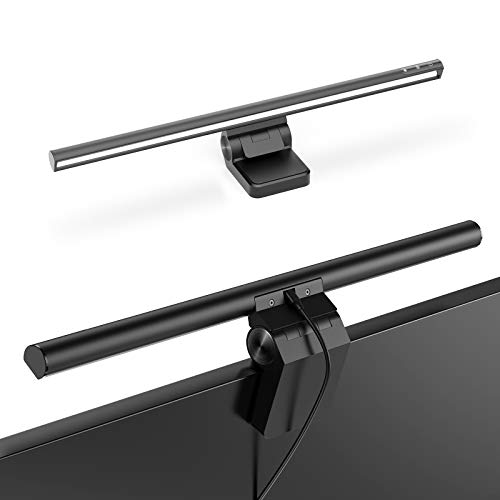
Best Lighting For Computer Desk 2026 For Focused Work

Best Boat Black Lights 2026 For Nighttime Adventure

Best Black 30 Inch Light Bar Reviews – Top Picks of 2026

Best Black Light For Aquarium 2026 For Vibrant Glow

Best Black Light for Authenticating Glass 2026 Top Picks
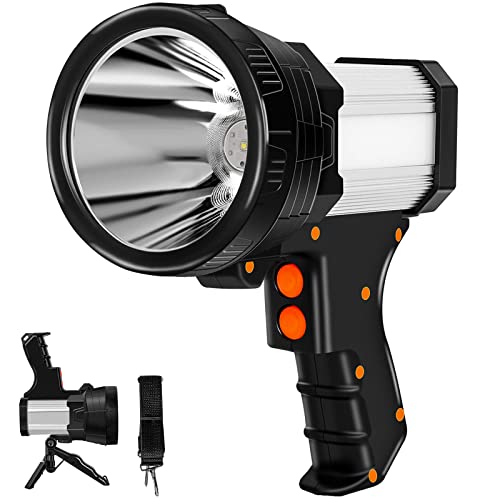
Best Waterproof Spotlight 2026 That Outshines Expectations