What Type of Light Bulb Do You Need for a Bathroom?

Check the packaging for a damp-location rating before buying any bathroom bulb. Trapped steam and daily moisture will quickly corrode standard bulbs, so everyday fixtures need protected LEDs that handle humidity safely. For vanity mirrors and ceiling fixtures alike, the right pick is a warm white LED bulb with a standard screw base.
The ideal shape and brightness depend on where the fixture sits. Mirror vanity bars call for round globe bulbs that spread smooth light across the face without harsh shadows, while overhead ceiling lights take standard pear-shaped bulbs to brighten the whole room. Color warmth also changes the look, since soft white tones flatter skin while harsh daylight bulbs feel cold and clinical. Here is how to pick the right bulb for every spot.
The Short Version
- Moisture rating: Choose damp-rated LED bulbs for standard vanity bars and overhead ceiling fixtures to resist humidity, and use wet-rated bulbs for fixtures located directly inside a shower stall.
- Bulb shape and base: Most bathroom fixtures use a standard screw-in bulb base (E26 medium base). Select round G25 globe bulbs for open mirror strips and classic A19 pear-shaped bulbs for enclosed ceiling fixtures.
- Color warmth: Pick a color tone or warmth (Kelvin) between 2700K (warm soft white) and 3000K for natural, flattering skin tones in the mirror, or 4000K to 5000K (crisp daylight) if you prefer sharp, cool contrast for detailed grooming.
- Brightness and clarity: Look for a color accuracy (CRI) rating of 90 or higher so skin tones and makeup shades appear true, aiming for 500 to 800 brightness in lumens per bulb depending on your total socket count.
Why Damp-Rated LED Bulbs Are Mandatory in Bathrooms
Every hot shower fills your bathroom with invisible water vapor. As that steam rises, it settles on cool surfaces, including your mirror, the walls, and the light fixtures above your sink. Standard light bulbs designed for living spaces are not built to survive that cycle of soaking humidity and drying heat.
Lighting packages carry clear location ratings designed to keep your home safe. A dry-rated bulb is built for dry living rooms and bedrooms where water never touches the fixture. A damp-rated bulb is built for steamy bathrooms and covered patios where moisture hangs in the air but does not spray directly onto the glass. A wet-rated bulb is engineered for direct rain and outdoor exposure, which is what you need if a light sits inside the perimeter of a shower stall or bathtub enclosure.
When you put a dry-rated bulb into a bathroom, moisture slips past the base and into the internal circuitry. Over a few weeks or months, that trapped humidity corrodes the tiny electronic components inside the bulb stem. The bulb starts flickering, buzzes softly, or burns out months before it should. In worse cases, moisture inside an unsealed base can trip your electrical breaker or cause a short circuit.
Safety always comes first when dealing with electricity around running water. If you notice an old bulb has cracked, corroded in the socket, or developed water droplets inside its glass cover, do not simply flick the wall switch off. Always shut off the circuit breaker at the main electrical panel before reaching up to inspect or replace any fixture near your sink or shower. If you see signs of scorched sockets or rusted wires inside a hardwired fixture (a light wired directly into a ceiling or wall electrical box), stop and call a licensed electrician.
Vanity Mirrors vs Ceiling Fixtures: Choosing Between G25 Globes and A19 Bulbs
Walk down any lighting aisle and you will see dozens of bulb shapes, but bathroom fixtures almost always rely on two specific styles: the round G25 globe and the standard A19 bulb. Both styles usually share a standard screw-in bulb base (E26 medium base), which is the familiar metal screw base found in common household lamps. The shape of the glass, however, changes how the light spreads across the room.
Round G25 globe bulbs are the classic choice for vanity bars mounted directly above or alongside your bathroom mirror. Because the bulb is completely spherical, light projects outward in a wide, soft circle rather than pointing forward in a narrow beam. When multiple G25 globes sit along a vanity bar, their light overlaps smoothly across your face. This side-by-side spread eliminates the harsh, unflattering shadows under your eyes, nose, and chin that make shaving or applying makeup frustrating.
Standard A19 bulbs feature the familiar pear shape found throughout the rest of your home. These bulbs direct a large portion of their illumination out through the rounded top. That directional beam makes A19 bulbs ideal for overhead ambient lighting, such as a flush mount (a fixture mounted flat against the ceiling) or a semi-flush fixture (a fixture hanging down a few inches on a short stem). In these ceiling mounts, the fixture shade captures the forward-facing light and scatters it downward across the whole floor plan.
Putting an A19 bulb into an open vanity bar looks awkward because the narrow neck of the bulb leaves the electrical socket exposed to view, creating harsh hotspots of light right at eye level. Conversely, squeezing a large G25 globe inside a tight ceiling bowl can cause the glass to press against the shade, trapping heat and shortening the life of the LED driver. Before buying replacement bulbs, look closely at your fixture. If it is an open bar where the bulb glass is fully visible, buy round G25 globes with frosted glass. If the bulb sits hidden inside a glass dome or recessed ceiling can, standard A19 bulbs are the correct fit. Also check that your fixture takes replacement screw-in bulbs rather than using a built-in LED (a fixture where the light-emitting diodes are permanently wired into the frame with no removable bulb).
Light Color and Warmth: Warm White vs Daylight for Skin Tones
The color tone or warmth of a light bulb is measured in Kelvin, often shortened to a number followed by the letter K on the box. This number does not tell you how bright the bulb will shine; it tells you whether the light looks golden, neutral, or cool white. In a bathroom, picking the wrong Kelvin rating can make your skin look pale, sickly, or unexpectedly yellow.
A rating between 2700K and 3000K is known as warm soft white. This range closely mimics the cozy glow of traditional incandescent bulbs. Warm white light softens facial contours, feels gentle on sleepy eyes first thing in the morning, and creates a relaxing atmosphere for evening baths. Most people find that 2700K to 3000K provides the most flattering reflection in a vanity mirror because it highlights natural skin undertones without exaggerating minor blemishes.
A rating between 4000K and 5000K is labeled as neutral white or crisp daylight. Daylight bulbs produce a cool, bluish-white illumination that feels energetic and clean. Many people prefer 5000K bulbs over a makeup vanity because the cool tone matches bright noon sunlight, making it easier to blend foundation shades accurately and spot stray eyebrow hairs. However, in a small bathroom with glossy white subway tiles, 5000K bulbs can feel sterile and intense, similar to the lighting in a commercial clinic.
Alongside color warmth, look for the color accuracy (CRI) rating on the bulb packaging. Color accuracy measures how true skin, paint, or fabric appears under artificial light on a scale from 0 to 100. Cheap LED bulbs with a low rating under 80 often wash out red and peach tones, making your face look dull or gray in the mirror. For vanity mirrors, always select bulbs with a color accuracy of 90 or higher so your makeup, clothing, and natural skin tones appear authentic.
Use this simple checklist to choose the right color warmth for your bathroom:
- Choose 2700K (warm white): If your bathroom has warm wood accents, earth-toned tiles, or you primarily use the room to unwind with evening baths.
- Choose 3000K (soft white): If you want a balanced, modern look that flatters skin tones while still feeling bright and fresh.
- Choose 4000K to 5000K (crisp daylight): If your bathroom has cool gray or stark white tiles, or your primary focus is detailed cosmetic application and clean morning contrast.
- Always check for 90+ CRI: Regardless of whether you choose warm or cool light, high color accuracy ensures you see authentic shades in the mirror.
Brightness Levels: Calculating the Right Lumens for Your Bathroom Size
For decades, shoppers judged brightness by wattage, grabbing a 60-watt or 100-watt bulb off the shelf. With modern LEDs, watts only tell you how much electricity the bulb pulls from your wall. To find out how much light you will actually get, you must look at brightness in lumens.
A standard 60-watt equivalent LED bulb consumes only about 5 to 9 watts of power while generating roughly 500 to 800 lumens of brightness. A 40-watt equivalent LED produces around 450 lumens, and a 100-watt equivalent LED generates about 1,600 lumens. Because bathrooms require bright light for grooming alongside gentle light for midnight visits, calculating your total lumen needs prevents you from creating either a dim cave or a blinding operating room.
A small half-bath or powder room typically needs between 800 and 1,500 total lumens across all fixtures. A standard full bathroom with a sink, toilet, and shower enclosure usually requires between 2,500 and 4,000 total lumens to feel well illuminated from corner to corner. Large master bathrooms with double vanities and separate soaking tubs often require 5,000 to 8,000 lumens spread across multiple zones.
To reach these numbers without causing harsh glare, divide the total lumens across all the sockets in the room. For example, if you have a four-light vanity bar over your mirror, filling it with four 500-lumen G25 globe bulbs provides 2,000 lumens right at the sink. Pairing that vanity strip with an overhead ceiling fixture holding an 800-lumen A19 bulb brings the room total to 2,800 lumens, which is an ideal balance for everyday grooming and overall room visibility. If your household follows scheduled wake-up hours, you can also coordinate your overall home layout using home automation lights for dependable routines so the lights brighten gradually as your morning starts.
Common Bathroom Lighting Mistakes and How to Fix Them
One of the most frequent bathroom lighting issues happens when modern LED bulbs meet an older wall switch. If you install new dimmable LED bulbs and immediately hear a faint buzzing or notice rapid flickering at lower light settings, your wall switch is likely an older model designed for incandescent filaments. Older dimmers alter electrical voltage in ways that confuse solid-state LED drivers. Replacing the wall control with an LED-compatible dimmer switch resolves the hum and gives you smooth dimming from nightlight levels up to full brightness.
Another common mistake is mixing different color temperatures in the same bathroom. Installing 2700K warm soft white bulbs in your ceiling fixture while running 5000K crisp daylight bulbs across your vanity creates visual conflict. The warm ceiling light will make the vanity area look blue and cold, while the daylight bulbs will make the ceiling look dingy and yellow. Pick one color temperature and keep it consistent across every socket in the space.
Ceiling-only downlighting is another design trap that causes daily frustration. When your only bathroom light source is a recessed ceiling can or flush mount placed directly above the sink, the light shines straight down on the top of your head. This top-down angle casts deep shadows under your eyes, nose, and chin, making shaving, tweezing, or putting on makeup nearly impossible. To fix this, always provide front-facing illumination at the mirror with a wall-mounted vanity bar or eye-level sconces.
Finally, avoid using clear glass bulbs in open vanity fixtures right at eye level. Clear glass exposes the bright LED filament directly to your vision, causing sharp afterimages and eye fatigue every time you glance toward the mirror. Always choose bulbs with a frosted, milky coating. Frosted glass diffuses the light across the entire surface of the globe, giving you plenty of brightness without painful glare. For nighttime trips when turning on bright vanity fixtures hurts sleepy eyes, placing motion sensor lights for indoor hallways and stairs near the bathroom threshold offers a low-glare pathway without disturbing your night vision.
What to Look for When Choosing Bathroom Light Bulbs
When you are ready to shop for replacement bathroom bulbs, keep your search focused on a few core specifications printed on the packaging. First, verify that the bulb explicitly states it is damp-rated for steamy bathrooms and covered patios. This single mark guarantees the internal electronics are sealed against steam and humidity, protecting you from premature burnouts and electrical faults.
Next, confirm the base size and glass shape match your fixture. Look for a standard screw-in bulb base (E26 medium base) for standard household sockets. Choose frosted G25 globes for open vanity strips where the bulbs remain visible, and pick A19 bulbs for covered ceiling bowls. If your fixture is connected to a wall slider, ensure the box clearly states the bulb is dimmable.
Finally, check the lighting facts label on the back of the box for color warmth and clarity. Aim for a Kelvin rating of 2700K to 3000K if you want a warm, flattering mirror reflection, or 4000K to 5000K if you prefer a sharp, daylight aesthetic. Look for a color accuracy rating of 90+ CRI to keep skin tones looking natural, and match the lumens to your socket count so your bathroom stays bright, comfortable, and clear every day.

- LFR Score9.4
LFR Score is a ranking system developed by lightfansreviews.com. LFR Score has no relationship or impact from any manufacturers or sales agent websites. Learn more
- BrandMAXvolador
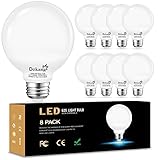
- LFR Score8.8
LFR Score is a ranking system developed by lightfansreviews.com. LFR Score has no relationship or impact from any manufacturers or sales agent websites. Learn more
- BrandDekang

- LFR Score8.8
LFR Score is a ranking system developed by lightfansreviews.com. LFR Score has no relationship or impact from any manufacturers or sales agent websites. Learn more
- Brandevelor
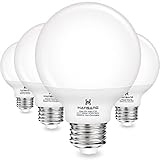
- LFR Score7.7
LFR Score is a ranking system developed by lightfansreviews.com. LFR Score has no relationship or impact from any manufacturers or sales agent websites. Learn more
- Brandhansang
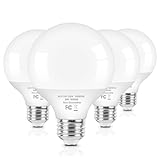
- LFR Score7.6
LFR Score is a ranking system developed by lightfansreviews.com. LFR Score has no relationship or impact from any manufacturers or sales agent websites. Learn more
- BrandBrightever
Last update on 2026-10-18 / Affiliate links / Images, Product Titles, and Product Highlights from Amazon Product Advertising API
FAQs
Can you use regular indoor LED bulbs in a bathroom?
You can use standard bulbs only if your bathroom has exceptional ventilation and the fixture remains completely free of steam. However, in any bathroom with an active shower or tub, you should always choose damp-rated bulbs. Standard dry-rated bulbs lack moisture seals, meaning humidity will corrode the internal electronics, cause early flickering, and void the product warranty.
Should bathroom vanity light bulbs be warm white or daylight?
Warm soft white bulbs between 2700K and 3000K are generally the most flattering for everyday vanity mirrors because they highlight natural skin tones without harsh contrast. Daylight bulbs at 4000K to 5000K provide a crisp, cool white light that works well for detailed makeup application, but they can feel sterile in small bathrooms. Choose the tone that matches your grooming habits, but keep color accuracy at 90+ CRI for true reflections.
What type of light bulb is required inside a shower stall?
Light fixtures mounted directly inside a shower stall or over a bathtub require wet-rated bulbs housed inside an enclosed, gasketed fixture. Because these fixtures face direct water splashes, condensation, and heavy steam, damp-rated or dry-rated bulbs are unsafe. Always verify that both the recessed trim and the bulb carry an official wet-location rating.
Why do my new bathroom LED bulbs buzz or flicker?
Buzzing and flickering almost always indicate an incompatible wall dimmer switch. Older dimmer switches made for incandescent bulbs struggle to regulate the low electrical wattage drawn by modern LEDs. Upgrading your wall control to an LED-compatible dimmer switch stabilizes the current, eliminates audible humming, and allows smooth light adjustments.


Best Lighting For Makeup 2026 Bright Ideas For Flawless Looks

Best Wall Sconces For Staircase 2026 Brighten Your Home

Best Lighting For Computer Desk 2026 For Focused Work

Best Boat Black Lights 2026 For Nighttime Adventure

Best Black 30 Inch Light Bar Reviews – Top Picks of 2026

Best Black Light For Aquarium 2026 For Vibrant Glow

Best Black Light for Authenticating Glass 2026 Top Picks

Best Waterproof Spotlight 2026 That Outshines Expectations