Illuminate Your Space: Choosing the Right Watt Light Bulb for Ceiling Fan
Dive into the world of home lighting with us as we shed light on the topic of choosing the right watt light bulb for a ceiling fan. The choice may seem simple, but the impact is enormous. With the correct wattage, you're not just ensuring your room is well lit; you're also optimizing energy usage, increasing bulb longevity, and most importantly, creating an inviting ambiance. By selecting the perfect wattage, you can transform your space completely. So whether you're an interior design enthusiast or just someone looking to enhance your living space, this guide is tailored just for you. With our comprehensive rundown, learn how to choose the watt light bulb for your ceiling fan that suits your needs perfectly.
The Intricacies of Choosing Light Bulbs for Ceiling Fans
When it comes to optimizing the lighting conditions of your home, one might not initially consider the significant role a ceiling fan light bulb plays. This component, often overlooked, can dramatically impact the ambiance and functionality of a room. The type of bulb you choose depends on several key factors, such as the desired brightness, energy efficiency, and lifespan of the bulb. What watt light bulb for ceiling fan isn't just a simple question; it encompasses a broader discussion on light quality, energy use, and the perfect match for your fan.
Demystifying the Concept of Wattage
A core principle in light bulb selection revolves around understanding wattage. Wattage is the measure of electrical power the bulb uses. It's a common misconception that a bulb's wattage equates to its brightness, but it merely represents the energy it consumes. Typically, ceiling fans come with a stipulated maximum wattage that shouldn't be exceeded. Therefore, ensuring you choose a light bulb within this range is critical not only for the fan's functionality but also for your safety.
LEDs: The New Era of Energy Efficiency
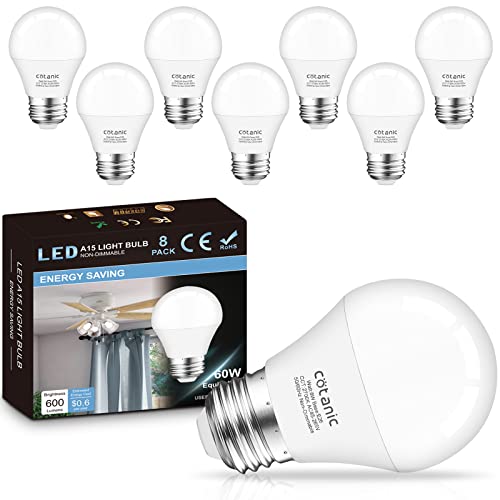
When considering what watt light bulb for ceiling fan, LEDs (Light Emitting Diodes) have recently risen in popularity. These bulbs are hailed for their low energy consumption and longevity, making them a cost-effective and environmentally friendly option. An LED bulb can produce the same amount of light as a traditional incandescent bulb using a fraction of the energy. For example, a 60-watt incandescent bulb can be replaced by a 10-watt LED, delivering the same brightness with reduced energy expenditure.
Considering Color Temperature and Brightness
Apart from wattage and energy efficiency, color temperature and brightness are key factors to consider when selecting a light bulb for your ceiling fan. The color temperature, measured in Kelvin (K), determines the warmth or coolness of the light emitted. A lower Kelvin rating produces a warmer, yellowish light, ideal for living rooms and bedrooms, whereas a higher rating emits a cool, white light, suitable for kitchens and bathrooms. Brightness, on the other hand, is measured in lumens. The higher the lumens, the brighter the light. It is essential to balance these two aspects according to the specific needs of each room.
Longevity and Environmental Impact
The lifespan of the bulb is another vital factor to weigh in. For instance, while incandescent bulbs might be cheaper upfront, they typically last only about 1,000 to 2,000 hours. In contrast, an LED bulb can last up to 25,000 hours or more. This increased lifespan means fewer bulb changes and, consequently, less environmental waste. Furthermore, as LEDs use less power, they help reduce carbon footprint, making them a greener choice.
Factors to Consider with Ceiling Fan Compatibility
Lastly, when deciding what watt light bulb for ceiling fan, it's crucial to consider the compatibility of the bulb with your ceiling fan. Some fans may not be compatible with LED bulbs due to the electronic circuits involved. Others may not support higher wattage bulbs. Therefore, always refer to the manufacturer's guidelines or consult a professional to ensure a compatible and safe setup.
Choosing the right bulb for your ceiling fan is an intricate task that combines understanding wattage, energy efficiency, brightness, color temperature, and compatibility. However, investing time in learning these principles ensures a well-lit, safe, and environmentally friendly home. After all, every bulb contributes to the overall brightness and ambiance of your space.
Explore further:


Best Small Flush Mount Ceiling Fans 2026 Ultimate Picks

Best Smart Ceiling Fan India 2026 For Effortless Comfort

Best Smart Ceiling Fans with Lights for 2026: Top Picks

Best Smart Home Non Ceiling Fans 2026 For Ultimate Comfort

Best Outdoor Misting Ceiling Fan 2026 For Ultimate Comfort
Best Ceiling Fans With Lights For Vaulted Ceilings 2026 Top Picks

Best Outdoor Ceiling Fans For Porch 2026 With Style And Breeze

Best WiFi Enabled Ceiling Fan 2026 For Effortless Comfort