Which Type of Motor Used in Table Fan Explained

Which type of motor used in table fan keeps popping up whenever a fan starts rattling, losing speed, or chewing through electricity faster than expected. Plenty of people buy a table fan based on looks alone, then end up annoyed by humming noises, weak airflow, or blades that wobble like crazy after a few months. The motor sitting inside the fan body quietly controls nearly everything, from airflow consistency to long-term durability. That tiny mechanical piece often decides whether a fan feels dependable or turns into another frustrating appliance collecting dust in the corner.
Most table fans rely on single-phase induction motors, especially capacitor-run or shaded-pole designs. These motors balance power usage, operating cost, and airflow without demanding complicated maintenance. Capacitor motors usually provide stronger starting torque and smoother rotation, which explains why many modern table fans feel steadier and less shaky during long use. Shaded-pole motors, on the other hand, appear in lower-cost fans because they're simpler and cheaper to manufacture, though they often produce less airflow and more noticeable heat.
Noise becomes a major headache in bedrooms, offices, and study spaces. Nobody wants a fan that sounds like an old motorcycle revving all night long. A well-built induction motor typically runs quieter and stays more stable at different speed settings. Cheap motors may spin fast initially, but over time they tend to develop bearing wear, uneven blade rotation, and irritating buzzing sounds that can drive anyone up the wall.
Energy use also matters more than people realize. Fans usually stay on for hours, sometimes all day during hotter months, so inefficient motors quietly push electricity bills upward. Better motor construction helps maintain stable airflow without forcing the fan to overwork itself. That's why fans using properly balanced copper-wound motors often last longer and avoid overheating issues that commonly plague bargain models.
Maintenance frustrations often trace back to the motor as well. Dust buildup, dry bearings, or overheating can reduce fan speed and create jerky movement. Some motors handle these problems better because they use sturdier internal components and improved heat resistance. A fan may look identical from the outside, yet the motor inside completely changes the day-to-day experience.
Plenty of shoppers focus heavily on blade size or fan design while overlooking motor quality altogether. That's a bit like judging a car purely by paint color while ignoring the engine under the hood. Understanding which type of motor used in table fan helps narrow down reliable options without getting trapped by flashy marketing claims or overly polished product packaging. Small technical details often make the biggest difference once the fan starts running hour after hour.

- LFR Score10.0
LFR Score is a ranking system developed by lightfansreviews.com. LFR Score has no relationship or impact from any manufacturers or sales agent websites. Learn more
- BrandFRONTSUN

- LFR Score9.6
LFR Score is a ranking system developed by lightfansreviews.com. LFR Score has no relationship or impact from any manufacturers or sales agent websites. Learn more
- BrandWHATOOK

- LFR Score9.2
LFR Score is a ranking system developed by lightfansreviews.com. LFR Score has no relationship or impact from any manufacturers or sales agent websites. Learn more
- BrandHoneywell
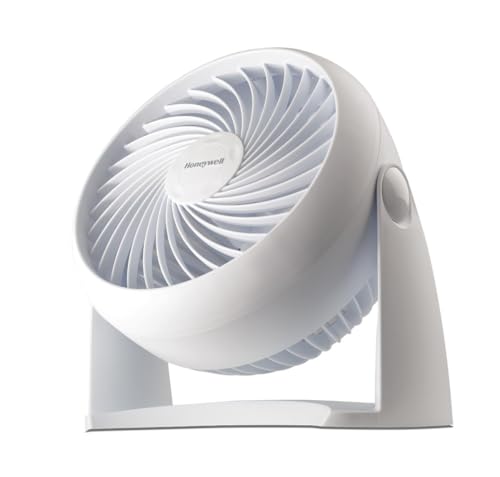
- LFR Score9.2
LFR Score is a ranking system developed by lightfansreviews.com. LFR Score has no relationship or impact from any manufacturers or sales agent websites. Learn more
- BrandHoneywell
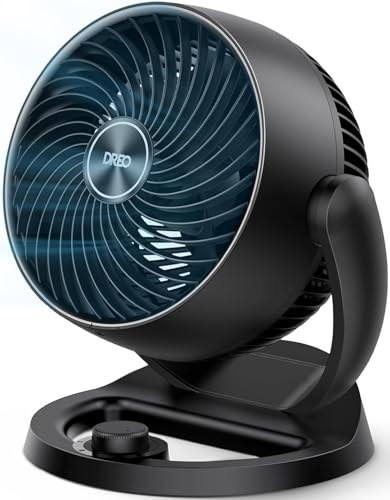
- LFR Score9.2
LFR Score is a ranking system developed by lightfansreviews.com. LFR Score has no relationship or impact from any manufacturers or sales agent websites. Learn more
- BrandDREO

- LFR Score9.0
LFR Score is a ranking system developed by lightfansreviews.com. LFR Score has no relationship or impact from any manufacturers or sales agent websites. Learn more
- BrandDREO

- LFR Score8.8
LFR Score is a ranking system developed by lightfansreviews.com. LFR Score has no relationship or impact from any manufacturers or sales agent websites. Learn more
- BrandBEYOND BREEZE

- LFR Score8.6
LFR Score is a ranking system developed by lightfansreviews.com. LFR Score has no relationship or impact from any manufacturers or sales agent websites. Learn more
- BrandAmazon Basics

- LFR Score8.6
LFR Score is a ranking system developed by lightfansreviews.com. LFR Score has no relationship or impact from any manufacturers or sales agent websites. Learn more
- BrandHOLMES

- LFR Score8.2
LFR Score is a ranking system developed by lightfansreviews.com. LFR Score has no relationship or impact from any manufacturers or sales agent websites. Learn more
- BrandKONSIDEN
Last update on 2026-06-02 / Affiliate links / Images, Product Titles, and Product Highlights from Amazon Product Advertising API
Which Type Of Motor Used In Table Fan
A table fan can look sharp on a desk, sit nicely beside a bed, and still disappoint the second the blades start spinning. Buzzing, weak airflow, hot motor covers, and speed settings that barely change anything usually point back to one thing: which type of motor used in table fan. The motor decides how smoothly the blades rotate, how much noise creeps into the room, and how long the fan can run without acting tired. That little housing behind the blades is basically the engine room, and yep, it matters more than the grille design or the number printed on the speed dial.
Table Fan Motor Basics
Most regular table fans use a single-phase induction motor, because household power supply is usually single-phase and the fan does not need a large industrial motor to move air. This motor type fits the job because it is simple, compact, and steady for everyday cooling. It can run for long periods without needing constant attention, as long as the bearings, capacitor, and winding stay in decent shape. That is why it shows up in so many home fans, office fans, and small portable cooling appliances.
The phrase which type of motor used in table fan usually points to a few common designs, not just one answer. Many table fans use a capacitor-run induction motor, while some cheaper or smaller models may use a shaded-pole motor. A capacitor-run design usually gives better starting torque, smoother rotation, and more reliable speed control. A shaded-pole motor is simpler and cheaper, but it can run warmer and may feel less powerful during daily use.
The motor has to solve a tricky problem: it must start the blades from rest, keep them spinning at controlled speeds, and avoid overheating while sitting inside a tight casing. A good table fan motor handles that quietly, without making the fan shake across the table like it has somewhere else to be. Starting torque matters because blades need that first push before airflow begins. Weak torque can make the fan hum, hesitate, or require a manual nudge, which is never a good sign.
Motor quality also affects how the fan feels after months of use. A fan with decent winding, proper lubrication, and balanced blade load keeps its airflow stable instead of fading after a season. Cheap internal parts may save money at the counter, but they often bring noise, heat, and repair headaches later. That is the kind of tradeoff people notice only after the return window has already closed.
Single Phase Induction Motor
The single-phase induction motor is the most common answer for which type of motor used in table fan. It works well with standard home electricity and does not need a complex starting system like larger three-phase motors. Inside, the stator creates a magnetic field that helps the rotor turn, and the fan blades convert that rotation into airflow. Simple idea, useful result, fewer moving parts to babysit.
A table fan does not need massive power, but it does need consistent rotation. Single-phase induction motors suit this because they can run smoothly once started. The motor may use a capacitor or shaded-pole arrangement to create the needed starting effect. Without that help, a single-phase motor would struggle to begin spinning on its own.
Capacitor-based induction motors usually feel better in real use. They offer stronger starting torque, which helps the fan begin smoothly even when the blades are dusty or slightly heavier. They also tend to maintain more stable speeds, especially in medium and high settings. That matters in bedrooms, small shops, and work desks where airflow needs to stay predictable instead of pulsing unevenly.
The downside is that capacitor motors depend on a healthy capacitor. A weak capacitor can cause slow starting, humming, low speed, or total failure to spin. The good news is that this problem is often repairable without replacing the entire fan. For anyone dealing with car maintenance on the side too, To handle lighting repairs with fewer wrong turns, use this practical replace a fog light guide before touching the wiring.
Capacitor Run Motor Benefits
A capacitor-run motor is often the better motor design for table fans that need smoother airflow and reliable daily operation. The capacitor helps create a phase shift, which gives the motor the push it needs to start and keep running efficiently. In plain English, the fan gets moving without that sad buzzing sound that makes people slap the back cover and hope for magic. This setup helps improve starting performance and reduces strain on the winding.
Noise control is a big deal in small rooms. A capacitor-run table fan usually feels calmer because the rotor can spin more evenly. Less vibration means fewer rattles from the grille, base, and blade hub. That is not just comfort talk; smooth rotation can reduce wear on nearby parts over time.
This motor type also supports better speed variation. Low speed feels more usable, medium speed feels steady, and high speed does not always sound like the fan is fighting itself. Cheap fans sometimes claim multiple speeds, but the difference between settings can feel laughably small. A stronger motor setup makes those settings more meaningful, especially during long hot evenings.
There is a maintenance angle too. Capacitors can wear out, especially in hot rooms or fans that run for many hours every day. A failing capacitor may make the fan spin slowly, start late, or produce a dull hum. Still, replacing a capacitor is often more practical than tossing the whole fan, which makes capacitor-run motors a sensible choice for people who prefer repair over waste.
Shaded Pole Motor Limits
A shaded-pole motor is another possible answer to which type of motor used in table fan, especially in smaller or budget models. It is simple, low-cost, and does not need a separate capacitor to start. That sounds handy, and in some very small fans it does the job just fine. But for stronger table fans, the limits can show up fast.
The biggest weakness is low starting torque. A shaded-pole motor may struggle more when the blades are dirty, the shaft is dry, or the fan has been sitting unused for a while. That can lead to slow starts, humming, or weak airflow that never quite feels refreshing. The motor may keep spinning, sure, but it may not deliver the punch people expect from a table fan.
Heat is another concern. Shaded-pole motors are usually less efficient than capacitor-run motors, so more energy can turn into heat instead of useful blade movement. A warm motor cover after long use is not always a disaster, but excessive heat shortens component life. Motor temperature matters because insulation, lubrication, and winding health all suffer when heat keeps building up.
This motor type fits light-duty use better than demanding daily cooling. A small desk fan used briefly may be fine with a shaded-pole motor. A fan running beside a bed for long nights or inside a stuffy workshop deserves a stronger design. For air movement in larger rooms, Upgrade airflow planning with a ceiling setup by comparing the best 4 blade ceiling fan options before relying only on a tabletop unit.
Why Motor Winding Matters
The winding inside the motor plays a huge role in durability, heat control, and energy use. Many people hear about copper motors and assume it is just sales talk, but winding material really does affect performance. Copper has better electrical conductivity than aluminum, so it can help reduce resistance and heat in a properly designed motor. That does not mean every copper-wound fan is automatically better, but it is a meaningful detail.
A copper-wound motor often handles long running hours with more confidence. It can stay steadier during hot weather and resist some of the stress that builds up inside the motor body. Aluminum winding costs less, which helps keep cheaper fans affordable. The tradeoff is that aluminum may run hotter or wear faster if the fan is used heavily.
Motor winding also affects how the fan ages. Weak winding insulation can break down from heat, dust, and vibration. Once that happens, the fan may smell hot, lose speed, trip protection devices, or stop completely. A well-made winding gives the fan a better shot at surviving real-life use, especially in rooms where it runs every day.
Still, winding material is only one piece of the puzzle. Bearing quality, shaft alignment, blade balance, capacitor rating, and ventilation all matter too. A fan with copper winding but poor assembly can still rattle and fail early. The best table fan motor setup combines good winding, proper cooling, and balanced mechanical design, not just one impressive label on the box.
Speed Control And Airflow Feel
Speed settings reveal a lot about which type of motor used in table fan. A well-matched motor gives clear differences between low, medium, and high speed. Low should feel gentle enough for sleeping or desk work, while high should push enough air across a room without sounding harsh. If every setting feels nearly the same, the motor and speed control system may be poorly matched.
Traditional table fans often use resistance-based or winding-based speed control. Some newer fans may use electronic control circuits, especially models with remote operation or digital panels. The motor still has to respond smoothly, or the fancy buttons become window dressing. Speed stability matters because uneven airflow can feel annoying even if the fan technically works.
Fan blades also affect the motor load. Larger or poorly balanced blades make the motor work harder, which can lead to more heat and vibration. A strong motor can handle blade resistance better, but it still needs the right blade design. That balance between motor torque and blade shape decides whether airflow feels smooth or choppy.
Remote-controlled appliances can make daily comfort easier, especially in bedrooms and media rooms. Separately, if home control convenience matters beyond cooling, Explore smoother device control with the universal remote control for nvidia shield guide before adding another remote to the coffee table. Small convenience upgrades can reduce clutter, but the fan itself still needs a stable motor to deliver real comfort.
Best Motor Type For Quiet Table Fan Performance
Sleeping beside a noisy fan can feel like torture after a long day. The rattling starts small, then suddenly every hum and vibration sounds twice as loud in the middle of the night. That frustration usually traces back to motor quality, blade balance, and internal wear instead of the fan size alone. A smoother motor setup keeps airflow steady without turning the room into a constant mechanical soundtrack.
Why Quiet Motors Matter Indoors
Noise affects comfort more than many people expect. A fan may move decent air, but a loud motor can ruin concentration during work calls, reading sessions, or sleep. That is why capacitor-run induction motors often feel more comfortable in daily use compared to weaker motor setups. Their smoother startup and more stable rotation help reduce vibration before it spreads through the fan body.
Bedrooms usually expose fan problems quickly because the room stays quieter at night. Tiny sounds become impossible to ignore once everything else settles down. A buzzing motor, loose shaft, or dry bearing may seem minor during the daytime, yet feel unbearable at 2 a.m. Fans with balanced internal components usually avoid that irritating high-pitched mechanical noise.
Plastic fan housings also affect sound levels. Thin plastic tends to vibrate more, especially if the motor produces uneven movement. Better table fans often include rubber dampening pieces or tighter internal mounting points to reduce shaking. That small design detail helps protect the motor housing from turning into an echo chamber.
Airflow tone matters too. Some fans sound softer because the blades slice air more evenly instead of chopping it aggressively. The motor and blade design need to work together. A powerful motor paired with poorly shaped blades can still create harsh airflow noise that fills the room fast.
Heat Buildup And Long Daily Use
Heat quietly destroys fan motors over time. A table fan running for eight or ten hours daily needs proper ventilation and efficient winding to survive repeated use. Motors that struggle with heat often develop weaker speed performance after months of operation. That slow decline usually appears before complete failure.
Cheap motors tend to run hotter because they waste more energy internally. Extra resistance inside the winding creates unnecessary heat instead of useful blade movement. This problem becomes more noticeable during hot weather when the room temperature already pushes the motor harder. A cooler-running induction motor generally lasts longer and feels more reliable.
Dust makes heat problems even worse. Fine particles collect around the rear ventilation openings and reduce airflow inside the motor housing. Once airflow drops, internal temperatures rise faster. Cleaning the rear motor cover regularly helps protect bearings, winding insulation, and capacitor health without requiring advanced repair skills.
Continuous use also exposes weak lubrication. Bearings dry out gradually, which increases friction and motor strain. That rough movement can create grinding sounds, slower startup, and unstable airflow. A properly lubricated fan usually feels smoother and quieter even after long operation periods.
Common Signs Of Motor Trouble
A struggling table fan rarely fails instantly. Most motors show warning signs first, though people often ignore them until airflow disappears completely. Slow startup, overheating, humming, and reduced speed usually point toward motor wear or capacitor trouble. Catching those symptoms early may save the fan from permanent damage.
A humming fan with stationary blades often signals a weak capacitor. The motor tries to start but cannot generate enough torque to move the blades properly. Some people manually spin the blades to force the fan into operation, but that only masks the real issue temporarily. Replacing the capacitor usually solves the problem more effectively.
Burning smells deserve immediate attention. Overheated winding insulation can produce a sharp electrical odor that should never be ignored. Continuing to run the fan in that condition risks damaging the motor completely. A healthy fan should never smell like hot plastic or scorched wiring during normal use.
Vibration is another clue many overlook. Shaking may come from loose blade mounting, worn bearings, or uneven shaft rotation. A stable fan should sit firmly without crawling across the table during higher speeds. Excessive movement often means the motor alignment or blade balance needs attention.
Motor Maintenance Without Complication
Many table fans get tossed out long before the motor actually dies. Basic maintenance can extend motor life surprisingly well if handled consistently. Dust removal, lubrication, and occasional capacitor checks reduce strain on internal parts. Those small habits help maintain steady airflow and quieter operation over time.
Cleaning should focus heavily on the rear motor vents. Dust buildup traps heat inside the housing and forces the motor to work harder than necessary. A soft brush or compressed air helps clear the openings without damaging delicate components. Even five minutes of cleaning can improve airflow and reduce operating temperature.
Lubricating the shaft bearings also matters. Dry bearings create friction that slows blade rotation and stresses the motor winding. Some fans include sealed bearings that require little attention, while older models may need periodic oiling. Proper lubrication supports smoother rotation and reduces unnecessary grinding noise.
Electrical parts deserve careful attention too. A swollen or leaking capacitor should never remain inside the fan. Replacing damaged capacitors early prevents extra strain on the motor during startup. Small repairs often cost far less than replacing the entire fan assembly.
Airflow Strength Versus Power Consumption
People often assume stronger airflow automatically means huge electricity use. That is not always true. A well-designed motor can move air efficiently without pulling excessive power from the outlet. Efficient airflow depends on motor torque, blade angle, and rotational balance working together properly.
Weak motors sometimes waste more energy because they struggle constantly to maintain speed. The fan may still rotate, but the airflow feels inconsistent or underpowered. Better motor setups maintain blade momentum more naturally, reducing unnecessary electrical strain. That balance matters during long summer months when fans run nearly nonstop.
Blade design influences motor load heavily. Larger blades push more air but also demand more torque from the motor. If the motor lacks strength, the fan may sound strained or lose speed during operation. Stronger induction motors usually handle larger blade resistance more comfortably.
Ceiling airflow systems can also reduce pressure on smaller fans indoors. To improve circulation in larger humid spaces, compare outdoor cooling setups through this outdoor ceiling fans for salt water atmosphere guide before relying entirely on portable fans. Balanced room airflow often helps smaller table fans perform more effectively.
How Build Quality Changes Motor Life
Motor design matters, but assembly quality changes the long-term experience just as much. Loose screws, thin plastic frames, and weak shaft support can shorten motor life even if the winding itself is decent. Fans built with tighter internal tolerances usually stay quieter and more stable during extended use. Small structural improvements help reduce motor stress and vibration transfer.
Blade alignment deserves more attention than most people realize. Slight imbalance creates repeated side pressure on the motor shaft, which gradually wears bearings and increases noise. That is why some fans begin rattling after only a few months. Stable blade mounting helps protect the motor from unnecessary strain.
Switch quality also plays a role. Weak speed switches can create inconsistent electrical flow that affects startup and speed control. Fans with cheap switches sometimes develop intermittent operation where certain speed settings stop responding properly. Reliable electrical contact supports consistent motor performance during daily use.
Lighting and airflow upgrades often overlap in shared spaces like bedrooms, kitchens, or workshops. To improve room visibility alongside cooling comfort, explore this best bar light fixture guide before rearranging the space completely. Good room layout can reduce the need for overpowering fan speeds in smaller areas.
Motor Types That Usually Last Longer
Fans using capacitor-run induction motors generally hold up better during frequent use compared to many shaded-pole designs. The smoother startup and stronger torque reduce stress during operation. That helps the motor maintain stable airflow over longer periods. Long-term reliability usually depends on both motor quality and maintenance habits working together.
Copper winding often supports better heat handling than aluminum alternatives. That does not guarantee perfection, but it usually helps during heavy seasonal use. Fans with stronger internal cooling and decent ventilation also resist overheating more effectively. Lower internal temperature protects winding insulation and bearing lubrication from early wear.
Sealed bearings can extend service life too. They reduce dust intrusion and maintain smoother movement over time. Some cheaper fans skip this feature to reduce manufacturing cost, though that tradeoff may show up later through grinding noise or unstable rotation. Better bearing support keeps the motor shaft aligned more consistently.
Repair-friendly fans deserve credit as well. Models with accessible capacitors, removable rear covers, and replaceable blades allow easier maintenance instead of forcing complete replacement. That practical design approach can stretch the fan lifespan significantly, especially in homes where fans operate almost daily.


Best Small Flush Mount Ceiling Fans 2026 Ultimate Picks

Best Smart Ceiling Fan India 2026 For Effortless Comfort

Best Smart Ceiling Fans with Lights for 2026: Top Picks

Best Smart Home Non Ceiling Fans 2026 For Ultimate Comfort

Best Outdoor Misting Ceiling Fan 2026 For Ultimate Comfort

Best Outdoor Ceiling Fans For Porch 2026 With Style And Breeze

Best Smart Bulb For Ceiling Fan 2026 That Brightens Life
Best Smart Ceiling Fan Control 2026 For Effortless Comfort