Which Way Should a Ceiling Fan Be Spinning Right Now?

Which way should a ceiling fan be spinning sounds like a tiny detail, yet it changes the feel of an entire room faster than most people expect. One wrong direction can leave a space stuffy, uneven, or oddly warm even while the fan runs nonstop. Plenty of people crank the speed higher thinking the fan lacks power, but honestly, the spin direction is usually the real culprit. That small switch sitting on the fan housing quietly controls airflow, comfort, and even how hard an HVAC system has to work.
Summer heat tends to expose the problem fast. A fan spinning the wrong way can push warm air downward and make a room feel heavy instead of breezy. Counterclockwise rotation usually creates that cool wind-chill sensation people expect while relaxing on the couch or trying to sleep through sticky nights. The airflow doesn't actually lower room temperature, but wow, it sure changes how the body experiences heat.
Cold weather flips the conversation completely. During winter, warm air naturally rises and collects near the ceiling while the lower part of the room stays chilly. Clockwise fan rotation at a low speed gently redistributes trapped heat without creating that annoying draft nobody wants while drinking coffee or watching TV. Small adjustments like this often help rooms feel more balanced instead of hot upstairs and freezing near the floor.
Ceiling height also plays a surprisingly big role in how ceiling fan direction affects comfort. Taller ceilings tend to trap more heat overhead, especially in open living rooms and loft-style spaces. Fans in these areas often need seasonal direction changes more consistently than smaller bedrooms or compact offices. Ignoring that airflow pattern can leave certain corners feeling uncomfortable no matter how long the fan runs.
Then there's energy usage, which sneaks up on homeowners month after month. Running a fan in the correct direction can support heating and cooling systems instead of fighting against them. Air conditioners don't have to work as aggressively when cool air circulates properly during hot months. Heating systems also benefit when warm air spreads evenly rather than hanging uselessly near the ceiling.
Noise and airflow complaints sometimes connect directly to fan direction too. A fan spinning incorrectly can create turbulence, wobble sensations, or uneven circulation that feels irritating rather than relaxing. Some people assume the motor is failing when the issue is simply the seasonal setting. That's the tricky part about ceiling fans. Tiny adjustments create surprisingly noticeable results.
Modern homes filled with electronics, poor ventilation, and sealed windows often struggle with stale indoor air. Proper fan rotation helps maintain movement inside the room, preventing that heavy, stagnant atmosphere that builds during long stretches indoors. The difference feels subtle at first, but after a few hours, the room usually feels fresher and easier to sit in.
Which way should a ceiling fan be spinning isn't just another maintenance question buried in a homeowner checklist. It's one of those practical details that quietly changes comfort every single day. Once the direction matches the season and room setup, the airflow feels smoother, temperatures become more consistent, and the entire space simply works better.

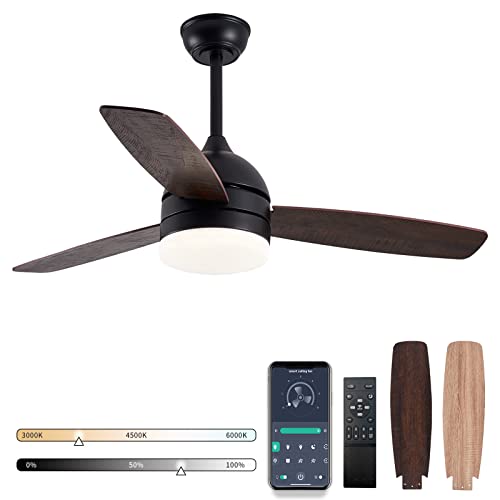
- LFR Score9.8
LFR Score is a ranking system developed by lightfansreviews.com. LFR Score has no relationship or impact from any manufacturers or sales agent websites. Learn more
- BrandEonini

- LFR Score9.0
LFR Score is a ranking system developed by lightfansreviews.com. LFR Score has no relationship or impact from any manufacturers or sales agent websites. Learn more
- BrandFszdorj

- LFR Score9.0
LFR Score is a ranking system developed by lightfansreviews.com. LFR Score has no relationship or impact from any manufacturers or sales agent websites. Learn more
- BrandReluen
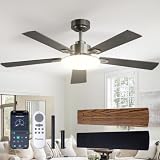
- LFR Score9.0
LFR Score is a ranking system developed by lightfansreviews.com. LFR Score has no relationship or impact from any manufacturers or sales agent websites. Learn more
- BrandPassky
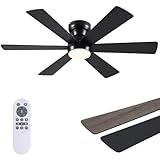
- LFR Score9.0
LFR Score is a ranking system developed by lightfansreviews.com. LFR Score has no relationship or impact from any manufacturers or sales agent websites. Learn more
- BrandAsyko

- LFR Score8.8
LFR Score is a ranking system developed by lightfansreviews.com. LFR Score has no relationship or impact from any manufacturers or sales agent websites. Learn more
- BrandBell+Howell

- LFR Score8.8
LFR Score is a ranking system developed by lightfansreviews.com. LFR Score has no relationship or impact from any manufacturers or sales agent websites. Learn more
- BrandZMISHIBO

- LFR Score8.8
LFR Score is a ranking system developed by lightfansreviews.com. LFR Score has no relationship or impact from any manufacturers or sales agent websites. Learn more
- BrandGJeg
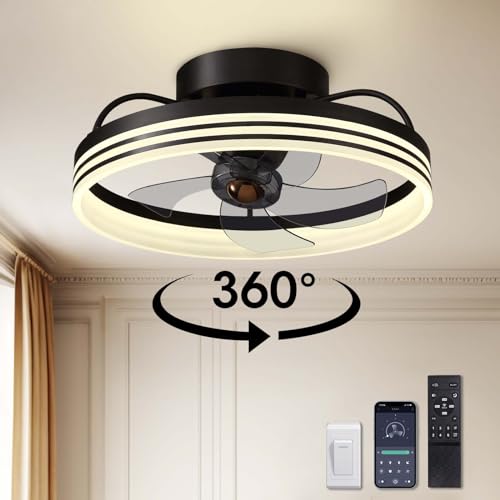
- LFR Score8.8
LFR Score is a ranking system developed by lightfansreviews.com. LFR Score has no relationship or impact from any manufacturers or sales agent websites. Learn more
- BrandLUDOMIDE

- LFR Score8.6
LFR Score is a ranking system developed by lightfansreviews.com. LFR Score has no relationship or impact from any manufacturers or sales agent websites. Learn more
- BrandAmico
Last update on 2026-06-11 / Affiliate links / Images, Product Titles, and Product Highlights from Amazon Product Advertising API
Which Way Should A Ceiling Fan Be Spinning For Better Comfort
A room can feel weirdly sticky even while the blades are moving, and yep, that usually means the fan is doing the wrong job. The question of which way should a ceiling fan be spinning matters because the blades either push air down for a cooling breeze or pull air up to move trapped warm air. That little direction switch is easy to ignore, but fan rotation changes comfort faster than most thermostat tweaks. Get it right, and the room feels calmer, fresher, and less uneven.
Ceiling Fan Direction
Which way should a ceiling fan be spinning depends on the season, not just personal preference. During hot weather, the fan should usually spin counterclockwise so air moves downward and creates a cooling wind-chill effect. Stand directly under the fan and feel for a steady breeze on your skin. No breeze, no dice, because the fan may be spinning the wrong way or running too slowly.
Cold weather calls for the opposite setup, which surprises a lot of people. A ceiling fan should usually spin clockwise at low speed during winter so it pulls cooler air upward and nudges warm air down along the walls. That movement helps reduce the hot-ceiling, cold-floor problem without blasting anyone with a draft. The room feels more even, especially in spaces with high ceilings.
The U.S. Department of Energy often points out that ceiling fans help people feel cooler, not actually lower the room temperature. That detail matters because air movement changes how your body feels heat, while the thermostat still controls actual indoor temperature. In summer, the right fan direction can let many homes raise the thermostat a bit while staying comfortable. That’s not magic, just better air circulation.
A simple quote fits here: “Fans cool people, not rooms.” That phrase is blunt, but it’s useful. A fan left running in an empty room wastes electricity because there’s nobody there to feel the breeze. So the smartest setup pairs correct ceiling fan direction with practical habits, like switching fans off when rooms sit empty.
Summer Spin And Real Comfort
Hot rooms need a downward breeze, so counterclockwise rotation is the usual summer setting. The airflow should feel direct, smooth, and noticeable without making papers fly off the table. A medium or high speed often works best in bedrooms, living rooms, and home offices where people sit for long stretches. That breeze helps sweat evaporate faster, which makes the body feel cooler even if the room temperature stays the same.
Ceiling fan blades are angled, so direction changes how they scoop and push air. In summer mode, the blade pitch pushes air toward the floor, creating that familiar cooling effect. If the fan spins clockwise at high speed during summer, airflow can feel weak or oddly indirect. That’s the moment people start blaming the fan, even though the direction switch is usually the troublemaker.
Large rooms need a bit more attention because air can collect in pockets. A single fan may cool the seating area but leave corners feeling stale, especially in open-plan spaces. For patios, garages, and big covered areas, Compare airflow coverage with best outdoor industrial ceiling fans if regular indoor models feel too mild. Bigger blades, damp-rated builds, and stronger motors can matter when outdoor airflow has to compete with heat and humidity.
Speed still matters after the direction is correct. High speed can feel great in July, but it may annoy people during meals, video calls, or sleep. Medium speed often hits the sweet spot because it provides steady air movement without turning the room into a wind tunnel. Low speed works better for mild days, especially when the goal is fresh air circulation rather than serious cooling.
Winter Rotation Without Drafts
Winter fan direction feels backward at first, but it makes sense once warm air starts collecting near the ceiling. A clockwise ceiling fan at low speed pulls cool air upward, which gently pushes warm air back down along the walls. The key is using low speed because fast winter airflow can feel chilly and defeat the whole purpose. Subtle movement is the goal, not a breeze you can feel across the room.
Rooms with vaulted ceilings benefit the most because heat loves to hang overhead. Without circulation, the thermostat may read one thing while your feet tell another story. The right winter spin helps spread trapped warm air more evenly, making the space feel less patchy. That can reduce the urge to keep bumping the heat up every hour.
Some fans have a visible switch on the motor housing, while newer models use a remote or wall control. Flip the direction only after the blades stop moving because forcing the mechanism mid-spin can be rough on the motor. That’s a small habit, but it protects the fan from unnecessary wear. Safe adjustments keep fan performance consistent instead of turning a comfort fix into a repair job.
Winter is also a good time to check nearby lighting, especially in rooms where fans and ceiling fixtures share awkward access points. To avoid wrestling with tall ladders twice, Plan safer maintenance around how to change a flood light bulb before adjusting fixtures in garages, porches, or high-ceiling areas. The practical win is simple: handle ceiling access tasks together, then stay off the ladder for a while.
Room Layout Changes The Answer
Which way should a ceiling fan be spinning still follows the seasonal rule, but room layout changes how strongly you’ll feel the result. Low ceilings can make downward airflow feel intense, even at modest speeds. High ceilings may need longer downrods so the fan can move air where people actually sit. Without the right placement, air circulation becomes uneven no matter which way the blades turn.
Bedrooms usually need softer airflow than living rooms. A fan directly over the bed can feel pleasant in summer, but too much speed may dry out eyes or make light sleepers restless. Low or medium speed with counterclockwise rotation often feels better overnight. Comfort should feel steady, not like a fan is picking a fight with your blanket.
Kitchens are trickier because heat, steam, and smells move fast. A ceiling fan can help keep air moving, but it shouldn’t fight range hoods or push cooking odors into the rest of the house. In warm months, downward airflow can help with general comfort, while low-speed circulation may be better during cooler weather. The best setup depends on whether the room feels hot, smoky, humid, or just plain still.
Covered patios and sunrooms add another wrinkle because outdoor air doesn’t behave like indoor air. Humidity, open screens, and direct sun can weaken the cooling feel of a fan. Larger blades or stronger motors may be needed for consistent breeze in these spaces. Still, direction matters first because even a strong fan feels disappointing if it’s moving air the wrong way.
Common Mistakes That Waste Airflow
The biggest mistake is leaving the fan in one direction all year. A fan that feels helpful in July may feel annoying in January if it keeps blasting air downward. Seasonal adjustment takes a minute, yet plenty of homes skip it for years. That tiny oversight can create drafts, uneven temperatures, and wasted energy.
Another mistake is assuming faster always means better. High speed helps in hot weather, but it can stir dust, rattle loose parts, and make lightweight curtains flap like crazy. Low speed can be more useful for gentle circulation, especially in winter or mild weather. The right direction plus the right speed beats brute force almost every time.
Dirty blades also reduce the quality of airflow. Dust buildup adds weight, throws off balance, and can make the fan wobble or hum. A quick wipe every few weeks keeps blade performance cleaner and quieter. Nobody wants a fan that circulates stale air and dust at the same time.
Comfort issues aren’t always about air temperature either. Cold hands, stiff fingers, or poor circulation can make indoor chores feel more irritating during cooler months, even after the fan direction is fixed. For separate hand comfort support, Explore warmth-focused relief with best red light therapy gloves instead of expecting ceiling airflow to solve body-level discomfort. A fan improves room circulation, but personal comfort sometimes needs its own fix.
Best Ceiling Fan Direction For Summer And Winter
Living with uneven airflow gets irritating fast, especially in rooms that never seem to settle into a comfortable temperature. One corner feels chilly while another feels stuffy, and somehow the thermostat still looks normal. That frustration usually traces back to ceiling fan direction, blade speed, or poor circulation habits people barely think about. Small adjustments often fix problems that expensive cooling systems struggle to handle.
How To Check Fan Rotation Fast
The easiest way to check which way should a ceiling fan be spinning is to stand directly underneath it and pay attention to airflow. During warm weather, the fan should create a noticeable breeze that moves downward across your skin. If the room feels stagnant while the blades spin overhead, the direction is probably wrong. That simple test saves people from guessing every season.
Blade movement can also help identify the setting. A counterclockwise spin usually pushes air downward for cooling, while a clockwise spin gently pulls air upward for winter circulation. Plenty of homeowners ignore the blade angle entirely, then wonder why the room still feels uncomfortable. Watching airflow instead of only looking at the blades gives a more reliable answer.
Remote-controlled fans sometimes hide the direction setting inside a wall panel or remote menu. Older fans often use a tiny switch mounted near the motor housing. Turn the fan off completely before switching directions because changing spin mid-motion can strain internal parts. Protecting motor performance matters more than shaving off ten seconds.
Lighting around the fan also affects comfort and room atmosphere more than people expect. Harsh overhead lighting paired with strong airflow can make gaming spaces feel oddly sterile or tiring during long sessions. For softer ambient setups, Upgrade room mood with best wall lights gaming room ideas that balance brightness and airflow without creating glare or eye strain. A better combination of lighting and circulation often changes the entire feel of the room.
Why Ceiling Height Changes Airflow
Low ceilings can make airflow feel aggressive, especially if the fan hangs too close to where people sit or sleep. Strong downward circulation in a compact room may create dry eyes, cold shoulders, or constant paper movement on desks and tables. Lower fan speeds usually work better in these spaces because the air doesn't need much help moving around. Comfort comes from balanced airflow, not brute force.
High ceilings create the opposite problem. Warm air naturally rises and gets trapped overhead, leaving lower areas cooler than expected during winter. A clockwise fan setting at low speed helps redistribute heat buildup without creating uncomfortable drafts. Rooms with vaulted ceilings often feel dramatically different after this adjustment.
Long downrods improve airflow in tall rooms because the fan can circulate air closer to where people actually live and move. A fan mounted too high may spin constantly while barely affecting comfort below. Proper placement supports consistent circulation and prevents wasted energy. That matters in large living rooms where heating and cooling costs quietly climb month after month.
Open staircases create another airflow challenge because heat naturally drifts upward between floors. Ceiling fans near stairwells can help slow temperature imbalance, though they won't completely solve insulation problems or drafty windows. Smart fan placement simply helps rooms feel more stable instead of wildly inconsistent. Small airflow improvements often reduce the constant thermostat adjustments that drive people nuts.
Fan Blade Shape Matters More Than People Think
Blade shape affects airflow quality almost as much as direction. Steeper blade pitches move more air, but they can also create stronger drafts and more noticeable noise in smaller rooms. Flatter blades often feel smoother and quieter, though they may struggle in larger spaces with heavy humidity or trapped heat. The goal is matching blade design to the room rather than assuming every fan performs the same way.
Cheap lightweight blades sometimes wobble over time, especially if dust builds unevenly or screws loosen slightly. Wobbling reduces airflow efficiency and creates annoying noise that gets worse at higher speeds. Tightening screws and cleaning blades regularly helps maintain stable performance. Ignoring minor wobble problems usually makes them more noticeable later.
Material choices also influence how fans behave in different environments. Wooden blades can look warm and stylish indoors, but moisture-heavy outdoor areas may cause warping over time. Metal or ABS plastic blades usually handle patios and humid climates more reliably. Durability matters because airflow consistency drops fast once blades lose alignment.
Visual design affects the room too, not just airflow. Oversized dark blades can dominate a small space, while tiny white blades may disappear visually in a large living room. To create a more coordinated setup, Match airflow style with what color ceiling fan living room ideas that fit furniture tones, ceiling height, and lighting choices. A fan should support both comfort and room balance, not feel like an afterthought hanging overhead.
Energy Savings Depend On Good Habits
Ceiling fans use far less electricity than air conditioning systems, but that doesn't mean they should run nonstop without purpose. Fans cool people through moving air, not by lowering actual room temperature. Leaving fans on in empty rooms wastes energy while doing almost nothing useful. Better habits create smarter energy use without sacrificing comfort.
Raising the thermostat slightly during summer often feels easier once the fan spins counterclockwise and creates a direct breeze. That small airflow boost helps many people feel comfortable at slightly warmer temperatures indoors. The result is lower strain on cooling systems and steadier indoor comfort throughout the day. Even a subtle improvement in air circulation can make long afternoons feel less exhausting.
Winter savings work differently because fans redistribute trapped warm air instead of cooling the body directly. Clockwise rotation at low speed helps reduce temperature layering inside the room. That can help heating systems cycle less aggressively, especially in older homes with tall ceilings. Better heat distribution creates more consistent comfort from floor to ceiling.
Dirty vents, blocked returns, and poor insulation still affect room comfort no matter how the fan spins. Ceiling fans support HVAC systems rather than replacing them entirely. Smart airflow habits work best alongside clean filters, sealed windows, and proper thermostat settings. A fan becomes more effective once the rest of the room stops fighting against air movement.
Noise, Wobble, And Airflow Problems
Ceiling fans should create steady airflow, not distracting rattles that pull attention away from sleep, work, or quiet evenings. Clicking sounds often point to loose blade screws or uneven blade alignment. Humming may come from worn capacitors or electrical issues inside older motors. Tracking down these problems early protects fan stability before the damage spreads.
Wobble gets worse when blades collect uneven dust or bend slightly over time. Even a small imbalance can create shaking at higher speeds, especially in larger fans with longer blades. Balancing kits help correct minor problems, though severe wobble sometimes signals mounting issues. Secure installation matters because stable airflow depends on smooth blade movement.
Weak airflow frustrates plenty of people during summer because the fan appears active without actually cooling the room. Wrong spin direction, short blade pitch, or oversized rooms often create that issue. Changing the fan to counterclockwise rotation usually solves the problem faster than immediately shopping for a replacement. Sometimes the fix is surprisingly simple.
Mechanical wear also builds slowly over years of daily use. Bearings dry out, mounting brackets loosen, and remote controls become inconsistent. Fans rarely fail overnight. Most give subtle warning signs first, especially changes in sound, airflow strength, or vibration patterns. Paying attention to those details helps preserve long-term fan performance before repairs become expensive.


Best Small Flush Mount Ceiling Fans 2026 Ultimate Picks

Best Smart Ceiling Fan India 2026 For Effortless Comfort

Best Smart Ceiling Fans with Lights for 2026: Top Picks

Best Smart Home Non Ceiling Fans 2026 For Ultimate Comfort

Best Outdoor Misting Ceiling Fan 2026 For Ultimate Comfort

Best Outdoor Ceiling Fans For Porch 2026 With Style And Breeze

Best Smart Bulb For Ceiling Fan 2026 That Brightens Life
Best Smart Ceiling Fan Control 2026 For Effortless Comfort