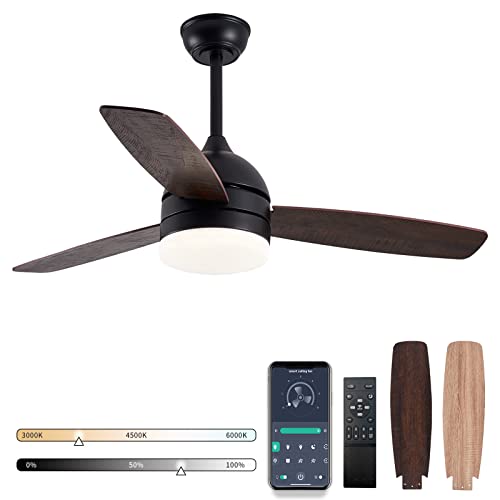
Which Way Should a Ceiling Fan Spin for Cooling?

Which way should a ceiling fan spin for cooling keeps popping up every summer for a reason. A room can feel sticky, stale, and downright annoying even with the air conditioner running nonstop. Plenty of people stand underneath a fan every day without realizing the blade direction changes how the air actually feels. That little switch on the fan housing? Yeah, it matters more than most folks think.
Counterclockwise rotation creates the cooling breeze most people expect during warm weather. The airflow pushes downward, helping sweat evaporate faster and making the room feel several degrees cooler without touching the thermostat. That’s the sweet spot for bedrooms, living rooms, covered patios, and home offices where heavy air tends to linger. Proper ceiling fan direction can also reduce that stuffy sensation that creeps in during humid afternoons.
Oddly enough, many ceiling fans stay on the wrong setting for months because nobody checks the blade rotation after winter ends. Then the room feels uncomfortable, energy bills climb, and everyone blames the AC unit. A clockwise spin during hot weather pulls air upward instead of creating a direct breeze, so the cooling effect practically disappears. Small oversight, big difference.
Blade angle and fan speed also play a bigger role than people expect. A fan spinning in the correct direction on a low setting may still leave corners of the room feeling warm and lifeless. Higher speeds usually work better during summer because they improve air circulation and keep the breeze consistent across the room. Still, oversized rooms or low-quality fans can create uneven airflow no matter how fast the motor runs.
Ceiling height changes the experience too. Fans mounted too high can weaken the breeze before it reaches people below, while low-mounted fans may feel overpowering in compact rooms. That balance matters because comfort isn’t only about temperature. It’s about airflow hitting the skin naturally instead of creating hot pockets or dead zones around furniture and walls.
Dust buildup creates another sneaky issue. Dirty blades reduce airflow efficiency and sometimes throw the fan off balance, causing wobbling or annoying clicking sounds. Cleaning the blades and checking the direction seasonally keeps the fan running smoother and helps maintain steady cooling airflow. A neglected fan often struggles to move air the way it should.
Rooms with large windows or direct afternoon sunlight usually need stronger circulation to stay comfortable. In those spaces, the correct fan direction supports the cooling system instead of fighting against it. The air feels lighter, fresher, and easier to tolerate even during muggy stretches. Honestly, once the blades spin correctly, the whole room feels less miserable within minutes.

- LFR Score9.8
LFR Score is a ranking system developed by lightfansreviews.com. LFR Score has no relationship or impact from any manufacturers or sales agent websites. Learn more
- BrandGlowivia

- LFR Score9.0
LFR Score is a ranking system developed by lightfansreviews.com. LFR Score has no relationship or impact from any manufacturers or sales agent websites. Learn more
- BrandFszdorj

- LFR Score8.8
LFR Score is a ranking system developed by lightfansreviews.com. LFR Score has no relationship or impact from any manufacturers or sales agent websites. Learn more
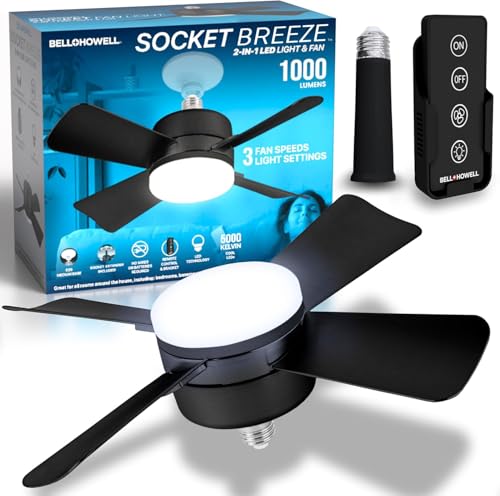
- BrandBell+Howell

- LFR Score8.8
LFR Score is a ranking system developed by lightfansreviews.com. LFR Score has no relationship or impact from any manufacturers or sales agent websites. Learn more
- BrandGJeg
- LFR Score8.8
LFR Score is a ranking system developed by lightfansreviews.com. LFR Score has no relationship or impact from any manufacturers or sales agent websites. Learn more
- BrandBell+Howell

- LFR Score8.6
LFR Score is a ranking system developed by lightfansreviews.com. LFR Score has no relationship or impact from any manufacturers or sales agent websites. Learn more
- BrandAmico
- LFR Score8.6
LFR Score is a ranking system developed by lightfansreviews.com. LFR Score has no relationship or impact from any manufacturers or sales agent websites. Learn more
- BrandASALL

- LFR Score8.2
LFR Score is a ranking system developed by lightfansreviews.com. LFR Score has no relationship or impact from any manufacturers or sales agent websites. Learn more
- Brandbestmoument
Last update on 2026-06-11 / Affiliate links / Images, Product Titles, and Product Highlights from Amazon Product Advertising API
Which Way Should A Ceiling Fan Spin For Cooling
A sticky room can make a decent afternoon feel like a chore, especially when the air conditioner is humming but the space still feels heavy. The trick behind which way should a ceiling fan spin for cooling is simpler than most people expect, yet it’s easy to miss because the fan still “runs” either way. During warm weather, the blades should spin counterclockwise so they push air downward and create a breeze you can actually feel. That breeze doesn’t lower the room temperature, but it helps your skin feel cooler by speeding up evaporation.
Cooling Spin Direction
The easiest answer is this: stand below the fan and look up. For summer cooling, the blades should move counterclockwise, creating a steady downward draft. That direct airflow makes the room feel fresher, less stuffy, and easier to sit in without reaching for the thermostat again. Nice little win, right?
A clockwise spin does the opposite job. It pulls air upward, which is handy during cooler months because it helps circulate warm air trapped near the ceiling. But during hot weather, that upward pull can leave the room feeling oddly flat, even while the fan is spinning like it’s trying its best. The wrong ceiling fan direction often feels like wasted motion.
Plenty of ceiling fans have a small switch on the motor housing that controls direction. Some newer fans use a remote button instead, which is convenient unless the remote is hiding in the couch again. After changing the direction, use a medium or high speed and feel for downward airflow directly beneath the fan. If you don’t feel a breeze, flip the setting back.
The Department of Energy has noted that ceiling fans can let people raise thermostat settings while staying comfortable, but only when the fan is used properly. The key phrase is used properly, because a fan cooling an empty room does nothing for comfort. Ceiling fans cool people, not rooms, so turning them off when nobody’s there helps avoid wasted electricity. That tiny habit can make a noticeable difference over a long summer.
Why Counterclockwise Feels Cooler
Counterclockwise rotation works because it pushes air straight down into the living space. That airflow moves across your skin and helps sweat evaporate faster, which is why the room feels cooler even if the thermostat number hasn’t changed. The wind chill effect is the real comfort boost here. It’s not magic, just smart airflow.
A room with stagnant air can feel warmer than it really is. Corners stay muggy, fabric furniture holds warmth, and the air around your body gets stale fast. A ceiling fan spinning the right way breaks up those pockets and keeps air movement more consistent. That’s especially helpful in bedrooms where still air can make sleep feel sticky and restless.
Fan speed matters too. A slow counterclockwise spin may look correct, but it might not push enough air down to make a real difference. Medium speed works for many rooms, while high speed helps during humid afternoons or in larger spaces. Still, blasting the fan all day isn’t always pleasant, especially in smaller rooms where strong airflow can feel harsh.
Room layout can change the result more than people think. Tall bookcases, bulky sofas, low ceilings, and open doorways all affect how air moves. A centered fan usually spreads the breeze better, while an off-center fan may cool one seating area and ignore the rest. That’s why fan placement can be just as important as direction.
Common Mistakes That Waste Airflow
The most common mistake is leaving the fan on its winter setting after the season changes. Nobody checks the tiny switch, the fan keeps spinning, and the room keeps feeling warmer than expected. The fix takes seconds, but the comfort difference can feel huge. Counterclockwise cooling should become part of a simple seasonal home check.
Dusty blades can also weaken airflow. A thick layer of dust changes the blade surface and may cause wobbling, clicking, or uneven movement. Clean blades move air more smoothly and keep the fan from flinging grime across the room. A quick wipe supports better airflow and keeps the fan looking less neglected.
Another sneaky problem is using the wrong fan size for the room. A small fan in a large living room may spin correctly and still fail to move enough air. A huge fan in a tiny bedroom can feel like sitting in a wind tunnel. The sweet spot depends on room size, ceiling height, and how people actually use the space.
Lighting and heat sources matter as well. Rooms with big windows, dark curtains, or sun-facing walls need stronger circulation because heat builds up faster. To manage lighting routines that add less hassle during hot months, rely on a timer for indoor lights so lamps aren’t left running longer than needed. Small habits like that support cooler daily routines without turning the house into a strict energy-saving boot camp.
How To Check Your Fan Direction
Start by standing directly below the fan while it runs on low speed. Watch the front edge of each blade and see whether it moves to the left or right as it comes around. For cooling mode, the blades should rotate counterclockwise from your viewpoint underneath the fan. You should also feel air pushing down toward your face or shoulders.
Don’t rely only on how the blades look from across the room. Angled blades can trick the eye, especially with dark finishes or low lighting. The hand test is usually more reliable: hold your hand below the fan and feel for a firm downward breeze. A weak or missing breeze usually means the spin direction or speed setting needs attention.
Older ceiling fans often use a physical direction switch near the motor. Turn the fan off first, wait for the blades to stop completely, then flip the switch. That pause matters because changing direction while the motor is moving can strain the mechanism. Safe, simple handling protects the fan motor and keeps the adjustment from becoming a bigger repair problem.
Remote-controlled fans may need a direction button, a seasonal mode, or a setting inside the control menu. Some models even reverse only after the fan stops, which can make the change feel delayed. Keep the manual nearby if the controls seem fussy, because guessing through buttons gets old fast. For rooms where style and airflow both matter, upgrade with a farmhouse ceiling fan with light to combine cooling airflow with everyday overhead lighting.
Room Comfort Beyond The Fan Switch
The correct fan direction solves one big problem, but it doesn’t fix every cooling issue by itself. Poor insulation, blocked vents, old windows, and humid air can still make a room feel uncomfortable. A ceiling fan helps move air across your skin, while the AC handles actual temperature and humidity control. The best comfort usually comes from fan direction, vent airflow, and smart thermostat habits working together.
Ceiling height changes how much breeze reaches the people below. High ceilings may need longer downrods so the fan sits closer to the living zone. Low ceilings need flush-mount designs that still move air without feeling too close overhead. The goal is steady circulation, not a dramatic gust every time someone walks through the room.
Open floor plans can be trickier because air spreads unevenly. One fan might cool the seating area but leave the kitchen or hallway feeling stale. In those cases, pairing ceiling fans with open interior doors or a second fan can help move air more evenly. A good setup should make the space feel balanced, not chilly in one corner and stuffy in another.
Household tech hiccups can also interrupt comfort routines, especially if smart thermostats, connected fans, or app-controlled devices depend on stable internet. To get connected gear back on track, fix the signal issue with this broadband red light guide before blaming the fan or thermostat. Reliable controls make it easier to keep cooling schedules consistent during hot stretches.
Better Cooling Habits For Hot Days
Run the ceiling fan only while the room is occupied. That advice sounds almost too obvious, but many people leave fans spinning all day because the motion looks productive. Since fans cool people through air movement, an empty room gains no real comfort benefit. Turning fans off saves electricity without making the house warmer.
Set the thermostat a little higher once the fan direction is correct and the breeze feels steady. Many households find that a slightly warmer thermostat setting still feels comfortable with downward airflow. The exact setting depends on humidity, room layout, clothing, and personal comfort. No need to suffer, but don’t ignore easy savings either.
Close blinds during harsh afternoon sun, especially on west-facing windows. Direct sunlight heats floors, furniture, and walls, forcing the fan and AC to work against a hotter room. A ceiling fan can move the air, but it can’t erase heat pouring through glass. Blocking sun supports cooler indoor conditions before the room turns into a sauna.
Use exhaust fans wisely in kitchens and bathrooms. Cooking steam and shower humidity make indoor air feel heavier, even if the temperature isn’t terrible. Removing that moisture helps the ceiling fan feel more effective afterward. Dry air plus proper fan rotation usually feels cleaner, lighter, and much easier to live with.
Best Ceiling Fan Direction For Summer Cooling
Some rooms never seem to cool evenly, no matter how long the air conditioner runs. One corner feels chilly, another feels damp, and the couch somehow traps heat like a sponge. That’s where the best ceiling fan direction for summer cooling starts making a real difference because airflow changes how the entire room feels from wall to wall. A properly spinning fan creates steady circulation that keeps air from sitting still and turning stale.
Why Humid Rooms Feel Worse
Humidity changes everything indoors. A room at 74 degrees can still feel uncomfortable if moisture hangs heavily in the air and blocks sweat from evaporating naturally. Ceiling fans spinning counterclockwise help push air downward so the skin dries faster and the room feels less suffocating. That cooling sensation becomes especially noticeable in bedrooms during warm nights.
Bathrooms, kitchens, and laundry areas usually collect extra moisture throughout the day. Steam from showers and cooking lingers longer than people expect, especially in homes with weak ventilation. A ceiling fan alone won’t remove humidity, but it improves air movement enough to reduce that sticky feeling after the room heats up. Pairing fan circulation with exhaust fans usually creates better balance.
Fabric furniture can trap warmth and moisture too. Thick rugs, oversized couches, and heavy curtains often hold heat deep into the evening even after outdoor temperatures drop. A correctly spinning fan helps break up those warm pockets by keeping air flowing across surfaces instead of letting heat settle. That’s one reason counterclockwise airflow feels more refreshing in crowded living rooms.
People often blame the thermostat first when the room feels uncomfortable. Then they lower the temperature again and again while the real problem sits overhead. Correct fan direction supports the cooling system instead of forcing it to fight stagnant air alone. Small airflow changes can make the room feel lighter and more breathable without turning the house into an icebox.
Ceiling Height Changes Airflow
High ceilings look beautiful, but they can create cooling problems during summer. Warm air naturally rises, so tall spaces tend to collect heat above the living area while cooler air stays lower. A ceiling fan spinning the right direction helps push that trapped warmth downward and blend the air more evenly. The result feels more balanced instead of hot near the ceiling and chilly near the floor.
Short ceilings bring different challenges. A fan mounted too close to the floor may create harsh airflow that feels distracting during meals, conversations, or sleep. Slower fan speeds often work better in compact spaces where direct airflow becomes overpowering quickly. Comfort should feel steady, not like sitting beneath a helicopter.
Downrod length matters more than many homeowners realize. Fans installed too close to vaulted ceilings may struggle to move enough air into the room below. A proper downrod positions the blades where they can create stronger circulation across the occupied space. That placement improves cooling efficiency without forcing the fan to run at maximum speed all day.
Large open-concept homes sometimes need multiple fans working together. One ceiling fan may cool the seating area well but leave nearby dining spaces warm and stale. Coordinated airflow creates better consistency across connected rooms. For medium-sized spaces that need both lighting and circulation, explore a 44 inch ceiling fan setup that supports daily comfort without overwhelming the room.
Blade Shape And Fan Size Matter
Not all ceiling fans move air the same way. Blade pitch, blade length, and motor strength all influence how much airflow actually reaches the room below. Some decorative fans look attractive but move surprisingly little air once summer heat arrives. A fan with stronger blade angle performance usually creates a more noticeable cooling effect.
Oversized blades can feel sluggish in smaller rooms. The fan may technically circulate air, but the breeze can seem uneven or oddly weak depending on furniture placement. Smaller fans work better in compact bedrooms, while wider fans help distribute air across large family rooms and open living areas. Matching the fan to the room size improves overall circulation instead of creating random airflow pockets.
Blade material affects long-term performance too. Lightweight blades sometimes wobble after months of use, especially in humid conditions where materials expand slightly over time. Heavier blades tend to stay more stable but may require stronger motors to maintain steady movement. A balanced fan supports smoother airflow and reduces annoying clicking noises during quiet evenings.
Dust buildup changes blade performance more than people expect. Thick dust layers interrupt airflow and can throw the blades slightly off balance. Regular cleaning keeps the fan operating more evenly while preventing dirt from spreading around the room. A clean fan simply feels better because the air circulation stays smoother and more consistent.
Why Fans Sometimes Feel Useless
People often assume the ceiling fan is broken when the room still feels warm. In reality, several small issues usually combine into one frustrating experience. Closed vents, blocked airflow paths, heavy humidity, and incorrect fan direction all stack together until the room feels uncomfortable no matter what. Fixing air circulation problems often requires looking beyond the fan itself.
Furniture placement can quietly sabotage airflow. Large shelves, tall cabinets, and sectional couches sometimes interrupt circulation patterns across the room. Air gets trapped behind bulky pieces and creates warm pockets that linger longer than expected. Shifting furniture slightly can improve cooling movement without buying anything new.
Dirty air filters create another common problem. Restricted HVAC airflow forces cooled air to move more slowly through the house, making ceiling fans work harder to compensate. A fresh filter supports better temperature consistency and reduces strain on the cooling system overall. Cleaner airflow usually pairs nicely with counterclockwise fan rotation.
Electrical issues occasionally create fan performance problems too. Flickering lights, buzzing sounds, or inconsistent speeds may point toward wiring concerns instead of blade direction alone. For safety concerns involving overheating motors or damaged wiring, review this ceiling fans catch fire guide and check for warning signs before ignoring unusual behavior. Reliable operation matters just as much as strong airflow during long summer use.
Nighttime Cooling Feels Different
Sleeping with stale air feels miserable fast. The room may technically be cool enough, yet the air still feels heavy and uncomfortable after midnight. Ceiling fans spinning counterclockwise help create a gentler breeze that keeps bedrooms feeling fresher through the night. That consistent airflow often improves comfort more than dropping the thermostat several extra degrees.
Fan speed should usually be lower at night than during the afternoon. Strong airflow can dry out skin, irritate eyes, or create cold spots that interrupt sleep. Medium or low speed settings tend to feel more natural once the room temperature settles after sunset. Comfort during sleep relies on steady circulation, not aggressive airflow blasting across the bed.
Light sleepers may notice motor noise more than airflow itself. Older fans sometimes hum, click, or wobble after years of use, especially if screws loosen over time. Tightening hardware and balancing the blades often reduces those sounds dramatically. Quiet operation becomes part of the overall cooling experience, particularly in smaller bedrooms.
Ceiling fans also help distribute cooled air from nearby vents more evenly during overnight hours. Without airflow movement, cold air may settle near the floor while upper areas remain warmer. Gentle circulation blends the temperature across the room and keeps conditions more stable until morning. That balanced airflow helps the room feel less stuffy and uneven by sunrise.
Simple Habits That Improve Summer Comfort
Closing blinds before peak afternoon sunlight hits the windows can dramatically reduce indoor heat buildup. Bright sunlight warms flooring, furniture, and walls faster than many people realize. A ceiling fan works better once the room stops absorbing extra heat throughout the day. Blocking sunlight supports more stable indoor temperatures before the room overheats.
Cooking during cooler hours also helps. Ovens and stovetops release a surprising amount of heat that lingers in nearby rooms long after dinner finishes. Using smaller appliances or grilling outdoors occasionally reduces indoor warmth during extreme heat waves. Less trapped heat gives cooling airflow a better chance to keep rooms comfortable.
Doors between connected rooms should stay open whenever possible to encourage smoother circulation. Closed doors trap warm air and interrupt airflow patterns created by ceiling fans and vents. Open pathways help air travel naturally across the home instead of collecting in isolated pockets. Better movement creates more even cooling from room to room.
Seasonal fan checks prevent small problems from turning into frustrating comfort issues later. Tightening screws, cleaning blades, checking the direction switch, and testing speed settings only takes a few minutes. Those simple habits keep airflow steady through long stretches of summer heat. A properly maintained fan delivers consistent comfort instead of uneven airflow and constant adjustment.


Best Small Flush Mount Ceiling Fans 2026 Ultimate Picks

Best Smart Ceiling Fan India 2026 For Effortless Comfort

Best Smart Ceiling Fans with Lights for 2026: Top Picks

Best Smart Home Non Ceiling Fans 2026 For Ultimate Comfort

Best Outdoor Misting Ceiling Fan 2026 For Ultimate Comfort

Best Outdoor Ceiling Fans For Porch 2026 With Style And Breeze

Best Smart Bulb For Ceiling Fan 2026 That Brightens Life
Best Smart Ceiling Fan Control 2026 For Effortless Comfort