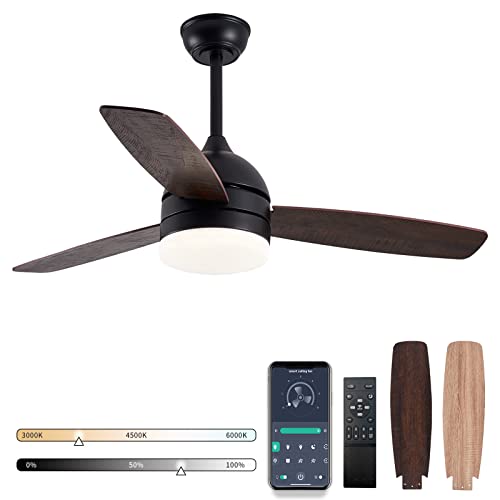
Which Way Should a Ceiling Fan Turn for Heat?

Which Way Should a Ceiling Fan Turn for Heat becomes a surprisingly common question once colder weather rolls in and certain rooms start feeling uneven, stuffy, or oddly drafty. Plenty of people crank the thermostat higher without realizing warm air naturally rises and stays trapped near the ceiling. That hidden pocket of heat can leave the lower half of the room feeling chilly even while the heater keeps running nonstop. A small adjustment to ceiling fan direction often changes the entire feel of the space without touching the thermostat again.
Clockwise rotation usually helps during colder months because it gently pushes trapped warm air downward without creating a harsh breeze. That soft air circulation matters more than many expect. Nobody wants a cold gust blowing across the couch while trying to stay warm with a blanket and hot coffee nearby. The trick is subtle airflow, not strong wind, and lower fan speeds typically create the most comfortable result.
Homes with tall ceilings often struggle the most with uneven temperatures. Heat climbs upward fast, especially in open living rooms, loft spaces, stairwells, or vaulted ceilings where warm air practically disappears overhead. Ceiling fan direction plays a major role in redistributing that heat before it goes to waste. Rooms feel steadier and cozier once the warm air starts circulating properly instead of hovering near light fixtures and crown molding.
Energy bills can quietly creep upward during winter because heating systems work overtime trying to compensate for poor airflow. A ceiling fan turning the correct direction supports the heating system instead of fighting against it. That balance helps maintain comfort longer between heating cycles. Small adjustments like this may sound minor at first, yet they often make everyday living spaces noticeably more pleasant.
Some fans include a tiny direction switch hidden near the motor housing, while newer models may use remote controls or smart settings. Still, many people never touch those controls after installation. That’s where confusion starts. A fan spinning the wrong direction during winter can actually make a room feel cooler, especially at higher speeds, and suddenly everyone’s reaching for heavier socks and thicker blankets.
Which Way Should a Ceiling Fan Turn for Heat also connects to comfort beyond temperature alone. Dry winter air, stale airflow, and stuffy corners become more noticeable once windows stay closed for long stretches. Gentle circulation helps rooms feel fresher and more balanced without creating noise or constant movement. Even fireplaces benefit because warm air spreads more evenly throughout the room rather than concentrating near one area.
Older homes sometimes have draft issues around windows, doors, or attic spaces that make heating feel inconsistent. Proper fan rotation won't magically fix insulation problems, but it can reduce hot and cold spots enough to improve overall comfort. Bedrooms, especially upstairs ones, often respond quickly to adjusted airflow. Sleeping conditions tend to feel calmer and less stuffy once the air circulates more naturally.
People often overlook ceiling fans during winter because they associate them with summer cooling. That assumption leaves a useful feature sitting idle for half the year. Warm air circulation, lower heating strain, and steadier indoor comfort all tie back to one simple seasonal adjustment. Once the fan spins the right direction, rooms usually feel more balanced without requiring constant thermostat changes.
- LFR Score9.4
LFR Score is a ranking system developed by lightfansreviews.com. LFR Score has no relationship or impact from any manufacturers or sales agent websites. Learn more
- BrandTEBTEOTEK

- LFR Score9.4
LFR Score is a ranking system developed by lightfansreviews.com. LFR Score has no relationship or impact from any manufacturers or sales agent websites. Learn more
- BrandSealproof

- LFR Score9.2
LFR Score is a ranking system developed by lightfansreviews.com. LFR Score has no relationship or impact from any manufacturers or sales agent websites. Learn more
- BrandWestinghouse
- LFR Score8.8
LFR Score is a ranking system developed by lightfansreviews.com. LFR Score has no relationship or impact from any manufacturers or sales agent websites. Learn more
- BrandBroan-NuTone
- LFR Score8.8
LFR Score is a ranking system developed by lightfansreviews.com. LFR Score has no relationship or impact from any manufacturers or sales agent websites. Learn more
- BrandHumpptom
- LFR Score8.6
LFR Score is a ranking system developed by lightfansreviews.com. LFR Score has no relationship or impact from any manufacturers or sales agent websites. Learn more
- BrandASALL

- LFR Score8.4
LFR Score is a ranking system developed by lightfansreviews.com. LFR Score has no relationship or impact from any manufacturers or sales agent websites. Learn more
- BrandEogifee

- LFR Score6.8
LFR Score is a ranking system developed by lightfansreviews.com. LFR Score has no relationship or impact from any manufacturers or sales agent websites. Learn more
- Brandjjxeqo
Last update on 2026-06-11 / Affiliate links / Images, Product Titles, and Product Highlights from Amazon Product Advertising API
Which Way Should A Ceiling Fan Turn For Heat
Cold rooms have a funny way of making the thermostat look guilty, even when the real issue is warm air sitting near the ceiling. A fan can help, but only if it spins the right way. For which way should a ceiling fan turn for heat, the practical answer is clockwise at low speed. That setup moves air gently instead of blasting a chilly breeze across the room.
Clockwise Rotation For Winter Comfort
A ceiling fan should usually turn clockwise during colder weather while running on its lowest comfortable speed. That direction creates a gentle updraft, pulling cooler air upward and helping push trapped warm air back down along the walls. The room may not technically gain heat, but it can feel more even and less drafty. That’s the sweet spot homeowners are usually chasing.
Warm air rises, which sounds simple until a living room with tall ceilings starts eating half the heater’s effort. Heat can collect overhead while the couch area still feels chilly. A clockwise fan helps break up that layer without making the room feel windy. The key is slow movement, not speed for the sake of speed.
The U.S. Department of Energy’s Energy Saver guidance notes that ceiling fans can support comfort by moving air properly, and winter use calls for clockwise rotation on low speed. That advice fits real life because a low setting avoids the annoying wind-chill feeling. Nobody wants to sit under a fan in January and feel like they opened a freezer door. Gentle circulation is the whole trick.
Stand under the fan and look up to check the direction. If the blades move like a clock’s hands, that’s clockwise. Keep the speed low enough that you barely feel air directly on your skin. That small adjustment can make rooms with cold spots feel more balanced without turning the thermostat into a money pit.
Why Low Speed Matters Most
High speed ruins the winter setup fast. A fan spinning clockwise too quickly may stir the air, sure, but it can also create a noticeable draft. That draft fights the cozy feeling people expect from winter fan direction. Low speed keeps the air moving softly, almost like it’s nudging heat instead of shoving it.
A room with a fireplace, radiator, heat pump, or forced-air vent benefits from slow circulation because warm air spreads more evenly. The fan doesn’t replace the heater. It simply helps the heat stop camping out near the ceiling. That makes ceiling fan direction for heat more about comfort control than raw temperature.
Some rooms need a little trial and error. A bedroom may feel better on the lowest setting, while a vaulted living room might need one notch higher. The goal is easy to spot: less chill near the floor, fewer hot pockets near the ceiling, and no breeze hitting your face. If your socks still feel cold but your forehead feels warm, the air still isn’t mixing well.
Older fans sometimes wobble or hum at lower speeds, which can make winter use annoying. Tightening blade screws, cleaning dust buildup, and checking the mounting bracket can help. If a fan still shakes, the airflow may feel uneven even with the correct rotation. A steady fan gives better circulation and less distracting noise.
Common Mistakes That Make Rooms Feel Colder
The biggest mistake is leaving the fan in summer mode. Counterclockwise rotation pushes air downward, which feels nice in hot weather but can feel chilly during winter. That direct downdraft can make people raise the thermostat even though the room already has warm air available. A quick direction switch often solves that “why is this room still cold?” headache.
Another common slip is running the fan while nobody is in the room. Ceiling fans help people feel more comfortable, but they don’t heat the room by themselves. Leaving one on all day in an empty space can waste electricity without adding comfort. Use fan direction for heat where people actually sit, sleep, cook, or work.
Dusty blades can also mess with airflow. A thick layer of dust changes how smoothly blades move air, and yep, it can fling grime around once the fan starts. Clean blades before switching seasonal direction, especially in bedrooms and kitchens. Better maintenance supports cleaner airflow and keeps the fan from sounding like it’s working harder than it should.
Some ceilings make the setup trickier. Very low ceilings may create too much direct air movement even at low speed, while very high ceilings may need a slightly stronger setting. Separately, warmer months bring the opposite comfort problem, so cool patio corners or plant benches can use different airflow tools. To cool small outdoor spots without dragging out heavy gear, compare a portable handheld misting fan for focused relief.
Thermostat Habits That Work With Fan Direction
A ceiling fan won’t magically cut the heating bill by itself, but it can help the thermostat setting feel more livable. Once the fan runs clockwise on low, the room may feel comfortable at a slightly lower temperature. That matters during long cold stretches when the heating system cycles again and again. Small comfort gains add up fast.
Try changing one thing at a time. First switch the fan direction, then let the room settle for a while before adjusting the thermostat. Jumping straight to a big thermostat change can make the house feel uneven. A steady approach gives a better read on real comfort instead of guessing.
Rooms with ceiling vents often benefit because warm supply air rises quickly after entering the space. Clockwise fan movement helps bring that warmth back toward the living zone. In rooms with baseboard heat, the fan can still help, but results may feel subtler. The best outcome is even warmth, not a dramatic blast of hot air.
Lighting and mood also matter during darker months, especially in rooms that feel cold because they feel dim. A fan helps air movement, while bright, consistent light can make daily routines feel less sluggish. For a separate comfort boost during gray mornings, learn how to use verilux happy light without mixing it up with heating fixes.
Room Layout Changes The Results
Open floor plans can make warm air circulation feel unpredictable. Heat drifts into stairwells, collects above kitchen islands, or lingers over open living areas. A ceiling fan in the right spot helps move that warmth back into the zones where people actually spend time. Placement matters almost as much as direction.
Bedrooms often need softer airflow than living rooms. A fan above the bed can feel chilly if it runs too fast, even in clockwise mode. Keep the speed low and pay attention to how the air feels around your shoulders and face. Comfort should feel calm and steady, not like a faint breeze is pestering you all night.
Vaulted ceilings create the clearest case for winter fan use. Warm air climbs high and stays there, leaving the lower space cooler than it should be. A clockwise fan helps pull cooler air upward and push warm air outward and down. That pattern supports better heat distribution in rooms where the ceiling height works against comfort.
Small rooms can be pickier. A flush mount fan may fit better where ceiling clearance is tight, especially if the room also needs overhead lighting and remote control convenience. Upgrade tight rooms with a flush mount ceiling fan if blade clearance, lighting, and simple control matter more than dramatic airflow. The wrong fan size can make even the correct direction feel too breezy.
Best Ceiling Fan Direction For Winter Heating
Some homes feel warm near the ceiling and weirdly cold near the floor at the exact same time. That uneven temperature can turn relaxing evenings into a constant thermostat battle. The best ceiling fan direction for winter heating helps move trapped warmth back where people actually need it. A small adjustment often creates a more comfortable indoor temperature without forcing the heating system to run nonstop.
How To Tell If Your Fan Is Spinning Wrong
A winter fan spinning the wrong way usually gives itself away fast. Sit beneath the fan for a minute and pay attention to how the air feels on your skin. A noticeable cool breeze means the fan is likely turning counterclockwise instead of clockwise for winter use. That direct airflow feels refreshing during summer but pretty irritating once temperatures drop outside.
Some people assume stronger airflow means better heating support, but that backfires more often than not. High-speed downward airflow can make a room feel colder even while the heater keeps pumping warm air into the space. The goal is soft circulation, not wind tunnel energy in the living room. Warmth should feel balanced instead of blasted around.
Look at the blades while standing beneath the fan. If the blades rotate toward the right, like clock hands, the fan is moving in the proper winter direction. Most fans include a small reverse switch near the motor housing. Newer models may use remote settings instead, especially in modern smart-home setups.
Control convenience matters more than people think once seasonal adjustments become part of the routine. Fans with simple remote features make direction changes easier, especially for high ceilings or awkward stairwell placements. For easier TV and smart device control setups nearby, compare a samsung smart tv remote control option that simplifies crowded living room setups without adding extra clutter.
Ceiling Height Changes Everything
Standard ceiling heights usually respond quickly to proper fan direction. Rooms with eight or nine foot ceilings often feel warmer within a short time once the air begins circulating correctly. The difference becomes even more obvious during cold mornings when floors normally feel icy. Balanced airflow helps reduce those uncomfortable hot-and-cold layers inside the room.
Vaulted ceilings create a much bigger challenge because warm air naturally rises and stays trapped far overhead. That wasted heat can leave seating areas noticeably colder than expected. A clockwise fan running at low speed gently redirects some of that warmth downward along the walls. The effect feels subtle at first, but over time the room stays more evenly heated.
Very low ceilings can create the opposite issue. Even proper winter rotation may feel drafty if blade clearance is too tight or the speed setting runs too high. Flush mount fans usually work better in compact bedrooms, basement spaces, or apartments with lower ceilings. Proper fan sizing matters just as much as direction during winter.
Large open layouts need patience because airflow takes longer to settle across connected spaces. Kitchens, stairwells, and loft areas may hold heat differently depending on insulation and vent placement. A ceiling fan supports circulation, but it cannot fully overcome poor insulation or major drafts around windows. Still, steady airflow management can noticeably improve comfort across larger rooms.
Why Some Rooms Still Feel Cold
A fan spinning clockwise won't magically solve every heating issue in the house. Drafty windows, poor insulation, aging ductwork, or blocked vents can still leave certain areas uncomfortable. Ceiling fans simply help redistribute available warmth more effectively. They work best as part of a broader winter comfort strategy.
Bedrooms often stay colder because doors remain closed overnight, limiting airflow between rooms. Upstairs rooms can also trap heat differently depending on attic insulation and sunlight exposure during the day. A properly adjusted fan helps reduce stale air while improving overall circulation. That slight movement keeps rooms feeling less stuffy and uneven.
Furniture placement affects airflow too. Tall shelving, oversized curtains, and crowded corners can interrupt circulation patterns without people realizing it. Heat may collect in one area while another stays chilly. Rearranging furniture slightly can sometimes improve warm air movement better than raising the thermostat another few degrees.
Humidity changes how warmth feels inside a room as well. Dry winter air can make spaces feel cooler even at comfortable temperatures. Ceiling fans help circulate air, but humidifiers may still be necessary during colder months. Balanced humidity combined with proper ceiling fan direction creates a noticeably cozier environment.
Fan Blade Design And Winter Performance
Blade shape changes how air moves through a room. Wider blades often move more air at lower speeds, which helps during winter because the airflow feels softer and less direct. Smaller blades may need higher speeds to create noticeable circulation. That stronger movement can feel drafty if the fan sits directly above seating areas.
Blade pitch also affects winter comfort. Steeper blade angles typically move more air, which sounds useful until the airflow becomes too aggressive indoors during cold weather. Balanced airflow usually matters more than raw air movement. Fans designed for smoother circulation tend to create more comfortable winter conditions.
Older fans sometimes struggle because warped blades or loose screws affect stability. Wobbling fans distribute air unevenly and may create distracting vibrations at lower speeds. Cleaning blades and checking balance kits can improve performance noticeably. Better stability often leads to quieter operation and more predictable airflow.
Brand quality plays a role too, especially in larger living rooms where airflow consistency matters. Some fan motors maintain smoother low-speed performance while others hum or wobble over time. For long-term airflow consistency and quieter winter operation, compare opinions about fanimation ceiling fan models before replacing an aging unit.
Small Seasonal Habits That Improve Comfort
Switching fan direction should become part of the seasonal routine, right alongside changing HVAC filters or sealing drafty windows. Many people forget ceiling fans even have reverse settings because they rarely touch them after installation. That tiny switch quietly affects how warm or cold the entire room feels. A thirty-second adjustment can support better indoor comfort all season long.
Cleaning the fan before winter matters more than most expect. Dust buildup affects airflow and often creates an unpleasant smell once the heat starts circulating. Dirty blades can also throw the fan slightly off balance over time. Cleaner blades support smoother airflow and quieter operation during long winter evenings.
Fan timing helps too. Running the fan only while rooms are occupied prevents unnecessary energy use while still improving comfort where it counts. Bedrooms, family rooms, and home offices usually benefit most because those spaces stay occupied for longer stretches. Targeted airflow works better than treating every room exactly the same.
People often expect instant dramatic warmth after changing fan direction, but the effect usually feels gradual. The room simply becomes more stable and comfortable over time. Floors feel less cold, heating cycles may seem less aggressive, and certain cold corners stop feeling abandoned by the furnace. That subtle shift toward even warmth is exactly what proper winter fan direction is supposed to do.


Best Small Flush Mount Ceiling Fans 2026 Ultimate Picks

Best Smart Ceiling Fan India 2026 For Effortless Comfort

Best Smart Ceiling Fans with Lights for 2026: Top Picks

Best Smart Home Non Ceiling Fans 2026 For Ultimate Comfort

Best Outdoor Misting Ceiling Fan 2026 For Ultimate Comfort

Best Outdoor Ceiling Fans For Porch 2026 With Style And Breeze

Best Smart Bulb For Ceiling Fan 2026 That Brightens Life
Best Smart Ceiling Fan Control 2026 For Effortless Comfort