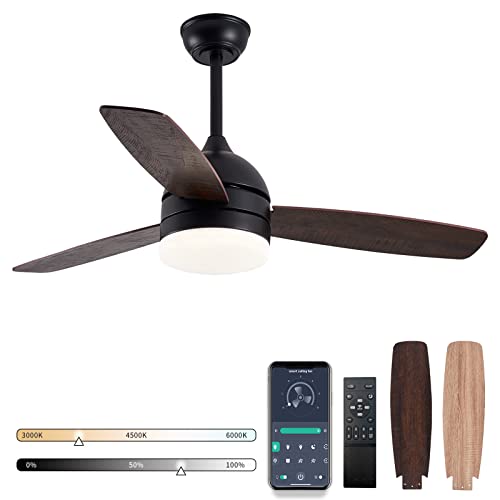
Which Way Should Ceiling Fan Be in Summer?

Which way should ceiling fan be in summer keeps popping up once the heat starts sticking to walls and every room feels stuffy by noon. A ceiling fan might seem simple, sure, but the blade direction changes everything. One setting creates a cooling breeze that makes a room feel lighter and more comfortable. The opposite setting? It can leave the air feeling oddly stale even while the fan spins overhead all day long.
Counterclockwise rotation usually delivers that cool wind-chill effect people actually want during summer. Standing under the fan should feel breezy, not like warm air is floating around aimlessly. Plenty of people forget to switch the direction after winter, though, and then wonder why their energy bill climbs while the room still feels muggy. Small adjustment. Big difference.
Air circulation matters more than raw speed in hot weather. Cranking the fan to maximum won't help much if the blades are pushing air upward instead of downward. That downward airflow creates the refreshing sensation that helps reduce dependence on constant AC use. Honestly, rooms with poor circulation can feel sticky even with cold air running nonstop.
Ceiling height also changes how effective a fan feels. Lower ceilings often work better with moderate speeds because overly aggressive airflow can feel harsh fast. Taller rooms usually need stronger circulation to keep cool air from hovering near the ceiling while the lower half of the room stays warm. It’s one of those details many homeowners overlook until summer heat becomes unbearable.
Blade angle, room size, and furniture placement quietly affect performance too. Heavy furniture can block airflow paths without people realizing it. Large open rooms usually need wider blade spans to circulate air evenly. Smaller bedrooms often feel more comfortable with compact fans that create steady airflow without overwhelming the space.
Humidity changes the entire experience as well. Hot weather feels worse when moisture hangs in the air and everything feels damp. A properly rotating ceiling fan helps evaporate sweat naturally, making the room feel cooler without touching the thermostat. That subtle comfort shift can make evenings far more relaxing after a brutal summer afternoon.
Noise becomes another frustration once fans run daily. Wobbling blades, loose screws, or dusty motor housings can turn nighttime cooling into an annoying distraction. Quiet airflow feels smoother and more comfortable, especially in bedrooms or home offices where constant humming quickly becomes irritating. Regular cleaning and balancing help prevent those problems before they spiral.
Energy efficiency often comes down to practical habits rather than fancy upgrades. Running a fan only while someone is in the room makes more sense because fans cool people, not empty spaces. Pairing proper fan direction with reasonable thermostat settings usually creates a far more comfortable environment without overworking cooling systems. Sometimes the simplest fix really is the smartest one.

- LFR Score9.4
LFR Score is a ranking system developed by lightfansreviews.com. LFR Score has no relationship or impact from any manufacturers or sales agent websites. Learn more
- BrandCiata

- LFR Score9.0
LFR Score is a ranking system developed by lightfansreviews.com. LFR Score has no relationship or impact from any manufacturers or sales agent websites. Learn more
- BrandFszdorj

- LFR Score8.8
LFR Score is a ranking system developed by lightfansreviews.com. LFR Score has no relationship or impact from any manufacturers or sales agent websites. Learn more
- BrandBell+Howell
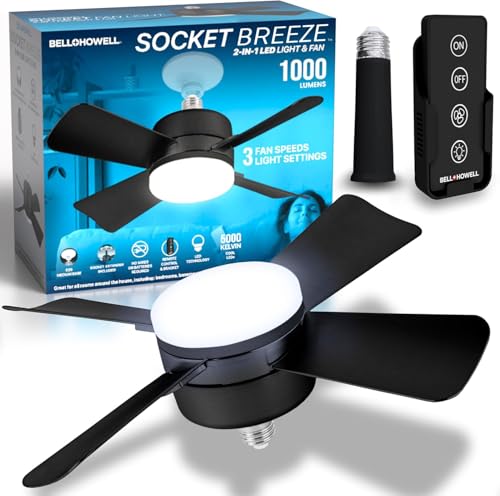
- LFR Score8.8
LFR Score is a ranking system developed by lightfansreviews.com. LFR Score has no relationship or impact from any manufacturers or sales agent websites. Learn more
- BrandBell+Howell

- LFR Score8.8
LFR Score is a ranking system developed by lightfansreviews.com. LFR Score has no relationship or impact from any manufacturers or sales agent websites. Learn more
- Brandaddlon

- LFR Score8.8
LFR Score is a ranking system developed by lightfansreviews.com. LFR Score has no relationship or impact from any manufacturers or sales agent websites. Learn more
- BrandGJeg

- LFR Score8.8
LFR Score is a ranking system developed by lightfansreviews.com. LFR Score has no relationship or impact from any manufacturers or sales agent websites. Learn more
- BrandAIKVSXER

- LFR Score8.6
LFR Score is a ranking system developed by lightfansreviews.com. LFR Score has no relationship or impact from any manufacturers or sales agent websites. Learn more
- BrandAmico
- LFR Score8.6
LFR Score is a ranking system developed by lightfansreviews.com. LFR Score has no relationship or impact from any manufacturers or sales agent websites. Learn more
- BrandASALL

- LFR Score8.2
LFR Score is a ranking system developed by lightfansreviews.com. LFR Score has no relationship or impact from any manufacturers or sales agent websites. Learn more
- BrandVTYXCTIGJ

- LFR Score8.2
LFR Score is a ranking system developed by lightfansreviews.com. LFR Score has no relationship or impact from any manufacturers or sales agent websites. Learn more
- Brandbestmoument
Last update on 2026-06-13 / Affiliate links / Images, Product Titles, and Product Highlights from Amazon Product Advertising API
Which Way Should Ceiling Fan Be In Summer
Sticky rooms have a way of making even a clean house feel uncomfortable, especially after the afternoon sun bakes the walls and the AC starts working overtime. The small switch on the fan body often gets ignored, yet which way should ceiling fan be in summer can decide whether the room feels breezy or oddly flat. A fan set the wrong way won’t ruin the day, but it can make cooling feel slower, weaker, and more expensive than it needs to be. The fix is simple: counterclockwise rotation creates the downward breeze that helps skin feel cooler.
Summer Fan Direction
A summer ceiling fan should spin counterclockwise when viewed from below. That direction pushes air downward and creates a direct breeze across your skin. The room temperature may not actually drop, but your body feels cooler because moving air helps sweat evaporate faster. That’s the whole trick behind summer fan direction.
A quick test works better than guessing from across the room. Stand under the fan while it runs at medium or high speed and feel for a steady breeze. If the air feels weak or seems to pull upward, the fan is probably set for winter. Switch the direction only after the blades stop, because safety beats rushing every single time.
The U.S. Department of Energy notes that using a ceiling fan can let you raise the thermostat by about 4°F without reducing comfort. That doesn’t mean the fan cools empty rooms. It means moving air cools people, so the fan earns its keep only while someone is actually there. Turn it off in empty spaces, and the savings story starts making more sense.
Summer comfort also depends on fan speed. Medium or high speed usually gives the best cooling effect in living rooms, kitchens, and bedrooms during hot weather. Low speed may feel too gentle unless the room is small or the ceiling is low. For stronger bedroom airflow without harsh turbulence, upgrade airflow planning with a powerful ceiling fan bedroom setup that matches the room size.
Why Counterclockwise Feels Cooler
Counterclockwise rotation creates a downdraft, which is the breeze people expect during summer. That breeze moves across your skin and helps heat leave the body faster. It’s the same reason a shady porch feels better with a fan, even though the air temperature hasn’t magically changed. Simple physics, thankfully, does some pretty useful household work.
The biggest mistake is treating a ceiling fan like a mini air conditioner. A fan doesn’t lower the actual air temperature. It improves comfort by moving air in the right direction at the right speed. That difference matters because running a fan all day in an empty room only adds a small amount of heat from the motor.
Humidity can make the wrong fan direction feel even worse. Damp air clings to skin and makes the room feel heavy, even with the thermostat set low. A proper downward breeze helps evaporation, so the space feels less sticky. That’s why air movement matters so much in bathrooms, bedrooms, and kitchens during muggy weather.
Blade pitch plays a quiet role too. Steeper blades can move more air, but they may also need a stronger motor to avoid strain. Flat or poorly angled blades may spin fast yet barely move enough air to matter. A good summer setup balances blade direction, speed, pitch, and room size instead of relying on speed alone.
Common Cooling Mistakes
The most common mistake is leaving the fan in winter mode after the cold season ends. Clockwise rotation on low speed is useful for moving warm air down gently during cooler months. In summer, though, that same setting can leave the room feeling stale. The fan is moving, sure, but it isn’t giving your body the breeze it needs.
Another problem is running the fan while blasting the AC without adjusting the thermostat. That habit feels normal, but it misses the main benefit of ceiling fan efficiency. Raise the thermostat slightly after the fan is set correctly and see whether the room still feels comfortable. Many homes get better results from that small tweak than from turning the fan into a full-time background prop.
Dusty blades also hurt comfort more than people expect. Dust adds weight, throws off balance, and can make the fan wobble or hum. A wobbly fan doesn’t just sound annoying; it can also move air unevenly. Clean blades support smoother airflow, quieter operation, and a room that feels calmer at night.
Remote controls can create another headache when the direction button isn’t obvious. Some fans use wall switches, some use remotes, and older models hide the reverse switch on the motor housing. Separately, if your home tech setup also needs cleaner control from the couch, compare a remote control raspberry pi option for a more practical media setup. Different problem, different tool, but the same idea applies: control should feel easy.
Room Size And Fan Speed
A small bedroom doesn’t need the same airflow as a vaulted living room. Too much speed in a compact room can feel aggressive, especially while sleeping. Too little speed in a large room barely moves air beyond the fan’s center line. The sweet spot depends on room size, ceiling height, and how the space is used.
Low ceilings usually call for careful speed choices. A fan that sits close to the head can feel choppy on high speed, especially above a bed or desk. Medium speed often feels better because it keeps cooling airflow steady without turning the room into a wind tunnel. Comfort should feel natural, not like paperwork is about to fly across the room.
Tall ceilings need stronger circulation because warm air collects up high and cool air can stay uneven near the floor. A longer downrod can help place the fan at a better working height. That placement helps the downdraft reach the people in the room instead of swirling around uselessly above them. Fan placement matters just as much as direction.
Furniture layout changes airflow too. Tall shelves, bunk beds, canopy frames, and bulky curtains can interrupt the breeze. Open pathways help air move across the room instead of bouncing into one corner. For summer comfort, think of the fan as part of the whole room, not a lonely fixture spinning overhead.
Thermostat Habits That Actually Help
A correctly spinning fan works best with a smarter thermostat habit. Set the fan to counterclockwise, feel the breeze, then raise the thermostat a bit instead of chasing a colder number. The goal is comfort, not bragging rights over a low setting. Your AC gets a little breathing room, and the room still feels livable.
Fans should run only in occupied rooms. That sounds obvious, but plenty of people leave them on all day because the house “feels cooler” in theory. A fan cools skin through air movement, not the sofa, not the hallway, and not an empty bedroom. That one habit protects energy efficiency without making daily life fussy.
Evening routines can make a noticeable difference. Close blinds before the room heats up, keep interior doors open where airflow helps, and use the fan before the space turns into a sauna. Once heat soaks into walls and furniture, cooling takes longer. Preventing heat buildup is easier than fighting it late at night.
Power outages and stormy nights can expose how much a household relies on airflow. Separately, to keep backup lighting simple during summer weather surprises, learn the right way to charge a coast flashlight before it gets tossed in a drawer and forgotten. Practical cooling and practical backup gear both come down to small habits that save frustration later.
Best Ceiling Fan Direction For Summer Cooling
Hot rooms can turn basic daily routines into a headache fast. Sleeping feels uncomfortable, kitchen heat lingers longer than it should, and some rooms somehow stay warm no matter how low the thermostat drops. A lot of that frustration circles back to airflow, especially if the ceiling fan spins the wrong direction during summer. The right setup creates steady airflow, better comfort, and a room that feels less heavy by late afternoon.
Why Some Rooms Still Feel Warm
A ceiling fan can run nonstop and still leave a room feeling uncomfortable if the airflow pattern is weak. Large sectionals, tall shelves, and blocked vents can interrupt circulation without people realizing it. Warm air settles into corners while cooler air struggles to move evenly across the room. That uneven circulation often creates hot spots that make the entire house feel less comfortable.
Bedrooms usually expose airflow problems first. One side of the room feels chilly while the bed area still feels sticky and warm. That issue gets worse if the fan hangs too high or the blades rotate clockwise during summer. Proper counterclockwise rotation helps spread airflow downward instead of trapping it near the ceiling.
Ceiling fans also lose efficiency when blades collect dirt over time. Dust buildup changes balance slightly, which affects airflow consistency and can create annoying wobbling. Small vibrations may not seem serious at first, but they often reduce the smooth breeze people expect at night. Cleaner blades support quieter performance and more stable circulation.
Fan speed settings matter more than many people think. Some rooms benefit from medium speed instead of maximum power because overly aggressive airflow can feel uncomfortable after hours of exposure. Larger workout spaces usually need stronger circulation to prevent heat from lingering during activity. For stronger airflow in exercise spaces, compare layouts with a best ceiling fan home gym setup that handles heat buildup more effectively.
How Ceiling Height Changes Airflow
Low ceilings and high ceilings create completely different airflow behavior. A fan mounted too close to the ceiling may struggle to circulate enough air downward during summer. On the flip side, a fan hanging too low can overwhelm a smaller room with harsh airflow. Balance matters more than raw power.
Vaulted ceilings create another challenge because warm air naturally rises and stays trapped higher up. Standard fans sometimes fail to push enough cool air back down into the living area. Longer downrods usually improve air distribution because they place the blades closer to where people actually sit and relax. That adjustment often changes the feel of a room almost immediately.
Small bedrooms benefit from smoother airflow rather than extreme speed. A fan spinning too aggressively above the bed can feel distracting instead of relaxing. Medium speed paired with the correct blade direction usually creates a more natural cooling effect. Good airflow should feel steady, not chaotic.
Dining rooms and open living areas often need wider blade spans for better coverage. Compact fans may look fine visually but struggle to move enough air across larger spaces. That mismatch leaves distant corners feeling warmer than the center of the room. Matching the fan size to the room improves overall comfort without needing excessive speed.
Simple Ways To Improve Fan Performance
Small maintenance habits can dramatically improve airflow without replacing the fan. Tightening loose screws helps reduce wobbling and prevents annoying rattling noises at night. Cleaning the blades every few weeks also improves balance and airflow efficiency. Dust may look harmless, but it quietly affects fan stability over time.
Blade alignment matters too. Slightly bent blades can create uneven airflow and extra noise, especially on higher speed settings. If one blade sits lower than the others, the fan may wobble even after cleaning. Consistent blade spacing supports smoother circulation and more comfortable airflow.
Older fans sometimes feel weak simply because the motor struggles after years of heavy use. Slow startup, humming sounds, or weak airflow may signal that the motor is wearing out. Some people assume the fan direction is wrong when the real issue comes from aging hardware. Basic maintenance helps, but eventually some fans simply lose performance.
Rooms that still feel stuffy after maintenance may benefit from stronger airflow settings. Compare airflow strategies and practical adjustments with guides about make ceiling fan faster techniques that improve circulation without making the room feel overly windy. Better airflow often comes from smarter setup rather than constant speed increases.
Humidity Problems During Summer
Humidity changes how heat feels inside a house. Dry heat feels uncomfortable, sure, but humid air sticks to skin and makes rooms feel heavier than the thermostat suggests. A properly rotating fan helps moisture evaporate faster from the skin, which creates a noticeable cooling sensation. That’s why summer airflow matters even when temperatures stay the same.
Bathrooms and kitchens usually hold humidity longer because steam and cooking heat linger in the air. Weak airflow traps that moisture near the ceiling and walls. Running the fan counterclockwise at medium or high speed helps move damp air more efficiently through the room. Better circulation creates a fresher and less sticky environment.
Closed curtains and blinds can also reduce indoor heat gain during the hottest hours of the day. Blocking direct sunlight prevents rooms from absorbing excess warmth in the first place. Pairing that habit with proper ceiling fan direction improves cooling efficiency without relying entirely on air conditioning. Small changes stack together faster than most people expect.
Carpeted rooms sometimes feel warmer because thick flooring traps heat longer than tile or hardwood. That doesn’t mean carpets are bad, but airflow becomes more important in those spaces. A steady downward breeze helps offset that trapped warmth and keeps the room feeling more balanced through the evening hours.
Nighttime Cooling Without Overworking The AC
Sleeping in a warm bedroom can feel miserable once the air becomes stale and motionless. A properly adjusted ceiling fan creates enough airflow to make the room feel cooler without forcing the thermostat lower and lower overnight. That gentle breeze often improves comfort faster than dropping the temperature several extra degrees. Good airflow creates better sleeping conditions without making the room icy cold.
Noise levels matter a lot during nighttime use. Loose blade screws, worn mounting brackets, and dusty motors can create clicking or humming sounds that become impossible to ignore in a quiet room. Smooth airflow should feel calm and consistent instead of distracting. Simple maintenance helps preserve quiet operation during long summer nights.
Fan placement over the bed also affects comfort. Airflow that hits directly at full speed can feel too aggressive after several hours. Medium speed usually creates a softer cooling effect that feels more natural while sleeping. Every room responds differently, so adjusting speed gradually tends to work better than blasting the highest setting immediately.
Temperature balance between rooms becomes easier once airflow improves throughout the house. Hallways, connected spaces, and open doors allow air to move more naturally between rooms instead of trapping warmth in isolated areas. Better circulation reduces that frustrating feeling where one room feels freezing while another still feels uncomfortable.
Signs Your Fan Setup Needs Attention
A fan that shakes heavily on high speed usually signals a balance problem. Ignoring that wobble can strain mounting hardware and make the noise worse over time. Most issues come from loose screws, uneven blade weight, or dirt buildup rather than serious damage. Quick maintenance often restores smoother airflow surprisingly fast.
Weak airflow despite high speed can point toward poor blade pitch or an aging motor. Some older fans simply move less air than newer designs, even if they still technically work. Running a weak fan harder doesn’t always improve comfort. Sometimes the airflow pattern matters more than raw speed.
Buzzing sounds may come from electrical connections or worn internal components. That noise tends to get louder during long summer use because the motor works harder in hot weather. Persistent buzzing shouldn’t be ignored, especially if the fan also feels hot near the motor housing. Safe operation matters more than squeezing out one extra season of use.
Rooms that constantly feel uncomfortable despite air conditioning often reveal airflow problems rather than cooling problems alone. Correct fan direction, balanced circulation, and proper speed settings usually improve comfort more than people expect. Small airflow adjustments can completely change how a room feels during peak summer heat.


Best Small Flush Mount Ceiling Fans 2026 Ultimate Picks

Best Smart Ceiling Fan India 2026 For Effortless Comfort

Best Smart Ceiling Fans with Lights for 2026: Top Picks

Best Smart Home Non Ceiling Fans 2026 For Ultimate Comfort

Best Outdoor Misting Ceiling Fan 2026 For Ultimate Comfort

Best Outdoor Ceiling Fans For Porch 2026 With Style And Breeze

Best Smart Bulb For Ceiling Fan 2026 That Brightens Life
Best Smart Ceiling Fan Control 2026 For Effortless Comfort