Which Way Should Ceiling Fan Be in Winter?

Which way should ceiling fan be in winter sounds like one of those tiny home questions people brush aside until the heating bill shows up. Then suddenly, every chilly corner, drafty hallway, and uneven room temperature becomes impossible to ignore. A ceiling fan spinning the wrong direction during colder months can push warm air away instead of helping it circulate where it actually matters. That little switch on the fan body changes more than most people expect.
Cold weather creates a frustrating pattern inside many homes. Heat rises, hangs near the ceiling, and leaves the lower half of the room feeling oddly cool even while the heater keeps running. So, instead of cranking the thermostat higher and watching energy costs creep up, adjusting the fan direction often helps balance the room naturally. A clockwise spin at low speed gently pulls cooler air upward while redistributing trapped warmth along the walls and back down into the living space.
Winter ceiling fan direction also affects comfort in ways people notice immediately. Nobody wants a strong breeze blowing across the couch while trying to relax under a blanket. That's why low speed matters just as much as rotation direction. The goal isn't wind chill. The goal is subtle air circulation that keeps warmth from collecting uselessly near the ceiling.
Many older homes struggle with inconsistent heating, especially rooms with vaulted ceilings or open layouts. Warm air tends to drift upward and stay there, leaving floors icy by morning. A properly adjusted fan helps reduce those temperature gaps without turning the room into a wind tunnel. Little changes like this can make bedrooms feel less stuffy upstairs while keeping downstairs areas more stable through the night.
Ceiling fan settings for winter become even more useful during holiday gatherings, movie nights, or long weekends indoors. More people inside a room create extra body heat, cooking heat, and uneven airflow. Without circulation, some areas feel too warm while others stay chilly. A slow clockwise fan keeps the room feeling balanced instead of patchy and uncomfortable.
People also overlook how dust and dry air behave during colder months. Forced-air heating systems often create stale conditions indoors. Gentle circulation helps reduce that heavy, stagnant feeling many rooms get during winter. It won't replace proper humidity control, of course, but it does help rooms feel fresher and less boxed in during long stretches indoors.
Which way should ceiling fan be in winter really comes down to comfort, efficiency, and smarter airflow. A small adjustment can help reduce unnecessary heating strain while keeping living spaces cozier day after day. Sometimes the simplest fixes are hiding in plain sight, quietly spinning overhead the whole time.

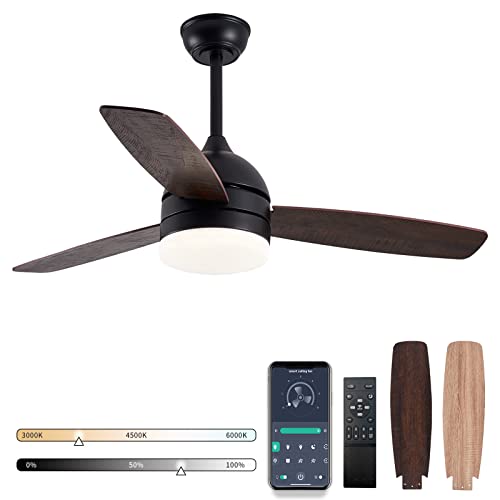
- LFR Score9.8
LFR Score is a ranking system developed by lightfansreviews.com. LFR Score has no relationship or impact from any manufacturers or sales agent websites. Learn more
- BrandGlowivia

- LFR Score9.4
LFR Score is a ranking system developed by lightfansreviews.com. LFR Score has no relationship or impact from any manufacturers or sales agent websites. Learn more
- BrandWZZIW

- LFR Score9.0
LFR Score is a ranking system developed by lightfansreviews.com. LFR Score has no relationship or impact from any manufacturers or sales agent websites. Learn more
- BrandFszdorj
- LFR Score9.0
LFR Score is a ranking system developed by lightfansreviews.com. LFR Score has no relationship or impact from any manufacturers or sales agent websites. Learn more
- BrandAsyko

- LFR Score8.8
LFR Score is a ranking system developed by lightfansreviews.com. LFR Score has no relationship or impact from any manufacturers or sales agent websites. Learn more
- BrandBell+Howell

- LFR Score8.8
LFR Score is a ranking system developed by lightfansreviews.com. LFR Score has no relationship or impact from any manufacturers or sales agent websites. Learn more
- BrandGJeg
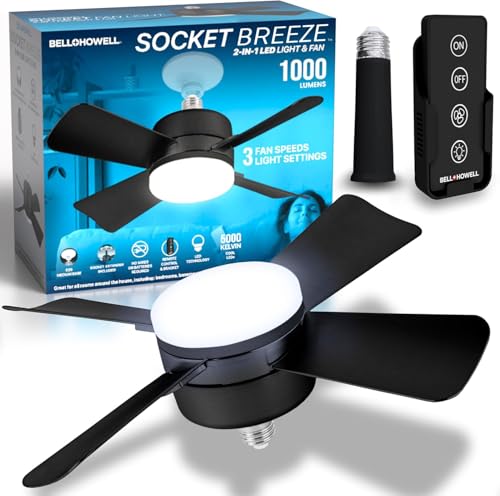
- LFR Score8.8
LFR Score is a ranking system developed by lightfansreviews.com. LFR Score has no relationship or impact from any manufacturers or sales agent websites. Learn more
- BrandBell+Howell

- LFR Score8.8
LFR Score is a ranking system developed by lightfansreviews.com. LFR Score has no relationship or impact from any manufacturers or sales agent websites. Learn more
- BrandAIKVSXER

- LFR Score8.6
LFR Score is a ranking system developed by lightfansreviews.com. LFR Score has no relationship or impact from any manufacturers or sales agent websites. Learn more
- BrandAmico
- LFR Score8.6
LFR Score is a ranking system developed by lightfansreviews.com. LFR Score has no relationship or impact from any manufacturers or sales agent websites. Learn more
- BrandASALL

- LFR Score8.4
LFR Score is a ranking system developed by lightfansreviews.com. LFR Score has no relationship or impact from any manufacturers or sales agent websites. Learn more
- BrandGoniyado
Last update on 2026-06-13 / Affiliate links / Images, Product Titles, and Product Highlights from Amazon Product Advertising API
Which Way Should Ceiling Fan Be In Winter
Cold rooms have a funny way of making a house feel more expensive than it should. The heater runs, the thermostat says everything is fine, yet your feet still feel like they found a drafty little cave. That’s where which way should ceiling fan be in winter becomes more than a random switch question. A ceiling fan set to clockwise rotation on low speed can help move trapped warm air down without creating that chilly breeze nobody asked for.
Winter Fan Direction
The right winter setting is usually clockwise while the fan runs on low speed. Stand under the fan and look up. If the blades move from left to right across the top, they’re usually spinning clockwise. That direction helps pull cooler air upward and gently push warmer ceiling air back down along the walls.
That small shift matters because warm air rises, then hangs out near the ceiling like it owns the place. In rooms with tall ceilings, open stairways, or poor insulation, that trapped warmth can leave the sitting area cooler than expected. A low clockwise spin helps break that layer apart without blasting air straight onto your skin. The trick is subtle movement, not a windstorm.
Speed matters just as much as direction. A ceiling fan spinning too fast in winter can create a wind-chill effect, which makes the room feel colder even if the temperature hasn’t changed. Low speed keeps the airflow soft and useful. Think of it as stirring soup gently instead of whipping it all over the stove.
Many people forget the fan has a seasonal job. Summer airflow should feel direct and cooling, but winter airflow should feel almost invisible. That’s the sweet spot. Clockwise fan direction helps support warmth, while the heater still does the heavy lifting.
Why Warm Air Gets Stuck
Rooms don’t heat evenly because air behaves in layers. The warmest air naturally moves upward, while the cooler, denser air stays closer to the floor. That’s why your face may feel comfortable while your toes complain. A ceiling fan set correctly helps reduce that temperature gap.
Homes with vaulted ceilings feel this problem more sharply. Heat can collect far above the living area, where it does almost nothing for comfort. The furnace may keep cycling because the main living zone still feels cool. Using a fan in winter mode helps bring some of that wasted warmth back into circulation.
Older homes can be even trickier. Drafts around windows, thin insulation, and uneven ductwork can make one room feel cozy while the next feels like a walk-in cooler. A fan won’t fix insulation problems, of course, but it can help spread heat more evenly. For rooms with stubborn cold spots, that’s a practical little win.
The U.S. Department of Energy notes that ceiling fans can improve comfort when used correctly, but they cool people rather than rooms during warm weather. Winter use flips the idea around by focusing on air mixing, not direct cooling. That difference is easy to miss, yet it’s the reason low speed and clockwise movement matter so much.
How To Check Your Fan Setting
Most ceiling fans have a small direction switch on the motor housing. You may need to stop the fan first, then slide the switch to reverse the blade direction. Some newer models use a remote or wall control instead. Either way, the goal is the same: clockwise rotation for winter.
A quick visual check helps. Stand below the fan and watch the blades after turning it on low. The movement should not push a strong breeze straight down onto your face or hands. If you feel a steady cooling draft, the fan may still be set for summer.
Safety matters here, especially with older fixtures or high ceilings. Turn the fan off before touching the direction switch, and wait until the blades fully stop. If the light fixture is giving you trouble during the same seasonal checkup, tackle stuck bulbs carefully and use a safe grip method. To avoid broken glass and scraped knuckles, rely on remove stuck light bulb tips before forcing anything loose.
Remote-controlled fans can be a little confusing because some remotes don’t label direction clearly. Look for buttons marked reverse, airflow, or fan direction. If the fan has a digital control, test it by watching the blades instead of guessing. Blade direction tells the truth faster than a tiny icon on a remote.
Comfort Without A Cold Draft
The best winter fan setting shouldn’t feel obvious. That sounds odd, but it’s true. If the fan is doing its job, the room simply feels more balanced, not breezy. Gentle circulation keeps warm air moving without making people reach for another blanket.
Living rooms often benefit the most because they mix different comfort problems in one space. A couch near an exterior wall may feel cooler than the center of the room. A fireplace, heater vent, or sunny window can create pockets of warmth. The ceiling fan helps smooth those little temperature battles so the room feels less patchy.
Bedrooms need a softer touch. A fan that feels fine during the day may feel annoying at night when you’re still and half-asleep. Low speed is the friend here. For better comfort during warmer months too, compare airflow needs with ceiling fan for cooling bedroom ideas so the same room doesn’t fight you season after season.
Noise can also affect whether people actually use the fan. A wobbly fan, loose blade bracket, or cheap motor hum gets old fast in a quiet room. Tightening screws and cleaning blades can reduce vibration. Quiet airflow matters because a winter fan should fade into the background, not become the soundtrack of the room.
Heating Bills And Realistic Savings
A ceiling fan won’t magically slash a heating bill by itself. That would be a stretch. The real benefit comes from helping a room feel warmer at a lower thermostat setting. Even a small thermostat adjustment can matter over a long heating season.
Energy agencies often point out that thermostat habits have a direct effect on heating costs. The practical takeaway is simple: better air circulation can make lower settings feel more comfortable. That doesn’t mean every home saves the same amount. Insulation, ceiling height, heating type, and local weather all change the outcome.
The biggest gains usually show up in rooms where heat clearly gathers overhead. Tall foyers, open-plan living rooms, lofts, and stair-connected spaces can waste warmth fast. A clockwise fan can help move that air back toward people instead of letting it sit uselessly near the ceiling. In a low-ceiling room that already heats evenly, the difference may be smaller.
Smart controls can help if the fan uses a remote or app-based system. Still, simple remotes sometimes get misplaced right when you need them. For a cleaner control setup in other tech-heavy spaces, explore remote control for keynote options if presentations, media rooms, or work setups also need smoother handling. Separate needs, separate tools, but the same idea applies: control should be easy enough that people actually use it.
Best Ceiling Fan Direction For Winter Heat
Some rooms never seem to settle into a comfortable temperature once winter hits hard. The heater kicks on, warm air rises fast, and somehow the floor still feels cold enough to make slippers mandatory. That’s why best ceiling fan direction for winter heat keeps becoming a seasonal question in homes with high ceilings, drafty corners, or uneven airflow. A properly adjusted fan can quietly help move warmth where people actually live instead of letting it collect near the ceiling all day.
Cold Spots Around The House
Winter cold spots usually show up in the same places every year. Bedrooms above garages, living rooms with tall windows, and hallways far from the thermostat tend to feel cooler no matter how long the furnace runs. A ceiling fan set to clockwise rotation helps redistribute trapped heat without creating direct airflow that feels uncomfortable.
Open-concept homes can make this even worse because warm air drifts upward and spreads unevenly across connected spaces. One side of the room feels cozy while another side feels strangely chilly. Low fan speed creates gentle circulation that keeps air moving without turning the room drafty. That softer movement often feels more natural than blasting hotter air from the heating system.
Ceiling height changes how noticeable the problem becomes. Standard eight-foot ceilings may only need occasional fan use, while vaulted ceilings can trap a massive amount of warmth overhead. In those taller spaces, the fan acts almost like a slow-moving bridge between the upper and lower air layers. Balanced room temperature matters more than extreme heat in one spot.
Window placement also plays a role. Large glass areas lose heat faster overnight, especially during windy weather. Rooms near entry doors and staircases often struggle too because moving air shifts warmth away from the living area. Ceiling fans help soften those temperature swings by keeping warm air circulating steadily instead of allowing hot and cold pockets to separate.
How Fan Blades Affect Airflow
Blade angle changes how efficiently the fan moves air through the room. Steeper blade pitches usually push more air, though they may create extra noise if the motor isn’t strong enough to support them properly. During winter, the goal isn’t aggressive airflow. Controlled circulation works better than overpowering speed.
Dust buildup on fan blades can quietly reduce performance over time. Dirty blades disrupt smooth airflow and sometimes create wobbling or vibration. A quick seasonal cleaning makes a noticeable difference, especially before switching fan direction for colder months. Nobody wants dust raining down onto the couch halfway through movie night.
Some older fans struggle because the blade balance shifts after years of use. Loose screws, warped blades, or weak mounting hardware can make the fan noisy at low speeds. Tightening components and checking alignment helps restore quieter operation. Stable blade movement matters because winter circulation should feel subtle, not distracting.
Lighting upgrades often happen during seasonal maintenance too. If the fan light starts flickering or the LED panel dims unevenly, handling both jobs together saves time later. For smoother installation steps and fewer wiring headaches, explore change ceiling fan led light guidance before pulling apart the fixture.
Why Low Speed Matters In Winter
People sometimes crank the fan speed higher thinking more airflow means more warmth. That usually backfires. Fast airflow creates a cooling sensation against the skin, which works great during summer but feels unpleasant in winter. Low-speed circulation keeps the room comfortable without creating a cold draft.
The best winter airflow often goes unnoticed at first. You don’t necessarily feel wind. Instead, the room gradually stops feeling uneven from floor to ceiling. That softer balance helps people stay comfortable longer without touching the thermostat every hour.
Sleeping areas especially benefit from slower fan settings. Strong airflow can dry out the air around the bed and create that annoying chilly feeling across exposed skin overnight. A low clockwise spin helps maintain circulation quietly while preserving warmth closer to the sleeping area. Gentle overnight airflow usually feels more relaxing than completely still air.
Noise also changes at higher speeds. Older fan motors may hum, click, or wobble once the speed increases beyond medium. Winter operation should feel calm and nearly invisible in the background. That softer performance helps the room stay cozy without adding another source of irritation.
Ceiling Fans And Fireplace Rooms
Fireplaces create a unique airflow challenge because most of the heat rises immediately after leaving the firebox. People sitting directly nearby feel warm while the rest of the room may stay cooler. A clockwise ceiling fan helps pull that heat outward and redistribute it more evenly through the space. Heat circulation becomes far more balanced instead of concentrated near the ceiling.
Wood-burning fireplaces can also dry out room air quickly. Gentle fan circulation prevents that heavy stagnant feeling without making the space uncomfortable. Running the fan too fast, though, may disrupt the cozy warmth people expect from a fireplace room. Slow and steady usually wins here.
Decor placement matters more than many realize. Large shelving units, tall curtains, or bulky furniture can block airflow paths around the room. Fans work best when air can move freely across walls and open spaces. Clear circulation paths improve the fan’s ability to redistribute warmth naturally.
Outdoor lighting around fireplace patios and entry areas also becomes more noticeable during darker winter evenings. Weak bulbs near doors or walkways can make outdoor spaces feel gloomy and less inviting. To improve visibility during colder months, compare best light bulb outdoor lamp post options that handle freezing temperatures more reliably.
Common Winter Fan Mistakes
The biggest mistake is forgetting to reverse the fan at all. Plenty of people leave the blades spinning counterclockwise year-round, then wonder why the room still feels drafty in winter. That summer setting pushes air downward directly onto people, creating a cooler sensation. Clockwise direction changes the airflow pattern completely.
Another common issue comes from using maximum speed during cold weather. Fast airflow may technically move heat around, but it also creates enough breeze to make the room feel cooler overall. Lower speeds create more comfortable circulation without fighting against the heating system. The fan should support warmth, not compete with it.
Ignoring maintenance creates problems too. Loose mounting brackets, wobbling blades, or dirty motors reduce efficiency and increase noise. Seasonal checks help the fan operate more smoothly throughout winter. Small maintenance habits usually cost less than replacing neglected components later.
Some homeowners shut ceiling fans off completely because they assume winter use wastes electricity. Ceiling fans actually use relatively little energy compared to heating systems. Used properly, winter fan settings can help support comfort without adding major energy costs. The key is moderation and proper airflow direction.
Rooms That Benefit Most
Living rooms with high ceilings usually show the clearest improvement after switching the fan direction. Heat naturally rises and gathers overhead in those larger spaces, leaving seating areas cooler than expected. A low clockwise fan helps circulate warmth downward along the room edges instead of letting it stay trapped near the ceiling. Better heat distribution becomes noticeable within a short time.
Second-story bedrooms often feel stuffy near the ceiling but chilly closer to the bed. Winter fan settings help smooth that imbalance out overnight. People who sleep hot may still prefer a little airflow, but aggressive fan speed can dry the room and create discomfort. Low circulation keeps the space steadier without overcooling it.
Finished basements can benefit too, though the effect differs slightly. Basement spaces tend to stay cooler overall, so the fan helps keep warm air moving instead of settling into isolated pockets near vents or heaters. Fans don’t replace proper insulation or heating, but they help support more consistent comfort. Steady airflow makes cold rooms feel less stubborn.
Home offices also benefit during long workdays. Sitting still for hours makes people more sensitive to cold feet and uneven temperatures. Gentle circulation keeps the room feeling more balanced without creating distracting drafts around the desk area. That subtle comfort shift often makes winter workspaces feel less draining through the afternoon.


Best Small Flush Mount Ceiling Fans 2026 Ultimate Picks

Best Smart Ceiling Fan India 2026 For Effortless Comfort

Best Smart Ceiling Fans with Lights for 2026: Top Picks

Best Smart Home Non Ceiling Fans 2026 For Ultimate Comfort

Best Outdoor Misting Ceiling Fan 2026 For Ultimate Comfort

Best Outdoor Ceiling Fans For Porch 2026 With Style And Breeze

Best Smart Bulb For Ceiling Fan 2026 That Brightens Life
Best Smart Ceiling Fan Control 2026 For Effortless Comfort