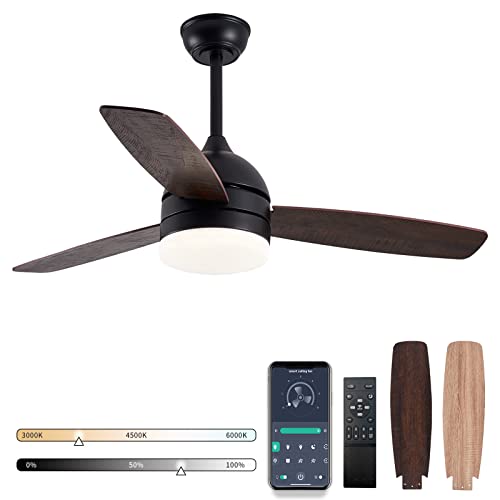
Which Way Should Ceiling Fans Blow in the Summertime?

Which Way Should Ceiling Fans Blow in the Summertime turns into a surprisingly frustrating question once the heat starts sticking to the walls and every room feels stuffy. Plenty of people flip the switch on their ceiling fan and still end up sweating through the afternoon because the blade direction isn’t helping airflow the way it should. A fan spinning the wrong way can push warm air around instead of creating that breezy, skin-cooling effect people actually want. That tiny detail changes how a bedroom sleeps at night, how a living room feels during movie time, and even how long the AC keeps running.
Counterclockwise rotation usually creates the cooling effect most people expect during summer months. The downward airflow pushes air across the skin, helping sweat evaporate faster and making rooms feel several degrees cooler without touching the thermostat. That’s the sweet spot many homeowners miss. Instead of blasting colder air nonstop, adjusting the fan direction often creates a more comfortable environment with less strain on the cooling system.
Air circulation matters more than people realize, especially in rooms with poor ventilation or heavy afternoon sunlight. Ceiling fans don’t actually lower room temperature, but wow, they sure can change how the space feels. A properly spinning fan keeps air moving consistently, which helps eliminate that stagnant, sticky sensation hanging in corners or upper levels of the house. Even kitchens and upstairs bedrooms tend to feel more bearable once the airflow starts working with the season instead of against it.
Blade pitch, ceiling height, and fan speed all influence how effective the cooling effect becomes. Low ceilings paired with aggressive fan speeds can feel like sitting under a wind tunnel, while oversized rooms may need stronger circulation to make any noticeable difference. Some people also overlook dust buildup on fan blades, which can reduce airflow efficiency and spread allergens around the room. A quick seasonal cleaning and direction check can honestly make the whole space feel refreshed.
Energy savings also sneak into the conversation more than expected. Running ceiling fans correctly during hot weather may help reduce reliance on constant AC usage, especially during evenings or milder summer days. That doesn’t mean fans replace cooling systems entirely, though. They work best as support tools that improve comfort while helping indoor air feel lighter and less suffocating.
Oddly enough, many fans include tiny direction switches hidden near the motor housing, and plenty of people never notice them for years. One flip changes everything. Rooms feel calmer, cooler, and easier to relax in without overthinking thermostat settings every hour. That simple adjustment often becomes one of those “Well, that explains a lot” household moments people wish they’d figured out sooner.

- LFR Score9.4
LFR Score is a ranking system developed by lightfansreviews.com. LFR Score has no relationship or impact from any manufacturers or sales agent websites. Learn more
- BrandCiata

- LFR Score9.2
LFR Score is a ranking system developed by lightfansreviews.com. LFR Score has no relationship or impact from any manufacturers or sales agent websites. Learn more
- BrandHoneywell

- LFR Score9.0
LFR Score is a ranking system developed by lightfansreviews.com. LFR Score has no relationship or impact from any manufacturers or sales agent websites. Learn more
- BrandFszdorj

- LFR Score8.8
LFR Score is a ranking system developed by lightfansreviews.com. LFR Score has no relationship or impact from any manufacturers or sales agent websites. Learn more
- BrandBell+Howell
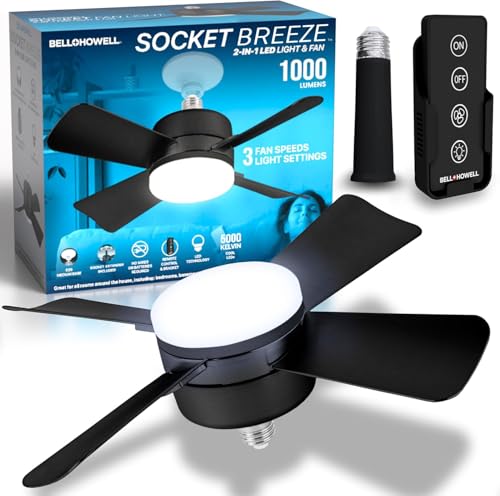
- LFR Score8.8
LFR Score is a ranking system developed by lightfansreviews.com. LFR Score has no relationship or impact from any manufacturers or sales agent websites. Learn more
- BrandBell+Howell

- LFR Score8.8
LFR Score is a ranking system developed by lightfansreviews.com. LFR Score has no relationship or impact from any manufacturers or sales agent websites. Learn more
- BrandGJeg

- LFR Score8.8
LFR Score is a ranking system developed by lightfansreviews.com. LFR Score has no relationship or impact from any manufacturers or sales agent websites. Learn more
- BrandAIKVSXER

- LFR Score8.8
LFR Score is a ranking system developed by lightfansreviews.com. LFR Score has no relationship or impact from any manufacturers or sales agent websites. Learn more
- Brandaddlon

- LFR Score8.6
LFR Score is a ranking system developed by lightfansreviews.com. LFR Score has no relationship or impact from any manufacturers or sales agent websites. Learn more
- BrandBionaire
- LFR Score8.6
LFR Score is a ranking system developed by lightfansreviews.com. LFR Score has no relationship or impact from any manufacturers or sales agent websites. Learn more
- BrandASALL

- LFR Score8.4
LFR Score is a ranking system developed by lightfansreviews.com. LFR Score has no relationship or impact from any manufacturers or sales agent websites. Learn more
- BrandCOMFORT ZONE

- LFR Score7.0
LFR Score is a ranking system developed by lightfansreviews.com. LFR Score has no relationship or impact from any manufacturers or sales agent websites. Learn more
- BrandPromounts
Last update on 2026-06-11 / Affiliate links / Images, Product Titles, and Product Highlights from Amazon Product Advertising API
Which Way Should Ceiling Fans Blow In The Summertime
Hot rooms have a sneaky way of wearing people down, especially after the sun has been baking the roof, windows, and upstairs walls all afternoon. A ceiling fan should make that space feel lighter and easier to live in, not just stir warm air around like soup in a pot. The practical answer to which way should ceiling fans blow in the summertime is simple: the blades should spin counterclockwise so they push air downward and create a steady cooling breeze. That breeze doesn’t lower the actual room temperature, but it helps skin feel cooler by improving air movement and comfort.
Summer Fan Direction
The easiest way to check fan direction is to stand directly below the fan while it runs on a medium or high setting. If you feel a clear breeze pressing downward, the fan is likely spinning counterclockwise, which is the preferred summer setting. If the air feels weak or seems to drift upward instead, the fan may still be set for cooler-weather circulation. That tiny switch near the motor housing can make a room feel noticeably different.
Counterclockwise blade movement works because it creates a wind-chill effect across the skin. The air doesn’t become colder, but sweat evaporates more easily, and that makes the body feel cooler. That’s why a fan can help a room feel more comfortable even when the thermostat stays at the same number. It’s not magic, just smart airflow direction.
Summer heat often feels worse in rooms with closed doors, low ceilings, poor insulation, or big windows facing afternoon sun. A fan spinning the right way keeps the air from sitting still and turning heavy. The difference can be especially noticeable in bedrooms, home offices, and family rooms where people stay put for long stretches. Moving air keeps those spaces from feeling stale and sticky.
Some ceiling fans make the direction switch obvious, while others hide it above the blades or near the light kit. Newer fans may use a remote, wall control, or app setting instead of a physical switch. Turn the fan off completely before changing direction, because flipping the switch while the blades are moving can be rough on the motor. A quick seasonal check saves a lot of sweaty guessing later.
Why Downward Airflow Feels Cooler
Downward airflow matters because comfort depends on how air moves across your body, not only on the number showing on the thermostat. A room can read 76 degrees and still feel muggy if the air is still. Once the fan pushes air downward, the space feels more breathable and less boxed in. That’s why ceiling fans are so helpful during sticky afternoons and warm nights.
The U.S. Department of Energy notes that using a ceiling fan can let people raise the thermostat by about 4 degrees Fahrenheit without reducing comfort, as long as the fan is creating that cooling effect. That doesn’t mean everyone should immediately crank the thermostat higher and call it a day. It means the fan can support the air conditioner when the room is occupied. The real benefit comes from pairing fan direction with sensible cooling habits.
Think of it like sitting outside under a shaded porch. The air temperature may not change, but a breeze makes the heat easier to handle. Indoors, a counterclockwise ceiling fan creates a similar effect by moving air across skin, arms, face, and neck. That’s the part people feel right away, especially after walking in from a hot driveway or stuffy garage.
Fans should be turned off in empty rooms because they cool people, not rooms. Leaving a fan running with nobody there only uses electricity without creating comfort for anyone. That little habit matters in homes where several fans run all day by default. Occupied-room use keeps the benefit practical instead of wasteful.
Common Fan Mistakes During Hot Weather
The most common mistake is running the fan in the winter direction without realizing it. A clockwise setting usually pulls air upward, which helps redistribute warm air during cooler months. In summer, though, that same airflow can feel weak or oddly unhelpful. Wrong-direction spinning makes people blame the AC, the fan size, or the room itself.
Another issue is using the highest speed all the time, even in small rooms. Strong airflow feels great for a few minutes, but it can become annoying while reading, working, or sleeping. Medium speed often gives a better balance of cooling comfort, noise control, and steady circulation. A fan should feel refreshing, not like it’s trying to blow papers off the desk.
Dusty blades also reduce the quality of airflow. Dust buildup may seem harmless, but it can add drag, wobble, and uneven movement over time. Worse, it can send fine particles into the air each time the fan starts spinning. A clean fan blade gives smoother air circulation and keeps the room feeling fresher.
Room size matters too. A small fan in a wide living room may not move enough air to make the seating area comfortable. A large fan in a tight bedroom can feel too aggressive unless it has useful speed control. For hotter patios, sunrooms, or large open spaces, compare outdoor ceiling fans hot climates to keep airflow practical where heat hangs around longer.
Room Size And Fan Speed
Fan speed should match the room, the ceiling height, and what people are doing inside the space. A bedroom at night usually needs gentler airflow than a kitchen after cooking dinner. A living room with tall ceilings may need a stronger setting to push air down far enough. Matching speed to the situation keeps comfort steady without creating noise fatigue.
Low speed works well for mild summer evenings or rooms where the AC already keeps things comfortable. Medium speed suits most everyday situations, especially bedrooms, offices, and dining areas. High speed helps during peak afternoon heat, after exercise, or while cooking near a warm stove. The best setting is the one that creates a noticeable cooling breeze without making the room feel chaotic.
Ceiling height changes the way airflow feels. Standard ceilings usually respond well to medium-speed counterclockwise airflow. Higher ceilings may need a longer downrod so the fan can move air closer to the occupied zone. Without proper placement, even a correctly spinning fan may feel disappointingly weak.
Furniture placement can block airflow in subtle ways. Tall shelving, bunk beds, large light fixtures, or bulky canopy frames may interrupt the breeze before it reaches people. That doesn’t mean the fan is useless, but it may need a speed adjustment or better placement in future upgrades. Clear airflow paths help the fan do its job without extra effort.
Thermostat Habits That Pair Well
A ceiling fan works best as a comfort partner for the AC, not as a full replacement during brutal heat. Raising the thermostat slightly while using a fan can reduce cooling demand without making the room feel stuffy. The trick is keeping the fan set to counterclockwise summer rotation so the breeze actually reaches your skin. Without that downward airflow, the thermostat change may feel like a punishment.
Evening routines can benefit a lot from smarter fan use. After sunset, some rooms hold heat in walls, carpets, and furniture even after outdoor temperatures drop. Running the fan while the room is occupied helps break up that stored warmth and makes the space feel less heavy. It’s a simple fix for that “why is this room still hot?” feeling.
Bedrooms need special attention because sleep gets messy fast in warm, stagnant air. A fan on medium or low can create enough movement to reduce clamminess without drying out eyes or making noise unbearable. People who sleep hot may prefer a stronger setting for the first hour, then lower it later. Comfort timing matters more than leaving one speed on all night.
Smart thermostats and ceiling fans can work together, but the basics still matter. A fancy schedule won’t fix a fan spinning the wrong way. Start with blade direction, then adjust temperature and speed based on how the room feels while occupied. Practical comfort beats gadget overload every single time.
Airflow In Bedrooms And Living Rooms
Bedroom airflow should feel gentle, steady, and quiet enough to sleep through. A counterclockwise fan helps move air across the bed, but the speed may need dialing back if the breeze hits too directly. Some people love that cool rush; others wake up with dry eyes or a stiff neck. The right setup depends on bed position, ceiling height, and personal comfort.
Living rooms often need broader circulation because people sit in different spots. One person on the couch may feel the breeze, while someone in a corner chair feels nothing. In those spaces, a larger fan or higher speed may be needed to spread downward airflow across the seating area. Ceiling fans with wider blade spans usually handle open rooms better than compact models.
Kitchens are a little trickier. A strong fan can help reduce the heavy feeling after cooking, but it may also push heat, steam, or odors into nearby rooms if ventilation is poor. Use the range hood first, then let the ceiling fan help circulate the leftover warmth. That keeps the fan from spreading the very stuff you’re trying to clear out.
Separately, household comfort sometimes overlaps with pest control and sanitation concerns during hot months. To address mattress and fabric pest issues, compare uv light for bed bugs only as a separate tool, not as a ceiling fan solution. A fan improves air movement, while UV devices serve a very different purpose. Mixing those jobs together only creates false expectations.
Signs Your Fan Is Set Wrong
A wrong summer setting usually feels obvious once you know what to watch for. The fan runs, the blades move, but the room still feels oddly still beneath it. You may hear motor noise without feeling much air on your skin. That’s a strong clue the fan direction needs a quick check.
Another sign is uneven comfort across the room. The ceiling area may feel active, but the sitting or sleeping area doesn’t get a real breeze. In summer, air should move downward enough that you can feel it directly below the fan. If the breeze disappears at body level, the rotation, speed, or fan height may be working against you.
High energy bills can also hint at poor fan habits, though they’re never proof by themselves. People often lower the thermostat because rooms feel hot, while the ceiling fan quietly spins in the wrong direction. Fixing the fan won’t solve every cooling problem, especially with poor insulation or old AC equipment. Still, correct fan direction is one of the cheapest comfort checks around.
Wobbling, rattling, or uneven speed can make the fan feel less effective too. Loose screws, dusty blades, warped brackets, or poor installation can disturb smooth airflow. A fan that shakes badly should be inspected before relying on it through the summer. Comfort is nice, but safe operation comes first.
Why Ceiling Fans Do Not Cool Empty Rooms
A ceiling fan cools people by moving air across skin, not by removing heat from the room. That difference matters because many households leave fans running out of habit. The room may feel active when you walk in, but the actual temperature usually hasn’t dropped. Air movement helps only when someone is there to feel it.
This is why turning fans off in empty rooms makes sense. The fan motor still uses electricity, even if it uses far less than an air conditioner. Running several fans all day can add up, especially during long summer stretches. A simple off-switch habit keeps energy use tied to real comfort.
There are a few exceptions where temporary fan use can help with air mixing after cleaning, cooking, or opening windows. Even then, the fan is moving air, not cooling the room by itself. Once the space is empty and the air feels balanced, leaving it on usually doesn’t add much value. Practical use beats set-it-and-forget-it thinking.
Pet areas deserve a little nuance. A fan may help air feel less stagnant around a dog bed, crate area, or sunny room, but pets still need shade, water, and safe temperatures. A ceiling fan can’t protect an animal from dangerous indoor heat on its own. For separate animal recovery and comfort topics, explore red light therapy for horses as its own care category, not a substitute for cooling basics.
How Ceiling Fan Direction Keeps Summer Rooms Cooler
Sticky air gets old fast, especially in rooms that look comfortable but feel heavy the second you sit down. A fan can be spinning all day and still fail the room if the blade direction, height, and speed aren’t working together. The right setup for which way should ceiling fans blow in the summertime keeps airflow moving downward, spreads cooling comfort across the occupied space, and helps the AC feel less overworked. Small adjustments make a bigger difference than most people expect.
Match Blade Direction To Real Room Conditions
A fan set to counterclockwise rotation should push air down strongly enough that you can feel it while standing below the blades. That breeze is the whole point during hot weather, because it helps the body feel cooler even though the room temperature itself may stay the same. If the airflow feels soft, scattered, or mostly trapped near the ceiling, the fan may be spinning the wrong way or sitting too high. A quick direction check beats guessing with the thermostat every afternoon.
Room conditions can change the result, though. A sunny bedroom with thick curtains, a low ceiling, and poor insulation won’t feel the same as a shaded living room with open airflow. Fan direction still matters, but so do speed, blade size, furniture layout, and where people actually sit or sleep. Treat the fan like part of the room’s comfort system, not a decoration that happens to move.
Ceiling height deserves special attention because even a correctly spinning fan can feel weak if it hangs too close to the ceiling. Air needs enough space above and below the blades to move smoothly. For rooms with taller ceilings, measure carefully and use how long downrod ceiling fan guidance to keep the fan at a practical height instead of letting the breeze disappear overhead. The right downrod length helps downward airflow reach people instead of swirling around unused ceiling space.
Low ceilings create the opposite problem. A fan mounted too low can feel aggressive, noisy, or distracting, especially over a bed or small dining table. Flush-mount fans may work better in compact rooms, but they still need proper blade direction and enough clearance to move air. Safe spacing and steady circulation matter just as much as raw fan speed.
Use Speed Settings With A Little Common Sense
High speed sounds tempting during a heat wave, but it isn’t always the most comfortable setting. Strong airflow can feel great after yard work or cooking, then annoying once you’re trying to read, sleep, or watch TV. Medium speed often gives the best mix of cooling breeze, lower noise, and less paper-flying chaos. The room should feel refreshed, not like a porch during a storm.
Low speed has its place too. Mild evenings, air-conditioned bedrooms, and rooms with sensitive sleepers often feel better with softer circulation. A gentle downward breeze can prevent stale air without drying out eyes or making blankets flap around. That setting also helps keep comfort steady while the AC cycles on and off.
Large rooms usually need more airflow than small ones, but bigger isn’t always better if the fan is poorly placed. A wide living room with one small fan may leave corners feeling untouched, while a powerful fan in a tiny bedroom can feel too intense. Blade span, motor strength, and room layout all influence how much air reaches the spots where people actually spend time. Practical comfort comes from matching the fan to the room, not just turning everything up.
Noise is another clue. A fan that hums, clicks, or wobbles on higher speeds may need cleaning, tightening, balancing, or repair. Don’t ignore that stuff just because the room feels hot. A steady fan creates smooth airflow, while a struggling fan creates distraction and uneven movement. Fix the mechanical basics before judging the fan’s cooling ability.
Pair Ceiling Fans With Smarter AC Habits
A ceiling fan helps the AC feel more effective because moving air makes people feel cooler at the same thermostat setting. That’s where summer savings can sneak in without making the house uncomfortable. Raising the thermostat slightly while using counterclockwise fan direction can reduce cooling demand during occupied hours. The key word is occupied, because fans cool people, not empty rooms.
Bedrooms often benefit from a staged approach. Run the fan a bit stronger while the room is warm, then lower the speed once the space feels settled. This keeps sleep comfort from turning into a cold draft at 3 a.m. It also avoids the common habit of dropping the thermostat too low just to fix one stuffy room.
Living rooms call for a slightly different rhythm. People move around, sit in different spots, and generate heat from lights, electronics, and shared activity. A fan on medium or high can help spread cool airflow across the space without forcing the AC to chase every warm pocket. That’s especially useful during busy evenings when doors open, kids run through, and the room never quite stays still.
Empty rooms should not get endless fan time. Leaving the fan running all day may feel like preparation, but it doesn’t remove heat the way an air conditioner does. Once nobody is there to feel the breeze, energy use becomes the main result. Turn fans off as you leave, then restart them when the room is being used again.
Fix Hot Spots Without Overworking The Fan
Hot spots usually show up near windows, upstairs rooms, vaulted ceilings, and spaces with poor cross-ventilation. A ceiling fan helps, but it can’t overcome every heat source by itself. Sun control, curtain use, insulation gaps, and air leaks all affect how hard the fan has to work. If a room bakes all afternoon, airflow alone may only take the edge off.
Window coverings can make the fan feel more effective because they reduce the heat load before air starts moving. Light-blocking curtains, shades, or exterior awnings help keep surfaces from heating up in the first place. Then the fan circulates air that feels less punishing. That combo gives summer comfort a much better shot.
Bathrooms and vanity areas can feel muggy for a different reason: trapped humidity. Ceiling fans don’t replace exhaust fans, but nearby airflow and smart lighting choices can make a space feel less cramped and sticky after showers. For a style upgrade that still keeps a breezy room vibe, use bathroom sconces coastal feel as a separate design move alongside practical ventilation. The fan handles air movement, while the sconces handle lighting and mood.
Furniture can block airflow more than people think. Tall shelves, canopy beds, oversized light fixtures, and room dividers may interrupt the breeze before it reaches seating areas. Move what you can, then test the fan again from the spots where people sit, work, or sleep. Real comfort testing happens at body level, not by staring at the blades from across the room.
Keep Blades Clean And Balanced
Dusty fan blades are more than a cosmetic problem. Dust adds drag, spreads particles, and can make airflow feel uneven as the fan speeds up. A clean blade cuts through air more smoothly and keeps the room feeling fresher. Blade maintenance is one of the easiest summer comfort fixes.
Clean the top and bottom of each blade, not just the visible edge. Dust collects where people don’t look, then flies off once the fan starts running faster. A pillowcase trick works well because it traps dust instead of dropping it onto the bed or floor. That small routine supports cleaner circulation without turning fan care into a whole project.
Balance matters too. A wobbling fan wastes motion, creates noise, and may feel less effective even if the direction is correct. Check screws, blade brackets, and mounting hardware if the fan shakes at normal speeds. Stable rotation keeps airflow consistent and reduces wear on the motor.
Older fans may need more attention before summer heat peaks. Pull chains can stick, remotes can lose sync, and direction switches can get stiff from years of dust and little use. Don’t force a stuck switch while the fan is moving. Turn it off, let the blades stop fully, then adjust the summer rotation safely.
Know What Ceiling Fans Cannot Fix
A ceiling fan can’t repair poor insulation, undersized AC equipment, or direct sunlight pouring through bare windows. It can make people feel cooler, but it won’t remove humidity or lower indoor temperature by itself. That limit matters because unrealistic expectations lead to frustration. Airflow support works best alongside shade, ventilation, and sensible cooling habits.
Humidity can make a correctly spinning fan feel less satisfying. Moving damp air still helps sweat evaporate, but the effect may be weaker in muggy rooms. Bathrooms, laundry areas, and poorly ventilated basements need moisture control first. A ceiling fan can help air feel less stagnant, but humidity reduction usually needs ventilation, AC, or a dehumidifier.
Outdoor spaces have their own limits. A covered patio fan can make sitting outside more tolerable, but it won’t beat direct sun, trapped heat, or wind blowing the wrong direction. Outdoor-rated fans also need materials built for moisture and temperature swings. Location fit matters because indoor fans aren’t made for outdoor stress.
Pets, kids, and older adults may feel airflow differently. A breeze that feels perfect to one person may feel too strong or too chilly to someone else. Use adjustable speeds and avoid aiming intense airflow directly at resting spots for long periods. Comfort control should feel flexible, not one-size-fits-all.
Build A Simple Summer Fan Routine
Start the season by checking every ceiling fan in the house. Confirm counterclockwise rotation, clean the blades, test each speed, and listen for wobble or clicking. This short routine prevents the classic summer problem of running fans that barely help. A few minutes per room can save weeks of irritation.
Set daytime habits around occupied spaces. Use fans in the rooms people are actually using, then turn them off when everyone leaves. Pair medium fan speed with a reasonable thermostat setting instead of dropping the AC every time a room feels warm. That balance supports cooling comfort without wasting energy.
Adjust at night instead of locking into one setting. Bedrooms may need stronger airflow at bedtime and gentler airflow after the room cools down. A remote or wall control makes this easier, especially for fans over beds. Flexible speed control keeps comfort from swinging between stuffy and drafty.
Recheck direction after power outages, remote resets, cleaning, or seasonal maintenance. Some fans can accidentally get switched back, especially in homes where different people use the controls. The moment a room starts feeling strangely heavy again, look up before blaming the AC. Correct summer airflow is still one of the simplest fixes hiding in plain sight.


Best Small Flush Mount Ceiling Fans 2026 Ultimate Picks

Best Smart Ceiling Fan India 2026 For Effortless Comfort

Best Smart Ceiling Fans with Lights for 2026: Top Picks

Best Smart Home Non Ceiling Fans 2026 For Ultimate Comfort

Best Outdoor Misting Ceiling Fan 2026 For Ultimate Comfort

Best Outdoor Ceiling Fans For Porch 2026 With Style And Breeze

Best Smart Bulb For Ceiling Fan 2026 That Brightens Life
Best Smart Ceiling Fan Control 2026 For Effortless Comfort