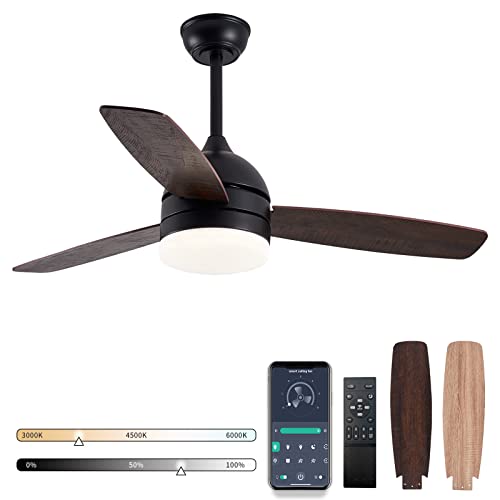
Which Way Should Ceiling Fans Blow in the Winter?

Which way should ceiling fans blow in the winter sounds like one of those tiny household questions people ignore until the heating bill suddenly looks ridiculous. Then the cold corners start creeping in, the upstairs rooms feel stuffy, and somebody ends up wrapped in a blanket while the thermostat keeps climbing. Funny enough, the fan hanging overhead often fixes part of the problem without requiring expensive upgrades or complicated changes. A simple blade direction adjustment can help push trapped warm air back into the room where it actually belongs.
Winter airflow works differently than summer airflow, and plenty of people mix them up. Fast-moving blades might feel refreshing in July, but winter comfort depends on gentle circulation instead of a direct breeze. That’s why clockwise ceiling fan rotation matters during colder months. The softer upward pull redistributes rising heat near the ceiling while keeping the room cozy instead of drafty.
Rooms with tall ceilings usually expose the problem faster. Heat naturally drifts upward, leaving floors cooler even while the heater keeps running nonstop. Nobody wants to pay for warm ceilings while sitting in a chilly living room, right? Using the proper winter ceiling fan direction helps balance temperatures more evenly and reduces that annoying hot-and-cold feeling from one side of the room to another.
Older homes especially benefit from steady air circulation. Drafty windows, uneven insulation, and awkward room layouts can create frustrating temperature swings throughout the day. Ceiling fans won’t magically solve every heating issue, but they absolutely help improve airflow consistency. That subtle circulation often makes a room feel noticeably more comfortable without cranking the heat another few degrees.
Noise and speed settings matter too, and honestly, this part gets overlooked all the time. Winter fan settings should stay low and smooth rather than spinning aggressively overhead. A gentle rotation avoids creating a cold breeze while still moving trapped heat downward. Small adjustments like this may seem minor at first, yet they can quietly improve everyday comfort during long winter nights.
Energy savings also sneak into the conversation pretty quickly. Heating systems work harder when warm air sits unused near the ceiling, especially in larger rooms or open floor plans. Proper fan direction helps the room maintain warmth more efficiently, which may reduce how often the furnace cycles on and off. That steady temperature balance creates a more relaxed indoor environment instead of constant thermostat battles.
Comfort isn’t only about temperature either. Stale indoor air tends to feel heavy during winter because windows stay shut for longer stretches. Gentle fan circulation keeps air from feeling trapped or stuffy without creating the harsh cooling effect people associate with summer fans. A well-adjusted ceiling fan quietly supports a warmer, calmer atmosphere while the cold weather rages outside.
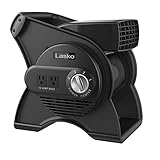
- LFR Score9.4
LFR Score is a ranking system developed by lightfansreviews.com. LFR Score has no relationship or impact from any manufacturers or sales agent websites. Learn more
- BrandLasko
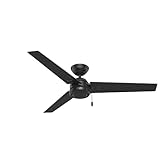
- LFR Score9.2
LFR Score is a ranking system developed by lightfansreviews.com. LFR Score has no relationship or impact from any manufacturers or sales agent websites. Learn more
- BrandHunter

- LFR Score9.2
LFR Score is a ranking system developed by lightfansreviews.com. LFR Score has no relationship or impact from any manufacturers or sales agent websites. Learn more
- BrandProminence Home

- LFR Score9.0
LFR Score is a ranking system developed by lightfansreviews.com. LFR Score has no relationship or impact from any manufacturers or sales agent websites. Learn more
- BrandFszdorj

- LFR Score9.0
LFR Score is a ranking system developed by lightfansreviews.com. LFR Score has no relationship or impact from any manufacturers or sales agent websites. Learn more
- BrandBevenus

- LFR Score8.8
LFR Score is a ranking system developed by lightfansreviews.com. LFR Score has no relationship or impact from any manufacturers or sales agent websites. Learn more
- BrandBell+Howell
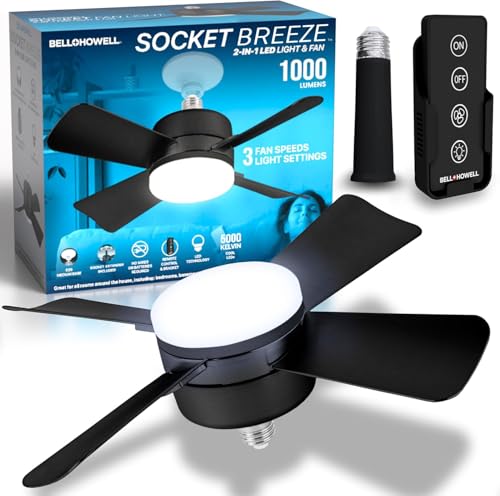
- LFR Score8.8
LFR Score is a ranking system developed by lightfansreviews.com. LFR Score has no relationship or impact from any manufacturers or sales agent websites. Learn more
- BrandBell+Howell

- LFR Score8.8
LFR Score is a ranking system developed by lightfansreviews.com. LFR Score has no relationship or impact from any manufacturers or sales agent websites. Learn more
- BrandSPEVCH

- LFR Score8.8
LFR Score is a ranking system developed by lightfansreviews.com. LFR Score has no relationship or impact from any manufacturers or sales agent websites. Learn more
- BrandGJeg

- LFR Score8.8
LFR Score is a ranking system developed by lightfansreviews.com. LFR Score has no relationship or impact from any manufacturers or sales agent websites. Learn more
- Brandaddlon

- LFR Score8.4
LFR Score is a ranking system developed by lightfansreviews.com. LFR Score has no relationship or impact from any manufacturers or sales agent websites. Learn more
- BrandGaneed
Last update on 2026-06-13 / Affiliate links / Images, Product Titles, and Product Highlights from Amazon Product Advertising API
Which Way Should Ceiling Fans Blow In The Winter
Cold floors, warm ceilings, and a thermostat that never seems satisfied can make winter comfort feel like a guessing game. The fix often sits right above the room, quietly ignored until the heating bill starts biting. For which way should ceiling fans blow in the winter, the practical answer is clockwise at low speed, because that setting helps move trapped warm air back into the living space without creating a chilly breeze.
Winter Fan Direction
Clockwise rotation is the winter setting most homes need, especially in rooms where heat collects near the ceiling. Stand below the fan, look up, and check whether the blades move like the hands of a clock. That motion creates a gentle updraft, pulling cooler air upward and nudging warmer air outward and down along the walls. Done right, the room feels more balanced instead of breezy.
The speed matters just as much as the direction. A ceiling fan running too fast in winter can make skin feel cooler, which defeats the whole point. Keep it on low speed so the airflow stays soft and steady. The goal isn’t wind, it’s warm air circulation.
Many people leave fans off once temperatures drop, and honestly, that’s understandable. Fans feel like summer tools because they create a cooling effect when air moves directly across your skin. Winter use works differently, though. A reversed fan helps manage heat stratification, which is just the fancy way of saying warm air gets stuck upstairs while your feet stay cold.
Energy Saver guidance from the U.S. Department of Energy notes that ceiling fans can support comfort when used with the right seasonal setting. The common winter advice is simple: reverse the fan to clockwise and use a low speed to circulate warm air from the ceiling back toward the room. That small adjustment won’t replace insulation or a healthy heating system, but it can help the room stop feeling so uneven.
Why Warm Air Gets Stuck
Warm air rises, and winter makes that little physics lesson painfully obvious. Sit in a living room with a tall ceiling and you may feel chilly near the sofa while the upper half of the room holds the heat you paid for. That’s frustrating because the heater is doing work, but the comfort isn’t landing where people actually sit. A ceiling fan helps redirect that wasted warmth.
Vaulted ceilings, stairwells, and open floor plans usually make the issue worse. Heat climbs, spreads, and parks itself overhead while lower areas remain cooler. So the thermostat may call for more heat even though the room already contains plenty of warmth. Using the correct winter ceiling fan direction helps mix those layers more gently.
Older homes can feel especially moody in winter. Drafty windows, uneven insulation, and room additions often create hot and cold pockets. A fan won’t patch gaps or seal a leaky attic, but steady air movement can reduce the sharp temperature swings that make a room feel uncomfortable. That’s a useful win without tearing into walls.
Comfort depends on where the warmth sits, not just what number shows on the thermostat. A room set to 70 degrees can still feel chilly if warm air stays above head level. That’s why air distribution matters so much. Better circulation helps the room feel calmer, less stuffy, and less patchy.
Low Speed Beats High Speed
Low speed is the sweet spot for winter fan use because it moves air without creating a draft. A high setting may push too much air across the room and make people reach for a blanket. That feels backward, especially after paying to heat the space. Slow rotation keeps the benefit without the bite.
A good winter fan setup should feel almost invisible. You shouldn’t feel a strong breeze blowing straight down onto your face or shoulders. Instead, the room should feel more evenly warmed after a bit of circulation. That’s the difference between comfort airflow and annoying wind.
Bedrooms need extra care because moving air can feel colder while sleeping. Run the fan at the lowest setting and check whether the bed area feels drafty. If it does, reduce runtime or turn the fan off once the room evens out. Quiet, gentle circulation should help sleep, not make the blankets work overtime.
Remote-controlled fans make this easier because direction and speed changes don’t require dragging out a chair or ladder. For a cleaner setup across media rooms, bedrooms, and shared spaces, simplify daily controls with remote control for multiple devices so fan habits don’t become another household hassle. Convenient control matters because the best setting only helps if people actually use it.
Thermostat Battles
Thermostat fights usually start because one person feels cold while another thinks the room is fine. Uneven air is often the sneaky culprit. Warm air sits high, cool air lingers low, and everyone blames the heating system. A clockwise fan can make the room feel less divided.
Turning up the heat is the obvious move, but it’s not always the smartest one. Extra heat costs money, and it may only make the ceiling warmer if airflow stays stagnant. Better circulation helps the warmth already in the room reach the areas where people sit, work, and relax. That’s why winter fan direction can reduce constant thermostat fiddling.
Energy experts often explain ceiling fans as comfort tools rather than temperature machines. A fan doesn’t create heat in any meaningful way for the room. It changes how air moves, and that movement affects how warm the space feels. The key phrase is redistribute heat, not magically heat the room.
Smart thermostats and ceiling fans can work together, but they still need common sense. If the fan creates a draft, comfort drops and people raise the heat anyway. If it runs slowly in the right direction, the room can feel steadier without constant adjustments. Balanced airflow keeps the heating system from carrying the whole burden alone.
How To Check The Direction
Checking fan direction takes less effort than most people expect. Stand under the fan while it runs slowly and look at the blade movement. In winter, the blades should appear to move clockwise from your viewpoint below. If they move the other way, switch the direction before relying on the fan for warmth.
Most ceiling fans have a small direction switch on the motor housing. Turn the fan off first, wait for the blades to stop, then flip the switch. Some newer models use a remote, wall control, or app instead. The safe habit is simple: never change direction while blades are spinning.
Wall switches can confuse things if the fan has separate controls for light, speed, and direction. A poorly labeled setup turns a simple seasonal change into a little guessing game. For homes where wiring upgrades are already on the list, improve everyday control with how to install leviton light switch so the room feels easier to manage. Clear switching reduces mistakes and makes seasonal adjustments less annoying.
After changing direction, test the airflow with your hand near the center of the room. You shouldn’t feel a strong downward push in winter. The air should feel subtle, almost like the room is quietly mixing itself. That soft movement tells you the fan is supporting warm air recovery instead of cooling your skin.
Rooms That Benefit Most
High-ceiling rooms usually gain the most from winter fan use. Heat has more vertical space to climb, so the comfort gap between floor and ceiling grows quickly. A low-speed clockwise fan helps pull cool air upward and push warmer air back around the room. That makes tall living rooms feel less wasteful.
Bedrooms can benefit too, especially larger rooms with ceiling fans centered far from the bed. The trick is keeping airflow gentle enough to avoid a draft while still moving trapped heat. A fan that rattles, wobbles, or spins too aggressively can ruin the comfort it’s supposed to create. For quieter room comfort, compare options like ceiling fan for master bedroom before replacing a noisy or poorly sized fixture.
Open-plan spaces need patience because airflow travels differently across connected rooms. A fan in the living area may help nearby zones, but it won’t always fix a cold hallway or far corner. Furniture placement, return vents, and ceiling height all change the result. Realistic expectations keep the fan from being blamed for problems it can’t solve alone.
Small rooms may need shorter runtime. A compact office or nursery can feel drafty fast if the fan runs too long, even on low. Try running the fan during active heating cycles, then turn it off once the room feels balanced. Short, targeted circulation often works better than leaving the fan on all day.
Common Winter Fan Mistakes
Running the fan counterclockwise is the mistake that causes the most confusion. That setting pushes air downward and creates the cooling breeze people want in summer. During winter, that breeze can make a heated room feel colder than it is. The fix is simple, but it gets missed all the time.
Another mistake is using medium or high speed because faster seems better. Nope. In winter, faster airflow often steals comfort from your skin and makes the room feel drafty. Slow circulation is the whole point because it moves warmth without making people feel blown around.
Dirty blades also reduce the comfort factor. Dust buildup can make airflow uneven, add wobble, and scatter grime when the fan finally starts spinning again. Clean blades before switching to winter mode, especially after months of summer use. Clean fan blades help the fan run smoother and quieter.
Some fans simply aren’t reversible, especially older or specialty models. If there’s no switch, remote option, or manual setting, don’t force anything. Check the fan manual or model label before assuming it can change direction. Reversible ceiling fans are common, but not guaranteed.
Best Winter Ceiling Fan Direction For Warm Rooms
Some winter rooms never feel fully comfortable no matter how long the heat runs. The couch stays chilly, the upstairs hallway feels stuffy, and the thermostat keeps bouncing higher because the warmth isn’t spreading evenly. That’s where the best winter ceiling fan direction actually matters. A properly adjusted fan helps move trapped heat downward so the room feels calmer, steadier, and less frustrating during cold weather.
Ceiling Height Changes Everything
Tall ceilings can quietly waste a surprising amount of warmth during winter. Heat rises fast, then hangs overhead where nobody actually sits or relaxes. A clockwise ceiling fan helps push that trapped warmth back toward the occupied part of the room without blasting cold air downward. The result feels softer and more balanced instead of stuffy near the ceiling and cold near the floor.
Cathedral ceilings often exaggerate the problem because there’s simply more vertical space for warm air to collect. Homeowners sometimes assume the furnace isn’t strong enough when the real issue is uneven circulation. A fan spinning slowly in the right direction can improve heat distribution enough to make the room feel noticeably cozier. That’s especially helpful in open living rooms where heat drifts upward almost immediately.
Older fans may wobble slightly once they start running again after months of sitting still. Small movement isn’t always dangerous, but excessive shaking should never be ignored. For safety concerns and warning signs, review wobbly ceiling fan fall off before running the fan daily through winter. Stable fan movement matters because loose mounting hardware can worsen over time.
Ceiling height also affects how long the fan should run. Very tall rooms usually benefit from longer circulation periods because heat layers build faster overhead. Smaller spaces may only need occasional airflow adjustments during the coldest hours. Paying attention to how the room actually feels matters more than blindly leaving the fan on all day.
Why Bedrooms Feel Different In Winter
Bedrooms react differently to airflow because people stay still longer while sleeping. Even gentle movement can feel cool at night if the fan speed creeps too high. That’s why winter settings should stay slow and subtle instead of aggressive. Comfort depends on quiet circulation rather than noticeable airflow.
Heavy blankets and warmer pajamas already trap body heat, so direct air movement can create an uncomfortable contrast. The room may technically be warm enough, yet exposed skin still feels chilly from moving air. A properly reversed fan avoids that sharp draft while helping the room maintain more even temperatures. Balanced warmth usually feels better than overpowering heat.
Ceiling fan size matters more in bedrooms than many people realize. Oversized blades in smaller rooms can move too much air even at lower speeds, especially during winter nights. Before replacing an older unit, compare layouts and airflow needs through best ceiling fan for master bedroom to avoid overcorrecting the problem. Proper fan sizing creates steadier comfort without excess airflow.
Noise also becomes more noticeable at bedtime. A faint clicking sound during the day might suddenly feel unbearable at 2 a.m. Dust buildup, loose screws, and unbalanced blades can all increase noise levels once the fan starts spinning regularly again. Quiet operation becomes part of winter comfort, not just a convenience feature.
Cold Spots Near Windows
Drafty windows create one of the most annoying winter problems in a home. Warm air drifts upward while cold air sinks near glass surfaces, creating uneven temperature pockets across the room. Ceiling fans help mix those layers together more gently so the room doesn’t feel icy near one corner and overheated near another. The difference usually feels subtle at first, then increasingly noticeable once the fan gets turned off.
Large living room windows make this problem worse during freezing weather. Sunlight may warm the room during the day, then temperatures drop sharply after sunset. A clockwise fan helps smooth out those swings by redistributing lingering warmth across the space. Steadier airflow reduces those dramatic temperature shifts.
Window coverings also influence winter comfort more than people expect. Thick curtains hold heat better, while thin blinds allow colder air to affect nearby furniture and flooring. The fan can only circulate existing warmth, so pairing airflow with insulated curtains improves results. Good winter comfort usually comes from several small fixes working together.
Glass lighting fixtures near ceiling fans sometimes collect dust or lose their finish after years of use. While refreshing a room for winter, some homeowners also update older fixtures with paint for glass lamp shade to brighten the overall space without replacing the entire light assembly. Cleaner lighting can make winter rooms feel less dull and closed in.
Heating Bills And Airflow
Heating costs climb quickly when warm air stays trapped near the ceiling. The furnace keeps cycling because the lower half of the room still feels cold, even though plenty of heat already exists higher up. Ceiling fans help redistribute that warmth more effectively so the heating system doesn’t work quite as hard. That doesn’t mean dramatic bill reductions overnight, but it can improve overall efficiency.
People sometimes expect instant savings after reversing the fan direction, then feel disappointed when utility costs barely change after a week. Realistically, fan adjustments work best alongside decent insulation, sealed windows, and smart thermostat habits. The fan supports comfort rather than acting like a miracle fix. Layered efficiency creates the better long-term result.
Large homes often notice the biggest comfort difference because uneven temperatures become more obvious across multiple rooms. Staircases, lofts, and second-floor landings tend to trap warmth upstairs while lower spaces stay cooler. Slow fan circulation helps soften those temperature gaps. That steadier feeling usually reduces the urge to constantly adjust the thermostat.
Portable heaters sometimes get dragged into cold rooms as a quick solution, but they can increase energy use fast if airflow problems remain unresolved. Ceiling fans cost far less to operate than space heaters in most situations. Used correctly, winter fan direction helps the existing heating system perform more evenly throughout the room.
Cleaning Before Winter Use
Dust buildup becomes painfully obvious once ceiling fans restart after sitting idle through cooler months. The first spin can scatter dust across furniture, bedding, and nearby surfaces if the blades haven’t been cleaned first. Wiping blades before winter use keeps airflow cleaner and helps the fan run more smoothly. It’s one of those tiny maintenance tasks people always wish they had done earlier.
Dirty blades can also affect balance over time. Uneven dust accumulation sometimes creates mild wobbling or extra strain on the motor, especially in older fans. Cleaning each blade evenly helps maintain smoother rotation and quieter operation. Consistent blade weight matters more than people think.
Microfiber cloths usually work well for routine cleaning because they trap dust instead of spreading it around. For greasy buildup near kitchens, a lightly damp cloth removes residue better than dry dusting alone. Harsh cleaners aren’t necessary for most fan blades and may damage finishes on painted or wood-style surfaces. Simple maintenance often keeps the fan looking better for years.
Light kits attached to ceiling fans deserve attention too. Dim or dusty lighting makes winter rooms feel heavier and less inviting during shorter daylight hours. Cleaning glass covers and bulbs brightens the room without changing the fixture itself. Cleaner lighting surfaces help winter spaces feel warmer and more comfortable overall.
Signs The Fan Setting Feels Wrong
Drafty airflow is usually the first clue something needs adjusting. If the fan creates a noticeable cool breeze while sitting beneath it, the speed may be too high or the direction may still be set for summer. Winter airflow should feel gentle and indirect. The room should feel evenly warmed instead of windy.
Cold feet paired with stuffy upper air often signal poor circulation. Warmth stays trapped overhead while cooler air settles near the floor, creating uncomfortable layering across the room. A clockwise fan at low speed usually softens that imbalance after some time. Consistent room temperature is the real target, not dramatic airflow.
Noise can also reveal setup problems. Clicking, wobbling, or humming sounds often become more noticeable once the fan runs continuously during winter evenings. Loose screws, dusty motors, or blade imbalance may need attention before regular use continues. Ignoring those sounds tends to make the problem worse later.
Sometimes the issue isn’t the fan at all. Poor insulation, blocked vents, or aging windows may continue causing discomfort even with correct fan direction. Ceiling fans improve airflow, but they can’t fully compensate for larger heating issues throughout the home. Realistic expectations help avoid frustration while troubleshooting winter comfort problems.


Best Small Flush Mount Ceiling Fans 2026 Ultimate Picks

Best Smart Ceiling Fan India 2026 For Effortless Comfort

Best Smart Ceiling Fans with Lights for 2026: Top Picks

Best Smart Home Non Ceiling Fans 2026 For Ultimate Comfort

Best Outdoor Misting Ceiling Fan 2026 For Ultimate Comfort

Best Outdoor Ceiling Fans For Porch 2026 With Style And Breeze

Best Smart Bulb For Ceiling Fan 2026 That Brightens Life
Best Smart Ceiling Fan Control 2026 For Effortless Comfort