Which Way Should Ceiling Fans Go in the Summertime?
Which way should ceiling fans go in the summertime sounds like one of those tiny household questions people shrug off until the room starts feeling stuffy, sweaty, and weirdly uncomfortable. Then suddenly, the fan overhead becomes the center of attention. A lot of homes run ceiling fans year-round without anyone touching the direction switch, which honestly explains why some rooms still feel hot even while the fan is spinning full blast. The difference between a clockwise and counterclockwise spin changes how air moves across the skin, and yeah, that shift matters more than most people expect.
Summer heat has a sneaky way of making rooms feel heavy, especially during humid afternoons when air seems trapped indoors. Running a fan the wrong way can leave people cranking up the AC while still feeling uncomfortable on the couch or in bed. A properly adjusted fan creates a steady breeze that helps sweat evaporate faster, making the room feel cooler without actually lowering the thermostat. That small airflow trick can ease energy strain and make evenings indoors far less miserable.
Ceiling fan direction also affects how air circulates around furniture, corners, and sleeping spaces. Some rooms naturally hold heat longer because sunlight pours through windows or because airflow gets blocked by bulky layouts. A fan spinning counterclockwise pushes air downward, creating that wind-chill effect people instantly notice after flipping the switch correctly. It’s one of those “Ah, there it is” moments that makes the room finally feel breathable again.
Plenty of people ignore fan settings because the switch feels awkward to reach or easy to forget. Others assume faster speed automatically fixes everything, but that’s only half the story. Air movement works best when direction and speed support the season together. Pairing the correct spin direction with medium or high speed often creates a cleaner, fresher feel indoors without making the room feel like a wind tunnel.
Summer ceiling fan settings become even more useful in bedrooms where trapped warm air can ruin sleep quality. Nobody wants to wake up sweaty at 2 a.m. while the fan hums overhead doing practically nothing helpful. A proper fan setup helps keep airflow consistent around the bed instead of pulling warm air upward. That subtle breeze can make blankets feel lighter and rooms feel calmer during hot nights.
Open-concept spaces benefit too, especially kitchens and living rooms that collect heat from cooking, electronics, and sunlight throughout the day. Ceiling fans help prevent stagnant air from lingering in corners or around ceilings where warmth naturally rises. Even smaller apartments can feel less cramped and sticky with proper airflow circulation. Sometimes the simplest household adjustments end up making the biggest comfort difference.
Which Way Should Ceiling Fans Go In The Summertime
Sticky rooms have a way of making even a clean house feel tired, especially after the sun has baked the windows all afternoon. The fix often starts with which way should ceiling fans go in the summertime, because blade direction decides whether the fan pushes a cooling breeze down or simply stirs warm air around. A ceiling fan should spin counterclockwise in summer so the airflow moves downward and creates a noticeable wind-chill effect. That breeze won’t lower the actual room temperature, but it can make skin feel cooler, which is the whole point on a hot day.
Summer Fan Direction
The easiest way to check summer ceiling fan direction is to stand directly beneath the fan while it runs on a medium or high setting. A correct summer setting pushes air down, so you should feel a steady breeze on your face, arms, and shoulders. If the air feels weak or oddly indirect, the fan may be spinning the wrong way. Most ceiling fans use counterclockwise rotation for summer comfort.
That downward airflow matters because moving air helps sweat evaporate faster. Your skin reads that movement as cooler air, even though the thermostat may show the same number. This is why a fan can make a room feel better without asking the AC to do all the heavy lifting. The real benefit is comfort at the body level, not a magically colder room.
Many people assume fan speed solves everything, but direction does the quiet work behind the scenes. A fan spinning clockwise in summer usually pulls air upward, which can leave the sitting area feeling warmer and flatter. Cranking the speed higher may only make noise without creating the cooling breeze you wanted. Direction first, speed second, and the room usually feels more cooperative.
Ceiling height changes the feel too. A low ceiling fan can feel intense on high speed, while a tall ceiling may need more power to move air down where people actually sit. The goal is a clean, steady breeze, not papers flying off the coffee table. Once the direction is right, fine-tuning the speed becomes much easier.
Why Counterclockwise Works
Counterclockwise fan rotation works by pushing air downward from the blades into the occupied space. That air movement breaks up the hot, still layer that tends to hang around people during summer. The room may not become colder by measurement, but it often feels lighter and less stale. That’s the practical win people notice while watching TV, cooking, or trying to fall asleep.
Airflow is all about pressure and blade angle. Ceiling fan blades are pitched, so changing the spin direction changes where the air goes. In summer mode, the blades scoop and push air down instead of pulling it up toward the ceiling. That creates the familiar wind-chill effect that makes a fan worth running in the first place.
Energy advice from the U.S. Department of Energy has long pointed out that ceiling fans let many homes raise the thermostat setting without losing comfort. The fan doesn’t replace air conditioning during brutal heat, but it can reduce how hard the AC has to fight. That difference matters most in rooms where people spend hours, like bedrooms, offices, and family rooms. A proper fan setup gives the AC a little breathing room.
The trick is not to leave fans running in empty rooms. Fans cool people through air movement, not furniture, floors, or walls. Running a fan in an empty room wastes electricity and gives nothing back. Turn it on where people are, set it to counterclockwise in summer, and let the airflow do its job.
Room Feel And Airflow
Summer rooms usually feel bad for a mix of reasons. Sunlight heats the walls, electronics add warmth, and closed curtains can trap stale air in corners. A ceiling fan set correctly helps break up that heavy feeling by keeping air moving through the room. The biggest comfort shift often comes from downward airflow reaching the places where people sit, sleep, and work.
Bedrooms show the difference fast. A fan spinning counterclockwise over the bed can make sheets feel less clingy and help the room feel calmer after sunset. Too much speed, though, can dry out eyes or make light sleepers annoyed by constant air pressure. Medium speed often hits the sweet spot for sleep comfort.
Living rooms need a slightly different approach because furniture can block airflow. A large sectional, tall bookcase, or open kitchen layout may interrupt how air moves across the space. Set the fan direction first, then test different speeds from the main seating area. The right setting should feel present but not pushy.
Kitchens can be tricky because cooking heat rises quickly. A counterclockwise fan helps move warm air away from the body, but it won’t erase heat from an oven or stovetop. Pairing the fan with a range hood or open doorway works better than relying on the fan alone. For low-profile rooms, compare options like best flush mount ceiling fans without lights to keep airflow useful without crowding the ceiling.

Common Direction Mistakes
The most common mistake is never touching the direction switch after installation. Plenty of fans stay in winter mode for years because the switch sits above the blades or on the motor housing. That tiny switch controls a big comfort difference. A quick seasonal check can save a lot of sweaty confusion.
Another mistake is judging direction by appearance alone. Looking up at spinning blades can be surprisingly confusing, especially with fast speeds or odd blade shapes. Stand under the fan and feel the air instead. Strong downward airflow means the fan is set for summer cooling.
Remote-controlled fans add another wrinkle. Some models change direction through the remote or wall control rather than a physical switch. The setting may be hidden behind a button sequence or small icon, so the manual can save a headache. Keep the fan stopped before reversing direction, because forcing a direction change while spinning can strain the motor.
Light fixtures and lamps can also affect room comfort more than people expect. A warm bulb under a shade adds heat near seating areas, especially in small rooms. To reduce that stuffy corner effect, compare shade choices through best material for lamp shade and match lighting comfort with better fan airflow. Small changes stack up when summer heat keeps leaning on the house.
Speed Settings That Make Sense
High speed feels tempting during summer, and sometimes it’s exactly right. Big rooms, vaulted ceilings, and late-afternoon heat often need stronger airflow to feel comfortable. But high speed can also create noise, wobble, or a chilly blast in smaller bedrooms. The best speed is the one that creates comfort without making the room feel chaotic.
Medium speed works well for daily use in many homes. It moves enough air to support the wind-chill effect without turning the fan into the loudest thing in the room. That balance matters during meals, video calls, and sleep. A steady medium breeze often beats a dramatic gust that gets annoying after ten minutes.
Low speed has a place too, especially in nurseries, reading corners, and rooms with sensitive plants. It won’t deliver the strongest cooling sensation, but it helps prevent air from going completely stale. Low speed can also work alongside air conditioning after the room has already cooled down. Think of it as maintenance airflow rather than emergency heat relief.
Fan size affects which speed feels right. A fan that’s too small for the room may need high speed constantly, while an oversized fan can feel aggressive even on medium. Blade span, ceiling height, and room layout all shape the final result. Proper direction gives the setup a fair shot before anyone blames the fan itself.
AC Pairing Without Waste
A ceiling fan and air conditioner should work as a team, not rivals. The fan spreads the cooling sensation across skin while the AC lowers humidity and temperature. Together, they can make a room feel comfortable at a slightly higher thermostat setting. That’s where energy savings can start to show up without turning the house into a sauna.
Raising the thermostat by a few degrees while using a ceiling fan is a common energy-saving tactic. The fan keeps people comfortable through air movement, while the AC runs less aggressively. This works best in occupied rooms, not empty spaces. Again, fans cool people, not the room itself.
Humidity changes the equation. In muggy weather, fans help sweat evaporate, but they don’t remove moisture from the air. Air conditioning or a dehumidifier handles that part better. A fan can make humid air feel less stagnant, but moisture control still matters for true comfort.
Private comfort topics deserve their own lane, especially if they aren’t related to airflow, home cooling, or ceiling fixtures. For a completely separate adult wellness topic, keep how to use flesh light outside home comfort planning so the article stays focused and practical. Mixing unrelated advice into fan setup only muddies the water. Clear categories make content easier to trust.
Quick Seasonal Check
A good seasonal check takes less effort than people expect. Turn the fan on, stand below it, and confirm that air pushes down with a noticeable breeze. If it doesn’t, stop the blades fully and change the direction setting. That single adjustment can improve summer comfort right away.
Dust should be handled before running the fan hard for the season. Dirty blades throw dust into the room and can slightly affect balance. Wipe the blade tops, check the screws, and look for wobble at medium speed. A clean fan moves air better and feels less neglected.
Blade balance matters because wobble wastes energy and makes people nervous. A slight shake may come from dust buildup, uneven blade arms, or loose screws. Severe wobble needs attention before the fan runs all summer. Comfort drops fast if the fan sounds like it’s about to take off.
Direction, speed, cleanliness, and room layout all work together. A fan set counterclockwise but buried above tall furniture may not feel as strong as expected. A fan on high speed but spinning the wrong way can still disappoint. The most reliable summer setup starts with counterclockwise rotation, then adjusts from there.
Best Ceiling Fan Direction For Hot Summer Rooms
Hot rooms don’t always need expensive fixes, but they do need better airflow habits. Plenty of people keep lowering the thermostat while the real issue sits right above their heads spinning the wrong direction. The best ceiling fan direction for hot summer rooms stays counterclockwise because that setup creates the strongest downward breeze where people actually live, sleep, and relax. Once the airflow starts moving properly, rooms usually feel less sticky and less exhausting by late afternoon.
Small Bedrooms Feel Heat Faster
Small bedrooms trap heat surprisingly fast, especially if sunlight pours in during the afternoon. Warm bedding, electronics, and closed doors can make the air feel stale long before bedtime arrives. A ceiling fan spinning counterclockwise helps move air directly across the bed instead of pulling warm air upward. That steady breeze often makes blankets feel lighter and the room feel calmer.
People sometimes run fans too aggressively at night hoping for instant relief. Then the room turns noisy, eyes feel dry, and sleep becomes restless anyway. Medium speed usually creates a softer airflow that feels more natural over several hours. The goal is consistent cooling comfort, not hurricane conditions above the mattress.
Ceiling height changes everything in compact rooms. A low fan running too fast can create an annoying pressure sensation while lying down. Taller ceilings spread airflow more evenly but may require slightly higher speed settings. Small adjustments matter more than people expect once the summer humidity starts hanging around indoors.
Late-night reading can also make a bedroom feel warmer because lamps generate extra heat near pillows and blankets. Softer lighting helps reduce that stuffy corner effect during summer evenings. For quieter nighttime setups, explore best reading light to not disturb partner and pair focused lighting with balanced ceiling airflow. Tiny comfort upgrades often improve sleep more than blasting cold air all night.
Living Rooms Need Balanced Airflow
Living rooms collect heat from almost everything inside them. TVs, gaming systems, sunlight, cooking smells drifting from the kitchen, and crowded furniture layouts all add to the problem. A ceiling fan set to summer rotation helps keep air circulating instead of allowing warmth to settle near seating areas. The room starts feeling more breathable instead of heavy and sluggish.
Open-concept homes sometimes struggle because airflow spreads unevenly between spaces. One side of the room feels cool while another corner stays warm and stagnant. Ceiling fans help smooth out those temperature pockets by keeping air moving consistently across the entire area. That matters during movie nights or crowded weekends when body heat builds quickly indoors.
Furniture placement quietly affects fan performance too. Tall shelving, oversized sectionals, and bulky curtains can interrupt airflow patterns without anyone realizing it. Even a properly spinning fan may feel weak if air keeps getting blocked before reaching people. Rearranging a few obstacles sometimes improves cooling circulation more than increasing speed.
Noise becomes another hidden frustration in large rooms. Cheap blades or loose screws can create rattling sounds that get worse at higher speeds. A stable fan running at medium speed often feels more comfortable than a loud fan spinning aggressively overhead. Smooth airflow tends to create a calmer atmosphere overall.
Humidity Changes Indoor Comfort
Humidity makes summer heat feel heavier than the actual temperature suggests. Skin stays damp longer, furniture feels sticky, and rooms seem harder to cool down even with air conditioning running. Ceiling fans help by increasing evaporation across the skin, which creates a noticeable cooling sensation. That’s why air movement matters so much during muggy weather.
Bathrooms and kitchens often hold humidity longer because moisture builds quickly in those spaces. Fans help move damp air around, but they still work best alongside exhaust systems or open ventilation. A ceiling fan alone can’t remove moisture from the room completely. It improves comfort, though, by preventing air from feeling trapped and stale.
Some homes naturally hold humidity because of insulation, window placement, or poor airflow between rooms. Ceiling fans reduce that suffocating feeling by circulating air continuously during the hottest hours of the day. Even a slight breeze across the skin can make indoor spaces feel far more tolerable. That’s the real strength behind summer ceiling fan direction.
Plants can react to humidity shifts too, especially indoors. Too much direct airflow may dry out delicate leaves faster than expected during hot months. Medium fan speed usually keeps air fresh without stressing nearby plants. Balance matters more than constant high power.
Safe Ceiling Fan Habits Matter
People occasionally worry about ceiling fan safety after hearing strange stories online. Questions like “Can a ceiling fan fall?” or “Can spinning blades become dangerous?” usually appear after someone notices wobbling or hears unusual clicking sounds. Most modern fans are safe when installed correctly and maintained regularly. For extra peace of mind, review can ceiling fan kill you and separate internet myths from realistic safety concerns.
Loose mounting brackets create more problems than fan direction ever will. A shaky fan may wobble harder at high speeds, especially during summer when people run it constantly. Tightening screws and checking blade balance once or twice a year prevents most common issues. A stable fan produces smoother airflow and less noise overall.
Dust buildup creates another overlooked problem. Thick dust layers reduce airflow efficiency and spread particles through the room once the fan starts spinning fast. Cleaning blades before peak summer heat arrives keeps the air fresher and helps the fan operate more evenly. It’s basic maintenance, but it makes a noticeable difference.
Children’s rooms deserve extra attention because toys or bunk beds sometimes sit too close to low-hanging fans. Proper clearance prevents accidental contact and improves airflow circulation around the room. Safe spacing matters just as much as blade direction during heavy summer use. Comfort should never come at the expense of household safety.

Air Conditioning Works Better With Fans
Air conditioning handles temperature and humidity, but ceiling fans help distribute that comfort more evenly. Without airflow, cool air can settle unevenly while warmer pockets linger near furniture and corners. A properly rotating fan helps spread conditioned air through the room instead of letting it stay trapped near vents. That teamwork creates a more consistent indoor feel.
People often lower the thermostat too quickly because they expect instant relief from the AC alone. Then utility bills climb while rooms still feel oddly warm in certain spots. A ceiling fan spinning counterclockwise helps create faster comfort at the body level. Sometimes the room only needs better airflow, not dramatically colder temperatures.
Fans also help during evenings when outdoor temperatures start cooling slightly. Instead of blasting the AC nonstop, moderate airflow can maintain comfort while reducing excessive cooling cycles. That setup feels less harsh indoors and keeps rooms from turning icy after sunset. Balanced airflow tends to create a more natural indoor atmosphere.
Window placement matters too. Rooms with west-facing windows usually hold heat longer into the evening because walls and furniture absorb sunlight throughout the day. Ceiling fans help move that trapped warmth away from people sitting nearby. Combined airflow and shade control usually outperform either strategy alone.
Seasonal Adjustments Make A Difference
People switch wardrobes, bedding, and cooking habits during summer, yet many forget ceiling fans need seasonal adjustments too. That tiny direction switch above the blades changes how air moves through the entire room. One quick adjustment can turn a stale room into a more comfortable place within minutes. It’s one of the simplest summer home upgrades available.
Checking fan settings every season helps prevent months of inefficient airflow. Plenty of homes accidentally leave fans spinning clockwise throughout the hottest part of the year. The fan still moves air, so the mistake often goes unnoticed until someone feels the difference after correcting it. Then the improvement becomes obvious almost immediately.
Blade material and design affect airflow quality more than most people realize. Heavier blades may move air differently than lightweight modern styles. Some fans create broader airflow patterns while others concentrate the breeze directly below the motor. Fan shape, room size, and ceiling height all influence overall comfort.
Older fans sometimes struggle because motors weaken over time or blade balance shifts gradually. A fan that once felt powerful may now circulate air unevenly. Small maintenance checks often restore performance before replacement becomes necessary. Consistent airflow always feels better than random bursts of air movement.
What Summer Comfort Really Feels Like
True summer comfort isn’t about turning the house into a refrigerator. Most people simply want rooms that feel breathable, dry enough to relax in, and cool enough to sleep comfortably. Ceiling fans support that goal by creating steady airflow where daily life actually happens. A gentle breeze across the skin changes how the entire room feels.
Comfort also depends on routine. Morning sunlight, cooking habits, electronics, and room occupancy all influence indoor temperature patterns. Ceiling fans help smooth out those daily heat swings without requiring constant thermostat changes. The result feels more natural and less extreme over long summer weeks.
Some households prefer stronger airflow during the day and quieter airflow at night. Others keep medium speed running constantly to maintain circulation throughout the house. There’s no single perfect setup because every room behaves differently. What matters most is keeping the fan direction aligned with the season.
Counterclockwise ceiling fan rotation remains the key detail tying everything together during summer months. Better airflow, calmer sleep, reduced stuffiness, and more balanced room comfort all start there. Once the direction is corrected, the rest of the adjustments become easier to fine-tune for everyday life.


Best Small Flush Mount Ceiling Fans 2026 Ultimate Picks

Best Smart Ceiling Fan India 2026 For Effortless Comfort

Best Smart Ceiling Fans with Lights for 2026: Top Picks

Best Smart Home Non Ceiling Fans 2026 For Ultimate Comfort

Best Outdoor Misting Ceiling Fan 2026 For Ultimate Comfort
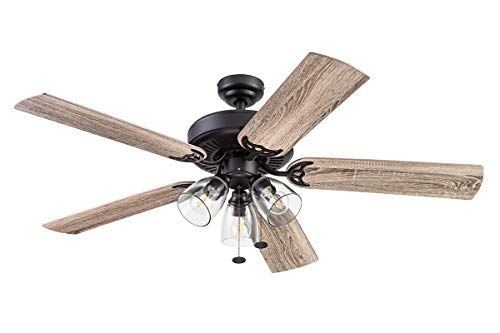
Best Ceiling Fans With Lights For Vaulted Ceilings 2026 Top Picks

Best Outdoor Ceiling Fans For Porch 2026 With Style And Breeze

Best WiFi Enabled Ceiling Fan 2026 For Effortless Comfort