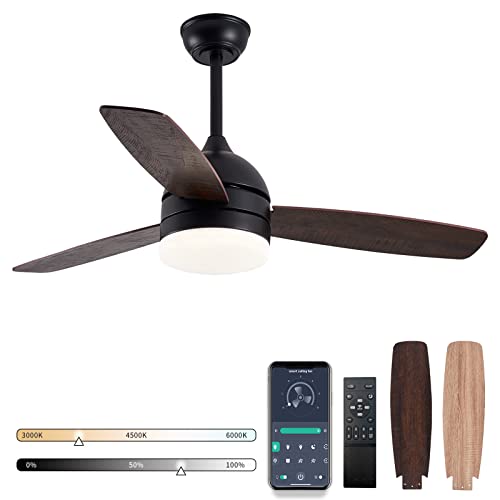
Which Way Should Ceiling Fans Go in the Winter?

Which way should ceiling fans go in the winter sounds like one of those tiny household questions that shouldn’t matter much. Then the cold air starts settling near the floor, the heater keeps running nonstop, and suddenly every room feels uneven and frustrating. A ceiling fan can quietly fix part of that problem without forcing the thermostat higher. Small adjustments often change the whole vibe of a room, especially during colder months when trapped heat builds near the ceiling.
Most people assume ceiling fans belong strictly to summer weather, but that’s only half the story. Winter airflow matters too, and honestly, many homes waste heat simply because the fan direction stays untouched year-round. Running the blades the wrong way can create chilly drafts that make a room feel colder than it actually is. Switching the rotation helps redistribute warm air more gently, which makes heated spaces feel steadier and less stuffy.
Comfort becomes a bigger deal once temperatures drop at night. Nobody enjoys sitting under a blasting heater while their feet still feel icy. A properly adjusted ceiling fan pushes trapped warm air downward without creating that annoying wind-tunnel effect. The room feels balanced instead of patchy, and that difference becomes noticeable pretty quickly during movie nights, early mornings, or long work-from-home hours.
Energy bills creep up fast during winter, and plenty of households don’t realize how much heat gets trapped overhead. Warm air naturally rises, so ceilings end up collecting heat while lower living areas stay cooler. A fan rotating at a low speed in the correct direction helps circulate that warmth back into usable space. It’s not magic, but it definitely cuts down on that constant urge to touch the thermostat every hour.
Which way should ceiling fans go in the winter also matters in rooms with high ceilings or open layouts. Heat tends to gather far above where people actually sit, relax, or sleep. Fans help bridge that gap by moving warm air slowly and evenly through the room. The key is subtle circulation, not strong airflow, because nobody wants cold gusts blowing across the couch in January.
Some ceiling fans include a tiny direction switch hidden near the motor housing, and yep, it’s easy to overlook. That little switch changes everything about how air moves through the room. Clockwise rotation at a low speed usually creates the gentle upward pull needed during winter months. The airflow then nudges warm ceiling air outward and back down along the walls instead of blasting directly downward.
Indoor comfort often comes down to details people barely notice until something feels off. Dry rooms, cold corners, and uneven temperatures can make winter feel longer than it already does. Ceiling fan direction won’t replace proper insulation or heating systems, but it absolutely helps rooms feel more stable and livable. Sometimes the smartest home adjustments are the simple ones hiding in plain sight.

- LFR Score9.8
LFR Score is a ranking system developed by lightfansreviews.com. LFR Score has no relationship or impact from any manufacturers or sales agent websites. Learn more
- BrandGlowivia

- LFR Score9.0
LFR Score is a ranking system developed by lightfansreviews.com. LFR Score has no relationship or impact from any manufacturers or sales agent websites. Learn more
- BrandFszdorj

- LFR Score9.0
LFR Score is a ranking system developed by lightfansreviews.com. LFR Score has no relationship or impact from any manufacturers or sales agent websites. Learn more
- BrandZMISHIBO

- LFR Score8.8
LFR Score is a ranking system developed by lightfansreviews.com. LFR Score has no relationship or impact from any manufacturers or sales agent websites. Learn more
- BrandBell+Howell

- LFR Score8.8
LFR Score is a ranking system developed by lightfansreviews.com. LFR Score has no relationship or impact from any manufacturers or sales agent websites. Learn more
- Brandaddlon

- LFR Score8.8
LFR Score is a ranking system developed by lightfansreviews.com. LFR Score has no relationship or impact from any manufacturers or sales agent websites. Learn more
- BrandGJeg

- LFR Score8.8
LFR Score is a ranking system developed by lightfansreviews.com. LFR Score has no relationship or impact from any manufacturers or sales agent websites. Learn more
- BrandAIKVSXER

- LFR Score8.6
LFR Score is a ranking system developed by lightfansreviews.com. LFR Score has no relationship or impact from any manufacturers or sales agent websites. Learn more
- BrandAmico

- LFR Score8.4
LFR Score is a ranking system developed by lightfansreviews.com. LFR Score has no relationship or impact from any manufacturers or sales agent websites. Learn more
- BrandGoniyado
Last update on 2026-06-11 / Affiliate links / Images, Product Titles, and Product Highlights from Amazon Product Advertising API
Which Way Should Ceiling Fans Go In The Winter
Cold rooms have a funny way of making the heater look guilty, even when the real problem is sitting above your head. Warm air rises, hangs near the ceiling, and leaves the couch zone feeling cooler than it should. That is where which way should ceiling fans go in the winter becomes more than a small switch-flipping question. The right fan direction helps move trapped warm air back into the room without creating a chilly draft.
Winter Fan Direction
The winter setting for most ceiling fans is clockwise rotation at a low speed. Standing under the fan, the blades should move like the hands of a clock. This direction pulls cooler air upward and gently pushes warm ceiling air down along the walls. The goal is not wind on your face, but soft air mixing that makes the room feel less uneven.
A ceiling fan running counterclockwise can feel refreshing in July, but it can be a nuisance in January. That setting pushes air straight down and creates the kind of breeze that makes bare feet and cold hands even crankier. Winter airflow should feel almost invisible. If the fan makes you reach for a blanket, the speed is probably too high or the direction is wrong.
Small rooms may only need the lowest speed to make a difference. Larger rooms, vaulted ceilings, and open living areas often benefit more because heat collects overhead where nobody actually sits. A slow clockwise spin helps break up that heat pocket. It is a simple fix, but it can make the room feel calmer and less patchy.
The fan’s reverse switch is usually on the motor housing, though some newer models use a remote or wall control. Turn the fan off before changing direction, because forcing the switch while the blades move can strain the motor. Once changed, restart the fan on low and check the airflow. No strong downward breeze is the sign you are on the right track.
Why Warm Air Gets Stuck
Warm air naturally rises because it is lighter than cool air. In winter, that means your heating system may warm the upper part of the room faster than the area where people actually live. The ceiling becomes a quiet storage shelf for usable heat. Meanwhile, the lower half of the room can still feel chilly.
This problem gets worse in rooms with high ceilings. A tall living room may feel dramatic and airy, but winter heat often gathers far above eye level. Without gentle circulation, the thermostat may keep calling for heat even though plenty of warm air is already in the room. That is frustrating, especially when the furnace seems to run and run.
A ceiling fan helps by reducing temperature layering, often called stratification. Fancy word, simple problem. Hot air sits high, cool air sits low, and comfort gets stuck in the middle. Clockwise fan direction helps blend those layers without making the room feel breezy.
Think of it like stirring soup slowly instead of splashing it around. Too much speed creates discomfort, while too little movement leaves the warm air trapped. The sweet spot is a low, steady rotation that nudges air around the room. Gentle circulation is the whole trick.
Set The Speed Low
Low speed matters just as much as direction. A fan spinning clockwise too fast can still create noticeable air movement, and that can make winter comfort worse. The best winter setup uses slow blade movement to guide air instead of blasting it. Subtle is the name of the game here.
Start with the lowest speed and sit in the room for a few minutes. If your skin feels cool or your papers flutter, dial it back if possible. Some fans have several speed levels, while older models may feel a bit blunt. Comfortable airflow should feel balanced, not breezy.
Bedrooms often need extra care because moving air can feel colder while sleeping. A low clockwise fan may help warm air spread, but it should not blow across the bed. In a small bedroom, the fan may not need to run all night. Short evening circulation can be enough before bedtime.
Living rooms and kitchens usually tolerate fan movement better because people are awake and moving around. Still, nobody wants a winter draft during dinner or TV time. Keep the fan slow, then let the heater do its job with better air mixing. Lower speed keeps the benefit without turning comfort into a guessing game.
Check The Room Before Adjusting
Room layout changes how well a ceiling fan helps in winter. A fan centered over an open living area can move air evenly, while one tucked into a corner may do less. Furniture, ceiling height, doorway placement, and vents all affect air circulation. A quick room check saves you from blaming the fan too soon.
Homes with recessed lighting sometimes have ceiling gaps or fixtures that affect heat movement near the ceiling. To clean up older ceiling fixtures before making bigger comfort upgrades, use this practical guide for replace recessed light projects. Ceiling details matter because heat loss often hides in places people rarely inspect. A fan helps circulate air, but it cannot fix every draft or gap by itself.
Bathrooms are a different story. Moisture, small square footage, and ventilation needs make ceiling fan choices more specific than a living room setup. For damp spaces where airflow and safety both matter, compare a ceiling fan for bathroom before assuming any standard fan belongs there. Humidity control and proper ratings matter more than looks in those spaces.
Dark corners, attic access points, and older fixtures can make winter checks annoying. A compact light helps when you are inspecting switches, fan housings, or ceiling hardware. For hands-free visibility during small home fixes, keep a black diamond headlamp ready before climbing a ladder. Safer inspection beats balancing a phone flashlight every time.
Common Winter Fan Mistakes
The biggest mistake is leaving the fan in summer mode all year. Counterclockwise airflow feels cool because it pushes air downward. During winter, that same breeze can make a heated room feel colder than the thermostat says. Wrong direction quietly works against comfort.
Another common issue is running the fan too fast. People hear “circulate warm air” and crank the speed up, then wonder why the room feels drafty. Winter fan use needs patience and restraint. Low speed gives warm air time to move without creating a cold wind.
Some rooms simply do not benefit much from fan use. Low ceilings, tiny rooms, or spaces with poor insulation may still feel cold even with the correct setting. That does not mean the fan failed. Ceiling fan direction helps airflow, but insulation, windows, vents, and heating performance still carry the heavier load.
Dusty blades can also cause problems. A dirty fan may spread dust when restarted after months of sitting still. Wipe the blades before switching to the winter setting, especially in bedrooms or living rooms. Clean blades keep the air fresher and reduce that musty burst that nobody wants.
Better Comfort Without Cranking Heat
A ceiling fan will not replace a furnace, heat pump, or properly sealed home. Still, it can help the heat you already paid for feel more useful. By moving warm trapped air back into the living zone, the room may feel steadier at the same thermostat setting. That can reduce the habit of bumping the temperature up every time your feet get cold.
The best results happen in rooms where heat rises and lingers above head level. Vaulted ceilings, stairwell-adjacent rooms, and open layouts usually show the biggest comfort shift. The fan works like a quiet helper, not the main heating source. Balanced air movement makes the heating system feel less uneven.
There is a tradeoff, though. Ceiling fans use electricity, and running one nonstop in a room nobody uses makes little sense. Use the fan where people actually spend time, then turn it off in empty rooms. Smart fan use means circulation with purpose, not just another switch left on.
Comfort also depends on habits. Heavy curtains, sealed window gaps, clean vents, and clear airflow paths all support better winter performance. A fan can only move the air available to it. Winter comfort gets easier once airflow, heat retention, and room layout start working together.
Best Ceiling Fan Direction For Winter Heat
Some winter comfort problems sneak up slowly. One room feels cozy while another feels oddly cold, even though the thermostat hasn’t changed. That uneven feeling often pushes people to crank the heat higher without realizing the air itself is sitting in layers. A proper ceiling fan winter direction helps smooth out those temperature swings and makes the room feel more livable without forcing the heater to work overtime.
Rooms That Benefit Most
Large living rooms usually show the clearest difference after switching fan direction. Heat naturally climbs and stays trapped near tall ceilings, especially in homes with open layouts. A low clockwise fan setting helps bring warm air circulation back into the occupied space where people actually relax. That subtle airflow can make long winter evenings feel far less drafty.
Staircases also create strange airflow patterns during winter. Warm air rises toward upper floors while downstairs rooms struggle to stay comfortable. Ceiling fans positioned near stairwells can help reduce that imbalance by encouraging steady heat movement. The airflow does not need to be aggressive to help the room feel more balanced.
Older homes sometimes struggle the most because insulation standards were different decades ago. Small drafts around windows, recessed lighting, or attic access points let heat escape faster than expected. Before adjusting fan settings, some homeowners also inspect nearby fixtures or wiring while handling seasonal maintenance. During electrical troubleshooting, a guide for change the brake light switch may help anyone already working through small switch-related repairs around the garage or utility space.
Bedrooms with vaulted ceilings can feel especially frustrating during cold nights. Heat pools overhead while the sleeping area stays cooler near the floor. Running the ceiling fan clockwise at a low setting helps distribute collected warm air more evenly without creating cold airflow directly across the bed. That softer circulation often feels more comfortable than constantly adjusting blankets or thermostat settings.
Fan Blade Shape And Winter Airflow
Not every ceiling fan moves air the same way. Blade pitch, motor strength, and ceiling height all influence how effectively warm air gets redistributed during winter. Fans with steeper blade angles usually move more air, though stronger airflow can feel uncomfortable if speeds are too high. Balanced airflow matters more than raw power during colder months.
Cheap fans sometimes wobble or hum loudly after changing direction. That noise can become annoying fast, especially in bedrooms or quiet living areas. Tightening loose screws and cleaning the blades before winter use often improves performance. Smooth operation helps airflow feel less distracting and more natural.
Blade finish also affects how a fan fits visually within a room. Dark blades can make low ceilings feel heavier, while lighter finishes blend more quietly into bright spaces. For homeowners updating room aesthetics during winter refresh projects, compare ideas for choose ceiling fan color before replacing an existing fixture. The fan should support both comfort and room balance, not dominate the ceiling visually.
Fans with reversible DC motors tend to run quieter and use less electricity than many older AC models. That difference becomes noticeable during colder months when fans may operate longer throughout the day. Still, even older fans can improve winter comfort if the direction and speed are adjusted correctly. Air movement quality matters more than flashy features.
How Winter Airflow Affects Heating Bills
Heating costs rise quickly once outdoor temperatures drop for several weeks in a row. Many people respond by raising the thermostat every time a room feels chilly. That approach sometimes solves the symptom without fixing the real issue, which is uneven heat distribution. A ceiling fan helps recycle existing warm air instead of demanding constant extra heat production.
Ceiling fans do use electricity, but their energy consumption is typically lower than running heating systems harder throughout the day. The key is efficiency through circulation rather than brute-force heating. A properly adjusted fan helps the room feel warmer at the same thermostat setting. Reduced temperature layering often improves comfort without dramatic changes.
Some households notice fewer hot-and-cold swings after changing fan direction. One corner no longer feels stuffy while another feels freezing cold. That smoother room temperature helps people stop fiddling with the thermostat every hour. Consistent warmth creates a calmer indoor environment overall.
Heavy drapes, insulated windows, and sealed doors still matter more than fan direction alone. A fan cannot overcome major heat loss from poor insulation or drafty windows. Still, better circulation helps maximize the warmth already inside the room. Combined winter strategies usually deliver the best comfort improvements.
Signs The Fan Is Set Wrong
A cold breeze while sitting directly beneath the fan is usually the biggest warning sign. Winter fan use should never feel like summer airflow. If papers move around or your skin feels chilled, the speed is likely too high or the blades are rotating counterclockwise. Gentle circulation should feel nearly invisible.
Another clue appears when rooms stay uneven despite long heating cycles. Hot ceilings and cold floors often mean the fan is either off completely or running incorrectly. A quick direction check can save hours of discomfort later in the evening. Clockwise rotation at low speed remains the standard winter setup for most ceiling fans.
Motor noise can also indicate trouble. Clicking, grinding, or wobbling sounds suggest loose hardware or unbalanced blades. Ignoring those issues may shorten the fan’s lifespan over time. Regular maintenance helps keep winter airflow smooth and quieter.
Dust buildup creates another problem people rarely notice until the fan starts spinning again after months of sitting still. Dirty blades spread dust through the room and may trigger sneezing or stale smells. Wiping down the fan before winter use keeps the airflow cleaner and more comfortable. Clean fan blades improve both performance and indoor air quality.
Simple Habits That Improve Winter Comfort
Ceiling fan direction helps, but comfort usually improves fastest through several small adjustments working together. Rugs help reduce cold floor surfaces, especially over hardwood or tile. Thick curtains hold heat inside during freezing nights. Layered comfort strategies make a bigger difference than relying on one fix alone.
Furniture placement matters more than people expect. Blocking vents with couches or oversized chairs can trap warm air in awkward spots. Open airflow paths allow heated air to spread more evenly across the room. Better circulation starts with giving warm air space to move naturally.
Humidity also changes how winter air feels. Dry indoor air often feels colder and harsher against the skin, even at normal room temperatures. A small humidifier paired with proper fan circulation can help rooms feel more comfortable without increasing thermostat settings. Balanced indoor moisture supports a warmer overall feel.
Daily habits shape winter comfort too. Leaving interior doors open helps warm air circulate between connected spaces. Running bathroom exhaust fans too long can accidentally remove heated indoor air faster than expected. Small adjustments around the house often support steadier indoor temperatures better than constant thermostat battles.


Best Small Flush Mount Ceiling Fans 2026 Ultimate Picks

Best Smart Ceiling Fan India 2026 For Effortless Comfort

Best Smart Ceiling Fans with Lights for 2026: Top Picks

Best Smart Home Non Ceiling Fans 2026 For Ultimate Comfort

Best Outdoor Misting Ceiling Fan 2026 For Ultimate Comfort

Best Outdoor Ceiling Fans For Porch 2026 With Style And Breeze

Best Smart Bulb For Ceiling Fan 2026 That Brightens Life
Best Smart Ceiling Fan Control 2026 For Effortless Comfort