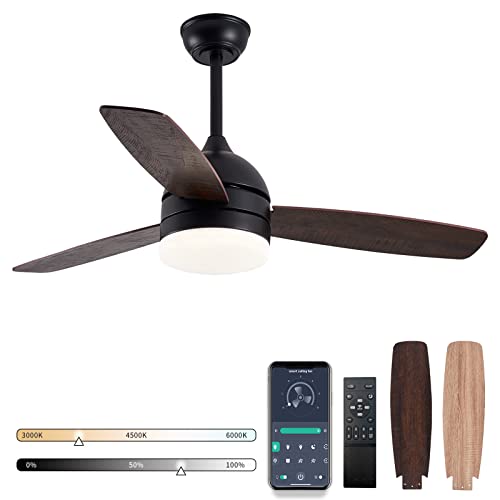
Which Way Should Ceiling Fans Rotate in the Summertime?

Which way should ceiling fans rotate in the summertime sounds like a tiny detail, yet wow, it changes the feel of a room almost instantly. A fan spinning the wrong direction can leave the air heavy and stale, even while the blades are running full blast overhead. Plenty of people crank the thermostat lower without realizing the ceiling fan itself is working against the cooling effect. That annoying “Why does this room still feel warm?” moment usually starts right there.
Summer airflow should create a steady breeze that moves downward across the skin. Counterclockwise rotation pushes cooler air toward the floor, helping rooms feel fresher without forcing the AC to shoulder the entire burden. That softer wind-chill effect makes relaxing on the couch, cooking dinner, or trying to sleep at night feel far more comfortable. Little adjustments like this often reduce the constant urge to touch the thermostat every hour.
Ceiling fan direction also affects rooms differently depending on layout, ceiling height, humidity, and furniture placement. A crowded living room with thick rugs and blocked vents traps heat faster than an open area with better circulation. Bedrooms upstairs tend to feel muggy long before downstairs spaces do, especially during sticky summer evenings. Fans spinning correctly help keep airflow moving instead of letting warm air settle and linger near the ceiling.
Some homeowners assume bigger blades automatically fix airflow problems, but rotation direction matters more than most expect. Even expensive fans can feel useless if they spin clockwise during hot weather. A quick glance upward should reveal blades moving left to right, creating that familiar cooling breeze underneath. If the airflow feels weak or nonexistent, there’s a good chance the switch setting needs attention.
Energy savings quietly become another bonus. Running ceiling fans properly may help rooms feel comfortable at slightly higher thermostat settings, which can ease pressure on cooling systems during long heat waves. AC units already work overtime in the middle of summer, so every bit of airflow support helps. Small operational habits often shape monthly utility bills more than flashy upgrades people rush to buy.
Noise and comfort matter too. A fan spinning the correct direction tends to feel smoother and more natural instead of harsh or oddly turbulent. Nobody wants cold air blasting directly onto them like a wind tunnel while trying to watch TV or fall asleep. Balanced airflow keeps rooms comfortable without making the environment feel artificial or overcooled.
- LFR Score9.0
LFR Score is a ranking system developed by lightfansreviews.com. LFR Score has no relationship or impact from any manufacturers or sales agent websites. Learn more
- BrandAHAWILL
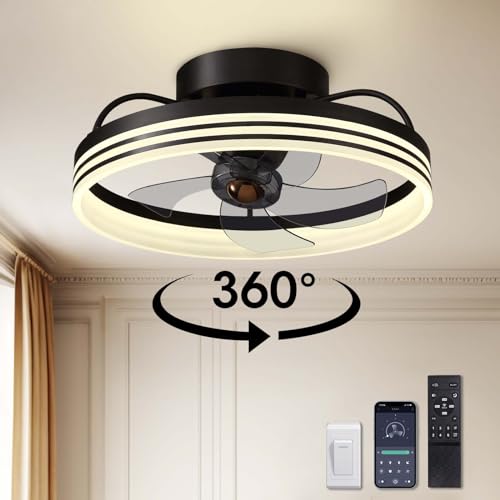
- LFR Score8.8
LFR Score is a ranking system developed by lightfansreviews.com. LFR Score has no relationship or impact from any manufacturers or sales agent websites. Learn more
- BrandLUDOMIDE

- LFR Score8.8
LFR Score is a ranking system developed by lightfansreviews.com. LFR Score has no relationship or impact from any manufacturers or sales agent websites. Learn more
- BrandBell+Howell

- LFR Score8.8
LFR Score is a ranking system developed by lightfansreviews.com. LFR Score has no relationship or impact from any manufacturers or sales agent websites. Learn more
- BrandAIKVSXER

- LFR Score8.8
LFR Score is a ranking system developed by lightfansreviews.com. LFR Score has no relationship or impact from any manufacturers or sales agent websites. Learn more
- BrandGJeg

- LFR Score8.8
LFR Score is a ranking system developed by lightfansreviews.com. LFR Score has no relationship or impact from any manufacturers or sales agent websites. Learn more
- BrandHENTAG
- LFR Score8.6
LFR Score is a ranking system developed by lightfansreviews.com. LFR Score has no relationship or impact from any manufacturers or sales agent websites. Learn more
- BrandASALL

- LFR Score8.6
LFR Score is a ranking system developed by lightfansreviews.com. LFR Score has no relationship or impact from any manufacturers or sales agent websites. Learn more
- BrandAmico

Bell+Howell SocketAir Wireless Ceiling Fan Light with Remote Control, Extender,110-120
View on Amazon- LFR Score8.6
LFR Score is a ranking system developed by lightfansreviews.com. LFR Score has no relationship or impact from any manufacturers or sales agent websites. Learn more
- BrandBell+Howell

- LFR Score8.2
LFR Score is a ranking system developed by lightfansreviews.com. LFR Score has no relationship or impact from any manufacturers or sales agent websites. Learn more
- BrandVTYXCTIGJ

- LFR Score7.0
LFR Score is a ranking system developed by lightfansreviews.com. LFR Score has no relationship or impact from any manufacturers or sales agent websites. Learn more
- BrandPromounts
Last update on 2026-06-11 / Affiliate links / Images, Product Titles, and Product Highlights from Amazon Product Advertising API
Which Way Should Ceiling Fans Rotate In The Summertime
Sticky rooms have a funny way of making a house feel more expensive to live in. The air conditioner runs, the fan spins, and somehow the room still feels like a parked car after lunch. That’s where which way should ceiling fans rotate in the summertime becomes more than a small household question. The right direction creates a downward cooling breeze, helps the AC feel less overworked, and cuts down that stale, heavy air that hangs around bedrooms, kitchens, and upstairs spaces.
Summer Fan Direction
The fan should spin counterclockwise in summer as viewed from below. That direction pushes air straight down, creating the wind-chill effect people actually feel on their skin. The room temperature doesn’t technically drop because a ceiling fan doesn’t cool air like an AC unit. Still, the moving air helps sweat evaporate faster, and that makes the space feel noticeably cooler.
A quick way to check the rotation is to stand below the fan and look up. The blades should move from the top left, sweep downward, and come up on the right side. If the breeze feels weak or oddly pulled upward, the fan may still be set for winter. That tiny direction switch near the motor housing can quietly ruin summer comfort if nobody touches it.
The U.S. Department of Energy notes that ceiling fans may let you raise the thermostat by about 4 degrees Fahrenheit without losing comfort. That matters because every degree can affect how hard your cooling system works during long hot spells. A fan running the right way supports the AC instead of replacing it. Used smartly, counterclockwise rotation helps the house feel cooler without turning the thermostat into a constant tug-of-war.
Speed matters too. In hot weather, a medium or high setting usually works better because the goal is direct airflow. Low speed can help in mild rooms, but it may not do much in a muggy bedroom or a sun-baked living room. The trick is simple: feel the air on your skin, not just watch the blades spin.
Why The Breeze Feels Cooler
Ceiling fans cool people, not rooms. That line sounds blunt, but it saves plenty of frustration. A fan left running in an empty room doesn’t lower the air temperature in a useful way. The real benefit shows up when moving air hits your skin, making the room feel less sticky and more livable.
That’s why the direction question matters so much. A clockwise summer fan pulls air upward, which can leave people below feeling almost no breeze. The fan is still using electricity, yet the comfort payoff is weak. Counterclockwise rotation sends the breeze where it belongs: down into the living space.
Humidity makes this more obvious. A damp room can feel hotter than the thermostat says because sweat doesn’t evaporate well. Strong downward airflow helps cut through that clammy feeling, especially in bedrooms, kitchens, and rooms with poor ventilation. For tight spaces with limited airflow, compare airflow ideas with best ceiling fan for basement so the fan choice matches the room instead of fighting it.
Lighting heat can add to the problem, especially with older bulbs or enclosed fixtures near the ceiling. Brightness choices affect comfort more than people expect because some fixtures give off extra warmth. To keep the room brighter without making it feel hotter, review what are lumens in light bulbs before swapping bulbs randomly. Small details like airflow direction and light output can make the same room feel calmer.
Room Layout Changes The Result
Fan direction gives the biggest payoff when the room lets air move freely. A couch pushed directly under the fan may feel cooler fast, while corners behind tall shelves can stay stuffy. Thick curtains, large sectionals, and crowded furniture can block air circulation more than expected. The fan can only move air through the path the room allows.
Ceiling height also changes the feel. Standard eight-foot ceilings usually deliver a clear breeze when the fan spins counterclockwise at medium or high speed. Taller ceilings may need a longer downrod so the airflow reaches the people below. A fan mounted too high can spin correctly and still feel weak, which is annoying but fixable.
Blade size plays a role, but bigger isn’t always better. A large fan in a small room can feel too aggressive, especially over a bed or dining table. A small fan in a wide room may leave warm pockets untouched. The sweet spot is balanced airflow, not a tornado over the coffee table.
Rooms with sinus sensitivity or dry AC air need a gentler touch. Strong airflow pointed straight at the face all night can feel rough, even if the room is cooler. For comfort routines that involve dry noses or seasonal pressure, explore best red light therapy for sinuses as a separate wellness angle, not a ceiling fan fix. The fan should support cooler sleep, not create another irritation.
Thermostat Habits Matter
A ceiling fan saves the most energy only when the thermostat setting changes with it. Leaving the AC set low while running fans everywhere can waste power instead of helping. The better move is to raise the thermostat a bit, then use counterclockwise airflow to keep the room comfortable. That’s where the fan earns its keep.
Many homes fall into the same summer pattern. Someone walks into a warm room, lowers the thermostat, and waits for the whole house to cool down. A properly rotating fan gives faster personal comfort while the AC catches up. That quick breeze can stop the habit of overcooling rooms nobody is using.
Turn fans off in empty rooms. That sounds almost too basic, but it matters because fans cool skin, not vacant furniture. Leaving them on all day may add unnecessary electricity use, especially if several fans run at once. Smart habits protect the real benefit: better comfort with less AC strain.
Nighttime settings deserve a little experimenting. Some bedrooms feel best with the fan on medium and the thermostat slightly higher. Others need low speed once the room cools down because too much airflow can feel chilly at 3 a.m. Comfort isn’t one-size-fits-all, but summer fan direction should still stay counterclockwise.
How To Change The Direction Safely
Start by turning the fan off and waiting until the blades fully stop. Reaching near moving blades is a bad bet, even on a slow fan. Most traditional ceiling fans have a small switch on the motor housing. Flip it, turn the fan back on, and check whether the airflow now pushes downward.
Remote-controlled fans may handle direction through a button or menu setting. Some newer models use wall controls or apps, which can be handy but slightly confusing at first. Look for labels like reverse, summer mode, or direction. If the fan suddenly feels like it’s pulling air up, switch it back.
Dusty blades can weaken airflow and spread grime through the room. Wipe the blade tops before cranking the fan for summer, especially after months of low use. A clean fan moves air more smoothly and usually runs quieter. That small cleaning job helps preserve air movement and keeps the room from smelling stale.
Wobbling needs attention before high-speed summer use. Loose screws, uneven blade brackets, or dust buildup can make the fan shake and click. A little movement isn’t rare, but heavy wobble shouldn’t be ignored. Fixing stability protects quiet operation, safer airflow, and a better night’s sleep.
Best Ceiling Fan Rotation For Hot Summer Rooms
Hot rooms can turn downright irritating after sunset. The AC keeps humming, blankets get kicked aside, and somehow the air still feels thick near the ceiling. That’s usually where best ceiling fan rotation for hot summer rooms starts making practical sense instead of sounding like another tiny maintenance detail. A fan spinning the correct direction helps create steady airflow, softer sleeping conditions, and a room that feels less trapped by heat.
Bedrooms Feel Heat Faster
Bedrooms often trap warmth longer than living rooms because doors stay closed and airflow stays limited overnight. Upstairs rooms feel even worse once heat builds in the attic during the afternoon. Counterclockwise fan rotation helps push cool air downward where people actually sleep instead of leaving warmth hanging near the ceiling. That cooling breeze can make bedtime feel less sticky and restless.
Ceiling fan placement matters more than people think. A fan mounted directly above the bed creates stronger airflow compared to one positioned closer to a doorway. Strong airflow may feel refreshing for some sleepers, while others prefer a gentler breeze on medium speed. Small adjustments in speed and blade direction usually improve nighttime comfort without touching the thermostat again.
Lighting also changes how warm a bedroom feels. Older bulbs and enclosed fixtures can quietly add heat during summer evenings, especially in smaller rooms with lower ceilings. To create softer lighting without making the room feel hotter, explore best wall mounted bedroom reading lights for setups that work well beside beds and reading corners. Cooler lighting choices support better airflow balance during warm nights.
Dust buildup creates another annoying problem. Dirty blades spread particles every time the fan starts spinning, which can irritate sleep and make rooms feel stale. Cleaning the fan before heavy summer use helps maintain smoother air circulation and quieter performance. A cleaner fan simply feels better overhead during long humid nights.
Living Rooms Need Balanced Airflow
Living rooms collect heat from almost everything. TVs, lamps, cooking smells drifting from the kitchen, and afternoon sunlight all pile into one shared space. A ceiling fan spinning counterclockwise helps break up those heavy warm pockets so the room feels calmer instead of stuffy. That steady movement creates more even cooling across couches, chairs, and corners.
Large sectionals and oversized furniture sometimes block airflow more than expected. A fan may spin correctly while half the room still feels warm because the air cannot circulate properly. Rearranging furniture slightly can improve air movement without spending money on bigger cooling equipment. Even opening pathways between rooms helps fans work more effectively.
Open-concept homes create their own challenge because cool air drifts unevenly across connected spaces. Kitchen heat can creep into the living room fast during summer evenings. Running the ceiling fan on medium or high speed helps distribute cooled air more consistently instead of letting warm spots settle near ceilings and walls. Balanced airflow keeps the room from feeling patchy and uncomfortable.
Some fan brands produce stronger airflow patterns depending on blade pitch and motor design. For homeowners comparing fan styles or replacement options, check who makes portage bay ceiling fans to get a clearer picture of brand positioning and design focus. The fan itself matters, but correct rotation direction still shapes the overall comfort more than most people expect.
Humidity Changes Everything
Dry heat feels uncomfortable. Humid heat feels exhausting. Rooms with high moisture levels trap warmth against the skin, making the air feel heavier than the thermostat suggests. Counterclockwise fan rotation helps increase evaporation from the skin, creating a stronger cooling sensation without forcing the AC into nonstop operation.
Bathrooms connected to bedrooms often contribute to humidity problems after showers. Kitchens do the same during cooking sessions, especially in homes with weak ventilation. Ceiling fans help move damp air away from the body and prevent rooms from feeling swampy after daily routines. Better air circulation reduces that sticky sensation people complain about during summer.
Humidity also affects sleep quality. Warm damp air can leave bedding feeling uncomfortable halfway through the night, even in air-conditioned homes. Running the fan in the right direction helps distribute cooler air more evenly across the room instead of trapping heat overhead. That softer airflow creates a room that feels calmer and easier to relax in.
Some people lower the thermostat aggressively to fight humidity, but airflow usually deserves attention first. A fan spinning the wrong way quietly works against comfort while the cooling system struggles harder. Correcting the blade direction costs nothing and often creates a noticeable difference within minutes. Tiny adjustments sometimes solve the biggest summer comfort frustrations.
Common Ceiling Fan Mistakes
One of the biggest mistakes is forgetting to switch the direction after winter ends. Fans often stay clockwise for months because the switch sits hidden near the motor housing. The blades spin, people assume everything is fine, and meanwhile the room still feels warmer than it should. A quick direction check protects better summer airflow.
Another issue comes from running fans too slowly during extreme heat. Low speed may look relaxing, but weak airflow struggles to create enough cooling effect in larger rooms. Medium or high settings generally work better during heat waves because the goal is stronger downward air movement. The room should feel breezy, not stagnant.
Oversized fans can become annoying in smaller bedrooms or offices. Strong airflow directly over a desk or bed may feel harsh after several hours. Matching fan size to room dimensions creates a smoother balance between comfort and airflow strength. Bigger blades do not automatically mean better cooling performance.
Ignoring wobble can shorten the life of the fan over time. Loose blade screws or uneven balancing create rattling sounds that get worse at higher speeds. Tightening hardware and checking balance kits keeps the fan quieter and safer during heavy summer use. Stable operation protects both airflow efficiency and peace of mind.
Small Adjustments That Improve Comfort
Ceiling fans work best alongside practical daily habits. Closing curtains during peak afternoon sun keeps rooms cooler before the fan even starts running. Blocking direct heat reduces how hard both the AC and ceiling fan need to work later in the evening. That combination creates more stable indoor temperatures throughout the day.
Changing fan speed throughout the day helps too. Medium speed may feel comfortable in the morning, while high speed works better after sunset once trapped heat builds indoors. Small adjustments based on room conditions create a more natural indoor feel instead of blasting cold air nonstop. Comfort improves when airflow matches the moment.
Air vents deserve attention as well. Furniture pushed against vents can trap cooled air in one section of the room while other areas stay warm. Ceiling fans help circulate air, but blocked vents still reduce overall performance. Balanced airflow depends on both the cooling system and the fan direction setup working together.
People often expect instant relief from lowering the thermostat alone. Yet a properly rotating fan usually changes comfort faster because moving air affects the body directly. That simple downward breeze can turn a muggy room into a livable space without dramatic changes to energy use. Correct summer rotation keeps the room feeling fresher instead of heavy and stale.


Best Small Flush Mount Ceiling Fans 2026 Ultimate Picks

Best Smart Ceiling Fan India 2026 For Effortless Comfort

Best Smart Ceiling Fans with Lights for 2026: Top Picks

Best Smart Home Non Ceiling Fans 2026 For Ultimate Comfort

Best Outdoor Misting Ceiling Fan 2026 For Ultimate Comfort

Best Outdoor Ceiling Fans For Porch 2026 With Style And Breeze

Best Smart Bulb For Ceiling Fan 2026 That Brightens Life
Best Smart Ceiling Fan Control 2026 For Effortless Comfort