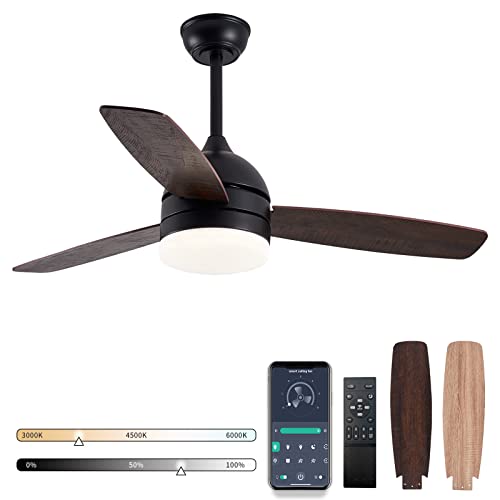
Which Way Should Ceiling Fans Spin in the Summertime?

Which way should ceiling fans spin in the summertime sounds like one of those tiny household details people ignore until the room suddenly feels stuffy, sticky, and impossible to relax in. Funny enough, fan direction changes far more than most folks expect. A ceiling fan spinning the wrong way can leave pockets of warm air hanging around while your air conditioner keeps working overtime. Nobody enjoys paying higher energy bills just to sit in a room that still feels muggy.
Summer airflow should create a steady breeze that moves downward instead of trapping heat near the ceiling. That’s why the counterclockwise spin matters during hotter months. The moving air helps sweat evaporate faster, so rooms feel cooler even when the thermostat stays put. Little adjustments like this often make bedrooms easier to sleep in and living spaces less uncomfortable during long afternoons.
Ceiling fans also behave differently depending on blade angle, ceiling height, and room layout. A large open living room may circulate air beautifully, while a cramped office can still feel stale if furniture blocks airflow. That’s the tricky part people rarely think about. Even a strong fan can feel weak if the setup works against the natural air movement inside the room.
Which way should ceiling fans spin in the summertime becomes even more important in humid climates where heavy air lingers indoors. A proper downward breeze helps reduce that sticky feeling that makes couches, blankets, and even hardwood floors feel warmer than they should. It’s not magic, though. Fans cool people, not rooms, so leaving them running in empty spaces only wastes electricity.
Then there’s the noise factor. Fans spinning too fast with dusty blades or loose hardware can rattle like an old shopping cart rolling across cracked pavement. A smooth counterclockwise spin paired with clean blades usually creates quieter airflow and a more balanced breeze. Small maintenance habits often matter more than people expect.
Some households crank the fan speed to maximum hoping for instant relief, but that can backfire in compact rooms. Excessive airflow may dry out the air too quickly or create an annoying wind tunnel effect while papers, curtains, and lightweight decor start flying around. Medium speeds often feel more natural and consistent during everyday use.
Ceiling fan direction also affects how air conditioning performs throughout the season. Downward airflow helps spread cooled air more evenly instead of letting cold spots and warm corners battle each other. That balance can make a home feel steadier and more comfortable without constantly touching the thermostat. Honestly, once the fan spins correctly, the difference becomes noticeable almost immediately.

- LFR Score9.8
LFR Score is a ranking system developed by lightfansreviews.com. LFR Score has no relationship or impact from any manufacturers or sales agent websites. Learn more
- BrandGlowivia

- LFR Score8.8
LFR Score is a ranking system developed by lightfansreviews.com. LFR Score has no relationship or impact from any manufacturers or sales agent websites. Learn more
- BrandBell+Howell

- LFR Score8.8
LFR Score is a ranking system developed by lightfansreviews.com. LFR Score has no relationship or impact from any manufacturers or sales agent websites. Learn more
- BrandGJeg

- LFR Score8.8
LFR Score is a ranking system developed by lightfansreviews.com. LFR Score has no relationship or impact from any manufacturers or sales agent websites. Learn more
- BrandAIKVSXER
- LFR Score8.6
LFR Score is a ranking system developed by lightfansreviews.com. LFR Score has no relationship or impact from any manufacturers or sales agent websites. Learn more
- BrandASALL

- LFR Score8.6
LFR Score is a ranking system developed by lightfansreviews.com. LFR Score has no relationship or impact from any manufacturers or sales agent websites. Learn more
- BrandOOWOLF

Bell+Howell SocketAir Wireless Ceiling Fan Light with Remote Control, Extender,110-120
View on Amazon- LFR Score8.6
LFR Score is a ranking system developed by lightfansreviews.com. LFR Score has no relationship or impact from any manufacturers or sales agent websites. Learn more
- BrandBell+Howell

- LFR Score8.4
LFR Score is a ranking system developed by lightfansreviews.com. LFR Score has no relationship or impact from any manufacturers or sales agent websites. Learn more
- BrandBomKra

- LFR Score8.4
LFR Score is a ranking system developed by lightfansreviews.com. LFR Score has no relationship or impact from any manufacturers or sales agent websites. Learn more
- BrandGoniyado

- LFR Score8.2
LFR Score is a ranking system developed by lightfansreviews.com. LFR Score has no relationship or impact from any manufacturers or sales agent websites. Learn more
- BrandVTYXCTIGJ
Last update on 2026-06-11 / Affiliate links / Images, Product Titles, and Product Highlights from Amazon Product Advertising API
Which Way Should Ceiling Fans Spin In The Summertime
Sticky rooms have a way of making even a clean house feel tired, especially after the sun has been baking the roof all afternoon. A ceiling fan can help, but only if the blades move air in the right direction. The simple answer to which way should ceiling fans spin in the summertime is counterclockwise while looking up at the fan. That direction creates a downward breeze, which helps your skin feel cooler without forcing the air conditioner to do all the heavy lifting.
Summer Spin Direction
The fan should spin counterclockwise in summer, and yes, that little switch on the motor housing matters more than it looks like it should. Stand directly beneath the fan and look up. The blades should move from the top left down toward the bottom, then sweep upward on the right side. If you feel a steady breeze pushing down, the fan is doing its summer job.
Ceiling fans don’t lower room temperature the way air conditioning does, and that detail trips people up all the time. They cool people by moving air across the skin, which makes sweat evaporate faster. That’s why a room can feel more comfortable even though the thermostat reads the same number. The U.S. Department of Energy notes that using a ceiling fan may let you raise the thermostat by about 4°F without reducing comfort.
A wrong fan direction can make the room feel strangely flat, like the air is moving but not helping. In summer, a clockwise setting usually pulls air upward instead of sending that helpful breeze down. That might be useful in winter, but during hot weather it can leave you wondering why the fan is spinning like crazy and still doing almost nothing. The fix takes a few seconds, but the comfort difference can be obvious.
Counterclockwise airflow also helps break up those annoying warm pockets near couches, beds, and corners. A room with poor airflow often feels hotter than it really is, especially around thick curtains or large furniture. Once the fan pushes air downward, the space tends to feel more alive and less stuffy. Small setting, big sigh of relief.
How To Check The Blade Direction
The easiest test is the stand-under-it test. Turn the fan on medium or high, then stand below the blades for a few seconds. If you feel air pressing downward on your face, arms, or shoulders, the fan is likely spinning the right way for summer. If the breeze feels weak or seems to disappear around the edges of the room, the direction may be reversed.
Most ceiling fans have a small direction switch on the motor housing, usually above the blades. Turn the fan off first and wait until the blades stop completely. Flip the switch, then turn the fan back on and check the airflow again. That quick safety pause matters because grabbing at a moving fan is asking for trouble.
Remote-controlled fans may hide the reverse setting inside the remote, wall control, or smart app. Some models label it as reverse, direction, or show a circular arrow icon. If the fan has no visible switch, the manual or manufacturer label can help. Annoying? Sure. Still better than sweating through another afternoon with the blades moving the wrong way.
Low-profile fans can be trickier because the motor housing sits close to the ceiling. For rooms with short ceilings, tighter clearances, or awkward overhead space, compare clearance-friendly designs like best low profile ceiling fan no light before replacing an old fan that never seems to move air well. Blade clearance and room height affect comfort just as much as direction. A fan that fits the room poorly can feel weak even when the spin direction is correct.
Why Counterclockwise Feels Cooler
Counterclockwise rotation creates a downdraft, which is just a fancy way of saying the fan pushes air toward the floor. That moving air passes over your skin and helps moisture evaporate. Your body reads that as cooling, even if the room temperature hasn’t changed. That’s the same reason a light outdoor breeze feels good on a hot porch.
This cooling effect works best when the breeze actually reaches where people sit, cook, sleep, or work. A fan centered over an empty walkway won’t help as much as one placed above the main seating zone. In bedrooms, the breeze should reach the bed without blasting one person in the face all night. Comfort comes from airflow placement, not just blade speed.
Speed also matters. High speed can feel great after mowing the lawn or cooking over a hot stove, but it may feel harsh during dinner or while reading. Medium speed often gives a steadier, more livable breeze. Air movement should feel refreshing, not like a paper-shuffling wind tunnel.
A ceiling fan pairs especially well with air conditioning because it spreads cooled air more evenly through the room. Instead of one cold spot near the vent and one warm corner near the window, airflow helps blend the space. That balance can make the thermostat setting feel more comfortable. The fan supports the AC, but it doesn’t replace maintenance, insulation, or proper vent placement.
Common Summer Fan Mistakes
The biggest mistake is leaving the fan on in an empty room. Since fans cool people, not rooms, running one with nobody there only uses electricity and adds a tiny bit of motor heat. Flip it off when the room clears out. That habit sounds small, but it keeps the fan from becoming another background energy drain.
Another mistake is assuming faster always means better. A high-speed fan in a small bedroom can feel irritating, especially if it dries out eyes or keeps curtains twitching all night. Medium airflow often feels better for sleep, while high speed makes more sense for hot kitchens, garages, or rooms with strong afternoon sun. Comfort should guide the setting, not pride in maxing out the dial.
Dusty blades quietly ruin airflow too. Dust changes the blade surface, adds imbalance, and can make the fan wobble or hum. A clean blade moves air more smoothly and keeps the motor from sounding strained. Clean blades are not just about looks, especially during summer when the fan runs more often.
Lighting can also heat up a room more than people expect, especially in kitchens where ovens, sunlight, and ceiling fixtures all pile on. To reduce extra warmth while keeping the room practical, upgrade task areas with best led light bulbs for kitchen and let the fan handle airflow instead of heat from old bulbs. Cooler lighting and proper fan direction make a better team than either one alone. The payoff is subtle, but daily comfort often lives in those subtle fixes.
Room Size Changes The Feel
A big living room needs broader airflow than a narrow bedroom. Even with the correct summer fan direction, a small fan can struggle in a large open space with high ceilings. People sitting at the edge of the room may barely feel the downdraft. That doesn’t mean the direction is wrong, but it does mean the fan may be undersized.
Small rooms have the opposite problem. A powerful fan can overwhelm the space, especially if the ceiling is low or the bed sits directly beneath the blades. Gentle airflow usually works better in tight rooms because it keeps the air moving without making the space feel drafty. The goal is comfort, not drama.
Furniture layout can block airflow in sneaky ways. Tall shelves, bulky sectionals, canopy beds, and thick curtains all change how air moves. A fan may push air downward, but the breeze can break apart before reaching the spots where people actually sit. Clear airflow paths help the counterclockwise spin do its job.
Ceiling height deserves attention too. High ceilings may need a downrod so the fan sits low enough to move air through the living zone. Low ceilings usually need flush-mount or hugger-style fans to keep things safe and balanced. Fan height can make the difference between a breeze you feel and a fan you only hear.
Thermostat Pairing Without Overdoing It
A ceiling fan feels most useful when it lets you keep the thermostat a little higher without sacrificing comfort. The Department of Energy’s guidance about raising the thermostat around 4°F is often quoted because it reflects the real value of moving air. The trick is not pretending the fan replaces the AC during brutal heat. It works better as a partner.
Start with a small thermostat adjustment and see how the room feels after the fan runs for a few minutes. Bumping the thermostat too high too fast can make the space feel sticky, especially in humid weather. Slow changes are easier to live with and easier to judge. Comfort should stay practical, not become some sweaty energy-saving contest.
Humidity changes the whole experience. In damp climates, moving air can help your skin feel cooler, but it won’t remove moisture like a properly running AC or dehumidifier. That’s why a room may still feel heavy even with a ceiling fan spinning correctly. Airflow helps comfort, while moisture control handles the sticky part.
Some people feel shoulder or neck tension after sitting directly in a strong draft for hours, especially at a desk or under a fan at night. To ease sore muscles from awkward cooling setups, consider targeted recovery support like best red light therapy for shoulder pain instead of ignoring the discomfort. Fan placement, speed control, and body comfort all belong in the same conversation. A room should feel cooler without making your shoulders tighten up by bedtime.
Best Ceiling Fan Direction For Hot Summer Rooms
Late afternoons can make a house feel downright exhausting, especially in rooms that trap heat near the ceiling. A ceiling fan spinning the right way helps, but comfort also depends on blade size, room shape, airflow balance, and simple maintenance habits people usually ignore until the room feels unbearable. Summer airflow, fan placement, and steady circulation all work together to create a cooler living space without hammering the thermostat every hour. Small adjustments often fix the kind of daily discomfort that slowly wears people down during long stretches of hot weather.
Why Bedrooms Feel Warmer At Night
Bedrooms hold heat longer than many people realize, especially once doors close and curtains block airflow. Bedding, body heat, electronics, and poor circulation all pile together overnight. A fan spinning counterclockwise helps move trapped air downward, which makes sheets feel less sticky and heavy. That soft breeze can make falling asleep easier without forcing the air conditioner into nonstop operation.
Fan speed matters more at night than during daytime use. A powerful setting may sound refreshing at first, but hours later it can leave skin dry, eyes irritated, or shoulders tense from direct airflow. Medium speed airflow usually feels more natural for sleeping because it keeps the room moving gently instead of blasting cold air across the bed. Consistent circulation beats harsh airflow almost every time.
Ceiling height also changes how nighttime cooling feels. Low ceilings place the blades closer to the body, which can make strong downdrafts feel overwhelming in compact rooms. Rooms with limited overhead space often benefit from slimmer fan designs like best low profile ceiling fan no light because the airflow stays smoother without crowding the ceiling. Proper blade clearance helps maintain comfort instead of creating turbulence.
Blocked airflow creates another hidden issue. Tall dressers, thick curtains, or oversized headboards can stop cool air from circulating evenly around the room. A fan may technically spin the correct way while the room still feels uneven and stale. Open airflow paths make a noticeable difference during humid nights when every bit of circulation counts.
Humidity Changes Everything
Humid air feels heavier because sweat evaporates more slowly from the skin. That’s why an 80-degree room with high humidity can feel much hotter than a dry room at the same temperature. Ceiling fans improve evaporation, which helps the body cool itself more naturally. The breeze doesn’t remove humidity, but it makes the room feel less suffocating.
Kitchens often become the worst offender during summer evenings. Ovens, dishwashers, and stovetops all dump heat into the air while humidity rises from cooking. A counterclockwise fan direction helps spread cooled air instead of letting heat collect near the ceiling. Pairing the fan with cooler lighting like best led light bulbs for kitchen can reduce extra heat buildup from older bulbs that quietly warm the room for hours.
Bathrooms and laundry rooms trap moisture too. Steam from showers and dryers creates thick air that lingers far longer than expected. A ceiling fan nearby won’t solve moisture problems entirely, but steady circulation helps stop the space from feeling swampy after routine chores. Air movement matters most in spaces where warm moisture builds quickly.
Humidity can also make people crank the fan speed too high, hoping for instant relief. That sometimes backfires by scattering papers, rattling decor, or creating an annoying constant draft. Moderate airflow tends to feel more livable over long periods. Balanced cooling keeps rooms comfortable without turning them into windy tunnels.
Large Rooms Need Wider Airflow
Open living rooms and covered patios often need larger blades to circulate air evenly across the space. A small fan in a giant room may spin quickly while barely moving enough air where people actually sit. Bigger blade spans push airflow farther without requiring extreme speed settings. Coverage area matters just as much as motor strength.
Outdoor spaces feel especially tricky during summer because hot air rises while humidity lingers around seating areas. Fans with larger blade spans help move stagnant air away from patios and covered decks. For oversized outdoor setups, compare airflow-focused models like best 72 inch outdoor ceiling fans that handle wider areas more effectively than compact indoor fans. Outdoor airflow needs broader circulation to feel useful.
Furniture layout can quietly ruin airflow in bigger rooms. Sectionals, shelving units, and large dining tables interrupt the breeze before it reaches the far corners. Even correctly spinning blades may leave one side of the room feeling cooler than the other. Clear circulation zones help spread airflow more evenly across open spaces.
Vaulted ceilings introduce another challenge because warm air rises higher than normal. A fan mounted too close to the ceiling may struggle to push air all the way down into the living area. Longer downrods usually help bring the airflow closer to where people actually spend time. Fan positioning changes the entire cooling experience in large rooms.
Noise, Wobbling, And Weak Airflow
A noisy ceiling fan can drive people nuts during summer, especially overnight when every clicking sound suddenly feels louder. Wobbling blades often point to loose screws, dust buildup, or unbalanced blade weight. Those issues reduce airflow while making the motor work harder than necessary. Smooth blade movement keeps the fan quieter and more effective.
Dust buildup changes how blades cut through the air. Thick dust layers create drag that weakens airflow and sometimes causes a low humming sound. Cleaning the blades regularly improves circulation and helps the motor run with less strain. Clean fan blades usually move air more efficiently than neglected ones.
Loose mounting brackets can also create rattling or shaking that gets worse at higher speeds. Some homeowners ignore the noise until the fan starts wobbling visibly, which is never a great sign. If balancing kits and tightening screws don’t solve the issue, it may be time to contact who can fix a ceiling fan before the problem damages the motor or mounting hardware. Stable installation keeps airflow safer and more consistent.
Weak airflow sometimes comes from poor blade pitch rather than motor failure. Flat blades move less air even at high speed, which can leave rooms feeling stale despite constant spinning. Ceiling height, blade shape, and room size all affect airflow strength. Proper blade design matters more than flashy appearance.
How Fan Direction Affects Energy Costs
Air conditioners often run longer than necessary because airflow inside the room feels uneven. A properly spinning ceiling fan helps spread cooled air throughout the space, making rooms feel more comfortable at slightly higher thermostat settings. That doesn’t mean the fan magically lowers electric bills overnight, but it can reduce unnecessary AC strain. Balanced cooling tends to create steadier indoor comfort.
Rooms exposed to afternoon sunlight usually heat up faster than shaded areas. Windows, attic heat, and dark furniture all contribute to rising indoor temperatures. A ceiling fan spinning counterclockwise helps circulate cooled air before those warm pockets settle into corners and seating areas. Consistent circulation helps the room feel less uneven during peak heat.
Older homes sometimes struggle with airflow because vents aren’t positioned evenly throughout the house. Some rooms freeze while others stay warm no matter how low the thermostat goes. Ceiling fans help redistribute cooled air more naturally across connected spaces. Airflow support becomes especially useful in homes with inconsistent vent placement.
People often forget to adjust the fan seasonally, which quietly reduces efficiency for months at a time. Summer airflow should push air downward, while winter airflow usually reverses to pull air upward and recirculate warm air near the ceiling. That tiny switch changes how comfortable the house feels through different seasons. Correct seasonal direction keeps airflow working with the weather instead of against it.
Simple Maintenance Keeps Fans Performing Better
Ceiling fans collect more grime than most people expect because blades constantly move dust through the air. Greasy kitchen residue, pet hair, and fine dust settle along the blade edges over time. Dirty blades move air less efficiently and may throw balance slightly off during operation. Routine cleaning helps preserve smoother airflow and quieter performance.
Loose screws deserve quick attention too. Blade brackets naturally loosen after months of spinning, especially on fans running daily during summer. Tightening hardware once in a while helps prevent wobbling and uneven movement. Stable blades improve airflow consistency and reduce motor stress.
Remote batteries and wall controls can create weird performance issues that look like motor problems at first. Delayed speed changes, flickering lights, or inconsistent direction controls sometimes come down to weak batteries or faulty receivers. Replacing simple components early can save frustration later. Reliable controls make seasonal adjustments easier.
Motor wear becomes more noticeable in older fans exposed to years of humidity and constant use. Grinding noises, overheating housings, or slow startup behavior usually signal deeper mechanical issues. Replacing a struggling fan often improves airflow far more than endlessly repairing worn parts. Healthy motors keep summer airflow steady and dependable during the hottest months.


Best Small Flush Mount Ceiling Fans 2026 Ultimate Picks

Best Smart Ceiling Fan India 2026 For Effortless Comfort

Best Smart Ceiling Fans with Lights for 2026: Top Picks

Best Smart Home Non Ceiling Fans 2026 For Ultimate Comfort

Best Outdoor Misting Ceiling Fan 2026 For Ultimate Comfort

Best Outdoor Ceiling Fans For Porch 2026 With Style And Breeze

Best Smart Bulb For Ceiling Fan 2026 That Brightens Life
Best Smart Ceiling Fan Control 2026 For Effortless Comfort