Which Way Should Ceiling Fans Turn During the Winter?

Which way should ceiling fans turn during the winter keeps popping up the second cold weather settles in and heating bills start creeping higher. Plenty of people leave their ceiling fan untouched all year long, then wonder why certain rooms still feel icy near the floor while warm air gathers near the ceiling. That uneven temperature can make a comfortable home feel oddly frustrating, especially during early mornings or long nights indoors. A simple direction switch often changes the whole atmosphere without adding extra strain to the heating system.
Clockwise rotation usually works best during colder months because it creates a gentle updraft instead of blasting cool air downward. The airflow pushes trapped warm air away from the ceiling and redistributes it through the room more evenly. Suddenly, the couch corner that always felt chilly becomes far more comfortable. Little adjustments like fan speed also matter, since high settings can create an unwanted breeze that defeats the purpose.
Ceiling fan direction also affects how often heating systems cycle throughout the day. Rooms with balanced airflow tend to maintain steady temperatures longer, which can help reduce that constant thermostat tug-of-war. Nobody enjoys bumping the heat up every hour because one side of the room feels colder than the other. Small airflow improvements can make everyday spaces feel noticeably calmer and more relaxing.
Older homes especially benefit from proper winter fan settings because heat naturally rises and lingers overhead. Tall ceilings, staircases, and open-concept layouts can make warm air drift away from living areas fast. That trapped warmth often goes completely unused unless something circulates it back downward. Energy efficiency becomes easier to maintain once airflow starts working with the room instead of against it.
Fan blade angle, ceiling height, and room size all play a role too. A large living room with vaulted ceilings may need slower, steadier circulation compared to a compact bedroom. Some people accidentally run fans too fast during winter and end up creating a cold wind effect. Keeping the speed low usually delivers the subtle circulation needed without making the room feel drafty.
Noise can also become an issue if the fan hasn’t been cleaned or adjusted in ages. Dust buildup, loose screws, or wobbling blades often become more obvious once the fan starts running again during winter months. A quick maintenance check keeps airflow smooth and prevents annoying rattling sounds during quiet evenings. Comfort depends on more than warmth alone, after all.
Smart thermostats and modern ceiling fans now make seasonal adjustments much easier than they used to be. Some newer models even include reverse settings directly on remotes or wall controls instead of hidden switches on the motor housing. That convenience encourages more people to actually use the winter setting rather than ignoring it altogether. Once the airflow feels balanced, rooms tend to feel cozier without cranking up the heat nonstop.

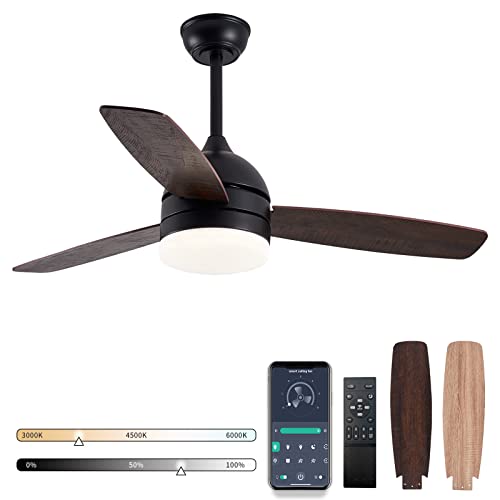
- LFR Score9.6
LFR Score is a ranking system developed by lightfansreviews.com. LFR Score has no relationship or impact from any manufacturers or sales agent websites. Learn more
- BrandFanbulous
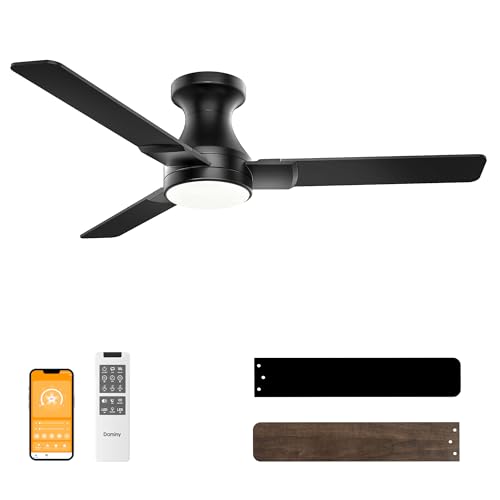
- LFR Score9.0
LFR Score is a ranking system developed by lightfansreviews.com. LFR Score has no relationship or impact from any manufacturers or sales agent websites. Learn more
- BrandDAMINY
- LFR Score9.0
LFR Score is a ranking system developed by lightfansreviews.com. LFR Score has no relationship or impact from any manufacturers or sales agent websites. Learn more
- BrandPassky

- LFR Score9.0
LFR Score is a ranking system developed by lightfansreviews.com. LFR Score has no relationship or impact from any manufacturers or sales agent websites. Learn more
- BrandReluen

- LFR Score8.8
LFR Score is a ranking system developed by lightfansreviews.com. LFR Score has no relationship or impact from any manufacturers or sales agent websites. Learn more
- BrandBell+Howell

- LFR Score8.8
LFR Score is a ranking system developed by lightfansreviews.com. LFR Score has no relationship or impact from any manufacturers or sales agent websites. Learn more
- BrandGJeg
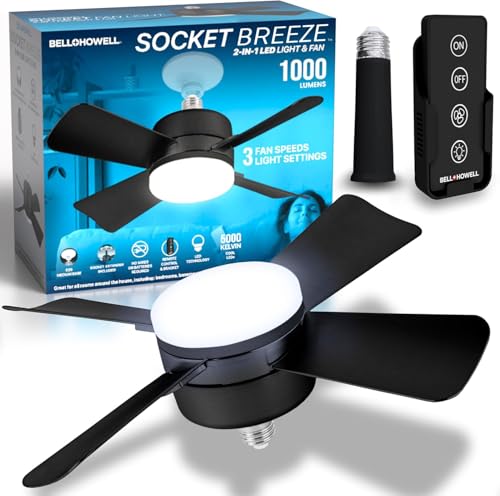
- LFR Score8.8
LFR Score is a ranking system developed by lightfansreviews.com. LFR Score has no relationship or impact from any manufacturers or sales agent websites. Learn more
- BrandBell+Howell

- LFR Score8.6
LFR Score is a ranking system developed by lightfansreviews.com. LFR Score has no relationship or impact from any manufacturers or sales agent websites. Learn more
- BrandAmico

- LFR Score8.6
LFR Score is a ranking system developed by lightfansreviews.com. LFR Score has no relationship or impact from any manufacturers or sales agent websites. Learn more
- BrandCrazypai

- LFR Score7.0
LFR Score is a ranking system developed by lightfansreviews.com. LFR Score has no relationship or impact from any manufacturers or sales agent websites. Learn more
- BrandPromounts
Last update on 2026-06-13 / Affiliate links / Images, Product Titles, and Product Highlights from Amazon Product Advertising API
Which Way Should Ceiling Fans Turn During The Winter
A room can feel oddly cold even while the thermostat says everything is fine, and yep, that usually means warm air is camping near the ceiling. The fix isn’t fancy, expensive, or hard to remember once it clicks. For which way should ceiling fans turn during the winter, the usual answer is clockwise at low speed, because that setting helps move warm air back down without creating a chilly breeze. That tiny switch on the fan body can make a living room, bedroom, or hallway feel more even instead of hot up top and cold where people actually sit.
Winter Fan Direction
Clockwise ceiling fan rotation matters because winter comfort is less about blasting air and more about nudging it. Warm air rises, so rooms with tall ceilings, open stairways, or drafty corners often waste heat near the ceiling. A fan spinning clockwise at a low setting pulls cooler air upward and gently pushes warmer air outward and down along the walls. That movement helps reduce the annoying “my feet are cold but my face feels warm” problem.
The key is keeping the airflow subtle. A fan set too fast can make the room feel colder, even if the direction is technically right. Low speed is the sweet spot because it circulates air without creating that summer-style wind chill. If papers move, curtains flutter, or skin feels a breeze, the fan is probably running too aggressively for winter.
Most ceiling fans have a small reverse switch on the motor housing, though newer models may use a remote or wall control. Flip the switch only after the blades stop completely, since forcing a direction change while the fan spins can stress the motor. The goal is simple: stand beneath the fan and confirm the blades move clockwise. From below, they should travel to the right across the top of the rotation.
Some rooms may still feel uneven after the direction is changed, and that doesn’t mean the method failed. Ceiling height, fan blade pitch, furniture placement, and heat vent location all affect airflow. A compact bedroom may need only the lowest setting, while a vaulted living room may need a slightly stronger low-medium speed. Comfort tuning beats guessing every time.
Why Clockwise Works
Clockwise rotation creates an updraft, and that updraft is exactly what winter needs. Instead of pushing air straight down, the fan pulls cooler floor-level air upward through the center of the room. That movement displaces the warmer air resting near the ceiling and spreads it back toward the walls. The room starts feeling less layered and more balanced.
Energy guidance often points to ceiling fans as a helper rather than a replacement for heat. The U.S. Department of Energy has long noted that ceiling fans can support comfort when used properly, especially because they help people adjust thermostat habits. The practical takeaway is simple: air movement supports heating efficiency, but only when it doesn’t make the room feel breezy. Winter fan use works best as a gentle assist, not a second HVAC system.
Think of it like stirring soup without splashing the pot. Warm air sits at the top, cooler air settles near the floor, and the fan lightly blends those layers. That’s why low-speed clockwise airflow feels different from the strong downward breeze people love in July. It’s quieter, softer, and easier to live with during long indoor evenings.
Rooms with ceiling registers can respond especially well because heated air often enters high and stays high. A ceiling fan helps pull that warmth into the occupied zone where chairs, beds, and desks sit. The same idea applies to rooms with fireplaces, though placement matters because fans shouldn’t blow smoke or create pressure issues. Balanced circulation is the win, not dramatic airflow.
Common Winter Mistakes
The biggest mistake is leaving the fan in its summer setting. Counterclockwise rotation pushes air downward, which feels refreshing in hot weather but chilly during cold months. That downward breeze can trick the body into feeling colder, even if the thermostat temperature hasn’t changed. Wrong fan direction turns a helpful fixture into a sneaky comfort thief.
Another common slip is using high speed because more airflow seems like it should mean more warmth. Nope, not in winter. Strong airflow can create a cooling effect on skin, especially in rooms where people sit still for long stretches. Gentle circulation beats aggressive spinning once the heat is on.
People also forget that fans cool people, not rooms, during summer, but winter use has a different job. The fan isn’t producing heat. It’s redistributing heat that already exists. That difference matters because running a fan in an empty room usually wastes electricity instead of improving comfort. Use the fan where people spend time, then turn it off when the room sits empty.
Dusty blades can create another headache. During winter, ceiling fans may run less often, so dust piles up and then scatters once the fan turns on again. A quick wipe before changing direction keeps dust from drifting across bedding, sofas, and shelves. Clean blades also reduce wobble and help the fan run more quietly.
Remote confusion deserves a mention too. Some remotes show airflow icons instead of words, which can make direction changes feel like a guessing game. Run the fan, stand below it, and watch the blade movement from underneath. Visual confirmation is more reliable than assuming the remote label matches your model perfectly.
Room Size And Ceiling Height
Ceiling height changes how much winter fan direction matters. Standard eight-foot rooms often need only a very low speed because warm air doesn’t have far to travel. Tall ceilings, lofts, and open foyers collect more heat overhead, so they benefit more from gentle redistribution. That’s where clockwise rotation can feel surprisingly useful.
Small rooms need extra care because a fan can overwhelm the space fast. A tiny bedroom with a large fan may feel drafty even on the correct winter setting. For tighter spaces, pair gentle airflow with proper fan sizing, and Compare room-friendly models with best ceiling fans for small rooms before replacing an oversized fixture. Right-sized airflow usually feels calmer and quieter.
Large rooms may need more patience. Warm air can pool near vaulted ceilings, especially above seating zones or near second-story openings. A larger fan with broad blades can circulate more air at a lower speed, which often feels better than a smaller fan running faster. Blade span matters because winter comfort depends on coverage, not just direction.
Ceiling fans mounted too close to the ceiling may struggle to move air effectively. Flush-mount fans are useful in low-ceiling rooms, but they may not create the same air pattern as downrod-mounted fans in taller spaces. That doesn’t make them bad. It just means expectations should stay realistic, especially in rooms with stubborn cold pockets. Mounting height affects circulation more than most people realize.
Thermostat Habits That Help
Thermostat settings and fan direction work best as a team. Once clockwise airflow starts evening out the room, many people find they don’t need to bump the heat as often. That doesn’t mean every house will see dramatic savings. It means better circulation can reduce the urge to chase comfort with constant temperature changes.
A practical approach is to change only one thing at a time. Set the fan to clockwise on low, let the room settle, then judge how it feels after a while. If the air feels breezy, drop the fan speed. If the ceiling still feels much warmer than the seating area, a slightly higher low setting may help. Small adjustments usually beat big thermostat jumps.
Programmable and smart thermostats make this even easier because heating schedules stay steadier. Sudden temperature swings can make rooms feel uncomfortable, especially in older homes with uneven insulation. A ceiling fan helps soften those differences by keeping air moving gently. Steady warmth feels better than repeated blasts of heat followed by chilly dips.
Rooms with poor insulation still need real fixes, though. A ceiling fan can’t seal drafty windows, repair attic insulation, or fix a leaky door. It can only move air that’s already inside the room. Fan direction helps comfort, but drafts, gaps, and heat loss still deserve attention if winter bills feel painful.
Airflow Without Drafts
Winter airflow should feel almost invisible. That’s the easiest way to know the ceiling fan is doing its job. The room should feel less stuffy and more even, but not windy. If the fan makes your neck cold while watching TV, the setting needs a rethink.
Furniture placement can make airflow feel stronger in some seats than others. A couch directly under the fan may catch more movement, even with clockwise rotation. Moving the seating area slightly or lowering the speed can make the room feel less drafty. Comfort zones matter more than a textbook setup.
Open layouts can be trickier because air moves between rooms instead of staying contained. A fan in a living room may affect a nearby kitchen, hallway, or staircase. That can be helpful if heat gathers upstairs, but annoying if it pulls cool air from a drafty entry. Air path awareness keeps the fan from stirring up the wrong problem.
High-speed pedestal fans have a different role, and they’re usually not the answer for winter ceiling heat circulation. They can help with targeted airflow in garages, workshops, or stuffy rooms, but they may create too much direct breeze for cozy winter living spaces. Compare stronger airflow tools through best high speed pedestal fan if the goal is spot cooling, ventilation, or fast air movement instead of gentle heat balancing. Tool choice matters because every fan type moves air differently.
Switches Remotes And Controls
Reverse switches can hide in awkward spots, especially on older ceiling fans. Many are located on the motor housing above the blades, which means a step stool may be needed. Always turn the fan off first and wait until the blades stop. A rushed switch flip can be hard on the motor and, frankly, a little sketchy.
Remote-controlled fans may handle direction from a button, menu, or seasonal mode. Some remotes show arrows, while others use icons that aren’t exactly clear. If the fan manual is long gone, watching the blades from below solves the mystery. Clockwise from underneath is the visual cue for winter.
Wall controls can be handy, but they don’t always include reverse settings. A wall switch may control speed and light only, leaving direction changes on the fan body itself. That’s not a flaw, just a design difference. Control layout varies wildly from one fan model to another.
Smart home setups add convenience but can also add confusion. Voice commands might change speed without changing blade direction, depending on the fan and controller. Remote shortcuts can get mislabeled after setup too. Manual confirmation prevents a whole winter of running the fan the wrong way.
Streaming remotes and fan remotes tend to pile up on the same coffee table, which gets annoying fast. For a cleaner living room setup, Compare simple entertainment controls through best remote control for hulu live tv if your bigger headache is juggling devices during cold-weather couch time. Less remote clutter makes winter evenings feel a bit less chaotic.
Best Ceiling Fan Direction For Winter Heat Circulation
Cold floors can make an otherwise warm house feel strangely uncomfortable, especially late at night or during those rough early mornings before the coffee kicks in. A lot of that discomfort comes from trapped ceiling heat instead of a weak heating system. The best ceiling fan direction for winter heat circulation usually means running the fan clockwise on a low setting so warm air spreads more evenly through the room instead of hovering uselessly overhead. Small airflow adjustments often make a space feel calmer, cozier, and less uneven without constantly touching the thermostat.
How Warm Air Gets Trapped
Heat naturally rises, and that simple fact creates a frustrating temperature split inside many homes. The ceiling area becomes noticeably warmer while floors, couches, and workspaces stay chilly. Rooms with tall ceilings make the problem even worse because the heat has more vertical space to collect. That’s why some homes feel oddly cold even while the heater keeps running.
Open staircases create another headache. Warm air drifts upward toward second floors and loft spaces instead of staying where people spend most of their time. The living room downstairs may feel cold while upstairs bedrooms feel stuffy and overheated. Air imbalance like this wastes comfort and can push heating costs higher over time.
Heavy curtains, oversized furniture, and blocked vents can also interrupt airflow patterns. A room may technically be heated, but stagnant air keeps temperatures uneven from one corner to another. Ceiling fans help by gently circulating air instead of allowing heat pockets to build up near the ceiling. Consistent airflow tends to make rooms feel more natural and comfortable.
Some people expect immediate dramatic results after reversing a ceiling fan, then feel disappointed if the room still has cold spots. Realistically, the improvement often feels subtle rather than dramatic. The space becomes steadier, less drafty, and easier to relax in over longer periods. Balanced warmth matters more than sudden bursts of heat.
Signs Your Fan Is Spinning The Wrong Way
Counterclockwise winter rotation usually creates a downward breeze that feels cold against the skin. If you sit beneath the fan and instantly notice moving air on your face or neck, the direction is probably wrong for winter. The room may technically be warm, but that breeze creates a cooling sensation that fights against comfort. Nobody enjoys wearing thick socks indoors just to survive the couch.
Another clue shows up in thermostat habits. Constantly raising the temperature despite decent heating performance often points toward poor air circulation. Warm air stays trapped above while colder air settles below, creating an uneven environment. Clockwise fan movement helps soften that separation and makes the room feel more stable.
Some ceiling fans wobble or make noise after direction changes, especially if the blades are dusty or loose. That noise doesn’t automatically mean the reverse setting is wrong. It usually signals maintenance issues that became obvious once the fan started running again. Blade balance and proper cleaning can dramatically improve winter fan performance.
Lighting can even expose poor circulation. Rooms with recessed lights or ceiling-mounted fixtures sometimes feel hot overhead while the lower half stays chilly. If the ceiling feels warmer than the actual seating area, trapped heat is likely building up above eye level. Air layering becomes easier to notice once you start paying attention to where warmth gathers.
Low Speed Makes A Big Difference
Fan speed matters just as much as blade direction during winter months. High speed settings often create too much airflow, making rooms feel drafty instead of cozy. The goal isn’t aggressive air movement. It’s soft circulation that redistributes warmth without turning the room breezy.
Low settings work especially well in bedrooms because strong airflow can dry out skin, eyes, and sinuses overnight. A gentle clockwise rotation keeps temperatures more even while maintaining a quieter atmosphere for sleeping. Loud fan noise can become irritating fast during winter because homes stay closed up longer with less background noise from outdoors. Quiet comfort tends to matter more once colder weather settles in.
Living rooms usually benefit from slight adjustments based on furniture placement. A sectional directly beneath the fan may catch more airflow than the rest of the room. Lowering the speed slightly often solves the issue without sacrificing circulation quality. Subtle airflow control usually creates better comfort than blasting air around the room.
Older fans sometimes struggle at low speed because worn motors or warped blades reduce smooth airflow. If the fan clicks, hums, or vibrates constantly, replacement parts may help more than constant setting changes. Explore practical wiring upgrades through how to wire a hunter ceiling fan if an older setup feels unreliable or inconsistent during seasonal use. Proper installation affects both airflow quality and long-term fan performance.
Winter Comfort In Small Rooms
Compact spaces react differently to ceiling fan airflow than large open rooms. A small bedroom can feel chilly very quickly if the fan speed is too high, even with the blades rotating clockwise. That’s why tiny adjustments matter more in tighter layouts. A barely noticeable airflow usually feels best.
Heat buildup happens faster in smaller rooms because there’s less space for warm air to spread out. Ceiling fans help break up those warm pockets before the room turns stuffy. This becomes especially helpful in upstairs bedrooms where heat naturally rises from lower floors. Air circulation balance helps keep sleeping areas more comfortable overnight.
Ceiling height changes the experience too. Standard ceilings may only need the fan running occasionally during colder weather, while vaulted ceilings often benefit from longer circulation periods. The extra vertical space traps warmth overhead faster than most people expect. Ceiling shape directly affects how heat moves through the room.
Fan blade material can also affect noise and airflow feel. Lightweight blades sometimes create a sharper airflow sensation, while heavier wood-style blades tend to feel softer at lower speeds. Neither style is automatically better. The room size, mounting height, and motor quality usually matter more in daily use. Comfort fit depends on how the whole setup works together.
Fireplaces And Ceiling Fans Together
Fireplace heat often rises quickly and collects near the ceiling before spreading through the room properly. Ceiling fans help circulate that warmth outward instead of letting it hover above the seating area. Clockwise rotation keeps the airflow softer, which feels better than direct downward drafts during colder evenings. The room starts feeling warmer without needing to crowd around the fireplace itself.
Wood-burning fireplaces sometimes create uneven heating patterns where one side of the room feels hot while the opposite side stays cool. A ceiling fan helps redistribute that warmth more evenly across the space. This can make movie nights, reading corners, and dining areas feel less isolated from the heat source. Even warmth distribution creates a more usable room overall.
Gas fireplaces usually provide steadier heat, but they still benefit from gentle circulation. Rooms with high ceilings can trap a surprising amount of warmth overhead, especially after the fireplace runs for several hours. A low-speed clockwise fan helps prevent that buildup from going to waste. Heat circulation matters more than raw heat output in many living spaces.
People recovering from sore muscles or winter stiffness often notice how cold indoor air makes discomfort worse. Warm, balanced airflow can make resting spaces feel more relaxing during colder months. Explore recovery-focused options through best red light therapy for injury if muscle tension and chilly indoor environments tend to go hand in hand during winter. Comfort layering sometimes comes from combining several small improvements together.
Ceiling Fan Maintenance During Winter
Dust buildup becomes obvious fast once ceiling fans start running again after sitting idle for months. The first winter spin can scatter dust across furniture, bedding, and electronics if the blades haven’t been cleaned properly. A microfiber cloth or damp rag usually handles the mess quickly. Clean blades also help the fan run more quietly and evenly.
Loose screws create wobbling that often gets worse over time. The fan may seem fine at first, then suddenly develop clicking or shaking sounds after weeks of use. Tightening blade brackets and checking mounting hardware can prevent bigger issues later. Stable blade alignment helps airflow stay smooth and less distracting.
Motor noise can become more noticeable during winter because homes stay quieter overall. Air conditioners stop running, windows remain closed, and outdoor noise fades. A faint humming sound may not bother everyone, but rattling or grinding usually signals maintenance trouble. Mechanical wear deserves attention before it shortens the fan’s lifespan.
Remote batteries also love dying at the worst possible time. Plenty of people assume the fan broke when the issue is simply a weak remote battery or an accidentally changed setting. Testing the controls before winter fully settles in avoids unnecessary frustration later. Simple maintenance habits often prevent bigger headaches during colder months.
How To Make Rooms Feel Less Drafty
Drafty rooms don’t always mean the ceiling fan is failing. Poor insulation, thin windows, and unsealed door gaps can overpower even the best airflow setup. Ceiling fans help redistribute heat, but they can’t stop cold outdoor air from slipping inside. Fixing obvious drafts usually improves comfort faster than cranking up the thermostat.
Area rugs make a surprising difference in winter comfort. Hardwood and tile floors tend to hold cold temperatures longer, especially during overnight hours. Rugs help reduce that chilly floor feeling while also making rooms feel visually warmer. Layered comfort often comes from several smaller changes working together.
Heavy curtains can help retain heat near windows, but they shouldn’t completely block vents or disrupt airflow paths. Air still needs room to circulate naturally throughout the space. Curtains pressed tightly against heating vents may trap warmth behind furniture or fabric instead of allowing it to spread through the room. Clear airflow routes keep circulation more effective.
Humidity also affects how warmth feels indoors. Extremely dry winter air can make rooms feel cooler than they actually are, even at comfortable temperatures. A balanced humidity level often makes indoor heat feel softer and more comfortable against the skin. Indoor air quality plays a bigger role in comfort than many people expect.


Best Small Flush Mount Ceiling Fans 2026 Ultimate Picks

Best Smart Ceiling Fan India 2026 For Effortless Comfort

Best Smart Ceiling Fans with Lights for 2026: Top Picks

Best Smart Home Non Ceiling Fans 2026 For Ultimate Comfort

Best Outdoor Misting Ceiling Fan 2026 For Ultimate Comfort

Best Outdoor Ceiling Fans For Porch 2026 With Style And Breeze

Best Smart Bulb For Ceiling Fan 2026 That Brightens Life
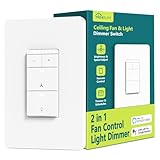
Best Smart Ceiling Fan Control 2026 For Effortless Comfort