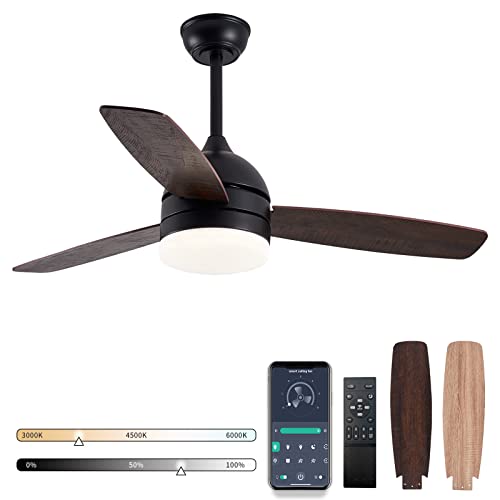
Which Way Should the Ceiling Fan Be Turning at Home?

Which way should the ceiling fan be turning sounds like one of those tiny household questions people brush aside until the room suddenly feels sticky, uneven, or downright uncomfortable. Funny enough, the fan direction changes more than airflow. It affects how cool a room feels, how heavy warm air lingers near the ceiling, and even whether the space feels fresh or stale after a long day indoors. A lot of folks crank the speed higher without realizing the blades might be spinning the wrong way entirely.
Summer heat can turn a bedroom into a sauna fast, especially in rooms with poor ventilation or afternoon sunlight pouring through the windows. Counterclockwise rotation usually pushes air downward, creating that refreshing wind-chill sensation people actually want. Still, ceiling height, blade angle, and room layout can throw a wrench into expectations. A fan spinning correctly but installed too high may still leave corners feeling muggy and lifeless.
Cold weather flips the whole conversation upside down. Clockwise rotation at a low speed helps move trapped warm air back into the living space instead of letting it collect near the ceiling like wasted heat. Plenty of people never touch the direction switch all year, then wonder why heating bills creep upward once temperatures drop. Small adjustments often make rooms feel steadier without constantly fiddling with the thermostat.
Ceiling fan direction also changes how comfortable a room feels during everyday routines. Sleeping under strong airflow might feel great in July but annoyingly chilly during cooler evenings. Dining spaces, home offices, and living rooms all react differently depending on furniture placement and air circulation patterns. Sometimes the issue isn’t the fan quality at all. The spin direction simply doesn’t match the season or the room’s actual needs.
Then there’s the frustration of standing beneath a fan trying to figure out whether it’s rotating the right way. Honestly, it trips people up more often than anyone admits. Looking at blade movement alone can feel confusing, especially with decorative fans or dark-colored blades. The easiest clue usually comes from airflow. Strong cooling breeze means summer mode. Gentle upward circulation means winter mode.
Which way should the ceiling fan be turning becomes a surprisingly practical detail once comfort, airflow, and energy habits start overlapping. Rooms feel calmer, less stuffy, and more balanced when the fan direction works with the season instead of against it. That subtle shift can change the entire mood of a space without replacing a single appliance or blasting the HVAC system nonstop.
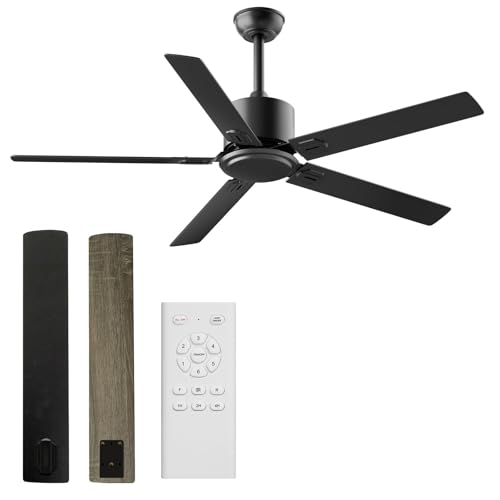
- LFR Score9.4
LFR Score is a ranking system developed by lightfansreviews.com. LFR Score has no relationship or impact from any manufacturers or sales agent websites. Learn more
- BrandObabala

- LFR Score9.0
LFR Score is a ranking system developed by lightfansreviews.com. LFR Score has no relationship or impact from any manufacturers or sales agent websites. Learn more
- BrandFanliving
- LFR Score9.0
LFR Score is a ranking system developed by lightfansreviews.com. LFR Score has no relationship or impact from any manufacturers or sales agent websites. Learn more
- BrandAsyko

- LFR Score8.8
LFR Score is a ranking system developed by lightfansreviews.com. LFR Score has no relationship or impact from any manufacturers or sales agent websites. Learn more
- BrandBOOSANT

- LFR Score8.8
LFR Score is a ranking system developed by lightfansreviews.com. LFR Score has no relationship or impact from any manufacturers or sales agent websites. Learn more
- BrandGJeg

- LFR Score8.8
LFR Score is a ranking system developed by lightfansreviews.com. LFR Score has no relationship or impact from any manufacturers or sales agent websites. Learn more
- BrandBell+Howell

- LFR Score8.6
LFR Score is a ranking system developed by lightfansreviews.com. LFR Score has no relationship or impact from any manufacturers or sales agent websites. Learn more
- BrandAmico
- LFR Score8.6
LFR Score is a ranking system developed by lightfansreviews.com. LFR Score has no relationship or impact from any manufacturers or sales agent websites. Learn more
- BrandASALL
Last update on 2026-06-11 / Affiliate links / Images, Product Titles, and Product Highlights from Amazon Product Advertising API
Which Way Should The Ceiling Fan Be Turning For Better Comfort
A room can feel weirdly sticky even while the fan spins above your head, and yep, that’s annoying. The speed might be cranked up, the windows might be closed, and the air still feels like it’s going nowhere. That’s where which way should the ceiling fan be turning becomes more than a small household detail. The right direction helps create cooling airflow, reduce stale pockets, and make the room feel more balanced without constantly messing with the thermostat.
Fan Direction Basics
Ceiling fan direction depends on the season, not just personal preference. During warm weather, the blades usually need to spin counterclockwise so air pushes downward and creates a cooling breeze. That breeze doesn’t lower the room’s actual temperature, but it helps skin feel cooler through air movement. Honestly, that’s why a room can feel better even before the air conditioner catches up.
Clockwise rotation works better during cooler months because it helps pull air upward and move warm air away from the ceiling. Warm air naturally rises, so a low-speed clockwise fan can gently recirculate that trapped heat. The trick is keeping the fan speed low enough that it doesn’t create a chilly draft. Too much speed in winter can make the room feel colder, which defeats the whole point.
Blade direction can be checked by standing under the fan and watching the movement carefully. Counterclockwise usually means the blades move from the top left down toward the right as they pass in front of you. Clockwise moves the other way and tends to feel softer beneath the fan. A quick airflow test with your hand often tells the truth faster than staring at spinning blades.
Which way should the ceiling fan be turning also depends on ceiling height, fan placement, and how the room is used. A bedroom needs comfort without harsh airflow across the bed. A living room may need wider air movement because sofas, curtains, and shelves interrupt circulation. Small rooms can feel breezy fast, while open spaces may need a higher speed to spread airflow evenly.
Summer Airflow Setup
Counterclockwise fan rotation is usually the better move for hot days because it pushes air downward. That downward airflow creates a wind-chill effect, which helps the room feel cooler even if the thermostat reading doesn’t change. The U.S. Department of Energy has long noted that ceiling fans cool people, not rooms, and that practical detail matters. So, leaving a fan running in an empty room usually wastes energy instead of helping comfort.
Summer comfort often comes down to how air touches the body. A fan above a bed, desk, or sofa should move enough air to feel refreshing without turning papers into confetti or drying out your eyes. Medium speed usually works better than blasting the fan at full power all day. Stronger airflow can help during peak heat, but too much breeze gets old fast.
Room layout changes how effective a ceiling fan feels. Tall furniture, heavy curtains, and awkward corners can block circulation and leave parts of the room stuffy. A simple ceiling fan direction check can solve part of the problem, but cleaning the blades matters too. To keep airflow from dragging dust around, refresh the blades with a practical tool like best duster ceiling fans before switching speeds.
Cooling airflow works best when the fan supports the air conditioner instead of fighting it. Set the fan counterclockwise, use a comfortable speed, and avoid pushing the thermostat lower every time the room feels warm. The breeze helps sweat evaporate faster, which is why the room feels easier to sit in. Small adjustment, big difference.
Winter Rotation Rules
Clockwise ceiling fan direction helps during winter because it pulls cooler air upward and nudges warm air back down along the walls. That movement is subtle, and it should stay that way. A low-speed setting keeps the air circulating without creating a noticeable draft. Think gentle mixing, not a wind tunnel.
Warm air circulation matters most in rooms with high ceilings, open stairways, or poor insulation. Heat tends to collect above head level, especially near vaulted ceilings. A slow clockwise fan helps bring some of that warmth back into the space people actually use. This can make the room feel steadier instead of warm near the ceiling and chilly near the floor.
Winter fan use isn’t always needed in every room. Small bedrooms with low ceilings may feel drafty even at low speed, especially if the fan hangs directly over the bed. In that case, turning it off may feel better than forcing the winter setting. Practical comfort beats rules every time.
Which way should the ceiling fan be turning in winter also depends on how your heating system behaves. Forced-air heat may already circulate air well in some homes, while baseboard heat can leave warmer air sitting higher. A ceiling fan can help smooth out those uneven spots. Just keep the speed gentle enough that the room still feels cozy.
Switch Location And Controls
Fan direction switches are often tiny, tucked away, and easy to miss. Many ceiling fans have a small slide switch on the motor housing near the blades. Older fans usually require you to stop the fan completely before changing direction. That small pause protects the motor and keeps the mechanism from taking unnecessary strain.
Remote-controlled fans may hide the direction setting in a button sequence, wall control, or app menu. Some models use a reverse button that only works after the blades stop spinning. If the fan doesn’t respond right away, don’t mash every button like the remote owes you money. Wait a few seconds, then try again while watching the blade direction.
Light fixtures can make the switch harder to reach, especially on fans with bulky glass shades or low-hanging kits. A keyless fixture setup may look simple, but the wiring and housing can still limit access around the fan body. For a clearer idea of that fixture style, compare it with keyless light fixture before assuming every ceiling setup works the same way. The more you know about the fixture, the easier it is to avoid rough handling.
Safety should come before any fan adjustment. Use a stable step stool, turn the fan off, and keep fingers away from blades until they stop fully. Pull chains can be useful, but they’re not a substitute for checking the actual direction setting. A careful reset takes a minute and saves a lot of frustration.
Room Comfort Clues
Airflow clues tell you whether the fan direction is helping or making the room feel worse. In summer, you should feel a direct breeze beneath the fan. In winter, you should feel little to no breeze directly below it, just a softer movement around the room. If the fan feels backwards, it probably is.
Hot spots near windows, corners, or upstairs rooms often reveal poor circulation. A fan spinning the right way can reduce that heavy, trapped feeling, but it won’t fix broken insulation or blocked vents. That’s where expectations need to stay realistic. A ceiling fan supports comfort, but it doesn’t replace proper cooling or heating.
Dust buildup can also change how the fan feels. Dirty blades move air less cleanly and may scatter grime around the room once speed increases. Dust can make a fan look dull, wobble slightly, or smell stale after sitting unused. Clean blades help ceiling fan airflow feel fresher and less irritating.
Style changes around the fan can affect the whole room too. A stained shade, faded fixture, or mismatched finish may make the ceiling area feel neglected even after the airflow is fixed. To refresh nearby lighting without replacing every piece, consider best paint fabric lamp shade for a small update that fits the room’s look. Comfort feels better when the space looks cared for, not patched together.
Which Direction Should Ceiling Fan Turn In Summer And Winter
Some rooms never seem to feel right no matter how long the fan runs. One corner stays warm, the couch feels stuffy, and the bedroom somehow turns chilly at three in the morning. Those little comfort problems usually trace back to ceiling fan direction more often than people expect. A simple seasonal adjustment can change how the entire room feels without replacing the fan or touching the thermostat.
Ceiling Height Changes Airflow
High ceilings make airflow behave differently because warm air rises and hangs far above the living space. A ceiling fan spinning the wrong way in a tall room often leaves the lower area uncomfortable even while the upper half feels warmer. Clockwise winter rotation helps pull cooler air upward and circulate trapped heat downward along the walls. That softer movement keeps the room steadier instead of blasting cold air directly onto people below.
Low ceilings need more careful airflow control because strong downward air can feel harsh fast. Bedrooms especially can become uncomfortable if the fan speed stays too high overnight. A medium or low counterclockwise setting usually feels more natural during summer sleeping conditions. The goal is comfort, not feeling like you’re stuck in a wind tunnel.
Fan blade size also affects how airflow spreads through the room. Smaller fans may struggle in open layouts, while oversized fans in tiny rooms can create uneven circulation. Ceiling height and blade span should work together instead of fighting each other. That balance helps reduce hot spots without overwhelming the space.
Lighting placement near the fan changes the atmosphere too. Bright overhead lights can make bedrooms feel sharper and less relaxing, especially late at night. For softer room balance around a ceiling fan, compare ideas from what is high key lighting before adjusting fixture brightness blindly. The airflow might be fixed already, while the lighting still makes the room feel uncomfortable.
Why Bedrooms Feel Different
Bedroom airflow feels more noticeable because people stay still for longer periods while sleeping. A fan that feels pleasant in the afternoon may become irritating at two in the morning once body temperature drops. Counterclockwise rotation during warm weather should create gentle cooling instead of aggressive airflow directly across the bed. Sometimes lowering the speed solves more comfort issues than changing the thermostat.
Winter bedroom comfort gets tricky because warm blankets and circulating air don’t always mix well. A low clockwise setting can help distribute warmth without creating cold drafts across exposed skin. Heavy comforters trap heat differently than lightweight bedding, so fan settings may need seasonal tweaks. Real comfort depends on how the room actually feels, not strict fan rules online.
Noise levels often become more obvious in bedrooms too. Dust buildup, loose screws, or unbalanced blades can create clicking and wobbling sounds that seem louder late at night. Fan direction won’t fix mechanical issues, but incorrect airflow can exaggerate discomfort. A room that feels too windy usually feels noisier too.
Bedroom design changes airflow patterns more than people realize. Thick curtains, tall dressers, and padded headboards interrupt circulation and create dead air pockets. Fan placement helps, but room arrangement matters just as much. Even changing bed orientation slightly can improve air movement around sleeping areas.
Seasonal Habits That Affect Comfort
Seasonal fan adjustments often get forgotten because the switch feels small and easy to ignore. Then summer arrives and the room feels heavy despite the fan spinning overhead all day. A quick direction reset usually solves part of the issue within minutes. Little maintenance habits tend to make a bigger difference than people expect.
Humidity changes how ceiling fan airflow feels throughout the year. Warm humid air feels sticky because sweat evaporates slower from the skin. Counterclockwise airflow helps speed up evaporation and creates a cooler sensation even before the room temperature changes. That’s why airflow matters so much during muggy evenings.
Dry winter air creates the opposite problem. Strong fan speed can make skin, eyes, and sinuses feel uncomfortable if the airflow becomes too aggressive. Clockwise circulation at lower speed usually keeps the room balanced without creating dryness around the face and hands. Subtle airflow tends to feel better during colder months.
Decor choices can influence comfort too. Dark fan finishes sometimes make smaller bedrooms feel visually heavier, while lighter tones keep ceilings feeling more open. To coordinate airflow and room appearance together, browse ideas from what color ceiling fan bedroom before swapping out fixtures randomly. Comfort often feels more complete when the fan visually fits the room as well.
Common Ceiling Fan Mistakes
Leaving the same fan direction year-round remains one of the most common household mistakes. Plenty of people never touch the reverse switch after installation. Then they wonder why summer airflow feels weak or winter rooms stay unevenly heated. A thirty-second adjustment can improve comfort faster than lowering or raising the thermostat repeatedly.
Running fans in empty rooms wastes electricity because ceiling fans cool people, not the room itself. The airflow helps skin feel cooler through evaporation and circulation. Once nobody’s inside the space, the fan keeps spinning without providing real benefit. Turning it off saves energy and reduces unnecessary motor wear.
Ignoring blade maintenance creates airflow problems too. Dust buildup changes how evenly the blades move air and may throw debris around once higher speeds kick in. Dirty blades can also trigger wobbling that feels distracting in quiet rooms. Regular cleaning keeps airflow smoother and reduces unnecessary strain on the motor.
Incorrect speed settings cause comfort issues more often than faulty equipment. Many people assume maximum speed equals maximum comfort, but aggressive airflow can feel irritating fast. Bedrooms usually benefit from moderate airflow, while large living rooms may need stronger circulation during hotter afternoons. Matching speed to room use matters more than blasting the fan nonstop.
How Airflow Affects Daily Living
Cooking smells, shower humidity, and crowded rooms all change indoor air quality faster than people think. A properly directed ceiling fan helps keep air moving so rooms feel fresher instead of stale and trapped. Kitchens and upstairs spaces especially benefit from steady circulation during warmer months. Air movement helps spaces recover faster after heat and moisture build up.
Home office comfort becomes more important during long workdays. Sitting beneath poor airflow for hours can leave the room feeling stuffy even with air conditioning running. Counterclockwise fan direction keeps air circulating around desks and electronics without making the room icy cold. Balanced airflow helps people stay more comfortable through long stretches indoors.
Pet owners often notice airflow issues quickly because animals react strongly to room temperature changes. Dogs may avoid overheated corners while cats hunt warmer spots during winter. Ceiling fan direction helps smooth out those temperature swings across the room. A balanced environment usually feels calmer for everyone inside the house.
Which way should the ceiling fan be turning stops feeling like a random maintenance detail once comfort problems start adding up day after day. Airflow affects sleep, focus, relaxation, and even how fresh the house feels after cooking or cleaning. Small direction changes can shift the mood of a room surprisingly fast. Sometimes the simplest fix is already hanging right above your head.


Best Small Flush Mount Ceiling Fans 2026 Ultimate Picks

Best Smart Ceiling Fan India 2026 For Effortless Comfort

Best Smart Ceiling Fans with Lights for 2026: Top Picks

Best Smart Home Non Ceiling Fans 2026 For Ultimate Comfort

Best Outdoor Misting Ceiling Fan 2026 For Ultimate Comfort

Best Outdoor Ceiling Fans For Porch 2026 With Style And Breeze

Best Smart Bulb For Ceiling Fan 2026 That Brightens Life
Best Smart Ceiling Fan Control 2026 For Effortless Comfort