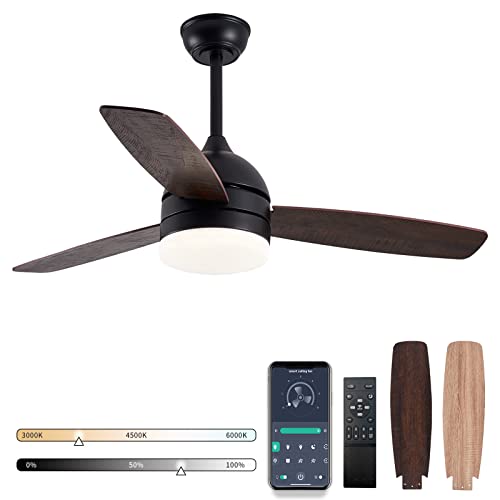
Which Way Should the Ceiling Fan Go for Heat?

Which way should the ceiling fan go for heat sounds like a tiny detail, yet it changes how a room feels during colder months. A lot of people crank up the thermostat, pile on blankets, and still end up with icy corners or uneven warmth drifting through the house. Meanwhile, warm air keeps hanging around the ceiling where nobody actually needs it. That’s where the right fan direction quietly pulls its weight.
Clockwise rotation during colder weather helps push trapped heat downward without blasting cold air directly onto people sitting below. Rooms with tall ceilings usually feel this problem the hardest because heat naturally rises and stays there. A ceiling fan running at a low speed helps redistribute that warmth so the entire room feels steadier and less drafty. Small changes like this often make evenings feel noticeably cozier without touching the thermostat every hour.
Ceiling fan direction for heat also matters more in bedrooms and living spaces where comfort shifts quickly during the night. Nobody wants to wake up freezing at 3 a.m. because warm air never reached the lower part of the room. Slow clockwise movement keeps the air circulating gently instead of creating that annoying wind-chill effect. The difference feels subtle at first, then suddenly the room stops feeling uneven and stuffy.
Some homeowners accidentally run fans too fast during winter and end up wondering why the room feels colder. That’s the catch. Speed matters just as much as direction. Low settings create soft circulation while high speeds can push cool air around and ruin the cozy atmosphere people expect during colder weather.
Which way should the ceiling fan go for heat becomes even more important in homes with fireplaces, vaulted ceilings, or older insulation. Heat tends to collect near the ceiling while floors stay chilly enough to make socks mandatory. Proper fan direction helps move that warmth downward more evenly across the room. Suddenly, the couch near the window doesn’t feel like a frozen corner anymore.
Energy bills sneak up fast during winter, especially when heating systems run nonstop trying to balance inconsistent room temperatures. Gentle air circulation helps reduce those hot-and-cold pockets that make people constantly adjust the thermostat. A ceiling fan won’t replace heating altogether, of course, but it can help rooms hold warmth more comfortably. That practical little adjustment often gets overlooked because it sounds almost too simple.
Older fans sometimes include tiny reverse switches hidden near the motor housing, while newer models use remote controls or wall settings. Plenty of people don’t even realize the reverse feature exists until winter hits hard. Once the fan spins correctly, rooms usually feel calmer and more balanced instead of stuffy near the ceiling and cold below. Little fixes like this tend to make everyday comfort feel far less frustrating.

- LFR Score9.6
LFR Score is a ranking system developed by lightfansreviews.com. LFR Score has no relationship or impact from any manufacturers or sales agent websites. Learn more
- BrandYueidung

- LFR Score9.2
LFR Score is a ranking system developed by lightfansreviews.com. LFR Score has no relationship or impact from any manufacturers or sales agent websites. Learn more
- BrandHoneywell

- LFR Score9.0
LFR Score is a ranking system developed by lightfansreviews.com. LFR Score has no relationship or impact from any manufacturers or sales agent websites. Learn more
- BrandFszdorj

- LFR Score8.8
LFR Score is a ranking system developed by lightfansreviews.com. LFR Score has no relationship or impact from any manufacturers or sales agent websites. Learn more
- BrandBell+Howell
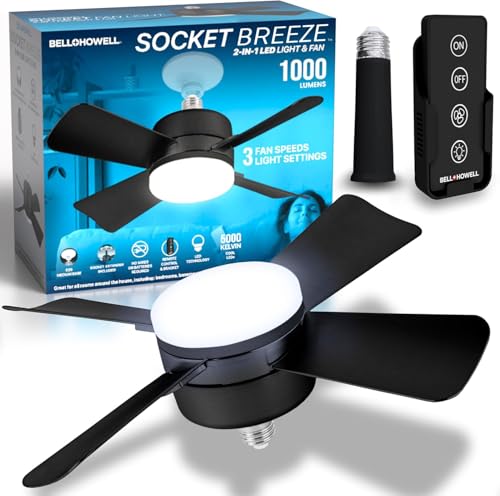
- LFR Score8.8
LFR Score is a ranking system developed by lightfansreviews.com. LFR Score has no relationship or impact from any manufacturers or sales agent websites. Learn more
- BrandBell+Howell

- LFR Score8.6
LFR Score is a ranking system developed by lightfansreviews.com. LFR Score has no relationship or impact from any manufacturers or sales agent websites. Learn more
- BrandAmico

Bell+Howell SocketAir Wireless Ceiling Fan Light with Remote Control, Extender,110-120
View on Amazon- LFR Score8.6
LFR Score is a ranking system developed by lightfansreviews.com. LFR Score has no relationship or impact from any manufacturers or sales agent websites. Learn more
- BrandBell+Howell

- LFR Score8.2
LFR Score is a ranking system developed by lightfansreviews.com. LFR Score has no relationship or impact from any manufacturers or sales agent websites. Learn more
- Brandbestmoument
Last update on 2026-06-11 / Affiliate links / Images, Product Titles, and Product Highlights from Amazon Product Advertising API
Which Way Should The Ceiling Fan Go For Heat
Cold feet, stuffy ceilings, and a thermostat that seems to beg for attention can make winter rooms feel downright stubborn. A fan feels like a summer tool at first glance, but which way should the ceiling fan go for heat becomes a real comfort question once warm air starts camping out overhead. The short answer is clockwise at low speed, because that gentle rotation helps move trapped warm air downward without creating a chilly breeze. Small switch, big difference.
Fan Direction For Warmth
Clockwise ceiling fan direction is the usual winter setting because it creates an upward pull in the center of the room and pushes warm air back down along the walls. That matters because warm air naturally rises, leaving the area near the floor cooler than the air near the ceiling. In a living room, that can mean the heater runs while the sofa still feels a little drafty. A low fan speed helps even things out without making the room feel windy.
The easiest way to check the setting is to stand below the fan and watch the blades. During colder months, the blades should move clockwise as you look up at them. You shouldn’t feel a strong downward breeze, either. If your shoulders feel air movement right away, the fan is probably spinning too fast or going the wrong way.
Low speed is the quiet hero here. High speed can stir up cold air near windows, floors, and door gaps, which defeats the whole point. Slow rotation keeps air moving gently, like stirring soup instead of splashing it around. That softer movement helps the room feel more balanced without making people reach for thicker socks.
Rooms with high ceilings usually benefit the most from this simple adjustment. Heat can stack up above head level, especially in vaulted rooms, stairwell-adjacent spaces, and open living areas. Running the fan clockwise helps bring some of that warmth back into the usable part of the room. It won’t replace insulation or a good heating system, but it can make comfort feel less hit-or-miss.
Why Heat Gets Trapped Near The Ceiling
Warm air rises because it is lighter than cooler air, so it naturally collects near the ceiling. That explains why a room can feel chilly at chair height even while the upper half of the room is noticeably warmer. In older homes, this problem often feels worse because gaps around windows, doors, and attic spaces let cooler air creep in. The result is a weird comfort split: toasty above, chilly below.
A ceiling fan set correctly helps reduce that temperature layering. Instead of letting warm air sit unused overhead, gentle circulation nudges it back into the living zone. This is especially helpful during long evenings when people stay in one room for hours. The room may not suddenly feel hot, but it often feels steadier and less drafty.
Ceiling height changes the whole experience. A standard eight-foot ceiling may need only a light fan setting, while a vaulted room may need a bit more patience before the warmth mixes well. The key is avoiding a breeze that makes skin feel cool. Comfort improves when the fan moves air quietly, slowly, and evenly.
Furniture layout can also affect how heat moves. Tall bookcases, large sectionals, curtains, and open stairways can interrupt airflow in sneaky ways. A fan won’t fix every cold pocket, but proper winter rotation helps reduce the most obvious temperature imbalance. That’s why the direction matters more than many people expect.
How To Set The Fan For Winter
Most ceiling fans have a small reverse switch near the motor housing. Flip that switch while the fan is off, then turn the fan back on and check whether the blades move clockwise. Some newer fans use a remote or wall control instead, so the reverse setting may be tucked into a button or menu. Either way, the goal stays the same: clockwise rotation at low speed.
Pull-chain fans can be a little annoying because speed and light controls often hang close together. Tugging the wrong chain over and over is a classic household frustration, especially in dim rooms. To keep the fan setup less fussy, fix stiff or broken pull controls before winter use, and for chain-related repairs, use this practical guide to fix ceiling fan light chain issues before the room gets colder. Small hardware problems tend to feel bigger once daily comfort depends on them.
Remote-controlled ceiling fans usually make seasonal changes easier. Look for a reverse icon, airflow symbol, or direction button. Some models require the fan to stop completely before reversing, while others handle the change electronically. Giving the motor a moment to rest helps avoid that awkward clicking or wobbling sound.
A quick comfort test helps more than overthinking blade angles. Stand near the sitting area, not directly under the fan, and wait a couple of minutes. The room should feel gently circulated, not breezy. If papers flutter or bare arms feel cool, turn the fan down or recheck the direction.
Common Mistakes That Make Rooms Feel Colder
The biggest winter mistake is running the fan counterclockwise like it’s summer. Counterclockwise rotation pushes air downward, which feels nice during hot weather but can create a cold draft during winter. That breeze may trick the body into feeling colder even while the thermostat reads the same. So, yes, direction really does matter.
Fan speed causes another sneaky comfort problem. A fan on medium or high can move too much air across skin, especially in bedrooms and TV rooms where people sit still for long periods. Low speed keeps the air from getting stale without making the room feel like a porch in January. Quiet circulation beats aggressive airflow every time.
Lighting can play a role too, especially in mixed-use rooms where ceiling fixtures and fans share the same space. Harsh overhead lighting makes a room feel less cozy, even if the temperature is fine. For workspaces or utility rooms that feel too bright and cold at night, soften the setup with better lighting control and compare ways to dim fluorescent office lights without turning the room into a cave. Comfort isn’t only about temperature; light quality changes the mood fast.
Another mistake is ignoring dust buildup on fan blades. Dust adds weight unevenly, which can cause wobbling, noise, or rough movement. A shaky fan makes people avoid using it, even when winter airflow would help. Cleaning the blades before switching direction keeps the fan quieter and makes the airflow feel smoother.
Room Types That Benefit Most
Living rooms often get the biggest payoff from winter fan direction because people spend longer stretches there. Warm air rises while everyone sits lower on sofas and chairs, so the comfort gap becomes obvious. Clockwise fan movement helps bring some of that trapped warmth back down. The room feels less like two climates stacked on top of each other.
Bedrooms need a softer touch. A fan can help move warm air, but too much airflow may disturb sleep or make the bed feel drafty. Low speed is usually the sweet spot, especially if the bed sits directly below the fan. The goal is steady warmth, not noticeable air movement.
Kitchens and dining areas can be trickier because cooking heat already changes the room temperature. A ceiling fan may help balance heat after the oven runs, but strong airflow can cool food or push smells around. Gentle clockwise movement works best after cooking, not during every meal. That keeps warmth distribution helpful rather than annoying.
Low-ceiling rooms may need a different fan style altogether. A bulky fan can feel too close overhead, and a light kit may make the ceiling look crowded. For compact spaces where head clearance matters, compare a cleaner profile like a flush mount ceiling fan no light so airflow stays useful without adding visual clutter. In smaller rooms, fit and clearance matter as much as blade direction.
How Fan Direction Affects Heating Costs
Ceiling fan direction for heat can support comfort without forcing the heater to do every bit of the work. The fan doesn’t create heat, of course, but it helps move existing warm air into the space where people actually feel it. That can reduce the urge to bump the thermostat every time the floor area feels cold. Over a long season, fewer thermostat tweaks can make a noticeable difference in household habits.
The U.S. Department of Energy has long noted that ceiling fans help people feel comfortable through air movement, though the fan should be turned off in empty rooms because fans cool people, not rooms. During winter, that reminder still matters. A fan running correctly helps occupied rooms feel more even, but leaving it on all day in unused spaces wastes electricity. Use it where people are, then shut it off when the room clears.
Thermostat behavior tells the real story. If a room feels cold near the floor, people often raise the heat before checking airflow. A low-speed clockwise fan may make the same thermostat setting feel more comfortable. That’s a practical win because comfort consistency often matters more than chasing a higher number on the wall.
There are limits, though. Drafty windows, poor insulation, and leaky attic spaces can still overpower good airflow. A fan can help redistribute warmth, but it won’t seal gaps or fix a weak heating system. Treat winter fan direction as one smart comfort move, not a magic fix for every cold room problem.
Best Speed Settings For Cold Weather
Low speed is usually the best setting for cold weather because it moves warm air without creating wind chill. That slow circulation keeps heat from sitting uselessly near the ceiling. People often expect a dramatic breeze, but winter fan use should feel almost invisible. If you barely notice the fan, you’re probably doing it right.
Medium speed may work in tall rooms, but only if the air doesn’t feel cool at sitting height. Vaulted ceilings sometimes need more movement because the warm air has farther to travel. Still, start low and adjust gradually. A fan should support room comfort, not announce itself from across the house.
High speed rarely makes sense for heating comfort. It can stir cold air near windows and floors, then push that chill through the room. That’s why some people try winter fan use once and swear it made things worse. Most of the time, the problem wasn’t the fan itself; it was too much speed or the wrong direction.
Noise is another clue. A winter fan should run quietly enough to fade into the background. Humming, rattling, or wobbling means the fan may need cleaning, tightening, or balancing. Smooth operation keeps air circulation helpful instead of distracting.
Best Ceiling Fan Direction Settings For Winter Heat
Some rooms never seem to settle into a comfortable temperature during winter. One corner feels stuffy, another feels cold enough to make people drag blankets from room to room, and the thermostat becomes a daily argument. That’s why best ceiling fan direction settings for winter heat matter more than many homeowners expect. A simple fan adjustment can help rooms feel calmer, warmer, and far less uneven without turning the house into a sauna.
How Blade Pitch Changes Airflow
Blade pitch affects how efficiently a ceiling fan moves warm air during winter. Steeper blade angles usually move more air, but that doesn’t always mean better comfort. In smaller rooms, aggressive airflow can create a chilly sensation even if the room temperature technically rises. A softer, balanced airflow tends to feel more natural during colder months.
Older ceiling fans sometimes struggle because their blade design was built mainly for summer cooling. The motor may still reverse direction properly, but the airflow can feel uneven or noisy. That’s where newer designs with balanced blade geometry often feel smoother and quieter. Less wobble also means less distraction during quiet evenings.
Heavy decorative blades may look stylish but can affect airflow efficiency if the motor lacks enough torque. Some fans rotate clockwise correctly yet barely move warm air because the motor is underpowered. Rooms with high ceilings need steady circulation, not just blade movement. The difference becomes obvious after sitting in the room for twenty minutes.
Low-profile fan styles can also help in tighter spaces where standard fans feel oversized. Rooms with lower ceilings often feel cramped with bulky fixtures hanging overhead. For cleaner airflow and a more compact appearance, compare whether flush mount ceiling fans better suit rooms where head clearance and comfort both matter. Smaller spaces usually benefit from a fan that blends into the room instead of dominating it.
Cold Spots That Fans Can Improve
Cold spots usually show up near windows, hallways, and poorly insulated exterior walls. Warm air drifts upward while cooler air settles lower around furniture and floor level. That uneven layering makes some seats comfortable while others feel miserable after sunset. A clockwise fan at low speed helps smooth out those temperature swings.
Rooms with hardwood or tile floors tend to feel colder during winter because those surfaces don’t hold warmth the way carpet does. A properly adjusted fan helps move heat downward so floors feel less icy in the morning. The room won’t suddenly feel tropical, of course, but heat distribution becomes more consistent. That’s often enough to make everyday routines feel easier.
Hallway-connected rooms also lose warmth faster than people realize. Air moves constantly between open spaces, especially in homes with staircases nearby. Running a ceiling fan in the main gathering room helps keep warm air from collecting uselessly near the ceiling. Even subtle airflow changes can reduce that annoying “cold hallway effect.”
Window treatments play a role too. Thin curtains let cooler air creep inward during winter nights, which creates chilly pockets near seating areas. A ceiling fan helps move heat around those cooler zones more evenly. Combined with proper insulation and sealed windows, winter airflow becomes noticeably more comfortable.
How Ceiling Height Affects Winter Comfort
Vaulted ceilings look beautiful, but they can be frustrating during winter. Warm air rises quickly and stays trapped high above the living space where nobody actually feels it. Ceiling fans help redirect some of that warmth downward so the room feels less divided between hot upper air and cold lower air. The taller the ceiling, the more noticeable this difference becomes.
Standard eight-foot ceilings usually need only a gentle fan speed. A low setting creates enough circulation without producing an obvious breeze. Rooms with taller ceilings may require slightly more airflow, though pushing the speed too high can backfire fast. Balanced circulation matters more than aggressive movement.
Open-concept homes often struggle with winter heat distribution because warm air drifts upward and spreads unevenly between connected rooms. Kitchen heat, hallway drafts, and staircases all change airflow patterns. A properly reversed ceiling fan helps keep warm air from stagnating overhead. That makes the whole space feel more cohesive instead of patchy.
Lighting fixtures can influence comfort too. Bright overhead bulbs sometimes make a room feel colder psychologically, especially late at night. Softer lighting usually creates a warmer atmosphere that pairs better with winter airflow adjustments. For evening comfort in entryways or outdoor-facing spaces, compare a dusk to dawn light bulb setup that keeps lighting steady without harsh brightness shifts.
Why Some Fans Feel Loud In Winter
Fan noise becomes far more noticeable during colder months because homes stay closed up longer. Windows remain shut, outdoor sounds disappear, and every little clicking or humming suddenly feels amplified. A ceiling fan that seemed fine in summer can become irritating during a quiet winter evening. Most of the time, dust buildup or loose screws are the real culprits.
Blade imbalance creates wobbling that often gets worse after reversing the fan direction. Dust collects unevenly across the blades, changing their weight distribution slightly over time. Cleaning the blades thoroughly before winter use helps reduce vibration and noise. Tightening loose hardware also improves smoother airflow and motor stability.
Some fans hum because the speed setting is too high for winter conditions. Fast rotation pushes more air than necessary and strains older motors. Lower speeds usually feel quieter and more comfortable anyway. A gentle hum is normal, but grinding, rattling, or clicking sounds deserve attention before they turn into bigger repair problems.
Cheap dimmer switches can also interfere with fan motors if the wiring setup isn’t compatible. Flickering lights and inconsistent fan speed often show up together in older homes. Replacing outdated controls can improve both lighting and airflow performance. Stable electrical flow helps maintain consistent motor operation during long winter use.
Winter Habits That Improve Heat Circulation
Furniture placement quietly affects how warm air moves through a room. Large sofas pressed directly against vents or radiators can trap heat in awkward areas while leaving other spots colder. Shifting furniture slightly sometimes improves airflow more than expected. Tiny layout adjustments can create surprisingly noticeable comfort changes.
Keeping interior doors open helps warm air move more evenly between connected rooms. Closed-off spaces tend to trap either heat or cold, depending on their location in the house. Ceiling fans support better circulation, but airflow still needs pathways to move naturally. A room with blocked circulation often feels uncomfortable no matter how high the thermostat climbs.
Layered winter habits matter too. Thick rugs reduce cold-floor discomfort while curtains help limit heat loss near windows. Ceiling fans then redistribute the remaining warm air more effectively throughout the room. These smaller changes work together to create steadier indoor warmth instead of dramatic hot-and-cold shifts.
Humidity affects comfort more than many people realize. Dry winter air often feels colder against skin even when temperatures stay reasonable. Running a humidifier alongside proper ceiling fan direction can help rooms feel warmer without overheating them. Comfortable indoor air usually comes from multiple small adjustments, not one dramatic fix.
Signs Your Ceiling Fan Setup Needs Adjustment
Uneven room temperature is usually the first warning sign that the fan setup needs attention. If one side of the room feels warm while another feels chilly, airflow may not be circulating properly. Ceiling fans should create gentle balance, not dramatic temperature differences. A quick direction check often solves the issue faster than increasing the thermostat.
Persistent drafts near seating areas suggest the fan speed is too high or spinning the wrong direction. Winter airflow should feel subtle enough that most people barely notice it. Strong air movement cools skin quickly, especially during colder nights. Lowering the speed usually restores comfortable circulation within minutes.
Ceiling condensation near bathrooms or kitchens can also hint at poor airflow balance during winter. Warm moist air rises and collects overhead if circulation remains weak. A properly adjusted ceiling fan helps move that air more evenly throughout the room. That added movement may reduce moisture buildup and help rooms feel less stuffy.
Rising heating costs without noticeable comfort improvement can point toward wasted warm air collecting near the ceiling. Many households raise the thermostat repeatedly because the lower half of the room never feels warm enough. Correct fan direction helps redistribute existing heat instead of constantly demanding more from the furnace. That shift creates more usable warmth from the heat already inside the room.
What To Expect After Reversing The Fan
Comfort changes from reversing a ceiling fan usually feel gradual rather than dramatic. The room may not suddenly feel hotter, but temperature differences start evening out over time. Floors feel less icy, seating areas become more consistent, and the heater cycles less aggressively. Those quieter changes often improve comfort more than people expect.
Most homeowners notice the biggest improvement during longer periods spent indoors. Watching movies, reading, or working in one room becomes more comfortable because the temperature stays steadier. The space feels less stuffy near the ceiling and less chilly near the floor. That balance creates a calmer indoor atmosphere during colder weather.
Some trial and error is normal. Different ceiling heights, insulation quality, and room layouts all affect airflow patterns slightly differently. A low speed that works perfectly in one room may feel too weak or too strong elsewhere. Paying attention to how the room actually feels matters more than obsessing over exact settings.
Winter ceiling fan use isn’t flashy, and honestly, that’s part of the appeal. Quiet circulation, softer warmth, and fewer temperature swings improve everyday comfort without much effort at all. Once rooms stop feeling uneven and drafty, most people wonder why they ignored the reverse switch for so long. Little adjustments often create the most satisfying changes around the house.


Best Small Flush Mount Ceiling Fans 2026 Ultimate Picks

Best Smart Ceiling Fan India 2026 For Effortless Comfort

Best Smart Ceiling Fans with Lights for 2026: Top Picks

Best Smart Home Non Ceiling Fans 2026 For Ultimate Comfort

Best Outdoor Misting Ceiling Fan 2026 For Ultimate Comfort

Best Outdoor Ceiling Fans For Porch 2026 With Style And Breeze

Best Smart Bulb For Ceiling Fan 2026 That Brightens Life
Best Smart Ceiling Fan Control 2026 For Effortless Comfort