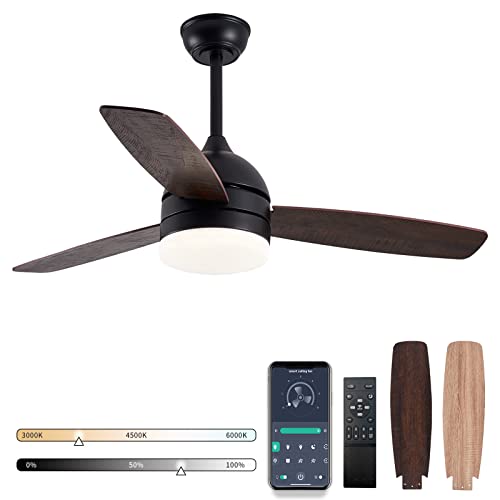
Which Way Should the Ceiling Fan Rotate for Comfort?

Which Way Should the Ceiling Fan Rotate sounds like a tiny detail until a room suddenly feels stuffy, uneven, or oddly warm even with the air running nonstop. Plenty of people flip on a ceiling fan and assume it’s doing the job, yet the wrong blade direction can quietly push warm air downward during summer or create that chilly draft nobody asked for in cooler months. Small adjustment. Big difference. A proper fan direction helps air circulate naturally instead of fighting against the room’s temperature.
Summer comfort usually depends on a counterclockwise spin because it pushes air downward and creates that breezy wind-chill effect. Rooms feel fresher without cranking the thermostat into overdrive, which honestly matters once utility bills start creeping up. Winter calls for the opposite motion. Clockwise rotation at a low speed gently pulls cooler air upward while redistributing trapped warm air near the ceiling, making the space feel more balanced without harsh airflow blowing directly onto people.
Ceiling fan rotation also affects sleep quality, cooking comfort, and even how air moves through awkward corners of a room. Bedrooms with poor airflow can feel sticky at night even if the temperature setting looks fine on paper. Kitchens often trap heat from ovens and stovetops, so airflow direction becomes surprisingly important during busy evenings. Then there’s the classic living room issue where one side feels freezing while the other side stays warm and stale. Proper rotation helps smooth out those uneven pockets of air.
Older ceiling fans sometimes complicate things because the direction switch hides near the motor housing and gets ignored for years. Dust buildup, wobbling blades, or incorrect speed settings can also reduce airflow efficiency. That’s why understanding which way should the ceiling fan rotate goes beyond a simple seasonal tip. It connects directly to comfort, airflow balance, and energy savings inside everyday spaces people actually live in.
Some rooms still won’t feel perfect even after changing the direction, and that’s normal. Ceiling height, blade pitch, furniture placement, and room size all play a role in airflow patterns. A fan spinning correctly in a compact bedroom may struggle in a large open-concept area with vaulted ceilings. Paying attention to airflow instead of relying purely on the switch position often leads to better results. Sometimes the difference shows up immediately. Other times it’s subtle, like waking up without feeling clammy or noticing the thermostat running less often.

- LFR Score10.0
LFR Score is a ranking system developed by lightfansreviews.com. LFR Score has no relationship or impact from any manufacturers or sales agent websites. Learn more
- BrandHSMKL

- LFR Score9.8
LFR Score is a ranking system developed by lightfansreviews.com. LFR Score has no relationship or impact from any manufacturers or sales agent websites. Learn more
- BrandGlowivia

- LFR Score9.0
LFR Score is a ranking system developed by lightfansreviews.com. LFR Score has no relationship or impact from any manufacturers or sales agent websites. Learn more
- BrandZMISHIBO
- LFR Score8.8
LFR Score is a ranking system developed by lightfansreviews.com. LFR Score has no relationship or impact from any manufacturers or sales agent websites. Learn more
- BrandLUDOMIDE

- LFR Score8.8
LFR Score is a ranking system developed by lightfansreviews.com. LFR Score has no relationship or impact from any manufacturers or sales agent websites. Learn more
- BrandGJeg

- LFR Score8.8
LFR Score is a ranking system developed by lightfansreviews.com. LFR Score has no relationship or impact from any manufacturers or sales agent websites. Learn more
- BrandAIKVSXER

- LFR Score8.8
LFR Score is a ranking system developed by lightfansreviews.com. LFR Score has no relationship or impact from any manufacturers or sales agent websites. Learn more
- BrandBell+Howell

- LFR Score8.8
LFR Score is a ranking system developed by lightfansreviews.com. LFR Score has no relationship or impact from any manufacturers or sales agent websites. Learn more
- Brandaddlon
Last update on 2026-06-11 / Affiliate links / Images, Product Titles, and Product Highlights from Amazon Product Advertising API
Which Way Should The Ceiling Fan Rotate For Better Airflow
A room can feel oddly sticky even when the thermostat looks reasonable. That little wobbling circle above your head may be moving air the wrong way, which makes which way should the ceiling fan rotate more than a random home-care question. The right direction helps create better airflow, steadier comfort, and fewer battles with hot corners, chilly drafts, or stale air that just sits there.
Ceiling Fan Direction Basics
Ceiling fan direction changes how air moves through a room, not the actual temperature of the air. That catches people off guard because a good breeze can make a room feel cooler without lowering the thermostat. In warmer months, the fan should usually spin counterclockwise as you look up at it. That motion pushes air downward and creates the familiar cooling effect on your skin.
Clockwise rotation does a different job. During cooler months, a low-speed clockwise spin pulls cooler air upward and helps move trapped warm air away from the ceiling. That matters most in rooms with tall ceilings, stairwells, open layouts, or heating vents that leave warm air hanging overhead. The airflow should feel gentle, not like a cold breeze smacking the back of your neck.
The simplest test is standing under the fan and feeling the air movement. Strong downward airflow usually means summer mode. Softer circulation with less direct breeze usually points to winter mode. Handy, right? A quick switch can fix a room that feels off without buying anything or calling anyone.
Most fans use a small switch on the motor housing, while newer fans may use a remote, wall control, or app. Always let the blades stop before changing direction because forcing the switch while the motor is moving can strain the mechanism. That tiny pause protects the fan and keeps the adjustment clean. Small habit, big payoff.
Summer Rotation For Cooling Comfort
Counterclockwise fan rotation is the usual warm-weather setting because it pushes air down into the living space. The air movement creates a wind-chill effect, which helps skin feel cooler even though the room temperature itself hasn’t changed. That’s why a ceiling fan can make a bedroom, office, or family room feel more livable during muggy afternoons. It’s not magic, but it sure feels close on a hot day.
The U.S. Department of Energy notes that ceiling fans can let many people raise the thermostat by about 4°F without reducing comfort. That doesn’t mean every room will feel the same, though. A small fan in a large room may not move enough air, while an oversized fan on high speed can feel annoying. Balance matters more than brute force.
Fan speed also changes the experience. High speed helps in hot, active spaces like kitchens, garages, or sunny upstairs rooms. Medium speed feels better for living rooms where papers, curtains, and lightweight decor can get tossed around. Low speed may be enough at night, especially if direct airflow makes sleep uncomfortable.
Ceiling fans should run only where people are present because they cool bodies, not empty rooms. Leaving a fan on all day in an unused space won’t lower the room temperature in the same way air conditioning does. For stronger airflow in oversized rooms, Compare airflow capacity with best large industrial ceiling fans before assuming a standard ceiling fan can handle a wide open area. That choice matters in workshops, patios, warehouses, or high-ceiling rooms where weak circulation gets swallowed fast.
Winter Rotation Without The Draft
Clockwise rotation on low speed helps move warm air that naturally rises and collects near the ceiling. Instead of blasting air downward, the fan creates a soft updraft that nudges warm air along the ceiling and back down the walls. That can make a heated room feel more even. The key is low speed, because winter airflow should feel barely noticeable.
A fan spinning too fast in winter creates the exact problem people hate. The room may technically have better circulation, but the moving air feels chilly on skin. That’s why the setting needs a light touch. Think gentle stirring, not a breeze strong enough to rattle blinds.
Vaulted ceilings and two-story rooms benefit the most from winter fan rotation. Warm air loves to camp near the ceiling while the sitting area stays cooler. A slow clockwise spin helps bring some of that heat back into the room where it actually matters. It’s especially useful near fireplaces, lofts, and open staircases.
Some homes still won’t feel balanced because poor insulation, drafty windows, or blocked vents can overpower the fan’s help. That’s not the fan failing. It just means air circulation is only one piece of the comfort puzzle. Fixing obvious drafts and keeping vents clear gives the fan a fair shot.
How To Check The Direction Quickly
Stand directly under the fan and look up while it runs at a safe speed. In summer, you should feel air pushing down clearly. In winter, the airflow should feel softer and less direct. That quick body-check often tells you more than staring at blade movement.
Blade direction can look confusing because ceiling fans vary by blade angle, motor style, and viewpoint. Instead of guessing from the spin alone, trust the airflow pattern. Downward breeze means cooling mode. Minimal direct breeze with gentle circulation usually means the fan is set for cooler weather.
Many fans have a physical reverse switch near the motor housing. Turn the fan off, wait for the blades to stop, then flip the switch. Some remotes require holding a fan button for a few seconds, while smart fans may hide the setting inside an app. Yep, the most useful setting can be annoyingly easy to miss.
Dust can make the airflow feel weaker than it should. A dirty blade edge disrupts smooth movement and can send dust across the room once the fan speeds up. Cleaning the blades before switching seasons helps maintain cleaner airflow and keeps the fan from looking neglected. A pillowcase over each blade works well for trapping loose dust without making a mess.
Room Size Changes The Result
Room size decides how noticeable the fan direction change feels. A compact bedroom usually responds fast because the fan can move air across most of the space. Large open rooms need wider blades, stronger airflow, or multiple fans to avoid dead zones. One small fan can’t always rescue a big, sun-soaked room.
Ceiling height matters too. Low ceilings make downward airflow feel stronger, sometimes too strong if the fan runs fast. High ceilings need better circulation because warm air rises farther away from where people sit or sleep. That’s why fan placement and blade span can matter as much as rotation direction.
Furniture layout can block airflow in sneaky ways. Tall bookcases, bunk beds, canopy frames, and bulky sectionals can interrupt the air path. A fan may be spinning correctly, yet the room still feels uneven because air can’t move freely. Shifting furniture even a little can improve airflow balance without changing the fan.
Lighting, heat from electronics, and direct sun can also change how a room feels. A home office with multiple monitors may stay warm even with the fan in the correct direction. For better recording or desk lighting setups that avoid extra heat buildup, Upgrade filming corners with best ring light for smartphone instead of relying on harsh lamps near your workspace. Less radiant heat makes the fan’s job easier.
Common Mistakes That Ruin Airflow
Running the fan the same way all year is the big one. Many people never touch the reverse switch after installation, so the fan quietly works against seasonal comfort. Summer needs a cooling downdraft. Winter needs gentle circulation that doesn’t create a cold draft.
Another mistake is using high speed for every situation. High speed feels useful during hot afternoons, but it can become irritating during meals, sleep, or winter heating. Speed control should match the room’s purpose. Bedrooms often need quieter movement, while kitchens can handle stronger airflow during cooking.
People also forget that ceiling fans don’t replace air conditioning in every climate. They support comfort by improving perceived cooling and air movement. On brutally humid days, a fan alone may not remove moisture or cool the room enough. Realistic expectations keep ceiling fan performance from turning into frustration.
Wrong assumptions cause odd fixes too. A dim light, dusty blade, or noisy motor may get blamed on rotation direction even when the real issue is maintenance. For a totally separate household check involving gemstone inspection, Use UV testing basics from how to test jade with uv light rather than guessing by appearance alone. Different problems need different tools, and mixing them up wastes time.
Which Way Should Ceiling Fan Turn In Summer And Winter
Some rooms never seem to feel comfortable for long. One corner stays warm, another feels chilly, and the air somehow turns stale even with the fan running all day. That frustration usually traces back to airflow direction, blade speed, or poor circulation habits people barely think about. A ceiling fan can absolutely improve comfort, but only if the blades move air the right way for the season and the room itself.
Small Rooms React Faster To Fan Direction
Compact bedrooms, home offices, and small guest rooms usually show airflow changes quickly after flipping the fan direction switch. Counterclockwise rotation creates immediate downward airflow, which helps reduce that sticky feeling during humid nights. Smaller rooms trap body heat faster, especially with closed doors and limited ventilation. A correctly rotating fan keeps air moving without making the room feel like a wind tunnel.
Low ceilings can change the experience too. A fan spinning too aggressively overhead may feel irritating instead of refreshing, especially during sleep. That’s why medium or low speed settings often feel better in smaller spaces. Strong airflow sounds useful at first, but nonstop blasting air can dry eyes, rattle decor, and create unnecessary noise.
Furniture placement affects circulation more than people expect. Tall wardrobes, heavy curtains, and oversized shelving can interrupt airflow patterns. The fan might technically rotate the correct way while parts of the room still feel stale. Moving furniture even a few inches sometimes improves air distribution more than increasing fan speed.
Color choices inside a room also shape comfort perception. Dark walls absorb more heat during sunny afternoons, while lighter shades reflect brightness and keep spaces feeling more open. Explore better room balance with what color ceiling fan with gray walls if airflow improvements still leave the room visually heavy or cramped. The right fan finish can soften the look of a room while complementing airflow upgrades.
High Ceilings Create Different Airflow Problems
Vaulted ceilings look beautiful, but they often create uneven temperatures that drive people crazy. Warm air rises naturally, so heat collects near the top while seating areas remain cooler below. A slow clockwise fan rotation helps redistribute that trapped warmth without creating a harsh draft. That subtle circulation can make large rooms feel less disconnected.
Oversized rooms also need realistic airflow expectations. One standard fan may struggle to circulate air evenly across an open-concept living area with tall ceilings and wide furniture spacing. Bigger blade spans or dual-fan setups often handle those conditions better. Stronger airflow doesn’t always mean more speed either. Sometimes wider blades at lower speeds create steadier circulation with less noise.
Ceiling height changes airflow intensity as well. A fan mounted too high may barely create noticeable movement in the living area below. Downrods help position the blades closer to where people actually sit, sleep, and relax. Proper installation improves comfort consistency far more than constantly adjusting the thermostat.
Sunlight exposure complicates things further. Rooms flooded with afternoon heat may still feel warm even with the correct fan direction. Fans improve air movement, but they can’t block radiant heat pouring through uncovered windows. Combining curtains, insulation, and balanced fan settings creates a much more stable indoor environment.
Noise Often Signals Airflow Trouble
Clicking, wobbling, or humming sounds usually point toward maintenance issues rather than airflow direction alone. Loose screws, dusty blades, or warped blade arms can disrupt smooth rotation and weaken circulation. Ignoring those sounds often makes the fan less effective over time. The airflow may start feeling uneven long before the noise becomes unbearable.
Dust buildup creates another hidden issue. Thick dust layers change blade balance and interfere with smooth airflow patterns. Once the fan speeds up, that dust spreads across furniture, bedding, and vents. Cleaning the blades regularly helps maintain better airflow efficiency while reducing irritation for anyone sensitive to dust or allergies.
Some ceiling fans naturally run louder at high speed, especially older models with worn motors. Lowering the speed slightly can smooth out airflow while reducing mechanical strain. Quiet airflow often feels more comfortable than aggressive air movement anyway. Bedrooms especially benefit from softer circulation during overnight use.
Electrical problems shouldn’t be ignored either. Flickering lights, delayed startup, or inconsistent speed settings may point toward wiring issues or aging capacitors. Dashboard warning symbols in vehicles work the same way by signaling something needs attention before it gets worse. Learn basic warning sign awareness through what is the triangle light on dashboard instead of brushing off small alerts until bigger problems appear.
Humidity Changes How Airflow Feels
Humid air feels heavier because moisture slows sweat evaporation from the skin. That’s why a room can technically be cool while still feeling uncomfortable. Counterclockwise fan rotation helps increase evaporation and creates a fresher sensation across the skin surface. Air movement becomes especially important during muggy evenings or rainy weather.
Bathrooms and kitchens deal with moisture constantly. Steam from showers, dishwashers, and cooking creates damp air pockets that linger around ceilings and corners. Ceiling fans won’t remove humidity entirely, but they help keep air circulating so moisture doesn’t settle as heavily. Better circulation also reduces that stale, trapped feeling after hot showers or long cooking sessions.
People often crank the fan to maximum speed hoping for instant relief. That can help temporarily, but nonstop high-speed airflow sometimes makes rooms feel chaotic rather than comfortable. A moderate setting paired with good ventilation usually creates steadier airflow comfort. Consistency beats brute force in most rooms.
Open windows can help or hurt depending on outdoor conditions. Dry evening air flowing through the house may improve comfort dramatically alongside proper fan direction. Hot humid air from outside may do the opposite. Paying attention to how the room actually feels matters more than blindly following a fixed setup year-round.
Seasonal Adjustments People Forget
Seasonal fan changes get overlooked constantly because the switch is usually hidden on the motor housing. People install the fan, leave the default setting untouched, and wonder why the room never feels quite right. Flipping the direction twice a year takes less than a minute but can noticeably improve airflow balance.
Spring and fall often create the most confusion because temperatures swing wildly throughout the day. Cool mornings may benefit from gentle circulation while warm afternoons call for stronger downward airflow. Adjusting fan speed instead of relying on one fixed setting helps rooms stay more comfortable during those unpredictable weather shifts.
Heating systems and air conditioning also influence how the fan should operate. Strong AC airflow combined with aggressive fan speed may make rooms feel overly cold. Weak heating systems paired with poor circulation leave cold pockets near floors and hallways. Matching fan direction with the season keeps airflow working alongside the HVAC system instead of against it.
Ceiling fans also age over time. Older motors lose efficiency, blade brackets loosen slightly, and airflow weakens gradually enough that people barely notice. Rebalancing blades, tightening screws, and cleaning the housing help restore smoother performance. Small maintenance habits often revive airflow quality more than expected.
Airflow Comfort Depends On Real Habits
Daily routines shape how effective ceiling fan airflow feels inside a home. Sleeping with closed doors, blocking vents with furniture, or keeping heavy curtains shut all day changes how air moves from room to room. A correctly rotating fan can only work with the airflow space available to it. Simple habits often create bigger comfort improvements than expensive upgrades.
Bedrooms usually benefit from softer, steady airflow during the night. Living rooms may need stronger circulation during busy evenings with multiple people and electronics generating heat. Kitchens often require temporary high-speed airflow after cooking. Matching fan settings to actual room use creates more natural comfort instead of relying on one constant speed.
People sensitive to cold drafts may prefer slower fan speeds even during warmer months. Others enjoy stronger airflow because they naturally run warmer or spend more time moving around indoors. Comfort isn’t identical for everyone, which explains why one person loves a ceiling fan while another immediately reaches for a blanket.
That’s really the whole point behind learning which way should the ceiling fan rotate. The fan isn’t there just to spin overhead and look decorative. Proper airflow direction helps rooms feel calmer, cleaner, cooler, and more balanced throughout the year without forcing heating and cooling systems to work overtime.


Best Small Flush Mount Ceiling Fans 2026 Ultimate Picks

Best Smart Ceiling Fan India 2026 For Effortless Comfort

Best Smart Ceiling Fans with Lights for 2026: Top Picks

Best Smart Home Non Ceiling Fans 2026 For Ultimate Comfort

Best Outdoor Misting Ceiling Fan 2026 For Ultimate Comfort

Best Outdoor Ceiling Fans For Porch 2026 With Style And Breeze

Best Smart Bulb For Ceiling Fan 2026 That Brightens Life
Best Smart Ceiling Fan Control 2026 For Effortless Comfort