Why Do Light Bulbs Explode and How to Prevent It?

Most people assume an exploding light bulb signals a dangerous surge or faulty wiring hidden inside the walls. That is rarely what happened. In reality, bulbs usually shatter when excessive heat weakens the glass or when a small electrical spark creates sudden pressure inside the casing. While the loud pop sounds scary, the problem almost always comes down to the bulb itself or how it sits in the socket, not a hidden house fire risk.
The exact cause depends on the style of bulb, your fixture shape, and the physical connection. Fully enclosed globes trap heat easily, which stresses bulbs that run too hot for that space. Pressurized halogen bulbs can shatter from finger oils creating hot spots, while loose socket metal causes sparks that break the seal. Here is what triggered the blowout and how to fix the fixture safely.
What to Do Right Now: Cut the Power and Clear Broken Glass Safely
Hearing a bulb shatter creates instant panic, but taking calm action keeps you safe. Follow these steps immediately to eliminate physical and electrical hazards before inspecting the fixture.
- Shut off the wall switch and the circuit breaker. Wall switches only cut power along one wire. Turning off the circuit breaker at your main electrical panel stops all current to the socket, preventing severe shocks while you clean up.
- Clear children and pets from the room. Glass shards can scatter up to ten feet across the floor. Keeping everyone out prevents sharp fragments from cutting bare feet or being tracked across carpets.
- Put on thick work gloves and sturdy shoes. Thin gloves tear easily on glass splinters or jagged metal. Sturdy leather or rubber work gloves protect your hands from deep cuts while handling broken materials.
- Sweep up the large pieces with a broom and dustpan. Carefully sweep inward toward the center of the room to collect large glass pieces. Never use bare hands because broken bulb glass has knife-like edges.
- Capture tiny glass splinters using duct tape or a damp paper towel. Vacuums can blow fine glass dust into the air or suffer punctured hoses. Pressing wide tape or wet paper towels against the floor lifts fine slivers safely.
- Put all broken shards inside a rigid container. Place the glass into a cardboard box or plastic container before throwing it away. Loose shards easily slice through thin trash bags and injure anyone handling the trash.
Excessive Heat and Mismatched Wattage: How Trapped Heat Cracks the Glass
Trapped heat is the most common reason standard household teardrop bulbs crack or blow apart. Incandescent bulbs create light by heating a filament, which is a thin glowing wire inside the glass. This process converts about ninety percent of electricity directly into heat rather than light. Every fixture carries a label specifying the maximum wattage it can safely handle.
Installing a 100-watt bulb into a 60-watt socket causes extreme heat buildup. This causes thermal shock, which is cracking caused by a sudden temperature jump across the glass surface. The glass expands unevenly, creating structural stress. A cool draft from an air conditioner vent hitting that overheated glass will snap it instantly.
Airtight fixtures make this problem worse. Sealed globes, flush mounts, and recessed cans trap hot air like an oven. Without room for heat to dissipate, the trapped heat weakens the adhesive binding the glass to the metal base, melts wire insulation, and causes the glass to shatter.
Loose Socket Connections: How Electrical Sparks Pop Bulbs
An unstable connection between the bulb base and the fixture socket can also pop a bulb unexpectedly. Loose connections cause electrical arcing, which is electricity jumping across loose metal parts. Each electrical jump generates a tiny spark reaching extreme temperatures, creating localized heat that can shatter the base of the bulb. Check these common socket issues to diagnose the problem:
- The bulb was screwed in loosely: If the bulb wobbles, current cannot flow smoothly. The resulting electrical sparks create extreme hot spots at the screw threads, stressing the glass until it fractures.
- A flattened socket tab: The socket tab is a small metal spring contact inside the fixture base that presses against the bottom point of the bulb. If bent flat from years of use, it loses contact with the bulb, causing intermittent sparking.
- Black soot or pitting on the socket threads: Scorch marks or rough metal inside the socket show that arcing occurred, creating intense heat every time the light is switched on.
- Buzzing or flickering before the pop: Audible buzzing or flickering light usually means electricity is jumping an unstable gap. If unaddressed, this turbulence often ends with a loud blowout.
- The bulb was over-tightened: Screwing a bulb in too hard can crush the brass socket tab or damage the glass seal at the neck, leading to sudden failure.
Halogen Skin Oil: Why Bare Fingertips Create Weak Hot Spots
Halogen bulbs produce brilliant light, but they run much hotter than standard incandescents. Instead of ordinary glass, halogen capsules use quartz glass to withstand intense pressure and heat. Touching halogen glass with bare fingers triggers an invisible chemical reaction that ruins the bulb.
Skin leaves natural oils on the quartz surface. When turned on, intense heat bakes those oils directly into the quartz. This creates an opaque spot that traps heat rather than letting it radiate outward. That hot spot expands faster than the clean quartz, stressing the capsule until it blisters and ruptures with a loud pop.
Always use clean cotton gloves or a paper towel when handling new halogen bulbs. If you accidentally touch the glass, wipe it clean with rubbing alcohol before turning the fixture back on. To replace these safely, check our guide on how to change a halogen light bulb safely at home.
Do LED Bulbs Explode: Cracked Plastic Versus Popped Internal Parts
Modern LED bulbs have largely replaced older incandescents, leading homeowners to wonder if they can blow up. Standard household teardrop bulbs using LED technology feature plastic globes rather than thin glass. Because plastic flexes, an LED bulb will almost never spray sharp glass shards across the room.
Even so, an LED bulb can still pop loudly and emit smoke. Inside the plastic base sits a small driver circuit. This driver contains a capacitor, which is a tiny cylinder storing electricity inside an LED, along with parts converting household power into direct current.
If an LED experiences a power surge or overheats inside an unventilated fixture, the capacitor can fail. The liquid electrolyte inside boils into high-pressure steam, bursting its metal casing with a pop that sounds like a breaking glass bulb. The plastic dome may crack, but no sharp glass shards scatter.
Removing the Stuck Metal Base Without Getting Shocked
When a bulb blows apart, the threaded metal base almost always remains lodged inside the socket. Removing this jagged ring requires caution to prevent cuts and electrical shocks. Follow these steps to remove the base safely:
- Confirm power is off at the circuit breaker. Never rely on a wall switch alone. Shut off the breaker controlling the room, and confirm zero voltage at the socket with a non-contact voltage tester before touching the fixture.
- Wear leather work gloves and safety glasses. Sharp glass often remains attached to the metal base. Leather gloves protect your hands, and safety glasses shield your eyes from falling splinters if working overhead.
- Grip the base with needle-nose pliers. Insert the tips of rubber-insulated pliers into the metal shell. Expand the jaws outward against the inner walls, or bend one edge inward to get a firm grip, then twist counterclockwise to unscrew the base.
- Use a firm raw potato if pliers slip. Cut a raw potato in half and press the cut end firmly into the jagged glass remains. Twist counterclockwise to back the base out, then wipe the socket completely dry with a clean cloth.
- Inspect the socket before using it again. Use a flashlight to check for melted plastic, scorched wiring, or a damaged socket tab. If the socket looks charred or brittle, have an electrician replace it.
Choosing the Right Bulb to Prevent Future Blowouts
Preventing future blowouts comes down to matching bulb construction to your fixture design. Managing heat and physical vibration is the key to keeping bulbs intact.
Fixtures near ceiling fans, garage openers, or entry doors experience constant vibration that damages standard bulbs. In these spots, choose shatter-resistant rough service bulbs. These models feature heavy-duty wire supports and protective coatings that keep glass intact if the filament breaks. Checking the best industrial light bulb options helps you find designs engineered for high-vibration environments.
When buying LED bulbs, verify that the package states "enclosed fixture rated" before installing them inside sealed globes, flush mounts, or airtight porch lights. Enclosed-rated bulbs use specialized heat sinks to draw warmth away from internal capacitors, preventing heat-related pops.
Always shop by lumens (actual brightness) rather than wattage (power used). An LED producing 800 lumens uses only about 9 watts of power, creating a fraction of the heat of an old 60-watt bulb. Lower heat is the best defense against explosive failures.

- LFR Score9.4
LFR Score is a ranking system developed by lightfansreviews.com. LFR Score has no relationship or impact from any manufacturers or sales agent websites. Learn more
- BrandJUNFMLY
- LFR Score9.4
LFR Score is a ranking system developed by lightfansreviews.com. LFR Score has no relationship or impact from any manufacturers or sales agent websites. Learn more
- BrandMAXvolador
- LFR Score9.4
LFR Score is a ranking system developed by lightfansreviews.com. LFR Score has no relationship or impact from any manufacturers or sales agent websites. Learn more
- BrandCHARKEE

- LFR Score9.4
LFR Score is a ranking system developed by lightfansreviews.com. LFR Score has no relationship or impact from any manufacturers or sales agent websites. Learn more
- BrandVgogfly

- LFR Score9.2
LFR Score is a ranking system developed by lightfansreviews.com. LFR Score has no relationship or impact from any manufacturers or sales agent websites. Learn more
- BrandWOWLUMEN

- LFR Score8.6
LFR Score is a ranking system developed by lightfansreviews.com. LFR Score has no relationship or impact from any manufacturers or sales agent websites. Learn more
- BrandRESISPA

- LFR Score6.8
LFR Score is a ranking system developed by lightfansreviews.com. LFR Score has no relationship or impact from any manufacturers or sales agent websites. Learn more
- BrandNABKRA

- LFR Score6.2
LFR Score is a ranking system developed by lightfansreviews.com. LFR Score has no relationship or impact from any manufacturers or sales agent websites. Learn more
- BrandNABKRA

- LFR Score6.0
LFR Score is a ranking system developed by lightfansreviews.com. LFR Score has no relationship or impact from any manufacturers or sales agent websites. Learn more
- BrandLOXYEE
- LFR Score6.0
LFR Score is a ranking system developed by lightfansreviews.com. LFR Score has no relationship or impact from any manufacturers or sales agent websites. Learn more
- BrandNABKRA
Last update on 2026-10-02 / Affiliate links / Images, Product Titles, and Product Highlights from Amazon Product Advertising API
FAQs
Does an exploding light bulb mean my house wiring is dangerous?
In most cases, an isolated exploding bulb stems from trapped heat, improper wattage, or a defective bulb rather than bad wiring. But if bulbs repeatedly pop or flicker across multiple rooms, your home may have severe voltage surges or a loose neutral wire. In that situation, turn off the affected circuits and call a licensed electrician.
Why did my light bulb make a loud gunshot noise when it popped?
Incandescent and halogen bulbs are sealed with a partial vacuum or inert gas inside. When the glass fractures or the filament vaporizes, outside air rushes into that low-pressure void in a split second. That violent rush of air creates a sharp acoustic shockwave that sounds like a gunshot or a loud firecracker.
Can a power surge cause a light bulb to shatter?
Yes, power surges can destroy a bulb in a split second. A voltage spike sends a massive rush of current through the thin filament, vaporizing the wire into hot metal gas. This gas allows electricity to arc across the bulb, creating sudden pressure and heat that blows the glass outward.
How can I tell if my fixture needs an enclosed-fixture rated bulb?
If a fixture encloses the bulb inside a glass globe, sealed dome, or recessed ceiling can without airflow vents, it is an enclosed fixture. Standard bulbs trap heat in these spaces, ruining internal parts. Look for the phrase "enclosed fixture rated" on the box before installing any bulb in a fully sealed cover.

Best Bulb For Exposed Light 2026 That Shines Bright

Best Industrial Light Bulb Reviews: Top Picks for 2026
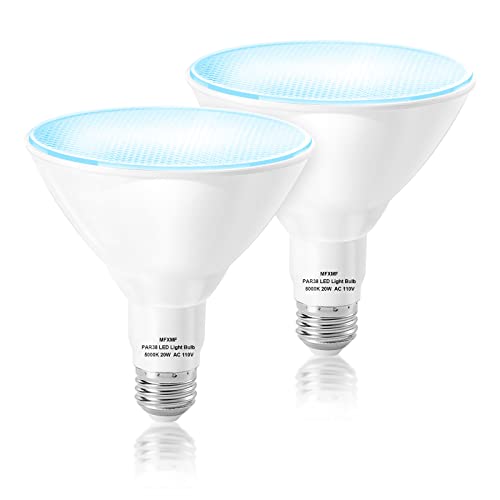
Best Outdoor Light Bulb Reviews: Top-Rated Picks for 2026
Best LED Reading Light Bulb Reviews - Top Picks for 2026

Best Vintage Light Bulb 2026 With Style And Glow
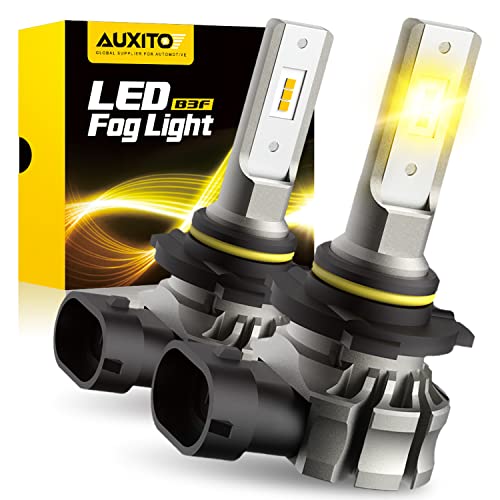
Best Yellow Fog Light Bulb 2026 For Clearer Night Drives

Best Z Wave Light Bulb 2026 Top Picks For Smart Control
Best Light Bulb For Vanity Mirror 2026 Brightness Boost