
Best Fan for Garage Vent 2026: Cooler Air, Less Fuss

A closed garage can turn stuffy fast, especially after a car pulls in with a hot engine or afternoon sun bakes the door and roof. The best fan for garage vent should move that trapped air outside rather than simply stir it around the room. That difference matters because a regular floor fan may feel refreshing at the workbench while heat, odors, and moisture continue collecting near the ceiling. Proper exhaust placement creates a steady path for stale air to leave and fresher air to enter through a cracked door, window, or dedicated intake vent.
Airflow capacity deserves attention, but a bigger number isn’t automatically better. A modest one-car garage may need far less airflow than a deep two-car space filled with tools, storage racks, and heat-producing equipment. An oversized fan can create unnecessary noise, pull conditioned air from an attached home, or struggle if there isn’t enough replacement air coming in. Matching the fan to the room size and vent opening usually produces better results than buying the strongest model on the shelf.
Mounting location can make or break the setup. Hot air rises, so a wall-mounted or gable-mounted exhaust fan positioned high on an exterior wall often clears heat more effectively than a low portable fan. Still, workshop fumes and sanding dust may call for airflow closer to the source, particularly if projects happen in one fixed area. A practical layout pulls unwanted air away from the breathing zone instead of dragging it across the room first.
Noise becomes a real concern once the fan runs beside a workbench, home gym, laundry area, or hobby station. Quiet operation makes longer run times far less irritating, though quieter models sometimes trade raw airflow for a calmer sound profile. Metal shutters can also rattle in gusty weather, while poorly fitted housings may transfer vibration into wall framing. Rubber isolation pads, firm mounting, and a correctly sized opening help tame the buzzing and clatter that cheaper installations often create.
Automatic controls add convenience without demanding constant attention. A thermostat-controlled garage fan can switch on as temperatures climb, while a humidity sensor helps manage damp air after wet vehicles, rainy weather, or repeated floor washing. Timers work well for clearing lingering odors after parking or finishing a messy project. Manual switches remain simpler and cheaper, but they’re easy to forget until the room already feels like an oven.
Weather protection matters too, since an exterior vent can invite rain, insects, cold drafts, and debris. Backdraft dampers or automatic shutters close when the fan stops, reducing unwanted airflow through the opening. Screens may block pests, although very fine mesh can restrict airflow and collect dust quickly. A removable cover or accessible grille saves a lot of frustration once seasonal cleaning rolls around.
No garage ventilation fan replaces safe handling of fuel vapors, carbon monoxide, paint fumes, or other hazardous materials. Engines shouldn’t idle inside, and flammable vapors require equipment and installation methods suited to the actual risk. For ordinary heat, humidity, and stale air, though, a thoughtfully sized exhaust fan can make the space noticeably easier to use. The sweet spot is steady ventilation, manageable sound, simple maintenance, and enough intake air to let the fan breathe.

- LFR Score9.4
LFR Score is a ranking system developed by lightfansreviews.com. LFR Score has no relationship or impact from any manufacturers or sales agent websites. Learn more
- BrandJVO

- LFR Score9.2
LFR Score is a ranking system developed by lightfansreviews.com. LFR Score has no relationship or impact from any manufacturers or sales agent websites. Learn more
- BrandiLiving

- LFR Score9.2
LFR Score is a ranking system developed by lightfansreviews.com. LFR Score has no relationship or impact from any manufacturers or sales agent websites. Learn more
- BrandVEVOR

- LFR Score9.2
LFR Score is a ranking system developed by lightfansreviews.com. LFR Score has no relationship or impact from any manufacturers or sales agent websites. Learn more
- BrandiLiving

- LFR Score9.0
LFR Score is a ranking system developed by lightfansreviews.com. LFR Score has no relationship or impact from any manufacturers or sales agent websites. Learn more
- BrandVEVOR

- LFR Score9.0
LFR Score is a ranking system developed by lightfansreviews.com. LFR Score has no relationship or impact from any manufacturers or sales agent websites. Learn more
- BrandVENTISOL
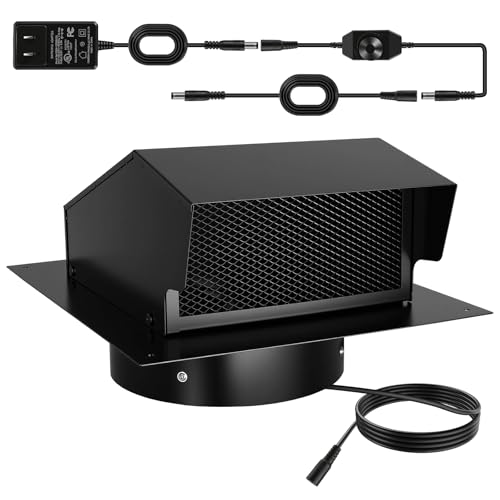
- LFR Score9.0
LFR Score is a ranking system developed by lightfansreviews.com. LFR Score has no relationship or impact from any manufacturers or sales agent websites. Learn more
- BrandUSDGTKN

- LFR Score9.0
LFR Score is a ranking system developed by lightfansreviews.com. LFR Score has no relationship or impact from any manufacturers or sales agent websites. Learn more
- BrandiLiving

- LFR Score8.6
LFR Score is a ranking system developed by lightfansreviews.com. LFR Score has no relationship or impact from any manufacturers or sales agent websites. Learn more
- BrandVEVOR

- LFR Score8.6
LFR Score is a ranking system developed by lightfansreviews.com. LFR Score has no relationship or impact from any manufacturers or sales agent websites. Learn more
- BrandAmico
- LFR Score8.6
LFR Score is a ranking system developed by lightfansreviews.com. LFR Score has no relationship or impact from any manufacturers or sales agent websites. Learn more
- BrandVEVOR
Last update on 2026-07-08 / Affiliate links / Images, Product Titles, and Product Highlights from Amazon Product Advertising API
JVO 20-Inch Exhaust Fan for Garage Ventilation
Heat that lingers above a workbench can turn a simple repair into a sweaty, drawn-out chore. Opening the garage door helps, but it also invites bugs, dust, rain, and curious eyes from the street. The JVO model addresses that headache as a best fan for garage vent candidate by pushing stale indoor air outside through a dedicated wall opening. Its 3,500 CFM airflow is aimed at larger spaces where a small window fan would barely make a dent.
JVO 20-Inch Exhaust Fan
The JVO fan is built around a straightforward idea: move a large amount of air without turning installation into an electrical project. A preinstalled 5.4-foot power cord means the unit can plug into a suitable 120-volt outlet after it has been securely mounted. That setup removes the need to hardwire the fan, which can lower the practical barrier for a workshop or garage ventilation upgrade. Still, the wall opening and mounting work require careful measuring, solid framing, and weather-resistant sealing.
Its 20-inch size places this fan well above compact exhaust models intended for bathrooms or small storage rooms. The stated 3,500 CFM output suits spaces where heat builds quickly from sun exposure, machinery, parked vehicles, or limited natural airflow. Air movement at this scale can clear a stuffy room faster, provided fresh replacement air has a way to enter. Without an open window, intake grille, or slightly raised door, even a powerful exhaust fan may pull against a pressure imbalance.
The design also fits more than one setting, including garages, workshops, greenhouses, attics, barns, warehouses, and basements. That flexibility comes from the combination of high-volume airflow, corrosion-resistant components, and wall-mounted exhaust operation. The same strength can be excessive in a small enclosed room, though, especially where noise and rapid pressure changes matter. Proper sizing remains more useful than simply chasing the largest airflow figure available.
Airflow That Tackles Trapped Garage Heat
A garage often feels hottest near the ceiling because warm air rises and gets trapped under the roof or upper wall area. Mounting this fan high on an exterior wall allows its exhaust pattern to work with that natural heat movement instead of fighting it. Running at a listed 1,309 RPM, the motor drives air outward rather than recirculating it around shelves and vehicles. That distinction matters because circulation alone may cool skin while doing little to remove the room’s stored heat.
The stated 7.5 meters-per-second air speed supports a forceful discharge, which can be useful after welding, woodworking, lawn-equipment maintenance, or other messy garage tasks. Dust and odors won’t vanish instantly, and the fan shouldn’t replace source capture for hazardous fumes, but steady exhaust can reduce how long ordinary stale air hangs around. Positioning matters here. Pulling air past the work area toward the fan usually produces a cleaner flow path than mounting the unit directly beside the main intake opening.
Large airflow comes with tradeoffs that deserve plain talk. A fan moving 3,500 cubic feet per minute may be louder and more noticeable than a smaller residential unit, especially when attached to a thin wall panel. Vibration control, tight fasteners, and a rigid mounting frame can help prevent buzzing or rattling. The motor’s strength is useful, but the surrounding structure has to be prepared for it.
Air replacement can also affect nearby rooms in an attached garage. If the connecting door leaks, the fan may draw cooled or heated household air into the garage instead of pulling outdoor air through a planned intake. A dedicated vent on the opposite side of the space helps protect airflow efficiency and creates a more predictable cross-breeze. That small planning step often matters as much as the fan’s raw output.
Automatic Shutters Reduce Daily Fuss
The automatic gravity shutters are one of the JVO fan’s most practical features. They open as airflow pushes outward, then close after the motor stops, so there’s no separate lever to remember. This automatic shutter system helps limit rain, leaves, insects, and loose debris from entering through the fan opening. It also reduces the wide-open draft that a bare wall vent would create during cold or windy weather.
Gravity shutters are simple, but they aren’t completely maintenance-free. Dust can collect around the pivot points, and sticky residue from workshops or garages may keep the blades from closing cleanly. An occasional wipe-down helps preserve smooth shutter movement and keeps the fan from chattering in light wind. Easy access should be considered during installation, since a fan mounted too high or boxed behind storage becomes a pain to clean.
The shutters also provide a neater exterior appearance than an uncovered exhaust opening. Closed blades help the wall look finished while protecting the interior from direct exposure. They shouldn’t be treated as a substitute for proper flashing, caulk, or an exterior hood where local weather conditions demand more protection. Weather sealing around the frame remains essential because water can sneak through gaps even when the shutter blades are closed.
Aluminum Blades and Corrosion Resistance
Garage ventilation hardware deals with more moisture than many people expect. Wet vehicles, humid summer air, floor washing, and temperature swings can all encourage rust on ordinary steel components. The JVO uses aluminum shutters and blades, which are intended to resist corrosion under damp and hot conditions. That material choice makes sense for greenhouses, barns, basements, and garages where humidity isn’t always under control.
Aluminum also keeps rotating parts lighter than comparable heavy steel blades. Lower blade weight can reduce the burden on the motor during startup, although long-term durability still depends on balance, fastener quality, and regular cleaning. Bent shutter slats or blade damage can create vibration, so the unit should be protected during installation. Rigid but lightweight construction is useful only when the frame stays square and the blades remain unobstructed.
The product name identifies steel blades while the supplied feature description states aluminum blades, so that material detail should be confirmed on the current product listing or packaging before installation. That discrepancy doesn’t automatically change the ventilation function, but it may affect corrosion expectations and maintenance planning. A careful buyer should rely on the exact unit specifications rather than assumptions based on a shortened title. Material verification is especially sensible for humid garages or agricultural spaces.
Plug-In Setup Is Convenient but Not Effortless
The power cord is a genuine convenience because it removes one of the more intimidating parts of fan installation. Once the unit is mounted near an appropriate outlet, the plug-and-run design makes operation straightforward. There’s no need to add a separate wall controller unless the layout or routine calls for one. A switched outlet, timer, or compatible control can still make everyday use easier, but electrical compatibility should be checked first.
Physical installation is the bigger job. A 20-inch fan needs a properly sized wall opening, stable support, and enough clearance for the shutters to move freely. Cutting through siding, sheathing, masonry, or insulated panels isn’t a casual Saturday task if the structure hasn’t been inspected. Accurate framing and sealing matter because a crooked opening can bind the shutters, transfer vibration, or let water into the wall.
The included 5.4-foot cord offers some flexibility, yet it may not reach an existing outlet in every garage. Extension cords aren’t a good permanent answer unless they meet the fan manufacturer’s requirements and applicable electrical rules. Outlet location, circuit capacity, and cord routing should be planned before the wall is cut. Safe power access is part of the installation, not an afterthought.
Basement ventilation raises similar questions about moisture, outlet placement, and available wall openings, and a related reference appears in basement fan options for spaces with different airflow demands. The JVO’s large frame may suit an unfinished basement with exterior access, but it can be difficult to place in finished rooms or narrow window wells. Smaller exhaust designs may be easier to fit where structural changes are limited. Installation space should steer the decision before airflow numbers do.
Strengths, Weaknesses, and Realistic Use
The biggest strength is easy to spot: 3,500 CFM capacity gives this fan the muscle to exchange air in a garage, shop, or greenhouse more aggressively than compact household fans. Automatic shutters add protection without requiring a separate daily step. The corded connection also keeps basic operation simple after mounting. Together, those features address heat buildup, stale air, moisture, and ordinary odors with a fairly direct mechanical solution.
Its size is also the main weakness. A 20-inch opening isn’t subtle, and the required wall modification may be impractical for renters, finished garages, or buildings with masonry walls. The fan may produce more sound and draft than expected in a small space. Large-scale ventilation delivers results, but it demands more planning than placing a portable fan near the door.
The unit also lacks the automatic temperature or humidity controls mentioned in the supplied details. That means operation depends on plugging it in, using an outlet switch, or pairing it with a suitable external controller. For occasional workshop use, manual control may be perfectly reasonable. For a greenhouse, attic, or consistently hot garage, automatic control could make the setup far more convenient.
Safety expectations need to stay grounded. This fan can remove ordinary heat, dust, moisture, and unpleasant smells, but it isn’t described as explosion-proof equipment or a substitute for proper carbon monoxide protection. Engines shouldn’t idle inside a closed garage, and flammable vapors require ventilation equipment rated for that environment. Used within those limits, the JVO offers strong exhaust airflow with a practical shuttered design and fewer wiring complications than many industrial-style fans.
JVO 20-Inch Exhaust Fan for Garage Ventilation
Heat that lingers above a workbench can turn a simple repair into a sweaty, drawn-out chore. Opening the garage door helps, but it also invites bugs, dust, rain, and curious eyes from the street. The JVO model addresses that headache as a best fan for garage vent candidate by pushing stale indoor air outside through a dedicated wall opening. Its 3,500 CFM airflow is aimed at larger spaces where a small window fan would barely make a dent.
JVO 20-Inch Exhaust Fan
The JVO fan is built around a straightforward idea: move a large amount of air without turning installation into an electrical project. A preinstalled 5.4-foot power cord means the unit can plug into a suitable 120-volt outlet after it has been securely mounted. That setup removes the need to hardwire the fan, which can lower the practical barrier for a workshop or garage ventilation upgrade. Still, the wall opening and mounting work require careful measuring, solid framing, and weather-resistant sealing.
Its 20-inch size places this fan well above compact exhaust models intended for bathrooms or small storage rooms. The stated 3,500 CFM output suits spaces where heat builds quickly from sun exposure, machinery, parked vehicles, or limited natural airflow. Air movement at this scale can clear a stuffy room faster, provided fresh replacement air has a way to enter. Without an open window, intake grille, or slightly raised door, even a powerful exhaust fan may pull against a pressure imbalance.
The design also fits more than one setting, including garages, workshops, greenhouses, attics, barns, warehouses, and basements. That flexibility comes from the combination of high-volume airflow, corrosion-resistant components, and wall-mounted exhaust operation. The same strength can be excessive in a small enclosed room, though, especially where noise and rapid pressure changes matter. Proper sizing remains more useful than simply chasing the largest airflow figure available.
Airflow That Tackles Trapped Garage Heat
A garage often feels hottest near the ceiling because warm air rises and gets trapped under the roof or upper wall area. Mounting this fan high on an exterior wall allows its exhaust pattern to work with that natural heat movement instead of fighting it. Running at a listed 1,309 RPM, the motor drives air outward rather than recirculating it around shelves and vehicles. That distinction matters because circulation alone may cool skin while doing little to remove the room’s stored heat.
The stated 7.5 meters-per-second air speed supports a forceful discharge, which can be useful after welding, woodworking, lawn-equipment maintenance, or other messy garage tasks. Dust and odors won’t vanish instantly, and the fan shouldn’t replace source capture for hazardous fumes, but steady exhaust can reduce how long ordinary stale air hangs around. Positioning matters here. Pulling air past the work area toward the fan usually produces a cleaner flow path than mounting the unit directly beside the main intake opening.
Large airflow comes with tradeoffs that deserve plain talk. A fan moving 3,500 cubic feet per minute may be louder and more noticeable than a smaller residential unit, especially when attached to a thin wall panel. Vibration control, tight fasteners, and a rigid mounting frame can help prevent buzzing or rattling. The motor’s strength is useful, but the surrounding structure has to be prepared for it.
Air replacement can also affect nearby rooms in an attached garage. If the connecting door leaks, the fan may draw cooled or heated household air into the garage instead of pulling outdoor air through a planned intake. A dedicated vent on the opposite side of the space helps protect airflow efficiency and creates a more predictable cross-breeze. That small planning step often matters as much as the fan’s raw output.
Automatic Shutters Reduce Daily Fuss
The automatic gravity shutters are one of the JVO fan’s most practical features. They open as airflow pushes outward, then close after the motor stops, so there’s no separate lever to remember. This automatic shutter system helps limit rain, leaves, insects, and loose debris from entering through the fan opening. It also reduces the wide-open draft that a bare wall vent would create during cold or windy weather.
Gravity shutters are simple, but they aren’t completely maintenance-free. Dust can collect around the pivot points, and sticky residue from workshops or garages may keep the blades from closing cleanly. An occasional wipe-down helps preserve smooth shutter movement and keeps the fan from chattering in light wind. Easy access should be considered during installation, since a fan mounted too high or boxed behind storage becomes a pain to clean.
The shutters also provide a neater exterior appearance than an uncovered exhaust opening. Closed blades help the wall look finished while protecting the interior from direct exposure. They shouldn’t be treated as a substitute for proper flashing, caulk, or an exterior hood where local weather conditions demand more protection. Weather sealing around the frame remains essential because water can sneak through gaps even when the shutter blades are closed.
Aluminum Blades and Corrosion Resistance
Garage ventilation hardware deals with more moisture than many people expect. Wet vehicles, humid summer air, floor washing, and temperature swings can all encourage rust on ordinary steel components. The JVO uses aluminum shutters and blades, which are intended to resist corrosion under damp and hot conditions. That material choice makes sense for greenhouses, barns, basements, and garages where humidity isn’t always under control.
Aluminum also keeps rotating parts lighter than comparable heavy steel blades. Lower blade weight can reduce the burden on the motor during startup, although long-term durability still depends on balance, fastener quality, and regular cleaning. Bent shutter slats or blade damage can create vibration, so the unit should be protected during installation. Rigid but lightweight construction is useful only when the frame stays square and the blades remain unobstructed.
The product name identifies steel blades while the supplied feature description states aluminum blades, so that material detail should be confirmed on the current product listing or packaging before installation. That discrepancy doesn’t automatically change the ventilation function, but it may affect corrosion expectations and maintenance planning. A careful buyer should rely on the exact unit specifications rather than assumptions based on a shortened title. Material verification is especially sensible for humid garages or agricultural spaces.
Plug-In Setup Is Convenient but Not Effortless
The power cord is a genuine convenience because it removes one of the more intimidating parts of fan installation. Once the unit is mounted near an appropriate outlet, the plug-and-run design makes operation straightforward. There’s no need to add a separate wall controller unless the layout or routine calls for one. A switched outlet, timer, or compatible control can still make everyday use easier, but electrical compatibility should be checked first.
Physical installation is the bigger job. A 20-inch fan needs a properly sized wall opening, stable support, and enough clearance for the shutters to move freely. Cutting through siding, sheathing, masonry, or insulated panels isn’t a casual Saturday task if the structure hasn’t been inspected. Accurate framing and sealing matter because a crooked opening can bind the shutters, transfer vibration, or let water into the wall.
The included 5.4-foot cord offers some flexibility, yet it may not reach an existing outlet in every garage. Extension cords aren’t a good permanent answer unless they meet the fan manufacturer’s requirements and applicable electrical rules. Outlet location, circuit capacity, and cord routing should be planned before the wall is cut. Safe power access is part of the installation, not an afterthought.
Basement ventilation raises similar questions about moisture, outlet placement, and available wall openings, and a related reference appears in basement fan options for spaces with different airflow demands. The JVO’s large frame may suit an unfinished basement with exterior access, but it can be difficult to place in finished rooms or narrow window wells. Smaller exhaust designs may be easier to fit where structural changes are limited. Installation space should steer the decision before airflow numbers do.
Strengths, Weaknesses, and Realistic Use
The biggest strength is easy to spot: 3,500 CFM capacity gives this fan the muscle to exchange air in a garage, shop, or greenhouse more aggressively than compact household fans. Automatic shutters add protection without requiring a separate daily step. The corded connection also keeps basic operation simple after mounting. Together, those features address heat buildup, stale air, moisture, and ordinary odors with a fairly direct mechanical solution.
Its size is also the main weakness. A 20-inch opening isn’t subtle, and the required wall modification may be impractical for renters, finished garages, or buildings with masonry walls. The fan may produce more sound and draft than expected in a small space. Large-scale ventilation delivers results, but it demands more planning than placing a portable fan near the door.
The unit also lacks the automatic temperature or humidity controls mentioned in the supplied details. That means operation depends on plugging it in, using an outlet switch, or pairing it with a suitable external controller. For occasional workshop use, manual control may be perfectly reasonable. For a greenhouse, attic, or consistently hot garage, automatic control could make the setup far more convenient.
Safety expectations need to stay grounded. This fan can remove ordinary heat, dust, moisture, and unpleasant smells, but it isn’t described as explosion-proof equipment or a substitute for proper carbon monoxide protection. Engines shouldn’t idle inside a closed garage, and flammable vapors require ventilation equipment rated for that environment. Used within those limits, the JVO offers strong exhaust airflow with a practical shuttered design and fewer wiring complications than many industrial-style fans.
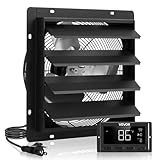
VEVOR 10-Inch Garage Vent Exhaust Fan
Heat, sawdust, and stale odors can pile up fast once a garage door stays closed for more than a few minutes. A portable fan may push that uncomfortable air across the room, but it won't actually send it outside. The VEVOR model takes a more direct approach, making it a practical best fan for garage vent candidate for spaces that need steady exhaust without a bulky industrial unit. Its 900 CFM airflow, adjustable speed, and automatic shutter address the daily hassle of keeping a workshop, shed, or attic from feeling sealed and stuffy.
VEVOR 10-Inch Exhaust Fan
The VEVOR exhaust fan packages substantial airflow into a relatively compact 10-inch wall-mounted frame. Its listed 900 CFM capacity is meant to pull out warm air, floating dirt, and everyday odors rather than merely circulate them around shelves and parked equipment. That distinction matters in a garage where heat often settles near the ceiling and fumes can linger long after a project ends. Mounted high on an exterior wall, the fan can create a more purposeful path for unwanted air to leave.
A supplied variable-speed controller gives this model more flexibility than a basic on-and-off exhaust fan. Full output may make sense after sanding, painting with properly handled materials, or running heat-producing tools, while a lower setting can maintain mild airflow during routine storage or light bench work. The stepless control avoids locking the fan into just two or three preset speeds. That makes it easier to balance air movement and noise according to what is happening in the room.
The fan uses a 45-watt AC motor rated at 1,650 RPM, with listed air velocity reaching up to 7.4 meters per second. Those specifications suggest a focused exhaust stream without the energy draw associated with much larger commercial equipment. Still, airflow numbers only tell part of the story. A garage needs a clear intake route, such as a vent, window, or partially opened door, or the fan may struggle to replace the air it pushes outside.
Its compact dimensions also make planning easier in walls where a 16-inch or 20-inch exhaust unit would be awkward. The smaller opening can reduce framing changes, though installation still demands careful measuring and weather sealing. A crooked housing may cause shutter movement problems or transfer vibration into the wall. Solid mounting support remains essential even with a fan this size.
Variable Speed Makes Airflow Easier to Live With
Constant full-speed ventilation can be overkill during mild weather or quick garage visits. The included controller lets the VEVOR fan run gently when the room only needs a little air exchange, then ramp up when heat or odors become stubborn. That range helps prevent the space from becoming excessively drafty during cooler months. It also gives the motor a more adaptable role than a single-speed unit that always runs at maximum output.
Noise deserves attention in any attached garage, especially if a bedroom, office, or living room shares the wall. VEVOR describes the motor as smooth and low-noise, but the actual sound level can depend heavily on installation, wall material, and shutter movement. Thin metal panels may amplify humming, while loose fasteners can turn normal vibration into an annoying buzz. Firm framing and vibration control can make a noticeable difference in everyday operation.
Lower speeds can be useful during long work sessions because they maintain circulation without creating a harsh blast near the workbench. Full speed fits short bursts of aggressive venting, such as clearing accumulated heat after the garage has baked in afternoon sun. This adjustability is one of the product's clearest strengths because ventilation needs rarely stay the same all day. The stepless speed range lets the fan respond to changing conditions instead of forcing one fixed airflow level.
Speed control does require a bit of judgment. Running too low may not move enough air to clear a large or deeply divided space, while running at maximum power can pull conditioned air through gaps around an attached-house door. Placement of the intake and exhaust points matters just as much as the controller setting. A well-planned crossflow usually beats raw fan speed alone.
Automatic Shutters Add Practical Weather Protection
The automatic shutter system opens as the fan runs and closes after it shuts off. That simple mechanical action helps block rain, debris, and small objects from passing through the wall opening while the unit sits idle. There is no separate lever to pull and no panel to close at the end of a project. For a garage or attic that isn't checked every day, automatic closure removes one small but easy-to-forget chore.
Shutters also help reduce unwanted drafts, though they won't seal an opening as tightly as a solid insulated cover. Wind can sometimes make lightweight blades chatter, and accumulated dust may keep them from closing evenly. A quick inspection and occasional cleaning should keep the pivots moving freely. The fan should also be installed square, since a twisted frame can interfere with smooth shutter operation.
VEVOR describes the housing as all-metal steel construction with resistance to deformation, damp conditions, and rain exposure. That build feels better suited to a workshop wall than a thin plastic frame that may flex around the mounting screws. Steel brings rigidity, but it can also transmit motor vibration if installed directly against a resonant surface. Rubber washers or other appropriate isolation methods may help quiet the setup without weakening the mount.
Weather exposure still calls for sensible installation practices. Exterior caulk, proper flashing, and a protected electrical connection are just as important as the shutter itself. The closed blades can block direct entry, but they don't replace a correctly sealed wall penetration. Water management should be planned before the fan is mounted, not patched together after the first storm.
Garage Ventilation Performance and Placement
A 900 CFM fan can exchange air quickly in many garages, sheds, and workshops, but room layout influences the result. Tall shelving, storage walls, vehicles, and closed interior partitions can interrupt airflow before it reaches the exhaust opening. Positioning the fan near the upper part of an exterior wall helps capture rising heat. Placing an intake opening across the room encourages fresh air to sweep through the occupied area rather than short-circuiting straight into the fan.
Dust extraction claims also need realistic boundaries. This fan can help remove airborne particles that reach its airflow path, but it isn't a substitute for a tool-mounted collector or filtered dust system. Fine woodworking dust often settles on surfaces or stays concentrated near the cutting source before a wall fan can capture it. The fan is better treated as general room ventilation that supports, rather than replaces, source control.
Odor removal follows the same logic. Ordinary workshop smells and stale air may clear faster with steady exhaust, but hazardous vapors require equipment rated for the specific environment. Gasoline, solvents, and combustible fumes shouldn't be handled casually around a standard motor. The VEVOR unit is useful for heat and routine air exchange, not as a blanket answer for every ventilation risk.
Ceiling height can alter how quickly warm air gathers above the work zone, and a related discussion appears in fans for high ceilings where air circulation follows a different pattern. A ceiling fan mixes room air, while this VEVOR model removes it through an exterior wall. Those two approaches solve different problems, and some large spaces may benefit from using circulation and exhaust together. The exhaust fan still needs a replacement-air path to perform properly.
Strengths and Tradeoffs Worth Knowing
The strongest feature is the balance between compact size and 900 CFM output. A 10-inch housing is easier to place than many oversized industrial fans, yet the airflow is intended for more than a tiny utility room. The speed controller adds useful range, and the automatic shutters reduce exposure when the fan is off. Together, those parts form a practical package for a garage that regularly traps heat and stale air.
The all-metal construction is another sensible advantage for demanding spaces. Workshops and sheds can be rough on plastic housings through temperature swings, bumps, vibration, and moisture. Steel provides a rigid base, though long-term condition will still depend on coating quality and protection from standing water. Durability isn't maintenance-free, so the housing, blades, wiring, and shutters should be inspected from time to time.
The main weakness is that wall-mounted ventilation isn't truly plug-and-play just because the fan itself is compact. Cutting an opening, supporting the frame, routing power safely, and sealing the exterior require more care than setting a portable fan on the floor. Renters or anyone unwilling to modify the wall may need a window-mounted alternative. The installation commitment should be weighed before the airflow figure steals all the attention.
Automatic temperature control isn't listed in the provided specifications, so the fan depends on manual speed adjustment and switching. That may be perfectly acceptable in a workshop where someone is already present, but it is less convenient for an attic or greenhouse that needs unattended ventilation. An appropriate external control could potentially address that gap if it matches the fan's electrical requirements. Without one, the owner has to decide when the room needs more or less exhaust.
The VEVOR fan makes the most sense where moderate-to-strong airflow, a smaller wall opening, and adjustable output matter more than advanced automation. It won't cool a garage below the outdoor temperature, and it can't compensate for poor insulation or a blocked intake path. What it can do is steadily move accumulated heat and stale air out of the building with fewer space demands than a large shutter fan. That realistic mix of useful airflow, simple controls, and weather-conscious design gives it a clear role in practical garage ventilation.
iLiving 36-Inch Garage Vent Exhaust Fan
A wide garage can hold onto heat like a closed metal box, especially after the roof and doors spend all afternoon soaking up sunlight. Small fans may stir the air near a workbench, yet the far corners stay heavy, damp, and uncomfortable. The iLiving 36-inch model enters the best fan for garage vent conversation with a very different approach: move a massive volume of air through a permanent wall opening. Its stated 6,128 CFM output targets oversized garages, sheds, attics, and utility spaces where modest exhaust fans simply don't have enough reach.
iLiving 36-Inch Shutter Exhaust Fan
This is a big fan in every practical sense. The 36-inch frame demands substantial wall space, secure support, and a carefully prepared opening, so it isn't the kind of equipment that gets squeezed between two shelves as an afterthought. That size pays off through far greater air movement than compact residential exhaust units. In a large garage with accumulated roof heat, the fan is designed to push hot indoor air outside rather than keep recycling it around the same room.
iLiving lists the fan at 6,128 cubic feet per minute, powered by a 120-volt, half-horsepower motor drawing 6 amps. The blade assembly runs at 825 RPM, which is slower than many smaller fans but reasonable for a much wider blade diameter. Bigger blades can move more air per rotation, so raw speed isn't the whole story. The result is a high-volume exhaust pattern intended for broad areas rather than a narrow jet aimed at one workstation.
The listed coverage figure reaches up to 9,000 square feet, though real ventilation results depend on ceiling height, room shape, intake openings, and obstructions. Tall storage racks, parked vehicles, interior walls, and closed doors can all alter the path of moving air. A stated coverage number shouldn't replace basic airflow planning. Room volume and replacement air matter more than floor area alone when deciding whether this fan fits the space.
The single-speed design keeps operation straightforward, but it also removes the flexibility found on adjustable models. Full output is available whenever the fan runs, whether the garage needs aggressive heat removal or only a mild air exchange. That simplicity may suit large workshops that regularly need strong ventilation. In a smaller or attached garage, though, full-power operation could feel excessive and may pull conditioned air through gaps around doors.
High-Volume Airflow for Large Garage Spaces
Hot air naturally gathers near the ceiling, and a high wall placement allows this fan to catch that heat before it settles back into the occupied zone. The wide shutter opening acts as a dedicated exit point, which is more effective than pointing a floor fan toward an open door and hoping for the best. With a suitable intake on the opposite side, the setup can create a broad crossflow through the garage. That planned exhaust route helps move heat, humidity, and stale air in one consistent direction.
Large garages often have uneven temperature pockets. The area near the main door may feel tolerable while the back wall, attic access, or storage loft stays muggy and still. A 6,128 CFM fan has enough stated capacity to address those broad differences, provided obstacles don't block the airflow path. The fan's wide-area ventilation is the main reason to consider it over a compact shutter unit.
Strong exhaust requires strong intake. Without an open vent, window, louver, or partially raised door, the fan may fight negative pressure and deliver less airflow than expected. It might also draw air from an attached home through imperfect seals, which wastes heating or cooling and can spread garage odors indoors. A properly sized intake keeps the motor from working against a starved room and supports balanced air exchange.
This fan can help clear ordinary heat and moisture, but it isn't described as explosion-proof or rated for combustible vapors. Gasoline fumes, solvent vapors, and carbon monoxide call for strict safety practices and equipment suited to the actual hazard. Running a vehicle inside a closed garage remains unsafe regardless of fan size. The iLiving unit is best understood as general-purpose ventilation, not a substitute for source control or specialized exhaust systems.
Automatic Shutters Keep Operation Simple
The aluminum shutters open as the fan pushes air outward, then close when the motor stops. That automatic movement eliminates the need to climb up and manually adjust a wall vent before and after each use. It also helps limit leaves, dust, and wind-driven debris from entering through the opening. For a fan mounted high on a garage wall, hands-off shutter operation is more than a convenience.
Closed shutters also reduce direct exposure to rain and outdoor air, though they aren't the same as an insulated weatherproof panel. Wind may still create slight movement or rattling, particularly if the frame isn't mounted square. Dirt around the pivot points can keep individual blades from closing evenly. Occasional cleaning supports smooth shutter movement and prevents a simple mechanical feature from becoming noisy.
The manufacturer describes the shutters as high-grade aluminum that can tolerate moisture and heat. Aluminum makes sense here because it resists rust and remains lighter than comparable steel panels. That lighter weight helps the shutters react quickly to airflow from the fan. Still, bent blades can bind, so the exterior side needs protection during installation and future maintenance.
Weather resistance depends on the whole installation, not just the shutter material. Proper flashing, exterior-grade sealant, and a well-supported frame help keep rain from working into the wall cavity. A large opening leaves little room for sloppy finishing. Careful water management protects both the building and the fan long after the first day of use.
Motor Design and Maintenance Expectations
The fully enclosed motor is thermally protected and permanently lubricated, according to the supplied product details. Those features reduce routine maintenance because there aren't exposed oiling points demanding frequent attention. Thermal protection adds a safeguard against overheating under abnormal operating conditions. For a fan expected to run in a hot attic or garage, motor protection is a sensible design choice.
Permanently lubricated doesn't mean the entire fan can be ignored. Dust can gather on the blades, guards, motor housing, and shutter pivots, gradually reducing smooth airflow. Workshop environments may add sawdust, metal particles, or oily residue that sticks more stubbornly than household dust. Periodic inspection keeps blade balance and airflow from slipping over time.
The 825 RPM operating speed may produce a lower-pitched sound than a small, fast-spinning fan, but the sheer amount of moving air will still be noticeable. Wall construction influences the result too. Thin siding and loosely framed panels can amplify vibration, while solid framing tends to keep the sound more controlled. Rubber isolation hardware may help where appropriate, but it shouldn't compromise the strength of the mount.
Single-speed motors have fewer operating choices, yet they can feel refreshingly simple. There is no controller to adjust and no temperature setting to manage. The fan runs at its intended output whenever power is supplied. That simple control scheme works well for clear routines, though automatic switching would require a compatible external control.
Installation Is the Real Commitment
A 36-inch exhaust fan isn't a casual wall accessory. The opening must be framed securely enough to support the unit, resist vibration, and remain square so the shutters open freely. Cutting through siding, sheathing, insulation, or masonry may require professional help depending on the building. The installation workload is one of the biggest tradeoffs attached to this fan's airflow capacity.
Electrical planning matters as well. The motor uses standard 120-volt power but draws 6 amps, so the circuit, switch, and wiring arrangement need to suit the load. The supplied details don't describe a plug-in cord, which means installation requirements should be confirmed before the wall is opened. Permanent equipment should be connected in line with local electrical rules and the manufacturer's instructions.
Placement should favor the upper portion of an exterior wall, where hot air naturally collects. The intake should sit far enough away to pull fresh air across the room rather than letting it enter and exit within a few feet. Storage cabinets, garage-door tracks, and ceiling structures can limit the available position. A few minutes spent mapping airflow direction and clearance can prevent an expensive mounting mistake.
Large rooms sometimes need both exhaust and circulation, since moving air out of the wall doesn't always stir stagnant pockets behind vehicles or tall shelving. Ceiling fans handle mixing rather than removal, and a related reference appears in 60-inch ceiling fan options for spaces where overhead circulation serves a separate purpose. The two fan styles aren't interchangeable. One exchanges indoor air, while the other redistributes it within the room.
Strengths, Weaknesses, and Sensible Expectations
The obvious strength is exceptionally high airflow for a residential-style shutter fan. Large garages, workshops, sheds, and attics can build more heat than a 10-inch or 12-inch fan can clear efficiently. The broad blade diameter and half-horsepower motor give this model a clear role in demanding spaces. Automatic shutters and a permanently lubricated motor add useful convenience without complicating daily operation.
Corrosion-resistant aluminum shutters also make sense for humid or seasonally damp locations. Moisture from wet vehicles, summer air, and temperature swings can be hard on ordinary vent hardware. The fully enclosed motor further supports use in dusty or challenging spaces. These durability-focused details matter because replacing a wall-mounted 36-inch fan isn't a small chore.
The main weakness is scale. A fan this large requires a major wall opening, suitable structural support, and enough replacement air to feed its output. It can also be too aggressive for smaller garages, particularly those connected directly to conditioned living areas. The lack of variable speed means there is no built-in way to soften airflow during mild weather.
Noise may be another concern, even though no specific sound rating was provided. Six thousand-plus CFM creates audible air movement, and the shutters may add mechanical sound during startup, shutdown, or windy conditions. A detached workshop can tolerate more noise than a garage beneath a bedroom. Realistic placement decisions should account for sound transfer and vibration, not just ventilation capacity.
The iLiving 36-inch fan suits spaces where smaller exhaust units have little chance of keeping up. It won't refrigerate a garage or lower the indoor temperature beneath the outdoor air, but it can remove accumulated heat much faster when cooler replacement air is available. Installation takes planning, and full-speed operation won't suit every building. For a broad, hot garage with enough intake area, its 6,128 CFM output and automatic shutters provide a direct, heavy-duty answer to stagnant air.
VEVOR 24-Inch Garage Vent Exhaust Fan
A large garage can stay miserably hot long after the outside temperature begins to drop. Tools, parked vehicles, metal roofing, and limited cross-ventilation all hold warmth in place, while a small portable fan mostly shuffles the same stale air from one corner to another. The VEVOR 24-inch model takes the exhaust route, putting it firmly in the best fan for garage vent discussion for spaces that need serious air exchange rather than a light breeze. Its listed 3,320 CFM airflow targets trapped heat, humidity, ordinary dust, and lingering odors across garages, workshops, sheds, attics, and similar utility areas.
VEVOR 24-Inch Exhaust Fan
The first thing worth noticing is the scale. With overall dimensions of 28.5 by 28.5 inches, this isn't a discreet vent that disappears into a narrow wall cavity. The 24-inch fan assembly needs a substantial opening, strong framing, and enough exterior clearance for the automatic shutters to move without obstruction. That installation commitment makes sense only where a smaller fan would struggle to exchange air at a useful pace.
VEVOR lists the unit at 3,320 CFM and 1,300 RPM, powered by a 120-volt, 60-hertz motor drawing 190 watts. Those figures place it well above compact bathroom-style exhaust fans and below some oversized agricultural units. The middle ground is useful for a broad residential garage or working shop that regularly traps roof heat. High-volume ventilation is the product's main job, not spot cooling beside one chair or bench.
The fan is described as FCC listed, while the enclosed motor includes thermal protection and permanent lubrication. That combination reduces the need for routine motor servicing and offers protection during demanding operation. Permanent lubrication doesn't make the whole unit maintenance-free, though. Dust on the blades, shutter joints, and protective surfaces can still restrict smooth airflow if cleaning gets ignored for months.
This model is labeled as fan only, and that detail matters more than it may seem at first glance. A speed controller isn't included, despite variable-speed wording appearing in the longer product name, and there is no attached plug. The supplied description states that a separate plug must be purchased and wired before use. That missing control hardware adds cost and installation work that should be planned before cutting into the wall.
Airflow Built for Heat and Humidity
Hot air rises, then collects near rafters, garage-door tracks, and upper storage areas where it can sit for hours. Mounting this exhaust fan high on an exterior wall gives that heat a direct path outdoors. The stated 3,320 CFM output can move a substantial amount of air, provided another opening allows fresh air to enter. Without that intake, even a powerful motor may fight negative pressure and deliver less real-world air exchange than its specification suggests.
Humidity can be just as irritating as heat. Wet vehicles, damp concrete, greenhouse moisture, or rainy-season air can leave a closed workspace feeling clammy and stale. Continuous or timed exhaust helps replace that damp air with outdoor air whenever outside conditions are more favorable. The fan won't dehumidify below outdoor humidity levels, but steady moisture removal can reduce how long muggy air remains trapped indoors.
Dust removal needs a realistic frame of reference. The fan can pull suspended particles toward the exhaust opening, especially when the intake and outlet create a clean path across the room. It won't replace a shop vacuum, dust collector, or tool-mounted extraction system for fine woodworking debris. Its strength lies in general ventilation, clearing the airborne leftovers that remain after source control has handled the heavier mess.
Ordinary smells from stored equipment, lawn tools, damp boxes, or routine workshop activity may also clear faster with strong exhaust. Hazardous vapors are another matter entirely. The supplied details don't describe an explosion-proof motor or specialized rating for combustible fumes. Safe garage ventilation still requires proper handling of gasoline, solvents, carbon monoxide, and other dangerous contaminants.
Automatic Shutters Cut Down on Daily Hassle
The automatic shutters open under the force of outgoing air and settle closed once the fan stops. That simple mechanism removes the need to reach a high wall vent before every use. It also helps limit direct entry from rain, leaves, loose debris, and small outdoor intrusions. For a unit installed near the roofline, automatic shutter movement makes daily operation far less fiddly.
Aluminum alloy is used for both the fan and shutter components, according to the supplied description. Aluminum resists rust better than untreated steel and keeps the moving shutters relatively light. The galvanized steel frame adds rigidity around those lighter components. This mixed-metal construction balances structural support with weather resistance, which makes sense for garages, sheds, greenhouses, and agricultural spaces.
Shutters can still develop issues if the frame is twisted or mounted out of square. One side may drag, individual slats may close unevenly, or wind may cause annoying chatter after shutdown. Dust and sticky workshop residue can also collect around the pivots. A level opening and occasional cleaning support reliable closure much better than assuming the mechanism will look after itself forever.
The shutter isn't a complete weatherproofing system by itself. Exterior-grade sealant, suitable flashing, and careful treatment of the wall opening are needed to keep moisture out of the structure. A large cutout exposes plenty of edge area where water can sneak behind siding or trim. Proper installation sealing protects both the fan and the building during heavy rain.
Motor Design and Everyday Sound
The 190-watt motor is described as fully enclosed, thermally protected, and permanently lubricated. A fully enclosed housing helps shield internal motor parts from airborne dirt and workshop residue. Thermal protection adds a safeguard if abnormal operating conditions cause excessive heat. Together, these motor durability features suit a fan expected to run in dusty, warm, or damp utility spaces.
VEVOR states that the motor is designed to reduce noise and power consumption while maximizing airflow, though no specific decibel rating is included in the provided information. The fan's size and airflow mean silence shouldn't be expected. Moving 3,320 cubic feet of air per minute creates audible air rush, and shutters can add mechanical sound during startup and shutdown. Noise expectations should stay grounded, especially near bedrooms or living areas.
Wall construction has a big influence on what the fan sounds like indoors. A rigid, well-braced opening can keep vibration under control, while a thin panel or loose frame may act like a drum. Fasteners need to remain tight without distorting the housing. Appropriate isolation materials may reduce vibration transfer, but the mount still has to support the fan securely.
The motor's 1,300 RPM speed sits in a practical range for a fan of this diameter. Blade design and pitch influence airflow just as much as rotational speed, so a faster motor isn't automatically better. Balanced blades matter because even a small bend can produce noticeable shaking at operating speed. Routine inspection helps preserve stable fan operation before minor vibration turns into loosened hardware.
Installation Requires More Than a Free Afternoon
The wall opening is the biggest hurdle. At 28.5 inches square overall, the fan requires careful measurement around studs, siding, insulation, wiring, and interior finishes. Window installation may simplify the project in some buildings, but the opening still needs a secure supporting frame. The large mounting footprint rules out casual placement in cramped garages or walls packed with utilities.
Electrical setup deserves equal attention because the fan arrives without a plug or included speed controller. A compatible plug, switch, or controller must be sourced separately and wired correctly. That task may be straightforward for someone comfortable with electrical work, but permanent installation should follow the manufacturer’s instructions and local requirements. The fan-only package is less convenient than a corded model, though it allows the final control arrangement to match the building.
Placement should create a long airflow path rather than a short loop. An exhaust fan mounted directly beside an open window may pull fresh air in and send it right back out without clearing the far side of the garage. An intake across the room encourages air to move past storage, vehicles, and work areas before leaving. Good cross-ventilation planning often improves results more than adding another few hundred CFM.
Overhead circulation solves a different problem by mixing room air rather than exhausting it, and a related reference appears in quiet ceiling fans with lights for spaces where sound and downward airflow matter. A ceiling fan can reduce stagnant pockets, while the VEVOR unit removes indoor air through the wall. Large workshops may use both approaches, but each serves a separate role. The exhaust fan still depends on an adequate intake regardless of any circulation fan nearby.
Practical Strengths and Clear Weaknesses
The strongest point is the balance of 3,320 CFM airflow and a 24-inch blade size. It has enough capacity for large garages and work areas without stepping all the way up to an enormous 36-inch commercial-style opening. Automatic shutters make shutdown easier, and corrosion-resistant materials suit damp or weather-exposed walls. Those benefits line up well with spaces that regularly struggle with heat buildup and stale air.
The all-metal structure is another meaningful strength. Galvanized steel provides a firm frame, while aluminum alloy moving parts reduce rust concerns and shutter weight. This construction should handle workshop conditions more confidently than a lightweight plastic housing. Even so, metal construction can transmit vibration, so sturdy framing remains part of the package.
The clearest weakness is the missing plug and speed controller. Anyone expecting a corded, ready-to-run fan may be caught off guard by the extra wiring and hardware. The product title's reference to variable speed can also create confusion because the supplied details say the basic model doesn't include a control switch. Included accessories should be verified carefully before installation materials are purchased.
Size is the second major tradeoff. A 28.5-inch square frame consumes a lot of wall area and may interfere with shelving, door tracks, windows, or exterior trim. Renters and owners of finished garages may not be comfortable making such a permanent alteration. The structural commitment is justified only when the room genuinely needs this level of airflow.
The VEVOR 24-inch exhaust fan is better suited to deliberate ventilation projects than quick fixes. It won't reduce indoor temperature below the outdoor air, erase every odor, or replace specialized dust and vapor controls. What it offers is strong, direct exhaust with automatic shutters, a protected motor, and weather-conscious materials. For a large garage with adequate intake air and room for proper installation, its high airflow and rugged frame address stagnant heat in a straightforward way.

Best Quiet Ceiling Fan For Bedroom 2026 Ultimate Comfort Picks

Best Ceiling Fan For Master Bedroom 2026 With Ultimate Comfort

Best White Ceiling Fan With Light For Bedroom 2026 Top Picks

Best Quorum Medallion Ceiling Fan 2026 With Style & Breeze
Best Outdoor Fan For Pergola 2026 Comfort Boost

Best Ceiling Fan For Great Room 2026 With Ultimate Comfort

Best Outdoor DC Ceiling Fans 2026 For Breezy Comfort
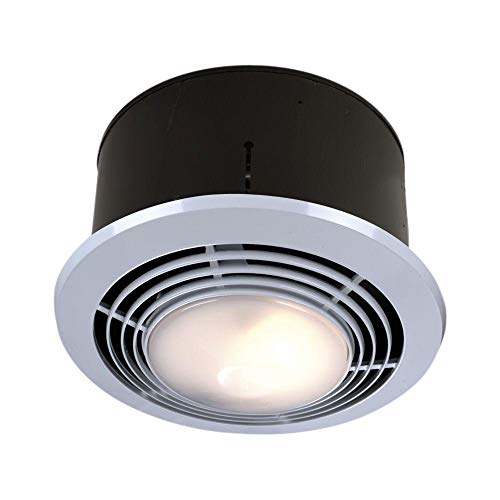
Best ceiling exhaust bath fan with light and heater 2026





