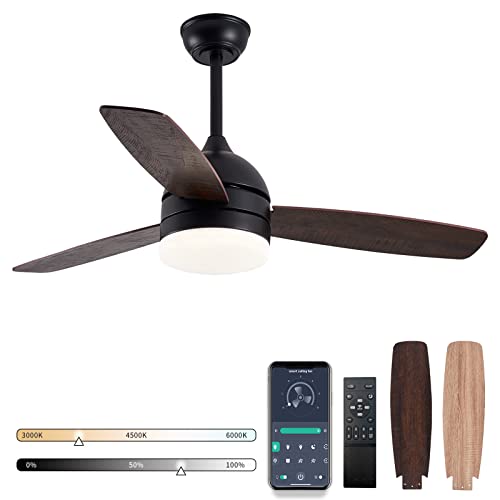
How To Clean Retractable Ceiling Fan Blades Right

How To Clean Retractable Ceiling Fan Blades sounds simple until the dust starts raining down on furniture, sticky grime clings to the blade edges, or the retractable mechanism suddenly feels stiff. Hidden blades may look sleek and modern, but wow, they can collect dirt in places most people never notice until the fan starts wobbling or blowing dusty air around the room. A quick wipe usually won’t cut it. Those tucked-away blade compartments and folding hinges need a gentler approach that keeps the fan running smoothly without scratching delicate finishes or loosening moving parts.
Dust buildup often sneaks up slowly. One week the fan looks spotless, then suddenly the blades carry gray streaks, oily residue, and tiny clumps hiding near the hinges. Kitchens and humid rooms make the problem even worse because grease and moisture turn light dust into a sticky mess. That grime doesn’t just affect appearance either. Dirty retractable blades can reduce airflow, create imbalance, and leave the entire room feeling stale no matter how long the fan runs.
A careful cleaning routine helps protect the retracting system while keeping airflow crisp and fresh. Soft microfiber cloths, mild cleaning sprays, and patient handling matter more than aggressive scrubbing. Rough materials can leave scratches on acrylic blades or damage glossy coatings, especially on modern low-profile fan designs. Small details like cleaning both sides of the folded blades and drying hinge areas thoroughly make a surprisingly big difference over time.
Ceiling fan maintenance also becomes easier once the right process is in place. Instead of dragging out ladders and cleaning supplies every few weeks, a steady routine prevents thick dust layers from forming in the first place. Fans installed over beds, dining tables, or high ceilings especially benefit from lighter but more frequent upkeep. Less buildup means fewer airborne particles floating around the room after every spin cycle.
Some retractable fan models include delicate LED housings or enclosed lighting covers that trap extra dust near the blade openings. Ignoring those areas can leave the entire fixture looking cloudy even after the blades are cleaned. A balanced approach works best here. Gentle wiping, controlled moisture, and careful drying help preserve both the fan’s appearance and its moving components without creating unnecessary wear.
How To Clean Retractable Ceiling Fan Blades properly isn’t about fancy tools or complicated tricks. It’s about preventing common frustrations before they turn into noisy operation, uneven spinning, or stubborn grime that refuses to budge. A little patience goes a long way, and honestly, the room feels noticeably fresher once those hidden blades are finally spotless again.

- LFR Score9.4
LFR Score is a ranking system developed by lightfansreviews.com. LFR Score has no relationship or impact from any manufacturers or sales agent websites. Learn more
- BrandHeonay
- LFR Score9.4
LFR Score is a ranking system developed by lightfansreviews.com. LFR Score has no relationship or impact from any manufacturers or sales agent websites. Learn more
- BrandStorystore

- LFR Score9.2
LFR Score is a ranking system developed by lightfansreviews.com. LFR Score has no relationship or impact from any manufacturers or sales agent websites. Learn more
- BrandDRQ

- LFR Score9.2
LFR Score is a ranking system developed by lightfansreviews.com. LFR Score has no relationship or impact from any manufacturers or sales agent websites. Learn more
- BrandSetSail

- LFR Score9.2
LFR Score is a ranking system developed by lightfansreviews.com. LFR Score has no relationship or impact from any manufacturers or sales agent websites. Learn more
- BrandCLDREAM

- LFR Score8.8
LFR Score is a ranking system developed by lightfansreviews.com. LFR Score has no relationship or impact from any manufacturers or sales agent websites. Learn more
- BrandBlade Maid

- LFR Score8.8
LFR Score is a ranking system developed by lightfansreviews.com. LFR Score has no relationship or impact from any manufacturers or sales agent websites. Learn more
- BrandEVERSPROUT

- LFR Score8.6
LFR Score is a ranking system developed by lightfansreviews.com. LFR Score has no relationship or impact from any manufacturers or sales agent websites. Learn more
- BrandMNWHUC

- LFR Score8.6
LFR Score is a ranking system developed by lightfansreviews.com. LFR Score has no relationship or impact from any manufacturers or sales agent websites. Learn more
- BrandZavrski

- LFR Score5.8
LFR Score is a ranking system developed by lightfansreviews.com. LFR Score has no relationship or impact from any manufacturers or sales agent websites. Learn more
- BrandPartslety
Last update on 2026-05-19 / Affiliate links / Images, Product Titles, and Product Highlights from Amazon Product Advertising API
How To Clean Retractable Ceiling Fan Blades Without Damage
A sleek fan can look spotless from the floor while hiding a small dust storm inside the blade slots. That’s the sneaky part of how to clean retractable ceiling fan blades, because the mess often sits where your eyes can’t catch it until the fan opens and flings dust across the room. A careful routine protects the folding blade mechanism, keeps airflow steady, and helps the fixture stay sharp without rough scrubbing.
Clean Hidden Blade Slots First
Retractable blades spend a lot of time tucked inside the fixture, so dust collects near the blade pockets before it shows on the outer surface. Start by turning the fan off at the wall switch and letting the blades settle fully. A stable step ladder matters here because leaning too far while reaching into the housing is a bad bargain. Keep one hand free, move slowly, and treat the fan like a moving part, not just a dusty decoration.
A microfiber cloth works better than a feather duster because it grabs fine dust instead of tossing it into the air. Slide the cloth gently around each visible slot, then follow the curve where the blades fold back into the body. Don’t push hard into the housing, since some retractable fans use lightweight plastic guides or small hinges. The goal is controlled cleaning, not forcing every hidden part open.
Sticky buildup needs a different touch. Lightly dampen the cloth with warm water and a tiny amount of mild dish soap, then wring it until it feels barely wet. That small detail protects the blade joints from moisture while still cutting through grime. Wet cloths dripping into the motor area can create bigger trouble than the dust you’re trying to remove.
Blade slots near kitchen spaces often hold a thin greasy film. That film grabs pet hair, lint, and airborne dust, turning a quick chore into a stubborn wipe-down. Work in small passes and flip the cloth often so you’re not smearing dirt back onto the finish. A patient pass around the hidden openings makes the fan look cleaner once the blades extend.
Handle The Retractable Blades Gently
Retractable blades can feel flimsy because they’re designed to swing out smoothly during operation. Pulling them too hard by hand can stress the hinges and pivot points, especially on lightweight acrylic or plastic blades. Let the fan’s design guide your movement instead of yanking the blade into position. If a blade resists, stop and clean only the reachable area first.
Many models allow the blades to extend slightly when the fan is off, but not every design behaves the same way. Check the manufacturer’s basic care note if you still have it, because forced movement can bend a blade arm or loosen a small fastener. No manual nearby? Then keep the pressure light and avoid twisting. A gentle hand keeps the mechanism from turning a cleaning day into a repair job.
Clean the top and bottom of each blade because dust doesn’t play fair. The upper side usually holds more buildup, while the lower side shows smudges and streaks once the fan light turns on. Use slow strokes from the base toward the tip to avoid catching the edge. This method helps protect the blade finish and prevents streaks from drying in uneven lines.
A retractable ceiling fan with a light kit needs extra care around glass, acrylic covers, or LED rings. Moisture near the light housing should stay minimal, especially if the fixture has seams or small vents. For stubborn bulbs or covers in nearby fixtures, solve the headache safely with remove stuck light bulb guidance before forcing anything by hand. That separate step keeps electrical parts and fragile covers from getting cracked during routine cleaning.
Use The Right Cleaning Tools
A soft microfiber cloth, a small bowl of warm soapy water, and a dry towel can handle most retractable fan cleaning jobs. Skip abrasive pads because they can leave tiny scratches on glossy blades and make future dust cling faster. A soft detail brush also helps around hinge gaps where cloth fingers can’t reach. Keep the tool list simple, because too many sprays and gadgets usually create more mess.
Vacuum attachments can help, but only with a brush end and light suction. Strong suction near thin blades may pull them at odd angles, which isn’t worth the risk. Hold the blade steady with one hand if it naturally extends and use the brush gently along the edge. That keeps loose dust from dropping onto bedding, sofas, or dining tables below.
A spray bottle should never be aimed directly at the fan. Mist the cloth instead, then wipe the surface in controlled sections. This keeps moisture away from the motor, receiver, remote sensor, and LED housing. The best cleaning habit is less liquid, more patience, especially with retractable designs that hide seams and moving parts.
Ceiling fans near patios, sunrooms, or humid corners may gather grit faster than indoor-only fixtures. Outdoor timers, fountain mist, and open windows can all change how dust settles in nearby spaces, so control splash zones with outdoor timer for fountain planning if moisture keeps drifting indoors. Less extra humidity means less sticky buildup around fan blade pockets. That small home setup tweak can reduce how often the blades need a deep wipe.
Remove Sticky Dust Without Scratching
Sticky dust is the real villain here. Dry wiping often rolls it into gray streaks, while aggressive scrubbing can dull the surface. Mix warm water with a drop of mild dish soap, dampen the cloth, and wipe in smooth lines. This loosens greasy residue without attacking the fan’s coating.
For stubborn patches, hold the damp cloth against the spot for a few seconds instead of rubbing harder. That little pause softens the grime so it lifts with less pressure. It’s the same idea as soaking a dirty pan, just without soaking the fan. Gentle contact protects retractable blade edges from scuffs and bending.
Drying matters more than people think. After wiping, use a clean dry microfiber towel on every blade surface and near each hinge area. Leftover moisture can settle into small gaps and attract dust all over again. A dry finish keeps the folding action smoother and helps prevent water marks near glossy covers.
Airflow problems often start small. A little buildup on one blade can throw off balance, especially when the fan spins at higher speeds. If the fan wobbles after cleaning, recheck each blade for hidden grime along the outer edge. Balanced blades mean quieter operation, steadier airflow, and fewer annoying rattles overhead.
Keep Dust From Coming Back Fast
Regular light cleaning beats one exhausting deep clean. Wipe the visible blade edges every couple of weeks if the fan runs daily, especially in rooms with pets, open windows, or cooking residue. A short maintenance pass prevents thick buildup from packing into hinge gaps. That’s easier on the fan and easier on your shoulders.
Room airflow plays a role too. If the retractable ceiling fan is used because a room gets stuffy, dust may move around more than expected. A budget-friendly tower fan can help circulate air at floor level, and for separate room airflow support, compare a tower fan under 50 before relying only on the ceiling fixture. Less constant fan strain can mean slower dust buildup on retractable blades.
Keep nearby surfaces clean so the fan isn’t pulling dust from shelves, curtains, and plant stands. Soil particles from indoor pots, dry leaves, and dusty window sills can float upward once airflow starts. Wipe those areas before cleaning the fan, not after. That order keeps freshly cleaned blades from catching another layer right away.
A clean retractable fan should open smoothly, spin evenly, and move air without throwing dust across the room. Watch for warning signs like jerky blade movement, rattling, or residue returning quickly after each wipe. Those clues usually point to trapped grime in the housing or moisture-heavy air nearby. Staying ahead of those details keeps how to clean retractable ceiling fan blades from becoming a messy, frustrating chore.
Best Way To Maintain Retractable Ceiling Fan Blades
Freshly cleaned blades can lose that clean look surprisingly fast, especially in rooms where cooking smoke, pet hair, humidity, or open windows constantly circulate through the air. A retractable fan may seem protected because the blades fold away, but those hidden compartments often trap even more grime than standard ceiling fans. Keeping up with retractable ceiling fan maintenance helps prevent noisy spinning, weak airflow, and dusty streaks floating across the room every time the fan powers on.
Watch For Early Signs Of Buildup
A retractable ceiling fan rarely gets filthy overnight. Most of the time, the clues appear slowly through faint gray edges, slower blade movement, or a slight wobble during higher speeds. Those little warning signs usually point to dust collecting near the hinge system long before the grime becomes obvious from the floor. Catching the mess early saves a lot of scrubbing later.
Pay attention to airflow changes too. If the room suddenly feels stuffier even though the fan runs normally, buildup on the blades may be interrupting proper circulation. Thin layers of dust can reduce how efficiently the blades move air across the room. That drop in airflow performance becomes more noticeable during humid evenings or warmer seasons.
Blade discoloration is another giveaway. White or clear retractable blades often develop cloudy patches where grease and airborne particles settle together. The problem gets worse in kitchens or rooms with candles, smoke, or nearby vents. A quick wipe every few weeks protects the blade surface finish before the grime hardens into sticky streaks.
Some fans also make faint clicking noises once debris gathers around the retracting mechanism. Tiny particles can settle inside the blade channels and interfere with smooth movement. If the fan starts sounding rough during opening or closing cycles, stop ignoring it. A careful cleaning session usually restores quiet operation before the wear spreads further.
Clean Around LED Fixtures Carefully
Retractable fans with built-in lights collect dust differently than standard fixtures. Heat from the LEDs pulls airborne particles toward the housing, especially if the fan runs every evening. Over time, the light cover may look dull even after the blades are wiped clean. That haze usually comes from fine dust trapped near the light ring rather than the bulb itself.
Turn the power off completely before touching the light area. A dry microfiber cloth should handle most of the surface cleaning without spreading moisture near electrical parts. For cloudy covers, use a lightly damp cloth and wipe gently in circles instead of pressing hard. That softer approach protects the plastic or acrylic lens from fine scratches.
Some LED covers twist off easily while others use hidden clips that feel stubborn at first. Forcing the housing can crack the edges or loosen the fit. If the light starts flickering or looks uneven after years of use, check simple upgrade steps with change ceiling fan led light tips before replacing the whole fixture. Small lighting fixes often restore both brightness and appearance without major expense.
Dust trapped inside the light housing may also create tiny shadows or uneven glow patterns at night. That’s especially noticeable on enclosed retractable fan designs where the blades disappear behind the lighting assembly. Wiping the housing regularly keeps the fixture looking cleaner overall and helps maintain consistent room lighting instead of a dim, dusty glare.
Reduce Moisture Around The Fan
Humidity creates one of the biggest headaches for retractable ceiling fan cleaning. Damp air turns ordinary dust into a sticky layer that clings to the blade hinges and inner housing. Bathrooms, kitchens, and poorly ventilated rooms usually need more frequent cleaning because the moisture never fully leaves the air. Dry environments tend to leave behind lighter dust that wipes away much easier.
Running the fan immediately after cooking or showering can actually pull more moisture into the fixture. Steam rises straight toward the blades, then cools around the hidden compartments. That cycle encourages buildup around the folding mechanism over time. Better room ventilation helps protect the moving blade joints from residue and damp grime.
Open windows can create another sneaky issue. Outdoor pollen, dust, and humidity drift inside and settle on the fan surfaces throughout the day. Rooms near patios or busy streets often show buildup faster than expected. Cleaning nearby shelves, curtains, and vents reduces the amount of airborne debris circulating toward the fan.
Homes in humid climates may also benefit from occasional dehumidifier use during warmer months. Less moisture in the air means less sticky residue attaching itself to retractable blades. That doesn’t eliminate dust completely, but it slows the cycle enough to make routine maintenance feel manageable. A drier room often keeps the fan housing cleaner for much longer stretches.
Protect The Blade Finish Over Time
Glossy retractable blades scratch easier than many people expect. Rough cloths, paper towels, and stiff brushes can leave tiny marks that become more visible once the fan light shines across the surface. Soft microfiber remains the safest option because it traps dust without scraping the finish. Protecting the blade coating keeps the fan looking newer and cleaner over time.
Avoid harsh chemical sprays unless the manufacturer specifically recommends them. Strong cleaners can dull clear acrylic blades or damage painted finishes after repeated use. Mild soap and warm water usually handle normal buildup just fine. Gentle cleaning preserves the smooth blade texture instead of wearing it down with aggressive products.
Pay attention to decorative trims and blade edges too. Those areas collect fingerprints and oily residue more easily than flat surfaces. A small detail brush can loosen buildup around grooves without scratching the surrounding material. Consistent care helps maintain the overall appearance of the entire fan, not just the visible blade panels.
Ceiling fans installed above beds or dining tables often become the visual centerpiece of the room. Dust streaks and cloudy blades stand out quickly once natural light hits them. Keeping the finish clean gives the room a more polished look without needing major redecorating. Even a quick wipe can refresh the entire ceiling fixture in just a few minutes.
Know When Cleaning Is Not Enough
Some retractable ceiling fans eventually show signs that basic cleaning can’t fully fix. Persistent wobbling, uneven blade opening, or loud grinding noises may point toward worn hardware instead of simple dust buildup. Ignoring those sounds usually makes the problem worse over time. A fan should feel smooth and balanced, not shaky or strained.
Blade alignment matters more than many people realize. One slightly bent retractable blade can throw off airflow and create vibration across the entire fixture. If cleaning no longer improves the movement, inspect the blade arms carefully while the fan is powered off. Small structural issues can affect motor performance and shorten the fan’s lifespan.
Older fans sometimes struggle with outdated controls or inconsistent speed settings too. Weak airflow, delayed response, or irregular spinning may signal worn electrical parts instead of dirty blades. Before replacing the entire fan, review simple upgrade ideas through update ceiling fan guidance to refresh the fixture without a full remodel. A few updates can improve both energy efficiency and daily comfort.
Retractable ceiling fans combine moving parts, lighting components, and delicate blade systems into one compact fixture. That design looks sleek, but it also means regular care matters more than many homeowners expect. Staying ahead of dust, humidity, and residue keeps the fan quieter, cleaner, and easier to manage long-term. Consistent upkeep protects airflow quality, keeps the blades extending smoothly, and helps the entire room feel fresher every day.


Best Small Flush Mount Ceiling Fans 2026 Ultimate Picks

Best Smart Ceiling Fan India 2026 For Effortless Comfort

Best Smart Ceiling Fans with Lights for 2026: Top Picks

Best Smart Home Non Ceiling Fans 2026 For Ultimate Comfort

Best Outdoor Misting Ceiling Fan 2026 For Ultimate Comfort

Best Outdoor Ceiling Fans For Porch 2026 With Style And Breeze

Best Smart Bulb For Ceiling Fan 2026 That Brightens Life
Best Smart Ceiling Fan Control 2026 For Effortless Comfort