How to Get Cold Air From Table Fan Without Fuss

How to Get Cold Air From Table Fan starts with understanding one frustrating truth: fans don’t actually lower room temperature. They move air around. Still, a few smart adjustments can make a room feel dramatically cooler without touching the thermostat. Small changes in fan placement, airflow direction, and surrounding moisture levels often create a surprisingly refreshing effect, especially during sticky afternoons or sleepless nights.
Air circulation plays a bigger role than most people expect. A table fan shoved into a cramped corner usually pushes warm, trapped air right back into the room. Moving the fan closer to an open window during cooler hours can pull fresh air inside instead. Then again, during scorching afternoons, blocking sunlight and directing airflow across shaded areas tends to work far better. Funny how a tiny shift in angle can completely change the comfort level.
Ice bowls and frozen water bottles still hold up for a reason. Placing a shallow bowl of ice in front of the fan helps create a brief stream of cooler air that feels less dry and harsh. Sure, it won’t turn a bedroom into a walk-in freezer, but it can soften stuffy heat enough to help people relax or sleep more comfortably. Also, cold damp cloths hanging nearby slightly improve the cooling sensation because moving air evaporates moisture faster against the skin.
Dust buildup quietly ruins airflow over time. Dirty fan blades force the motor to work harder while reducing the amount of air moving through the room. Cleaning the blades and rear grill often improves airflow immediately, especially on older fans that seem weak even at higher speeds. That sluggish breeze many people complain about? Half the time, it’s just layers of dust choking the airflow.
Cooling efficiency also depends on room conditions. Closed spaces packed with electronics, heavy curtains, or poor ventilation trap heat like crazy. Turning off unused devices and opening interior doors can help heat escape more naturally. Ceiling height matters too. Warm air rises, so slightly angling the fan upward sometimes pushes trapped heat away instead of blasting warm air directly into the body.
Nighttime setups deserve extra attention. Cooler outdoor air usually peaks late at night or early morning. Positioning a table fan near a partially open window during those hours helps pull cooler air indoors more effectively. Pairing cross-ventilation with another fan across the room creates a stronger airflow path, making the entire space feel lighter and less suffocating.
How to Get Cold Air From Table Fan often comes down to realistic expectations and practical adjustments rather than expensive gadgets. A fan won’t replace air conditioning, and honestly, it doesn’t need to. Smarter airflow, reduced heat buildup, and a cleaner setup usually create enough comfort to make hot rooms feel manageable without running energy bills through the roof.

- LFR Score9.4
LFR Score is a ranking system developed by lightfansreviews.com. LFR Score has no relationship or impact from any manufacturers or sales agent websites. Learn more
- BrandDREO

- LFR Score9.2
LFR Score is a ranking system developed by lightfansreviews.com. LFR Score has no relationship or impact from any manufacturers or sales agent websites. Learn more
- BrandHoneywell
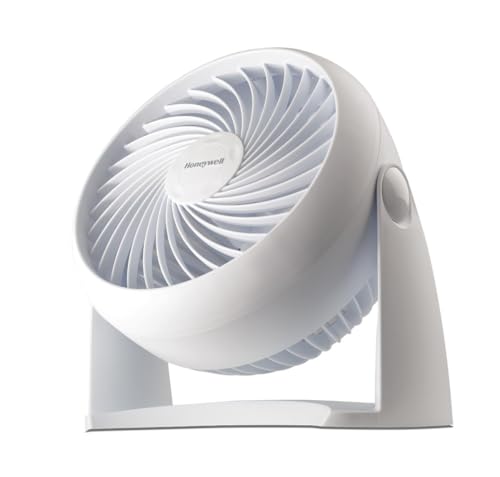
- LFR Score9.2
LFR Score is a ranking system developed by lightfansreviews.com. LFR Score has no relationship or impact from any manufacturers or sales agent websites. Learn more
- BrandHoneywell
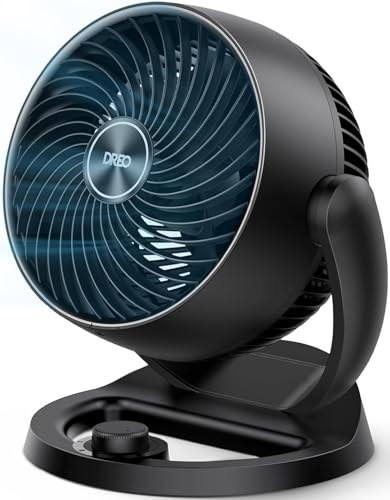
- LFR Score9.2
LFR Score is a ranking system developed by lightfansreviews.com. LFR Score has no relationship or impact from any manufacturers or sales agent websites. Learn more
- BrandDREO

- LFR Score9.0
LFR Score is a ranking system developed by lightfansreviews.com. LFR Score has no relationship or impact from any manufacturers or sales agent websites. Learn more
- BrandDREO

- LFR Score8.8
LFR Score is a ranking system developed by lightfansreviews.com. LFR Score has no relationship or impact from any manufacturers or sales agent websites. Learn more
- BrandBEYOND BREEZE

- LFR Score8.6
LFR Score is a ranking system developed by lightfansreviews.com. LFR Score has no relationship or impact from any manufacturers or sales agent websites. Learn more
- BrandAmazon Basics

- LFR Score8.4
LFR Score is a ranking system developed by lightfansreviews.com. LFR Score has no relationship or impact from any manufacturers or sales agent websites. Learn more
- Brandlet'me

- LFR Score8.4
LFR Score is a ranking system developed by lightfansreviews.com. LFR Score has no relationship or impact from any manufacturers or sales agent websites. Learn more
- BrandWNXQGZ

- LFR Score8.2
LFR Score is a ranking system developed by lightfansreviews.com. LFR Score has no relationship or impact from any manufacturers or sales agent websites. Learn more
- BrandKONSIDEN
Last update on 2026-06-01 / Affiliate links / Images, Product Titles, and Product Highlights from Amazon Product Advertising API
How To Get Cold Air From Table Fan At Home
A hot room can turn a simple evening into a sweaty mess, especially when the fan keeps pushing around air that feels flat and stale. The trick behind how to get cold air from table fan isn’t about forcing the motor to do magic. It’s about setting up cooler airflow, reducing trapped heat, and giving moving air something useful to work with. A table fan can’t chill air like an air conditioner, but with the right placement and a few practical cooling helpers, it can make the room feel noticeably fresher.
Cold Air From Table Fan
Table fans cool people, not rooms, and that small detail changes the whole strategy. The breeze helps sweat evaporate from the skin, which creates a cooler feeling even if the room temperature barely changes. That’s why a fan can feel refreshing one minute and useless the next. The air around it matters, so the goal is to feed the fan less heat and better circulation.
Warm indoor air often gets trapped because windows, curtains, furniture, and electronics hold heat longer than expected. A fan sitting in the same stale pocket of air will only recycle that warmth. Move it near a doorway, window, or shaded corner and the breeze starts behaving differently. That small shift can turn a weak blast into more comfortable airflow.
Fan speed isn’t always the hero either. Running the highest setting in a hot, closed room can make the air feel harsher without solving the real issue. Lower speed with better placement often feels smoother, quieter, and less drying. Honestly, a calm stream of cooler air beats a loud gust of warm air any day.
Heat control around the room matters as much as the fan itself. Sunlight through glass, plugged-in devices, and dark fabrics can keep the space warmer than expected. Pulling curtains, turning off unused electronics, and opening a path for air to escape gives the fan a fighting chance. That’s the practical backbone of how to get cold air from table fan.
Place The Fan Where Cool Air Exists
Fan placement decides whether the breeze feels fresh or just annoying. A table fan pushed against a wall has very little cool air to pull from, so it sends back the same warm pocket again and again. Place it near a shaded window during cooler hours, and the airflow feels lighter. Better yet, aim it across the room rather than straight into a blocked corner.
Morning and late evening air usually feels cooler than afternoon air. Set the fan near an open window during those times to pull cooler air inside. During hot afternoons, close sunny windows and move the fan away from direct heat. That rhythm keeps the fan from dragging in outdoor heat at the worst possible time.
Cross-ventilation makes a table fan far more useful. Open one window or door for incoming air and another opening across the room for hot air to leave. The fan then becomes part of an air path instead of a lonely machine spinning in place. For rooms with poor airflow, upgrade airflow planning with best outdoor fans cooling if patios, garages, or semi-open spaces also trap heat.
Room layout can sabotage cooling without making a sound. Sofas, shelves, and heavy curtains block air movement like invisible walls. Raise the fan slightly on a sturdy table so the breeze clears low furniture. That higher angle often spreads cooling comfort farther than placing the fan near the floor.
Use Ice Or Frozen Bottles Wisely
Ice in front of a fan works best as a short-term comfort trick, not a room-cooling miracle. Place a shallow bowl of ice or frozen water bottles a few inches in front of the airflow. The fan pushes air across the cold surface, creating a cooler breeze for a limited time. It’s simple, cheap, and handy during sticky evenings.
Frozen bottles are cleaner than loose ice because they don’t spill as quickly. Use two or three bottles and rotate them from the freezer as they thaw. A towel underneath catches condensation and protects wood tables. That little setup keeps the cooling trick tidy instead of turning into a puddle party.
Distance matters with ice cooling. Put the bowl too far away and the air won’t pick up much chill. Place it too close and water droplets may splash toward the fan, which is never smart around electricity. Keep a safe gap, use a stable container, and never let water reach the motor or plug.
Humidity changes the result, so expectations need to stay realistic. In dry rooms, ice and damp cloth tricks often feel refreshing because evaporation happens quickly. In humid rooms, the same setup may feel weaker because the air already holds plenty of moisture. Still, for a desk, bedside table, or small reading nook, this method can bring quick relief without much fuss.
Cut Heat Before The Fan Starts
Cooling starts before the fan turns on. A room filled with sunlight, warm lamps, and running devices makes the fan fight uphill. Pull blinds before the sun hits the window, not after the room already feels baked. That timing keeps surfaces cooler and gives the fan less trapped heat to push around.
Lighting choices can quietly affect comfort too. Hot lamps near a desk or bed add warmth right where the breeze should feel clean. For a cooler reading corner, compare lighting comfort with best floor standing reading lamp so the space stays useful without adding extra heat near your face. Small heat sources feel bigger in compact rooms.
Electronics give off warmth, even if they don’t seem dramatic on their own. A laptop, TV, charger strip, and gaming console can make a small bedroom feel stuffier. Turn off what isn’t needed and move heat-producing devices away from the fan’s airflow path. Otherwise, the fan may blow warmed air straight back into the sitting area.
Fabric and clutter also trap heat more than people expect. Thick blankets, dark curtains, piles of clothes, and crowded corners slow down airflow. Clear a simple path from the fan to the area where cooling matters most. The room won’t become icy, but the air will feel less heavy and more breathable.
Keep The Fan Clean And Strong
Dusty blades steal airflow fast. A fan can look fine from across the room while its grill and blade edges are coated with grime. That buildup changes how air moves and makes the motor work harder. Clean blades usually produce stronger airflow with less rattling and less effort.
Safety comes first before cleaning. Unplug the fan, remove the front grill if the model allows it, and wipe the blades with a damp cloth. Avoid soaking parts near the motor. For other home fixtures that need careful removal before cleaning or repair, use this guide to handle remove led recessed light without rushing the process.
Grill buildup can block airflow just as much as dirty blades. Dust gathers on the rear grill where the fan pulls air in, so wiping only the front isn’t enough. Use a soft brush or vacuum attachment to clear the back vents. The improvement can feel surprisingly obvious, especially on older table fans.
Motor noise often warns that the fan needs attention. Buzzing, wobbling, or slow startup can point to dust, loose parts, or worn components. Don’t ignore burning smells or unusual heat near the motor. A fan meant to create cool comfort shouldn’t become another heat source in the room.
Pair Airflow With Moisture Control
Evaporation creates the cooling sensation people feel from a fan. A lightly damp cloth near the airflow can add a cooler feel, especially in dry rooms. Keep it away from plugs, switches, and the motor. The goal is gentle moisture in the air path, not water anywhere near electrical parts.
Damp skin can make the breeze feel cooler too. A cool towel on the neck, misted arms, or a quick rinse before sitting near the fan can improve comfort fast. The moving air helps moisture evaporate, and that pulls heat from the skin. Simple? Yep. Surprisingly effective? Also yep.
Humidity can flip the script if the room already feels muggy. Extra moisture may make the air feel heavier instead of cooler. In humid spaces, focus more on ventilation, shade, and removing heat sources. A fan paired with wet cloths in a damp room can feel clammy, and nobody wants that swampy feeling.
Smart airflow habits work better than one flashy trick. Use ice for short bursts, window placement for cooler hours, and cleaning for steady performance. Mix those with shade and less indoor heat, and the fan finally has something useful to push. That’s the real-world path behind how to get cold air from table fan without pretending it’s an air conditioner.
Best Ways To Make A Table Fan Feel Colder
Sleeping in a hot room can feel downright miserable after midnight. The fan hums away in the corner, but the air still feels thick and sticky against the skin. That annoying gap between airflow and actual comfort pushes many people to search for smarter tricks instead of cranking the speed higher. A few practical changes can seriously improve how to get cold air from table fan without turning the room into a noisy wind tunnel.
Use Night Air More Effectively
Nighttime airflow usually feels cooler because outdoor temperatures drop after sunset. A table fan placed near a partially open window can help pull that cooler air inside instead of recycling stale indoor heat. Position matters more than people think. Even moving the fan one or two feet closer to the window can improve the feeling of freshness.
Window timing changes everything during summer heat. Opening windows too early in the afternoon often drags warm outdoor air indoors and traps it there. Wait until the outside temperature actually drops before creating airflow paths through the room. That simple habit helps the fan move cooler air instead of spreading daytime heat around.
Cross breezes make small rooms feel less suffocating. Open another window or doorway on the opposite side of the room so warm air has somewhere to escape. Without an exit path, hot air tends to sit stubbornly near the ceiling. The fan works far more efficiently once the room stops trapping heat like a closed box.
Outdoor setups can also improve nearby indoor comfort if patios or pergolas hold lingering heat near open doors and windows. For better airflow outside connected living spaces, explore best outdoor ceiling fan pergola options that help reduce stagnant warm air around seating areas and entryways.
Reduce Heat Stored Inside Walls And Furniture
Walls and furniture absorb warmth all day long, especially in smaller apartments or rooms with direct sunlight. Even after sunset, those surfaces continue releasing heat back into the air. A fan blowing across overheated furniture often feels weaker because the surrounding air keeps warming up again. Blocking sunlight earlier in the day reduces that problem dramatically.
Curtains and blinds help more than many people realize. Thick blackout curtains prevent direct sunlight from heating walls, bedding, and floors during the hottest hours. Light-colored curtains also reflect more heat than darker fabrics. Keeping sunlight out before the room overheats makes the evening airflow feel noticeably lighter.
Fabric choices quietly affect room comfort too. Heavy blankets, thick rugs, and dark bedding trap warmth long after the sun goes down. Switching to lighter materials allows airflow from the fan to circulate more naturally across the room. The difference feels especially noticeable during humid nights when every layer of trapped heat becomes annoying.
Ceiling heat can also drag comfort down. Warm air naturally rises and collects overhead, so slightly tilting the fan upward sometimes helps break apart that trapped heat layer. Rooms with overhead fixtures may benefit from better circulation too. Compare airflow coverage with best 44 inch ceiling fan with light and remote control ideas for spaces where warm air keeps gathering near the ceiling.
Improve Cooling Around Your Bed Or Desk
Cooling the whole room isn’t always necessary. A focused comfort zone around the bed, couch, or desk often matters more than lowering the temperature everywhere else. Direct airflow across the body usually feels better than blasting air randomly into open space. Small adjustments near where people actually sit or sleep create the biggest comfort difference.
Bed positioning can accidentally block airflow. Beds shoved tightly against walls or heavy furniture leave little room for air circulation. Pulling the bed slightly away from the wall allows cooler air to move around the sleeping area more evenly. That tiny change can reduce the clammy feeling that builds up overnight.
Desk airflow works differently because electronics nearby release constant heat. Monitors, chargers, and laptops create warm pockets right where the fan should feel refreshing. Move the fan slightly above desk height so the breeze crosses over heat-producing devices instead of directly through them. That setup often creates cleaner airflow around the face and upper body.
Fan direction deserves more attention too. Blowing air directly into the face for hours can dry eyes and irritate skin. Slightly angling the fan across the body spreads airflow more comfortably. The room feels cooler without creating that harsh windburn feeling people complain about after sleeping beside a fan all night.
Handle Humidity Before It Ruins Airflow
Humidity changes everything. A room can technically have moving air and still feel sticky because moisture hangs heavily in the atmosphere. Fans help sweat evaporate, but overly humid rooms slow that process down. The result feels muggy instead of refreshing, even with strong airflow.
Bathroom steam, wet laundry, and cooking heat quietly raise indoor humidity levels. Keeping bathroom doors closed after hot showers helps prevent moisture from drifting into bedrooms or workspaces. Small habits like this reduce the heavy feeling that makes fan air seem weak. Less moisture often makes the room feel cooler without changing the temperature much.
Damp cloth cooling tricks work best in drier conditions. A cool towel around the neck combined with steady airflow can feel surprisingly comfortable. In humid rooms, though, extra moisture may backfire and create a sticky sensation instead. Reading the room matters more than blindly copying cooling hacks online.
Fresh airflow becomes more important during humid weather. Open spaces briefly during cooler hours so trapped moisture can escape. Then close windows again once outside humidity rises. That cycle helps the fan maintain a more breathable environment instead of endlessly pushing damp air around.
Use Fan Speeds More Strategically
Higher speed doesn’t always equal better comfort. Many people blast maximum speed immediately, but strong airflow in a cramped room can feel noisy, dry, and oddly warm. Medium speed paired with better positioning often feels smoother against the skin. Sometimes the problem isn’t fan strength. It’s poor airflow planning.
Lower speeds work surprisingly well overnight. Constant high airflow may dry out the throat or irritate sinuses while sleeping. A gentler breeze keeps air moving without creating discomfort after several hours. Sleep quality usually improves once the fan stops sounding like a jet engine across the room.
Oscillation settings also change the cooling experience. A fixed airflow feels stronger in one spot but may leave other areas stale and stuffy. Oscillation spreads airflow more evenly, especially in rooms shared by multiple people. That wider movement helps break apart warm pockets hiding near walls and corners.
Testing different angles takes only a few minutes but changes comfort fast. Pointing the fan toward a wall can bounce airflow gently around the room instead of blasting one narrow stream. That softer circulation often feels cooler because the air keeps moving naturally rather than pounding directly against the skin.
Avoid Common Mistakes That Trap Heat
Closed rooms trap heat faster than people realize. A fan running all day inside a sealed room may eventually circulate warm air instead of helping. Open the room briefly during cooler periods to flush out trapped warmth. Fresh air matters more than nonstop airflow inside stale conditions.
Direct sunlight on the fan weakens cooling comfort too. A fan sitting beside a bright window can actually pull heated air into the room during peak afternoon temperatures. Move it into shaded areas during the hottest part of the day. Cooler intake air creates a much better breeze.
Ignoring maintenance slowly kills airflow strength. Dust-covered blades and clogged rear grills reduce how much air moves through the fan. The motor strains harder while comfort drops lower. Quick cleaning sessions every few weeks keep the airflow stronger and quieter.
Room overcrowding also affects cooling more than expected. Too much furniture blocks circulation paths and traps warmth between objects. Clearing small pathways for moving air helps the fan spread airflow farther across the room. Better circulation usually feels more comfortable than simply buying a larger fan without fixing the layout first.


Best Small Flush Mount Ceiling Fans 2026 Ultimate Picks

Best Smart Ceiling Fan India 2026 For Effortless Comfort

Best Smart Ceiling Fans with Lights for 2026: Top Picks

Best Smart Home Non Ceiling Fans 2026 For Ultimate Comfort

Best Outdoor Misting Ceiling Fan 2026 For Ultimate Comfort

Best Outdoor Ceiling Fans For Porch 2026 With Style And Breeze

Best Smart Bulb For Ceiling Fan 2026 That Brightens Life
Best Smart Ceiling Fan Control 2026 For Effortless Comfort