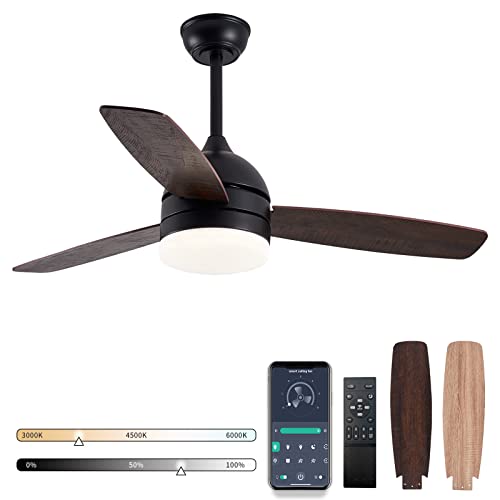
What Is the Average CFM for a Ceiling Fan?

What Is the Average CFM for a Ceiling Fan keeps popping up for one simple reason. Plenty of ceiling fans look stylish hanging overhead, yet some barely move enough air to cool a small bedroom. That disconnect frustrates people fast, especially during sticky summer nights or humid afternoons when every bit of airflow matters. A fan can spin beautifully and still leave a room feeling stale, stuffy, or oddly warm.
CFM stands for cubic feet per minute, and honestly, that number says far more about a fan’s real performance than flashy finishes or oversized blades. Higher airflow usually creates a stronger breeze, though balance matters too. A massive industrial-style fan inside a compact room can feel overpowering, while a weak low-CFM model in a large living area often struggles to make any difference at all. Comfort depends on matching the fan’s airflow to the actual space instead of relying on appearances.
Air circulation also changes how people experience temperature indoors. Rooms with poor airflow tend to trap heat near the ceiling, creating uneven cooling that makes air conditioners work harder than necessary. A properly sized ceiling fan helps move air consistently, which can make a room feel several degrees cooler without touching the thermostat. That subtle airflow shift often lowers energy costs while improving day-to-day comfort.
Then there’s the noise issue. Some fans push high CFM numbers but create an irritating hum or wobble that quickly gets on people’s nerves. Others operate quietly yet still generate reliable airflow because of better blade pitch, motor design, and overall engineering. Those details matter more than most expect, especially in bedrooms, nurseries, home offices, or quiet reading spaces where constant buzzing becomes impossible to ignore.
Ceiling height, blade size, room layout, and even furniture placement influence airflow performance more than many realize. Open-concept rooms usually require stronger circulation because air spreads across wider areas. Smaller enclosed spaces often feel cooler with moderate airflow instead of maximum power. Little adjustments, such as changing fan direction seasonally or selecting the proper mounting height, can noticeably improve comfort without replacing the entire fixture.
Energy efficiency enters the conversation pretty quickly too. Some ceiling fans consume unnecessary electricity while delivering weak airflow, which feels like throwing money out the window. Efficient fans balance motor performance with strong circulation, helping maintain comfort without driving up utility bills. That practical balance matters for households trying to stay cool without running central air nonstop.
What Is the Average CFM for a Ceiling Fan also matters because expectations differ from room to room. A kitchen usually benefits from brisk airflow that clears heat quickly, while bedrooms often need gentler circulation for overnight comfort. Outdoor ceiling fans face another challenge altogether because wind resistance and humidity can affect how airflow feels. One airflow rating doesn’t magically fit every situation.
Some shoppers focus only on blade size, assuming larger blades automatically mean stronger airflow. Well, not always. Motor strength, blade curvature, and speed settings heavily influence real-world performance. Two fans with similar diameters can produce dramatically different airflow levels depending on their internal design. That’s why checking the actual CFM rating often reveals more useful information than appearance alone.

- LFR Score9.4
LFR Score is a ranking system developed by lightfansreviews.com. LFR Score has no relationship or impact from any manufacturers or sales agent websites. Learn more
- BrandREEPLAR

- LFR Score9.2
LFR Score is a ranking system developed by lightfansreviews.com. LFR Score has no relationship or impact from any manufacturers or sales agent websites. Learn more
- BrandLEDIARY

- LFR Score9.2
LFR Score is a ranking system developed by lightfansreviews.com. LFR Score has no relationship or impact from any manufacturers or sales agent websites. Learn more
- BrandVaczon

- LFR Score9.0
LFR Score is a ranking system developed by lightfansreviews.com. LFR Score has no relationship or impact from any manufacturers or sales agent websites. Learn more
- BrandFanliving

- LFR Score9.0
LFR Score is a ranking system developed by lightfansreviews.com. LFR Score has no relationship or impact from any manufacturers or sales agent websites. Learn more
- BrandOJX

- LFR Score9.0
LFR Score is a ranking system developed by lightfansreviews.com. LFR Score has no relationship or impact from any manufacturers or sales agent websites. Learn more
- BrandZMISHIBO

- LFR Score8.8
LFR Score is a ranking system developed by lightfansreviews.com. LFR Score has no relationship or impact from any manufacturers or sales agent websites. Learn more
- BrandBroan-NuTone

- LFR Score8.8
LFR Score is a ranking system developed by lightfansreviews.com. LFR Score has no relationship or impact from any manufacturers or sales agent websites. Learn more
- BrandCrazypai

- LFR Score8.8
LFR Score is a ranking system developed by lightfansreviews.com. LFR Score has no relationship or impact from any manufacturers or sales agent websites. Learn more
- BrandHJBRAND

- LFR Score8.6
LFR Score is a ranking system developed by lightfansreviews.com. LFR Score has no relationship or impact from any manufacturers or sales agent websites. Learn more
- BrandOhniyou

- LFR Score8.4
LFR Score is a ranking system developed by lightfansreviews.com. LFR Score has no relationship or impact from any manufacturers or sales agent websites. Learn more
- BrandAmico

- LFR Score7.6
LFR Score is a ranking system developed by lightfansreviews.com. LFR Score has no relationship or impact from any manufacturers or sales agent websites. Learn more
- BrandMaster Flow
Last update on 2026-05-19 / Affiliate links / Images, Product Titles, and Product Highlights from Amazon Product Advertising API
What Is The Average CFM For A Ceiling Fan
A fan can look sharp, spin smoothly, and still leave the room feeling like a warm sock. That’s why what is the average cfm for a ceiling fan matters more than the blade finish, remote style, or fancy light kit. CFM tells you how much air the fan moves each minute, and that number has a direct say in comfort, cooling support, and whether the fan actually earns its place on the ceiling.
Average CFM In Plain English
CFM means cubic feet per minute, which is just a practical way to measure airflow. Most residential ceiling fans land somewhere around 3,000 to 6,000 CFM, depending on blade span, motor strength, blade pitch, and speed setting. Smaller bedroom fans may sit closer to the lower end, while larger living room fans often push more air. Bigger rooms usually need stronger airflow, but chasing the highest number can backfire if the breeze feels too aggressive.
The average ceiling fan in a normal bedroom or small living area often feels comfortable around 4,000 CFM. That number isn’t magic, but it gives a useful baseline before buying or replacing a fan. A compact room with low ceilings may feel fine with less airflow, especially if the fan sits directly over the bed or seating area. A wide open room, on the other hand, can swallow weak airflow before anyone feels a breeze.
Here’s the catch: average CFM doesn’t always mean average comfort. A fan with poor blade design might list a decent airflow number but still feel uneven across the room. Another fan with a better motor and blade angle may feel smoother even with a similar rating. That’s why CFM should guide the decision, not run the whole show.
Room size matters right away. A small bedroom may need around 2,000 to 4,000 CFM, while a larger family room may need 5,000 CFM or more to feel balanced. Kitchens can be tricky because heat from cooking changes the way airflow feels. For better airflow in a cooking space, compare fan size and placement with a practical ceiling fan for kitchen guide before picking a model.
Why CFM Feels Different In Real Rooms
Airflow never behaves the same in every room. Furniture, ceiling height, wall layout, vents, windows, and fan placement all change how the breeze spreads. A fan mounted in the center of a square room usually performs more evenly than one squeezed near a wall or beam. That’s why two fans with the same CFM rating can feel totally different after installation.
Ceiling height has a sneaky influence. A fan mounted too close to the ceiling may struggle to pull enough air through the blades, while a fan hanging too low can feel pushy and uncomfortable. Standard rooms usually benefit from a balanced mounting height that leaves enough clearance for safe movement and smooth circulation. Downrod length becomes more important in tall or vaulted spaces.
Blade pitch also affects the feel of airflow. A flatter blade may spin quickly but move less air, while a steeper blade can push more air with fewer rotations. That difference often explains why one fan feels breezy at medium speed while another needs full speed just to make a dent. Motor quality matters too because weak motors can lose efficiency under blade resistance.
Noise is part of the comfort equation. A fan that moves plenty of air but hums all night won’t feel like a win in a bedroom. Light sleepers usually prefer a fan with moderate CFM, stable blades, and a quiet motor. Strong airflow matters, but smooth airflow matters just as much when the room needs to stay calm.
Room Size Changes The Right CFM Range
Small rooms don’t need brute force airflow. A nursery, home office, or compact bedroom can feel comfortable with a lower CFM ceiling fan if the blades are properly sized. Too much airflow in a tight room can scatter papers, dry out eyes, or create a constant draft that gets old fast. The sweet spot feels present but not pushy.
Medium rooms usually need more breathing room. A primary bedroom, dining room, or modest den often benefits from airflow in the 4,000 to 5,500 CFM range. That level can support cooling without making the space feel windy. The goal is steady air movement across the room, not a blast of air straight down like a shop fan.
Large rooms ask for stronger circulation because air spreads farther before people feel it. Open living areas, vaulted rooms, and long rectangular spaces may need fans above 6,000 CFM, or even multiple fans if one fixture can’t cover the layout. A single high-CFM fan may still leave dead zones in corners. Placement can matter more than raw power in wide spaces.
Outdoor covered patios add another wrinkle. Heat, humidity, and natural wind can make airflow feel weaker than it looks on paper. Damp-rated or wet-rated fans are usually needed outside, and CFM should be matched to how open the patio feels. Outdoor airflow needs more muscle because there are fewer walls to contain the breeze.
CFM, Lumens, And Everyday Comfort
Ceiling fans often get judged by looks first, then airflow later. That’s backwards, but hey, it happens all the time. A fan with a light kit needs to handle both air movement and usable brightness without turning the ceiling into a cluttered mess. If the room already feels dim, airflow alone won’t fix the overall comfort problem.
Brightness gets measured in lumens, while airflow gets measured in CFM. They solve different problems, but both affect how useful a room feels. A kitchen, laundry room, or bedroom may need a fan that moves enough air while still giving clean visibility. To compare brightness expectations in a familiar way, use this quick reference on how many lumens iphone flashlight and think about whether the fan light is meant for task lighting or soft room lighting.
CFM efficiency deserves attention too. Some fans move more air while using less electricity, which helps during long cooling seasons. A high airflow fan that wastes energy may not feel like a smart buy after a few months of heavy use. Look for a balance between airflow, wattage, and comfort rather than treating CFM like a trophy number.
Speed settings make a fan more livable. Low speed can keep air from feeling stale overnight, medium speed often suits daily comfort, and high speed helps during hot afternoons. A fan with only harsh or weak speeds may become annoying even if its maximum CFM looks impressive. Control range is one of those small details that pays off every day.
Common Mistakes With Ceiling Fan Airflow
Many buyers assume blade size tells the whole story. It doesn’t. A large fan with a lazy motor can underperform, while a smaller fan with better blade pitch can feel surprisingly capable. Blade span should match the room, but it still needs solid motor support behind it.
Another mistake is ignoring fan direction. In warm weather, most ceiling fans should spin counterclockwise to push air downward and create a cooling breeze. In colder months, a low clockwise setting can help move warm air trapped near the ceiling. That simple switch can make a room feel more balanced without changing the thermostat.
Installation height often gets overlooked too. A fan mounted too high may not deliver enough airflow to the living zone, especially in rooms with tall ceilings. A fan mounted too low can become uncomfortable and unsafe. Proper clearance keeps airflow useful without making the room feel cramped.
Lighting projects can distract from fan performance, especially during home upgrades. Someone replacing fixtures around the house may focus on brightness, wiring, or style and forget airflow until the room feels stuffy again. To keep electrical projects practical and safe around water-based spaces, review how to replace inground pool light before handling any similar fixture work near wet areas.
How To Read A CFM Rating Before Buying
CFM ratings usually reflect airflow at the fan’s highest speed. That number helps with comparison, but it doesn’t tell the whole daily-use story. Most people don’t run a ceiling fan on high all day, especially in bedrooms or quiet spaces. Medium-speed airflow may matter more than the headline rating.
Energy use should sit beside CFM in the decision. A fan that moves 5,000 CFM with less power can be more practical than one that moves slightly more air while using much more electricity. Efficient airflow helps the room feel cooler while reducing strain on the air conditioner. That balance is especially useful in homes where fans run for hours.
Motor type changes the experience. DC motors usually run quieter and use less power than many older AC motor designs, though price can be higher. AC motors can still work well, but cheaper models may hum, wobble, or offer fewer speed choices. Quiet operation matters most in bedrooms, offices, and TV rooms.
Blade material also plays a role. Lightweight blades can reduce motor strain, while warped or flimsy blades can create wobble and uneven airflow. Outdoor fans need materials that hold up against moisture and heat. A fan that starts strong but warps after a humid season won’t keep delivering the same air circulation.
Matching CFM To Daily Habits
A room used for sleeping needs different airflow than a room used for cooking, workouts, or family gatherings. Bedrooms usually feel better with quiet, moderate airflow that doesn’t blast the bed all night. Living rooms can handle stronger circulation because people sit in different spots and the air needs to reach farther. Kitchens often need quicker air movement because heat builds up fast.
Air conditioning habits matter too. A ceiling fan doesn’t lower the actual room temperature, but it helps skin feel cooler by moving air across the body. That means a strong enough fan can let people raise the thermostat a bit without feeling uncomfortable. Cooling support is the real benefit, not magic temperature control.
Pet owners, plant lovers, and families with small kids may prefer gentler airflow. Strong drafts can dry out some plants, stir up pet hair, or make lightweight curtains flap nonstop. A fan with several speed settings gives more control over these everyday annoyances. Flexibility beats raw power in rooms where comfort changes throughout the day.
Dust buildup can quietly reduce performance. Dirty blades disturb airflow and may add wobble over time. Regular cleaning helps the fan move air smoothly and keeps the motor from working harder than necessary. Simple maintenance protects both comfort and fan life.
How Much CFM Should A Ceiling Fan Have
Plenty of rooms feel uncomfortable for reasons people can’t quite pin down. The thermostat looks fine, the fan spins overhead, yet the air still feels heavy or stale after a few minutes. That frustrating gap usually points back to airflow balance, not just temperature alone. Knowing how much CFM a ceiling fan should have helps prevent weak circulation, noisy airflow, and wasted energy across different parts of the home.
Living Rooms Need Balanced Airflow
Large living spaces usually create the biggest airflow complaints because air spreads unevenly across seating areas. One side of the room may feel cool while another corner stays warm and stuffy. A ceiling fan with around 5,000 to 7,000 CFM often works better in shared spaces where airflow has to travel farther. Open layouts especially benefit from broader circulation rather than intense downward blasts.
Furniture placement changes airflow more than people expect. Tall shelves, sectionals, and room dividers can interrupt circulation patterns and create warm pockets that linger throughout the day. Fans with wider blade spans tend to move air more evenly across those obstacles. For larger gathering areas, comparing airflow styles with a best type ceiling fan living room setup can help avoid airflow dead zones.
Ceiling height matters just as much as room width. Standard ceilings often work well with flush mount or short downrod installations, while vaulted spaces usually need longer mounting rods to bring airflow closer to the living area. A fan mounted too high may technically move air without making the room feel cooler. That disconnect confuses plenty of homeowners during summer months.
Noise tolerance shifts depending on how the room gets used. A TV room or reading area usually feels better with smooth, low-frequency airflow instead of aggressive high-speed turbulence. Some fans advertise huge airflow numbers but create distracting hums at medium speed. Motor stability becomes more valuable than raw CFM in rooms where people spend hours relaxing.
Small Spaces Can Feel Overpowered
Compact rooms rarely need oversized airflow. A strong industrial-style ceiling fan inside a tiny office or guest room can create nonstop drafts that quickly become annoying. Moderate airflow usually feels more natural in smaller spaces, especially where people sit close to the fan. Around 2,000 to 4,000 CFM often handles compact rooms comfortably.
Desk setups create another airflow challenge because electronics already generate warmth in tight spaces. Some people add ceiling fans while also using compact personal fans near workstations for more direct cooling. In tighter work areas, pairing moderate ceiling airflow with a best small fan desk setup can improve comfort without turning the room into a wind tunnel.
Air direction matters more in smaller rooms because airflow hits people directly instead of dispersing across wide open space. High speed settings may feel refreshing during hot afternoons but become irritating during long work sessions or overnight sleep. Multiple speed options help create more flexibility as temperatures shift throughout the day.
Low ceilings require extra attention too. Large blades mounted close to people can feel visually overwhelming while creating concentrated airflow directly beneath the fan. Smaller blade spans often feel more balanced in compact spaces with standard ceiling height. Proper scaling helps the room stay comfortable instead of cramped.
Energy Efficiency Changes Long Term Comfort
Strong airflow doesn’t automatically mean efficient airflow. Some older ceiling fans consume far more electricity while delivering surprisingly average circulation. Modern DC motor fans often move similar amounts of air using less power, which matters in homes where fans run daily for long stretches. Energy use quietly shapes monthly utility costs over time.
Air conditioning systems also work differently when airflow improves. A well-positioned fan helps circulate cooled air throughout the room, reducing hot spots that force the thermostat lower. That added circulation can make indoor temperatures feel several degrees cooler without touching the HVAC system. Smaller adjustments often create noticeable comfort improvements.
Fan blade shape influences efficiency more than many realize. Curved blades with balanced pitch usually move air more smoothly than flatter designs that rely on high speed alone. Efficient airflow feels steady and natural instead of choppy or harsh. Blade engineering quietly affects everything from comfort to motor strain.
Dirty blades reduce airflow faster than most people notice. Dust buildup changes blade balance and disrupts clean air movement across the room. A quick cleaning every few weeks can help preserve airflow consistency while reducing wobble. Small maintenance habits protect both comfort and long-term fan performance.
Seasonal Changes Affect Ceiling Fan Performance
Summer airflow gets most of the attention, but winter circulation matters too. Warm air naturally rises and collects near the ceiling, especially in rooms with tall walls or vaulted designs. Switching the fan direction clockwise at low speed helps redistribute trapped warmth without creating cold drafts. Seasonal fan direction can improve comfort without extra heating costs.
Humidity also changes how airflow feels against the skin. Sticky summer air often feels heavier even if the room temperature technically stays reasonable. Moderate airflow helps sweat evaporate more efficiently, which creates a cooling sensation without actually lowering the thermostat setting. That subtle difference explains why ceiling fans still matter in air-conditioned homes.
Outdoor conditions can influence indoor airflow too. Rooms facing direct afternoon sunlight usually retain heat longer than shaded areas, even with decent circulation. Fans near kitchens or laundry rooms may also work harder because those areas generate steady warmth throughout the day. Heat buildup changes how much airflow feels necessary from one room to another.
Seasonal allergies can become more noticeable if fan blades stay dusty for long periods. Air circulation naturally moves particles through the room, which may bother sensitive sleepers or anyone working from home for extended hours. Keeping blades clean helps airflow stay comfortable instead of irritating. Consistent maintenance improves overall room quality, not just temperature control.
Blade Size And CFM Are Not The Same Thing
Large blades often create the impression of powerful airflow, but blade diameter alone doesn’t guarantee strong circulation. A poorly designed large fan can move less usable air than a smaller fan with stronger blade pitch and a better motor. Real airflow performance depends on several parts working together instead of blade size alone.
Blade pitch changes how effectively the fan grabs and pushes air downward. Steeper angles usually move more air, though they also place greater strain on weaker motors. Cheap motors may struggle under that resistance, especially at higher speeds. Balanced engineering matters more than flashy specifications on the box.
Some oversized fans create uncomfortable turbulence in rooms that simply don’t need extreme airflow. Bedrooms especially tend to feel better with controlled circulation instead of constant wind pressure. A quieter medium-CFM fan often creates a more relaxing environment than a loud high-output model running at low speed. Comfort consistency matters more than bragging rights.
Fan placement inside the room changes perceived airflow too. A centered fan usually distributes air more evenly than one installed near a doorway or corner. Poor placement can create uneven circulation no matter how high the CFM rating looks on paper. Installation details shape real-world comfort every single day.
Signs Your Ceiling Fan Has The Wrong CFM
A room that still feels stale after the fan runs for an hour usually signals weak airflow for the space size. Hot pockets near corners or ceilings can also point toward insufficient circulation. People often blame the air conditioner first even though the real issue starts with poor air movement. Matching airflow to the room solves many comfort complaints without replacing HVAC equipment.
Overpowered airflow creates its own problems. Papers slide across desks, lightweight curtains whip around constantly, and conversations start feeling interrupted by noise. Strong airflow sounds helpful until the room becomes uncomfortable during everyday routines. Proper balance feels natural rather than overwhelming.
Wobbling blades, rattling sounds, or inconsistent speed changes may indicate installation issues instead of airflow limitations. Loose mounting hardware or warped blades can disrupt circulation while making the fan noisier over time. Small mechanical problems often grow worse if ignored for months. Stable operation supports smoother airflow and quieter performance.
Sleep quality can reveal airflow problems surprisingly fast. Rooms that feel stuffy overnight may need stronger circulation, while overly windy bedrooms can leave people waking up with dry eyes or irritated sinuses. A ceiling fan should quietly support comfort instead of becoming the main thing people notice in the room. Balanced airflow usually fades into the background once it’s dialed in properly.


Best Small Flush Mount Ceiling Fans 2026 Ultimate Picks

Best Smart Ceiling Fan India 2026 For Effortless Comfort

Best Smart Ceiling Fans with Lights for 2026: Top Picks

Best Smart Home Non Ceiling Fans 2026 For Ultimate Comfort

Best Outdoor Misting Ceiling Fan 2026 For Ultimate Comfort

Best Outdoor Ceiling Fans For Porch 2026 With Style And Breeze

Best Smart Bulb For Ceiling Fan 2026 That Brightens Life
Best Smart Ceiling Fan Control 2026 For Effortless Comfort