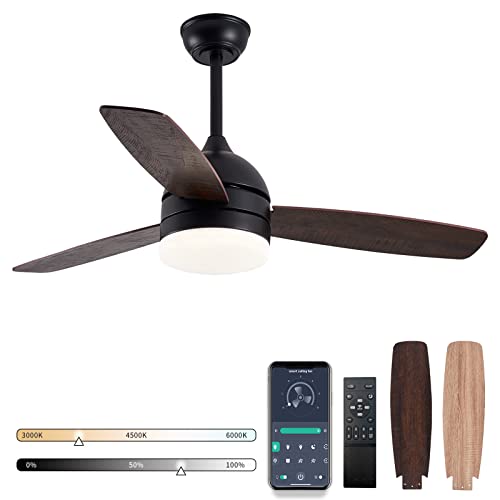
Which Way Should Ceiling Fans Run in the Summertime?

Which way should ceiling fans run in the summertime sounds like one of those tiny home questions people ignore until the heat starts sticking to the walls. Then suddenly, every room feels stuffy, the air barely moves, and even lowering the thermostat doesn’t seem to help much. Plenty of homeowners end up paying higher cooling bills simply because the fan direction is working against the room instead of helping it. A quick switch can completely change how a space feels without touching the AC settings.
Summer airflow works best when the blades spin counterclockwise. That direction pushes air downward, creating the familiar wind-chill effect that makes skin feel cooler almost instantly. The room temperature itself may not drop dramatically, but comfort levels absolutely do. That’s why people often walk into a room and say, “Ah, finally,” even though the thermostat hasn’t moved an inch.
Ceiling fan direction also affects how evenly cool air spreads throughout the room. Corners that usually feel stale can suddenly feel breathable again once airflow starts circulating properly. Bedrooms benefit a lot from this because trapped warm air tends to linger overnight, especially during humid stretches. Living rooms and kitchens see similar improvements since those spaces usually collect heat from electronics, cooking, and sunlight pouring through windows.
Oddly enough, many fans are still running the wrong way during peak summer weather. Some people never touch the direction switch after installation, while others simply forget it exists. That little switch near the motor housing often gets ignored for years. Meanwhile, the fan keeps pulling air upward instead of pushing cooling airflow down where people actually need it.
Energy savings become another huge perk once the fan spins correctly. Cooler-feeling airflow allows higher thermostat settings without making the room uncomfortable. Even raising the thermostat a couple degrees can help reduce strain on air conditioning systems during brutal heat waves. Smaller adjustments like this add up over long stretches of summer weather, especially in homes where the AC runs almost nonstop.
Blade shape, room height, and fan placement matter too. Large rooms may need stronger airflow to avoid dead spots, while low ceilings can make overly aggressive fan speeds uncomfortable. Nobody wants papers flying across the dining table or a constant breeze blasting directly overhead during dinner. Balancing speed and airflow creates a more natural cooling effect that feels steady instead of distracting.
Which way should ceiling fans run in the summertime becomes even more important in humid climates where air can feel heavy and sticky. Proper airflow helps sweat evaporate faster, which is the body’s natural cooling process. Without circulation, rooms can feel damp and sluggish no matter how cold the thermostat reads. That disconnect frustrates a lot of people because the house technically feels “cool,” yet somehow still uncomfortable.
Maintenance plays a role as well. Dust-covered blades reduce airflow efficiency and can spread debris through the room once the fan starts spinning at higher speeds. Cleaning blades regularly keeps airflow smoother and helps the fan operate more quietly. Wobbling fans or loose hardware should also be fixed quickly because unstable movement tends to get worse over time instead of better.

- LFR Score9.4
LFR Score is a ranking system developed by lightfansreviews.com. LFR Score has no relationship or impact from any manufacturers or sales agent websites. Learn more
- BrandWZZIW

- LFR Score9.2
LFR Score is a ranking system developed by lightfansreviews.com. LFR Score has no relationship or impact from any manufacturers or sales agent websites. Learn more
- BrandFszdorj
- LFR Score9.0
LFR Score is a ranking system developed by lightfansreviews.com. LFR Score has no relationship or impact from any manufacturers or sales agent websites. Learn more
- BrandPassky

- LFR Score9.0
LFR Score is a ranking system developed by lightfansreviews.com. LFR Score has no relationship or impact from any manufacturers or sales agent websites. Learn more
- BrandAIKVSXER

- LFR Score8.8
LFR Score is a ranking system developed by lightfansreviews.com. LFR Score has no relationship or impact from any manufacturers or sales agent websites. Learn more
- BrandBell+Howell

- LFR Score8.8
LFR Score is a ranking system developed by lightfansreviews.com. LFR Score has no relationship or impact from any manufacturers or sales agent websites. Learn more
- BrandZMISHIBO

- LFR Score8.8
LFR Score is a ranking system developed by lightfansreviews.com. LFR Score has no relationship or impact from any manufacturers or sales agent websites. Learn more
- BrandBell+Howell
- LFR Score8.6
LFR Score is a ranking system developed by lightfansreviews.com. LFR Score has no relationship or impact from any manufacturers or sales agent websites. Learn more
- BrandASALL

- LFR Score8.6
LFR Score is a ranking system developed by lightfansreviews.com. LFR Score has no relationship or impact from any manufacturers or sales agent websites. Learn more
- BrandCrazypai

- LFR Score8.6
LFR Score is a ranking system developed by lightfansreviews.com. LFR Score has no relationship or impact from any manufacturers or sales agent websites. Learn more
- BrandFanbulous

- LFR Score8.4
LFR Score is a ranking system developed by lightfansreviews.com. LFR Score has no relationship or impact from any manufacturers or sales agent websites. Learn more
- BrandAmico

- LFR Score8.4
LFR Score is a ranking system developed by lightfansreviews.com. LFR Score has no relationship or impact from any manufacturers or sales agent websites. Learn more
- BrandOOWOLF
Last update on 2026-06-11 / Affiliate links / Images, Product Titles, and Product Highlights from Amazon Product Advertising API
Which Way Should Ceiling Fans Run In The Summertime
Sticky rooms make people blame the thermostat first, but air movement often causes the real headache. A ceiling fan spinning the right way can make a warm room feel easier to live in without forcing the AC to carry the whole load. The practical answer to which way should ceiling fans run in the summertime is counterclockwise, viewed from below, because that direction pushes air downward. That downward breeze creates a cooling wind-chill effect on your skin, which is exactly what you want during hot weather.
Counterclockwise Is The Summer Setting
Counterclockwise rotation is the key summer setting because it sends air straight down into the room. Stand under the fan and look up. If the blades move from the top left down toward the right, you’re likely getting the right summer airflow. That simple check saves a lot of guessing, especially with older fans that don’t have clear markings on the direction switch.
Ceiling fans don’t lower room temperature the way an air conditioner does, and that trips people up. The fan cools your body by moving air across your skin, which helps sweat evaporate faster. That’s why a room can feel better even if the thermostat number stays the same. The old saying fits here: fans cool people, not rooms.
Summer fan direction matters most in rooms that feel stale by late afternoon. Bedrooms, upstairs lofts, kitchens, and sun-facing living rooms often trap warm air. A counterclockwise spin breaks up that heavy pocket and pushes a steady breeze where people actually sit, sleep, cook, or work. It’s not magic, but it sure feels like a small household win.
Speed setting matters too. A higher fan speed usually works better during hot weather because the breeze needs enough force to reach the occupied area. Still, blasting the fan full speed in a small room can feel annoying fast. Start medium, feel the airflow, then adjust until the room feels cooler without turning into a paper-scattering mess.
Why The Breeze Feels Cooler
Moving air changes comfort faster than many people expect. Your skin naturally releases heat, and airflow helps carry that heat away. On humid days, that breeze also helps moisture evaporate from your skin, which makes the body feel cooler. That’s the reason a fan can make a room feel livable even during a muggy afternoon.
Energy guidance often points out that ceiling fans can let people raise the thermostat by about 4 degrees Fahrenheit without losing comfort. That doesn’t mean every home gets the same result, because insulation, sunlight, humidity, and fan size all matter. Still, the principle holds up well: use the fan for comfort, and let the AC avoid unnecessary strain. Your cooling system gets a little breathing room, and so does your wallet.
Airflow direction also changes how cool air from the AC feels around the room. Without circulation, cool air may settle unevenly while warm pockets hang around near ceilings, corners, or windows. A properly rotating fan mixes the room gently and spreads comfort across more of the space. That’s especially useful in open rooms where one vent has to do too much work.
Fan blade design affects how strong and smooth that breeze feels. Blade angle, length, motor strength, and ceiling height all play a role. For better airflow balance, compare best pitch for ceiling fan blades before assuming speed alone will fix a weak breeze. A fan with poor blade pitch may spin loudly while still moving less air than expected.
How To Check Fan Direction Fast
Direction switches are usually found on the fan motor housing, often near the pull chain or light kit. Turn the fan off first and wait until the blades stop completely. Then flip the switch and turn the fan back on. That tiny safety step matters because moving blades can pinch fingers or damage the switch.
Remote-controlled ceiling fans may hide the direction setting in a button, menu, or seasonal mode. Some remotes use icons instead of words, which can feel like reading a secret code. Look for a reverse button or airflow symbol, then stand beneath the fan to confirm the breeze moves downward. Trust the air you feel more than the label on the remote.
The tissue test works well if you’re unsure. Hold a lightweight tissue or napkin a few feet below the fan while it runs. If the air pushes the tissue downward or makes it flutter strongly below the fan, the setting is right for summer. If the tissue barely moves or seems pulled upward, the fan may be spinning the winter way.
Ceiling height can make the test feel different. Tall rooms may need a stronger speed or a properly sized downrod to bring airflow into the living zone. For rooms with taller ceilings, explore high roof ceiling fans so the breeze doesn’t get lost above your head. A fan mounted too high without the right setup can look nice but feel weak where comfort actually matters.
Common Summer Fan Mistakes
The biggest mistake is leaving the fan on clockwise from winter. Clockwise rotation usually pulls air upward, which helps move warm air around during colder months. In summer, that can make the room feel less breezy and strangely flat. People then lower the thermostat, even though the fan setting is the real problem.
Running fans in empty rooms wastes electricity because the breeze only helps people and pets who are actually there. A fan doesn’t store coolness in the walls or furniture. Turn it off when the room is empty, then switch it back on when someone returns. Small habit, nice payoff.
Dirty blades can weaken airflow and spread dust through the room. Dust buildup changes blade balance, adds drag, and can make a fan wobble at higher speeds. Wipe the blades with a damp cloth and check for loose screws every so often. A clean fan moves air more smoothly and sounds less cranky.
Lighting issues sometimes show up around ceiling fans with LED bulbs, especially if dimmers or older controls are involved. Flicker can make a room feel cheap and irritating even if the airflow is right. To reduce annoying bulb behavior near fan fixtures, use how to install resistor for led lights as a practical reference before swapping parts randomly. Electrical fixes should stay safe, matched, and handled carefully.
Room Size Changes The Results
Small bedrooms usually need a gentler fan speed because airflow reaches the bed quickly. Too much breeze can dry out eyes, move curtains nonstop, or make sleep feel restless. A medium or low setting often gives enough cooling without turning the room into a wind tunnel. Comfort depends on feel, not just speed.
Large living rooms need stronger airflow because furniture, open layouts, and tall ceilings break up the breeze. A fan that feels fine directly underneath may do very little across the room. Wider blades, proper placement, and enough motor power matter more in these spaces. Otherwise, one couch feels cool while the other side stays stuffy.
Kitchens create their own summer problems. Cooking heat, sunlight, and poor ventilation can make the room feel hotter than the rest of the house. A counterclockwise fan helps move that trapped warmth away from the work area, but it shouldn’t blow directly over a gas flame or scatter lightweight items. Practical airflow beats aggressive airflow every time.
Home offices need balanced cooling because people sit still for long stretches. A steady breeze can make work feel less draining without freezing the room. Still, a fan aimed too strongly at papers, microphones, or dry eyes becomes a nuisance. The sweet spot is gentle downward airflow that keeps the space fresh without stealing attention.
Thermostat Strategy With Ceiling Fans
Pairing fans with AC works better than treating them like separate tools. Set the fan to counterclockwise, then raise the thermostat slightly and see how the room feels after a few minutes. Many people find they don’t need the AC set as low once the breeze hits their skin. That’s where the real savings usually begin.
Thermostat jumps should stay realistic. Raising it too much at once can make the house feel stuffy again, especially during humid weather. Try small changes first, then adjust based on comfort. A fan helps, but it can’t fix poor insulation, clogged filters, or blazing afternoon sun by itself.
Humidity changes the comfort equation. Dry heat often responds quickly to airflow, while humid heat can still feel sticky even with the fan running. The breeze helps evaporation, but heavy moisture in the air slows that process down. In muggy regions, ceiling fans work best alongside AC or dehumidification.
Smart habits make the setup feel smoother. Close blinds during harsh sun, keep interior doors open for better circulation, and avoid blocking vents with furniture. The fan handles body comfort, while the AC manages actual temperature and moisture. Together, they create a cooler-feeling home without making the system work harder than needed.
Best Summer Ceiling Fan Direction For Cooler Rooms
Late evenings feel miserable when the air inside still feels heavy hours after sunset. Plenty of people crank the AC lower and lower, yet certain rooms somehow stay warm, sticky, and uncomfortable. A properly adjusted fan changes that experience faster than most expect. The best summer ceiling fan direction keeps air moving downward so the room feels fresher instead of trapped and stale.
Humidity Changes How Fans Feel
Humid air behaves differently than dry heat, and that’s where ceiling fans become more important. Sweat evaporates slower in muggy conditions, which leaves skin feeling sticky even when the thermostat says the room should feel comfortable. A counterclockwise fan helps move that moisture-heavy air across the body so cooling feels more natural. The airflow won’t erase humidity completely, but it absolutely improves day-to-day comfort.
Bathrooms, laundry rooms, and upstairs bedrooms often hold onto humidity longer than other areas. Warm air rises, moisture lingers, and suddenly sleeping feels impossible without constant AC blasting all night. Running the ceiling fan in the right direction helps prevent that suffocating feeling from building up. Small airflow improvements can make the room feel dramatically less heavy.
Window placement also affects humidity buildup. Rooms with poor ventilation tend to trap warm damp air, especially after showers, cooking, or rainy weather. A ceiling fan helps keep that air moving instead of allowing it to settle near the ceiling and corners. The room feels cleaner and more breathable instead of stale.
Fan blade cleanliness matters more than people think during humid months. Dust sticks faster in moist air, and dirty blades reduce airflow efficiency quickly. Wiping the blades regularly keeps circulation smoother while preventing dusty air from blowing back into the room. Cleaner airflow simply feels better during hot weather.
Why Some Fans Barely Move Air
Fan size mismatches create a lot of frustration. A small fan installed in a large living room may spin constantly yet barely cool the seating area. Bigger spaces need wider blade spans and enough motor strength to move air evenly across the room. Otherwise, the breeze disappears a few feet away from the center.
Ceiling height can quietly ruin airflow too. Fans mounted too high above the occupied space often lose their cooling effect before the air reaches people below. That problem becomes obvious in tall entryways or vaulted living rooms where the fan looks impressive but feels weak. Proper mounting height helps the breeze stay useful where people actually spend time.
Blade shape and angle affect airflow strength in subtle ways. Some decorative fans prioritize appearance over circulation, which leads to weak downward airflow during summer. Compare airflow performance before replacing an older unit. If the fan struggles constantly, it may be time to explore how to update ceiling fan setups that improve both airflow and energy use.
Motor wear creates another hidden issue. Older fans sometimes develop slower speeds, uneven spinning, or wobbling that weakens airflow over time. People often blame the room temperature without realizing the fan itself isn’t performing properly anymore. A struggling motor can quietly reduce comfort for years before anyone notices the difference.
Nighttime Cooling Feels Different
Sleeping comfort changes dramatically once airflow stays consistent through the night. Warm stagnant air tends to collect around bedding, especially in upstairs bedrooms with poor circulation. A properly spinning ceiling fan keeps the air moving gently so the room feels less stuffy after midnight. That softer airflow helps many people fall asleep faster without lowering the thermostat aggressively.
Fan speed at night should feel calming instead of overpowering. Too much airflow can dry eyes, irritate sinuses, or make lightweight blankets uncomfortable. Medium or low settings usually create the best balance for overnight cooling. The goal is steady comfort, not nonstop wind blasting across the bed.
Noise levels also influence sleep quality. Loose screws, dusty blades, or wobbling parts can create clicking sounds that become impossible to ignore in a quiet room. Tightening hardware and cleaning the fan regularly helps keep operation smooth and quieter. A steady soft hum feels relaxing, while random rattling quickly becomes irritating.
Air circulation near bedding matters more than direct airflow on the face. Positioning the bed slightly away from the strongest breeze often creates a more comfortable sleep environment. Rooms feel cooler overall without making sleepers feel blasted by air. Balance beats intensity almost every time.
Safety Habits People Ignore
Loose mounting hardware should never be ignored, especially in older homes where ceiling boxes may weaken over time. Wobbling fans place stress on screws, brackets, and electrical connections. That movement tends to worsen gradually instead of fixing itself. Basic inspections every few months help prevent annoying and potentially unsafe problems later.
Children’s rooms need extra attention around bunk beds and tall furniture. Low-hanging fans can become dangerous if the blade clearance is too close to reachable surfaces. Proper installation height matters just as much as airflow performance. Families often review are ceiling fans safe guidelines after rearranging furniture or updating bedrooms.
Pull chains and remote batteries cause smaller frustrations that still affect everyday use. Weak batteries can create delayed responses or random fan speed changes, which feels annoying during hot nights. Pull chains may jam or snap after years of use if handled roughly. Minor maintenance keeps the fan dependable instead of unpredictable.
Electrical smells or humming sounds deserve immediate attention. Fans should never produce burning odors, overheating motors, or sparks near switches. Shut the unit off immediately if anything feels unusual. Airflow matters, but safe operation matters more.
Open Floor Plans Need Better Airflow
Large open layouts create unique airflow problems because cool air spreads unevenly across connected spaces. One section of the room may feel comfortable while another still feels warm and stale. Ceiling fans help bridge those dead zones by circulating air through the entire area instead of trapping it near vents. That balance matters more in homes with wide living and dining combinations.
Furniture placement affects airflow more than most people realize. Oversized shelving, tall cabinets, or bulky sectionals can interrupt circulation paths around the room. The fan may be working correctly while the room layout quietly blocks the breeze from traveling naturally. Rearranging furniture slightly sometimes improves comfort faster than increasing fan speed.
Kitchen heat drifts into nearby spaces quickly in open layouts. Ovens, stovetops, and sunlight from patio doors often combine into one large pocket of trapped warmth. Counterclockwise fan rotation helps distribute that heat before the room starts feeling suffocating. Air movement keeps temperatures feeling more balanced across connected spaces.
Multiple ceiling fans should work together instead of competing. Fans spinning at wildly different speeds can create awkward airflow patterns where one area feels breezy and another feels still. Matching speed settings across connected rooms creates smoother circulation. Consistency helps the entire home feel cooler instead of patchy.
Summer Maintenance Makes A Big Difference
Seasonal cleaning improves both airflow and appearance. Dust buildup changes blade balance over time and can create annoying wobble at higher speeds. A microfiber cloth and gentle cleaner usually handle the job without much effort. Clean blades move air more efficiently and reduce the amount of dust floating through the room.
Checking blade screws prevents many wobbling problems before they become severe. Tiny vibrations slowly loosen hardware over months of use, especially during constant summer operation. Tightening screws carefully helps stabilize the fan and reduce unnecessary noise. Small maintenance habits often prevent larger repairs later.
Air filter replacement supports better fan performance indirectly. Dirty HVAC filters reduce circulation throughout the house, making rooms feel warmer and heavier overall. Ceiling fans work best alongside healthy airflow from the cooling system. Clean filters help the entire environment feel fresher.
Motor lubrication may still matter on older fan models. Some units require occasional oiling to reduce friction and maintain smoother spinning. Neglecting lubrication can lead to grinding sounds or slower blade rotation during heavy summer use. A quick maintenance check before peak heat arrives usually saves frustration later.
Small Adjustments Improve Daily Comfort
Closing curtains during peak sunlight helps ceiling fans work more effectively. Direct afternoon sun heats floors, walls, and furniture faster than many people realize. Reducing solar heat gain allows the fan breeze to feel cooler instead of fighting constant incoming warmth. Rooms stay more stable throughout the day.
Cross ventilation creates a noticeable difference during cooler evenings. Opening windows on opposite sides of the house allows the ceiling fan to help pull fresh air through the room naturally. That setup often cools spaces surprisingly well without relying entirely on air conditioning. Air movement feels lighter and less stale almost immediately.
Fan direction checks should happen every season because plenty of people forget the switch exists. One accidental bump during cleaning or maintenance can reverse the blades without anyone noticing. Then the room slowly starts feeling warmer despite constant fan use. Quick visual checks save weeks of unnecessary discomfort.
Comfort isn’t always about lower temperatures. Better airflow changes how the body reacts to heat, humidity, and stagnant air inside the home. Counterclockwise ceiling fan rotation supports that comfort in a simple, practical way without demanding expensive upgrades or nonstop thermostat battles. Small airflow improvements often make daily life feel far less exhausting during long summer heat waves.


Best Small Flush Mount Ceiling Fans 2026 Ultimate Picks

Best Smart Ceiling Fan India 2026 For Effortless Comfort

Best Smart Ceiling Fans with Lights for 2026: Top Picks

Best Smart Home Non Ceiling Fans 2026 For Ultimate Comfort

Best Outdoor Misting Ceiling Fan 2026 For Ultimate Comfort

Best Outdoor Ceiling Fans For Porch 2026 With Style And Breeze

Best Smart Bulb For Ceiling Fan 2026 That Brightens Life
Best Smart Ceiling Fan Control 2026 For Effortless Comfort